10 Misunderstood Home Inspection Findings | InspectionResponse.com
Podcast Overview

Decoding the Details: Top 10 Misunderstood Home Inspection Findings
For real estate agents and their clients, the home inspection report is a pivotal document. It can bring peace of mind or a wave of anxiety, especially when filled with technical jargon and seemingly alarming findings. Many items flagged by inspectors are crucial for safety and property integrity, but some are frequently misinterpreted, leading to unnecessary stress or flawed negotiation strategies. Understanding these nuances is key to guiding your clients effectively, whether they are buying or selling. This post will demystify ten of the most commonly misunderstood findings in home inspection reports, helping you navigate the post-inspection process with greater confidence and clarity. You'll learn what these findings really mean and how to approach them.
Top 10 Misunderstood Home Inspection Findings
Navigating a detailed home inspection report can feel like learning a new language. Let's break down some common points of confusion.
1. "Evidence of Past Moisture" (Stains/Efflorescence)
What it often means vs. what's feared: A watermark on a ceiling or white, chalky efflorescence on a basement wall can trigger immediate fears of active leaks and widespread mold. While these can indicate current issues, they often point to past problems that have since been rectified.
Why it's flagged: Inspectors note any sign of moisture intrusion because it could be ongoing or could have caused latent damage.
Context & Next Steps: The key is to determine if the moisture source is active. Look for dampness, recent paint, or high moisture meter readings. It might be a resolved issue (e.g., a repaired roof leak from years ago). Further investigation might be needed to confirm the source is fixed and assess if any secondary damage (like rot or mold) is present. Sometimes, all that's needed is cosmetic repair of the stain itself.
2. GFCI/AFCI Protection Issues (Missing or Non-Functional)
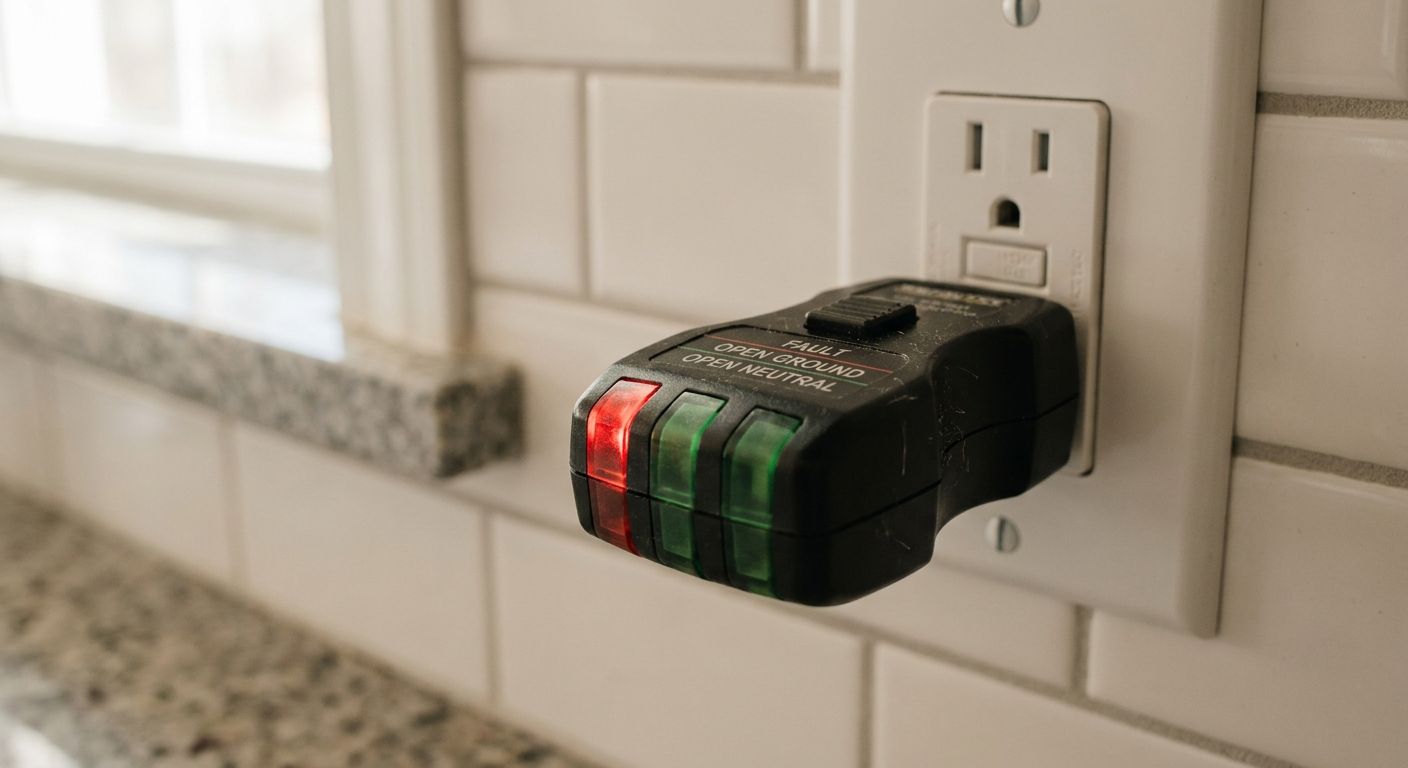
What it often means vs. what's feared: Clients might see "GFCI protection missing" and not grasp its significance, or think it’s a massive electrical overhaul. Ground Fault Circuit Interrupters (GFCIs) protect against electrocution in damp areas (kitchens, bathrooms, garages, exteriors). Arc Fault Circuit Interrupters (AFCIs) protect against electrical fires caused by arcing in wiring.
Why it's flagged: These are critical safety devices. Building codes have evolved, so older homes may not have them where currently required. Non-functional units offer no protection.
Context & Next Steps: Adding GFCI outlets or breakers is often a relatively inexpensive and straightforward fix. AFCI breakers can be more costly but are vital. This finding emphasizes safety upgrades rather than a fundamental flaw in the electrical system.
3. Double-Tapped Circuit Breakers
What it often means vs. what's feared: "Double-tap" sounds like a major electrical hazard. It means two wires are connected to a single terminal on a circuit breaker that is designed for only one.
Why it's flagged: This can lead to loose connections, overheating, and a potential fire hazard because the wires may not be securely held.
Context & Next Steps: While a safety concern, it's usually a simple fix for a qualified electrician. They might pigtail the wires with a wire nut and connect a single wire to the breaker, or install a tandem breaker if the panel is designed for it. It's about ensuring a secure electrical connection, not rewiring the house.
4. Grading and Drainage Issues
What it often means vs. what's feared: A note about "negative grading" or "downspouts discharging too close to the foundation" might seem minor compared to structural or electrical issues. However, this is a leading cause of water intrusion into basements and crawl spaces, which can lead to major problems.
Why it's flagged: Proper grading (ground sloping away from the house) and drainage (gutters, downspouts, extensions) are crucial to divert water away from the foundation.
Context & Next Steps: Solutions can range from simple (adding downspout extenders, regrading small areas with soil) to more involved (installing French drains). Addressing these can prevent costly foundation repairs or moisture problems down the line. This is a preventative maintenance item that is often underestimated.
5. Minor Foundation Cracks (Hairline/Shrinkage)
What it often means vs. what's feared: The word "crack" in relation to a foundation instantly worries buyers, conjuring images of a crumbling home. However, not all foundation cracks are created equal.
Why it's flagged: Inspectors document all visible cracks.
Context & Next Steps: Hairline cracks or shrinkage cracks in poured concrete foundations are very common, especially in newer homes, and are often not structurally significant. Larger cracks (e.g., wider than 1/4 inch), horizontal cracks, or those with displacement (one side offset from the other) warrant further evaluation by a structural engineer. Context is crucial: is it a minor settlement crack or a sign of ongoing movement?
6. "Appliance/System Nearing End of Useful Life"
What it often means vs. what's feared: A report stating the "HVAC system is 18 years old and nearing the end of its typical service life" can be interpreted as "it's broken and needs immediate replacement."
Why it's flagged: Inspectors provide this information for future planning and budgeting. It doesn't necessarily mean the component is currently malfunctioning.
Context & Next Steps: The system might be working perfectly fine at the time of inspection. This finding advises the buyer that a significant expense for replacement could be on the horizon. It's an awareness item for financial planning, not necessarily an immediate repair demand unless performance issues are also noted.
7. Condensation (HVAC Lines, Windows, Ductwork)
What it often means vs. what's feared: Seeing condensation noted can lead to concerns about leaks or excessive moisture.
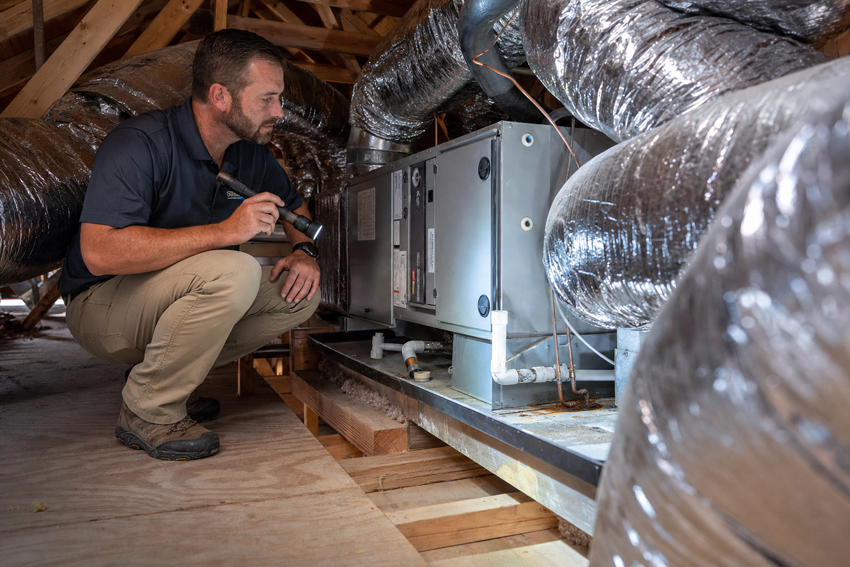
Why it's flagged: While some condensation can be normal (e.g., on an AC refrigerant line in a hot, humid attic), excessive or persistent condensation can indicate issues like poor insulation, air leaks, or overly high indoor humidity, potentially leading to mold or water damage. Fogged window seals (condensation between panes) indicate a failed seal.
Context & Next Steps: The location and amount of condensation matter. For HVAC, it might mean insulation is needed on pipes or ducts. For windows with failed seals, the glass unit (or sometimes the whole window) may need replacement to restore insulating properties. Understanding the cause and effect is important.
8. "Further Evaluation Recommended by a Qualified Professional"
What it often means vs. what's feared: This phrase can frustrate clients who expect the home inspector to provide all the answers. They might think the inspector is avoiding responsibility or that the problem is catastrophic.
Why it's flagged: Home inspectors are generalists. When they identify a potential issue that requires specialized knowledge (e.g., complex electrical, plumbing, structural, HVAC, or environmental concerns like mold), they ethically and professionally must recommend evaluation by a licensed specialist in that field.
Context & Next Steps: This is a responsible call. It means the inspector has identified a potential significant issue that is outside their scope of expertise to diagnose definitively or to prescribe a remedy for. It’s a crucial step to get precise information and cost estimates for repairs.
9. Cosmetic Imperfections vs. Functional Defects
What it often means vs. what's feared: Buyers, especially first-timers, might see a long list of minor issues like scuffed paint, loose cabinet hardware, or a cracked tile and feel overwhelmed, viewing them as reasons to walk away or demand extensive repairs.
Why it's flagged: Inspectors aim to be thorough and document the home's condition, which includes minor blemishes.
Context & Next Steps: It's vital to differentiate between cosmetic items (affecting appearance but not function or safety) and functional defects (affecting the usability, safety, or integrity of a system or component). While cosmetic issues might be noted, the focus for negotiations should typically be on significant functional defects or safety hazards.
10. Normal Wear and Tear
What it often means vs. what's feared: In any home that isn't brand new, some signs of aging and use are expected. Buyers might misinterpret these as defects requiring repair by the seller.
Why it's flagged: An inspector might note "signs of normal wear and tear" on flooring, countertops, or older fixtures to provide a complete picture of the property's condition.
Context & Next Steps: Unless the wear and tear compromises function or safety (e.g., a severely worn stair tread), these items are generally considered part of owning a pre-lived-in home. The home's age, price, and overall condition should set expectations. Understanding what constitutes acceptable aging versus a defect is key.
How InspectionResponse.com Can Help Decipher and Act
Understanding these common yet misunderstood findings is the first step. The next is effectively communicating them to your clients and, if necessary, formulating a repair request. This is where the sheer volume of information in an inspection report, filled with technical terms and photos, can become overwhelming for agents and their clients.
InspectionResponse.com is designed to tackle these exact challenges. Our AI-powered platform can:
- Analyze Your Inspection Report: Simply upload the PDF, and our system intelligently identifies findings, helping to cut through the noise and highlight what truly matters. It can help you quickly see the difference between a "further evaluation" note and a minor "cosmetic imperfection."
- Provide Clarity on Findings: For items like "GFCI protection missing" or "double-tapped breakers," our platform can assist in generating clear explanations for your clients, demystifying the technical jargon and explaining the implications.
- Estimate Potential Costs and Timelines: When faced with findings like "grading issues" or an "appliance nearing end of life," getting a sense of potential repair or replacement costs is crucial for negotiation. InspectionResponse.com provides AI-driven estimates, helping you and your clients make informed decisions.
- Generate Professional Repair Requests: Instead of spending hours manually drafting an addendum, our tool helps you create clear, concise, and professional repair requests. You can easily select which of the misunderstood findings (once clarified) warrant a request, customize the language, and generate a document ready for negotiation.
By streamlining the analysis and response process, InspectionResponse.com saves you valuable time, enhances your professionalism, and empowers you to advocate more effectively for your clients. You can move from confusion over a "past moisture stain" to a clear action plan in minutes.
Navigating Forward with Confidence
A home inspection report doesn't have to be a source of confusion or conflict. By understanding these commonly misunderstood findings, real estate agents can better educate their clients, manage expectations, and focus negotiations on what truly matters. With the right knowledge and tools, you can transform the inspection response from a stressful hurdle into a smooth and professional part of the transaction.
Ready to simplify your inspection response process and impress your clients? Learn more about how InspectionResponse.com can transform your workflow at https://inspectionresponse.com/
Additional Resources
Briefing Document & Key Takeaways
Briefing Document: Common Misunderstood Home Inspection Findings Explained
This briefing document summarizes key themes and important insights from the provided source, "Excerpts from 'Common Misunderstood Home Inspection Findings Explained'". The source aims to help real estate agents and their clients navigate the complexities of home inspection reports by demystifying frequently misinterpreted findings.
Main Themes:
- Bridging the Knowledge Gap: The central theme is the discrepancy between what a home inspection finding might sound like to a layperson (often triggering anxiety) and what it actually signifies. The document emphasizes the importance of understanding the context and true implications of common findings.
- Focusing on Safety and Function: The source highlights that while inspectors document many items, the focus for negotiation and concern should primarily be on functional defects and safety hazards, rather than purely cosmetic imperfections or normal wear and tear.
- Preparation for Future Expenses: Several misunderstood findings relate to the potential for future costs, such as appliances nearing the end of their useful life. The document stresses that these are often awareness items for financial planning, not necessarily immediate demands for repair or replacement.
- The Inspector's Role as a Generalist: The source explains that home inspectors are generalists and may recommend "further evaluation by a qualified professional" when an issue requires specialized expertise. This is presented as a responsible practice, not an avoidance of responsibility.
- The Value of Context and Next Steps: For each misunderstood finding, the source provides crucial "Context & Next Steps". This emphasizes that understanding why an item is flagged and what follow-up is needed is essential for informed decision-making.
Most Important Ideas/Facts:
- "Evidence of Past Moisture" often means a resolved issue: Stains and efflorescence frequently indicate "past problems that have since been rectified" rather than active leaks. The key is to determine if the moisture source is still active through investigation. Cosmetic repair may be sufficient.
- GFCI/AFCI protection is a critical safety upgrade: Missing or non-functional GFCI (protecting against electrocution in damp areas) and AFCI (protecting against electrical fires) are flagged as vital safety devices. Adding these is often a relatively inexpensive fix, emphasizing safety upgrades rather than systemic electrical issues.
- "Double-Tapped Circuit Breakers" are usually a simple fix for safety: While sounding alarming, a double-tap (two wires on one terminal) is a safety concern due to potential overheating. It's typically a simple fix for a qualified electrician involving securing connections.
- Grading and drainage issues are crucial for preventative maintenance: Negative grading or downspouts near the foundation are leading causes of water intrusion. Addressing these is a preventative maintenance item that is often underestimated but can prevent costly foundation problems.
- Minor foundation cracks (hairline/shrinkage) are common and often not structural: The term "crack" in a foundation report can be frightening, but hairline cracks or shrinkage cracks are very common and frequently not structurally significant. Larger or horizontal cracks warrant further investigation.
- "Appliance/System Nearing End of Useful Life" is for budgeting, not necessarily immediate repair: This finding advises buyers of potential future expenses for replacement. It's an awareness item for financial planning, not necessarily a demand for immediate repair unless performance issues are noted.
- Condensation can indicate various issues, requiring context: While some condensation is normal, excessive or persistent condensation can point to problems like poor insulation or failed window seals. Understanding the cause and effect is important.
- "Further Evaluation Recommended" means a potential significant issue needs specialist expertise: This phrase signifies that the inspector has identified a potential significant issue that falls outside their general scope and requires a licensed specialist for accurate diagnosis and remedy.
- Distinguish between Cosmetic Imperfections and Functional Defects: Buyers should differentiate between minor blemishes affecting appearance (cosmetic items) and issues affecting usability, safety, or integrity (functional defects). Negotiation focus should be on the latter.
- Normal wear and tear is expected in a pre-lived-in home: Signs of aging and use are common and generally considered part of owning a non-new home. Unless function or safety is compromised, these are typically not defects requiring seller repair. Understanding what constitutes acceptable aging versus a defect is key.
The source concludes by highlighting how platforms like InspectionResponse.com can assist agents and clients in analyzing inspection reports, clarifying findings, estimating costs, and generating repair requests, ultimately transforming the inspection response process into a more confident and professional experience.
Study Guide
Navigating Home Inspection Reports: A Study Guide
Quiz: Short Answer Questions
- What is the primary difference between "evidence of past moisture" (like a stain) and an active leak, and why do inspectors flag both?
- Explain the distinct safety functions of GFCI and AFCI protection devices as described in the text.
- What constitutes a "double-tapped circuit breaker," and why is it considered a safety concern?
- According to the text, why are proper grading and drainage considered crucial, even if seemingly minor?
- How does the text differentiate between minor foundation cracks and those that warrant further professional evaluation?
- When an inspector notes an appliance or system is "nearing end of useful life," what is the primary purpose of this finding?
- What might excessive or persistent condensation indicate, beyond simple environmental conditions?
- When an inspector recommends "further evaluation by a qualified professional," what does this typically signify about the nature of the issue?
- What is the key distinction the text makes between "cosmetic imperfections" and "functional defects"?
- How should "normal wear and tear" typically be interpreted in a home inspection report?
Answer Key
- Evidence of past moisture indicates a problem that occurred and may have been fixed, whereas an active leak means the issue is ongoing. Inspectors flag both because past issues could have caused latent damage, and active leaks need immediate attention.
- GFCIs protect against electrocution in damp areas by detecting ground faults, while AFCIs protect against electrical fires caused by arcing in wiring. Both are critical safety upgrades.
- A double-tapped circuit breaker is when two wires are connected to a single terminal on a breaker designed for one wire. This is a safety concern because it can lead to loose connections, overheating, and a potential fire hazard.
- Proper grading and drainage are crucial because they divert water away from the foundation. Failure to do so is a leading cause of water intrusion, which can lead to costly foundation and moisture problems.
- Minor foundation cracks (hairline or shrinkage cracks) are often not structurally significant. Cracks warranting further evaluation are typically larger (wider than 1/4 inch), horizontal, or show displacement.
- The primary purpose is for future planning and budgeting. It informs the buyer that the system may need replacement soon, but doesn't necessarily mean it's currently malfunctioning.
- Excessive or persistent condensation can indicate issues like poor insulation, air leaks, overly high indoor humidity, or failed window seals, potentially leading to mold or water damage.
- It signifies that the inspector has identified a potential significant issue that requires specialized knowledge beyond their general expertise to diagnose definitively or recommend a remedy.
- Cosmetic imperfections affect appearance but not function or safety, while functional defects affect the usability, safety, or integrity of a system or component. The latter are typically the focus for negotiations.
- Normal wear and tear are expected signs of aging and use in a pre-lived-in home. Unless they compromise function or safety, they are generally considered part of owning an older home and not typically grounds for demanding seller repairs.
Essay Format Questions
- Analyze the role of a home inspection report in the real estate transaction process. Discuss how misunderstood findings can impact client anxiety, negotiation strategies, and the overall timeline.
- Explain the importance of differentiating between safety hazards, major structural issues, and cosmetic concerns within a home inspection report. How might a real estate agent effectively communicate these distinctions to a client?
- Discuss the implications of deferred maintenance as revealed in a home inspection report, using examples from the text such as grading/drainage issues or appliances nearing the end of their useful life. How does understanding these "preventative maintenance" items inform a buyer's decision-making and budgeting?
- Evaluate the responsibility of a home inspector when encountering issues that require specialized expertise. Why is recommending "further evaluation by a qualified professional" an ethical and necessary step, and how can this recommendation be effectively managed in the negotiation process?
- Using examples like "evidence of past moisture" or "minor foundation cracks," explain how context is crucial in interpreting home inspection findings. Discuss how factors such as the home's age, location, and the specific characteristics of the finding influence its perceived severity and necessary next steps.
Glossary of Key Terms
- Efflorescence: A white, chalky substance that appears on the surface of masonry or concrete, often indicating that water has moved through the material and deposited salts.
- GFCI (Ground Fault Circuit Interrupter): A safety device designed to protect against electrocution by quickly shutting off electrical power if it detects a ground fault (an unintended path for electricity to flow to the ground). Commonly found in areas exposed to moisture like kitchens, bathrooms, and exteriors.
- AFCI (Arc Fault Circuit Interrupter): A safety device designed to protect against electrical fires caused by arc faults (dangerous electrical discharges, or arcing, in wiring). Typically required in living areas of newer homes.
- Double-Tapped Breaker: A situation where two wires are connected to a single terminal on a circuit breaker designed to accommodate only one wire. This can be a fire hazard.
- Grading: The slope of the ground surrounding a building. Proper grading slopes away from the foundation to direct water runoff. Negative grading slopes towards the foundation.
- Downspouts: Pipes that carry water from rain gutters away from the building's foundation.
- French Drain: A trench filled with gravel or rock containing a perforated pipe, used to redirect surface and groundwater away from an area, often a foundation.
- Hairline Cracks: Very thin cracks, often found in concrete, that are typically not structurally significant and may be caused by shrinkage during curing.
- Shrinkage Cracks: Cracks that form in concrete or masonry as it dries and shrinks, usually not indicative of structural issues.
- Displacement: In the context of cracks, it refers to one side of the crack being offset or misaligned from the other side, which can be a sign of structural movement.
- HVAC System: Acronym for Heating, Ventilation, and Air Conditioning system.
- Condensation: The process by which water vapor in the air turns into liquid water. In homes, it can occur on cold surfaces like windows, pipes, or ductwork.
- Fogged Window Seals: A condition where condensation appears between the panes of a double or triple-pane window, indicating that the hermetic seal has failed, allowing moisture-laden air to enter.
- Cosmetic Imperfection: A flaw that affects the appearance of a component or surface but does not impact its function, safety, or structural integrity.
- Functional Defect: An issue that impairs the proper operation, safety, or structural integrity of a building component or system.
- Normal Wear and Tear: The expected deterioration of a building component or material due to regular use and aging over time, not resulting from neglect or misuse.
Frequently Asked Questions
What does "evidence of past moisture" mean in a home inspection report?
This often indicates that a watermark or efflorescence (white, chalky residue) is present, suggesting there was a moisture issue at that location at some point. It doesn't necessarily mean there is an active leak. Inspectors flag these to note potential past problems, but the key is to determine if the source is still active and if any secondary damage (like mold or rot) occurred. Sometimes, only cosmetic repair of the stain is needed.
Why are GFCI/AFCI protection issues flagged in a home inspection?
These are crucial safety devices. Ground Fault Circuit Interrupters (GFCIs) protect against electrocution in areas near water, while Arc Fault Circuit Interrupters (AFCIs) protect against electrical fires. They are flagged because building codes have changed over time, meaning older homes may lack these protections where they are currently required, or existing units may be non-functional, posing safety risks. Adding them is often a relatively simple and important safety upgrade.
What is a "double-tapped circuit breaker" and why is it a concern?
A double-tapped breaker means two wires are connected to a single terminal on a circuit breaker designed for only one wire. This is flagged because it can lead to loose connections, overheating, and a potential fire hazard as the wires may not be securely held. While a safety concern, it's typically a straightforward fix for a qualified electrician.
Why are grading and drainage issues considered important, even if they seem minor?
Proper grading (the ground sloping away from the house) and drainage (gutters, downspouts, and extensions) are critical for diverting water away from the foundation. Issues like negative grading or downspouts discharging too close to the house are leading causes of basement and crawl space water intrusion, which can lead to significant and costly problems like foundation damage or mold. Addressing these is considered preventative maintenance that can prevent major issues.
Are all foundation cracks serious?
No, not all foundation cracks are serious. Home inspectors will document all visible cracks. Hairline cracks or shrinkage cracks in poured concrete foundations are very common, especially in newer homes, and are often not structurally significant. Larger cracks (wider than 1/4 inch), horizontal cracks, or those with displacement (one side offset from the other) are more concerning and warrant further evaluation by a structural engineer to determine if there is ongoing movement.
What does it mean if an appliance or system is noted as "nearing end of useful life"?
This indicates that the inspector has noted the age of a system (like HVAC) and is informing you that it is approaching its typical lifespan. It does not necessarily mean the system is currently broken or requires immediate replacement. This finding is provided for future planning and budgeting, letting you know that a significant expense for replacement could be on the horizon, and is an awareness item for financial planning.
What should I understand about condensation noted in a report?
While some condensation can be normal (e.g., on an AC refrigerant line in a hot, humid environment), excessive or persistent condensation can signal underlying problems like poor insulation, air leaks, or high indoor humidity, potentially leading to mold or water damage. Condensation between window panes indicates a failed seal requiring repair or replacement. The location and amount of condensation are key to understanding its significance and cause.
When a report recommends "further evaluation by a qualified professional," what does that mean?
This phrase is used when the home inspector, who is a generalist, identifies a potential issue that requires specialized expertise to diagnose definitively or prescribe a remedy. This is a responsible call from the inspector, indicating they have found a potential significant issue (e.g., complex electrical, structural, or environmental concerns) that is outside their scope. It's a crucial step to get precise information, assessment, and cost estimates from a specialist in that field.