FHA & VA Inspection Requirements: How to Keep Your Deal from Falling Apart
Podcast Overview
For many real estate agents and sellers, seeing "FHA" or "VA" financing on an offer triggers a specific kind of anxiety. The fear isn't usually about the buyer's creditworthiness it's about the property condition. There is a persistent myth that FHA and VA loans are "deal killers" because of their strict inspection requirements.
While it is true that government-backed loans have higher standards than conventional financing, they don't have to be a roadblock. The key to navigating these deals lies in understanding exactly what the appraiser is looking for and addressing "red flag" issues before the appraiser ever steps foot on the property.
In this guide, we will break down the differences between the mandatory appraisal inspection and a private home inspection, the specific requirements for FHA and VA loans, and how to manage the repair process smoothly.
The Critical Distinction: Appraisal vs. Private Inspection
Before diving into specific defects, it is crucial to educate your clients on the difference between the two types of inspections involved in these transactions. Buyers often confuse them.
- The Private Home Inspection (Optional but Recommended): This is for the buyer. The inspector looks for everything from a dripping faucet to a cracked heat exchanger. The government does not require this, but it is the buyer’s best tool for due diligence.
- The Appraisal Inspection (Mandatory): This is for the lender/government. The appraiser visits the property to determine market value and to ensure the property meets minimum health and safety standards. If the home fails this check, the loan cannot be approved until repairs are made.
The "Three S's": The Core Philosophy
Whether it is an FHA (Federal Housing Administration) or VA (Department of Veterans Affairs) loan, the appraisers operate under the same general philosophy. They are looking for the Three S's:
- Safety: Does the condition of the property threaten the health or safety of the occupants? (e.g., exposed wiring, lead paint risks).
- Soundness: Is the structural integrity of the home intact? (e.g., foundation cracks, active roof leaks).
- Security: Is the property secure and habitable? (e.g., windows that lock, functioning doors).
If a defect violates one of the Three S's, it will likely be flagged as a "condition" that must be repaired prior to closing.
FHA Inspection Requirements (Minimum Property Standards)
The FHA follows HUD’s "Minimum Property Standards." While they have relaxed slightly over the years, there are still strict non-negotiables.
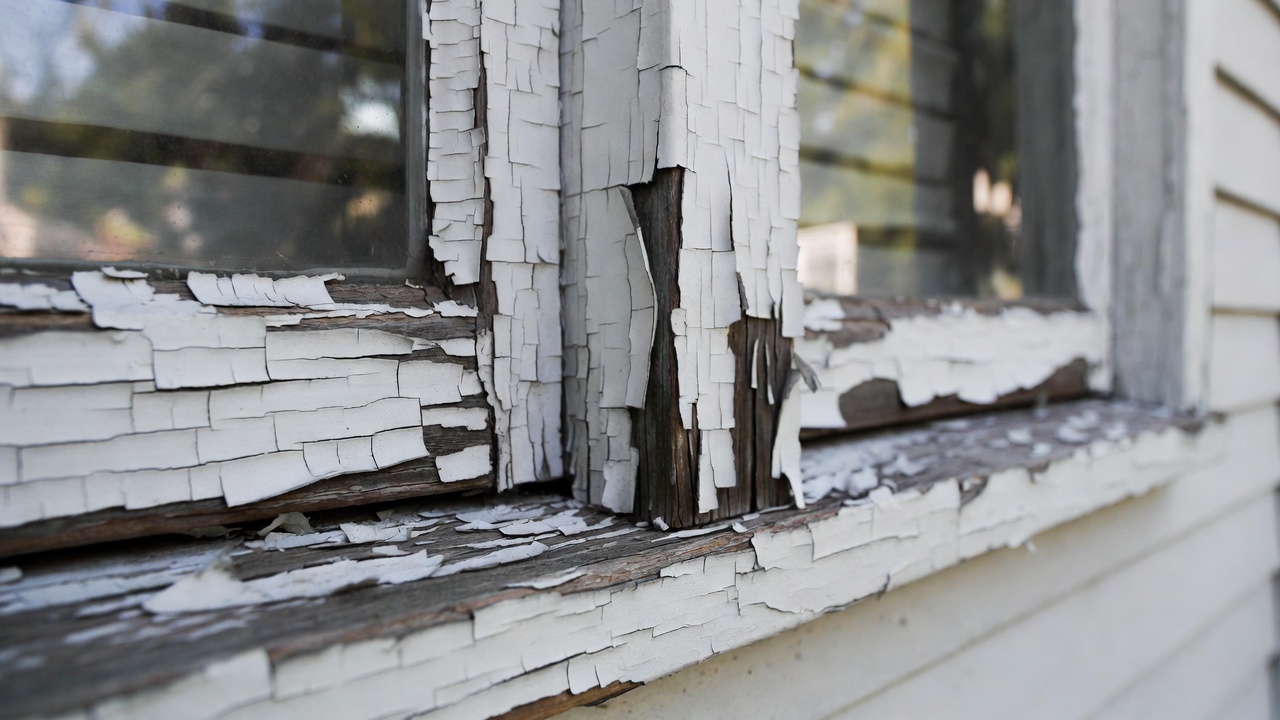
1. Peeling Paint (The #1 Deal Breaker)
If the home was built before 1978, the FHA assumes any peeling, chipping, or flaking paint contains lead.
- The Rule: The appraiser will check interior walls, exterior siding, fascia boards, and even sheds. Any defective paint must be scraped, primed, and repainted. The paint chips must be cleaned up properly.
- Agent Tip: Walk the perimeter of the home before listing. If you see peeling paint, advise your seller to fix it immediately.
2. The Two-Year Roof Rule
The roof must act as a moisture barrier and have a remaining physical life of at least two years.
- The Rule: If the roof is heavily worn, has curled shingles, or shows signs of patching, the appraiser may demand a certification from a professional roofer or require a full replacement. FHA generally does not allow more than three layers of roofing.
3. Egress and Handrails
Safety is paramount. Bedrooms must have windows large enough to escape through in a fire. Additionally, handrails are generally required on any staircase with three or more risers.
VA Inspection Requirements (Minimum Property Requirements)
The VA acts to protect veterans from buying money pits. Their "Minimum Property Requirements" (MPRs) are similar to FHA but often come with a "move-in ready" mindset.
1. The Pest Inspection Requirement
This is the most significant difference between FHA and VA.
- The Rule: In most states (over 35), a dedicated Wood Destroying Insect (WDI) inspection is mandatory for VA loans.
- Who Pays? Historically, the buyer was forbidden from paying for this, forcing the seller to cover it. However, rules have updated recently, allowing the buyer to pay for the inspection in many scenarios though it is still common practice for sellers to cover it in some markets. Check your local regulations.
2. Heating and Water
The home must have a permanently installed heating system capable of maintaining a temperature of 50°F in all living areas. Additionally, the property must have a continuous supply of safe, potable water. If the home is on a private well, the VA often requires a comprehensive water quality test.
3. Access
The property must have safe, all-weather pedestrian and vehicular access from a public or private street. This can sometimes be an issue for rural properties with shared, unpaved driveways if there isn't a recorded maintenance agreement.
Common "Red Flags" Checklist
When touring homes with FHA/VA buyers, keep an eye out for these visible defects. If you see them, prepare for a repair negotiation:
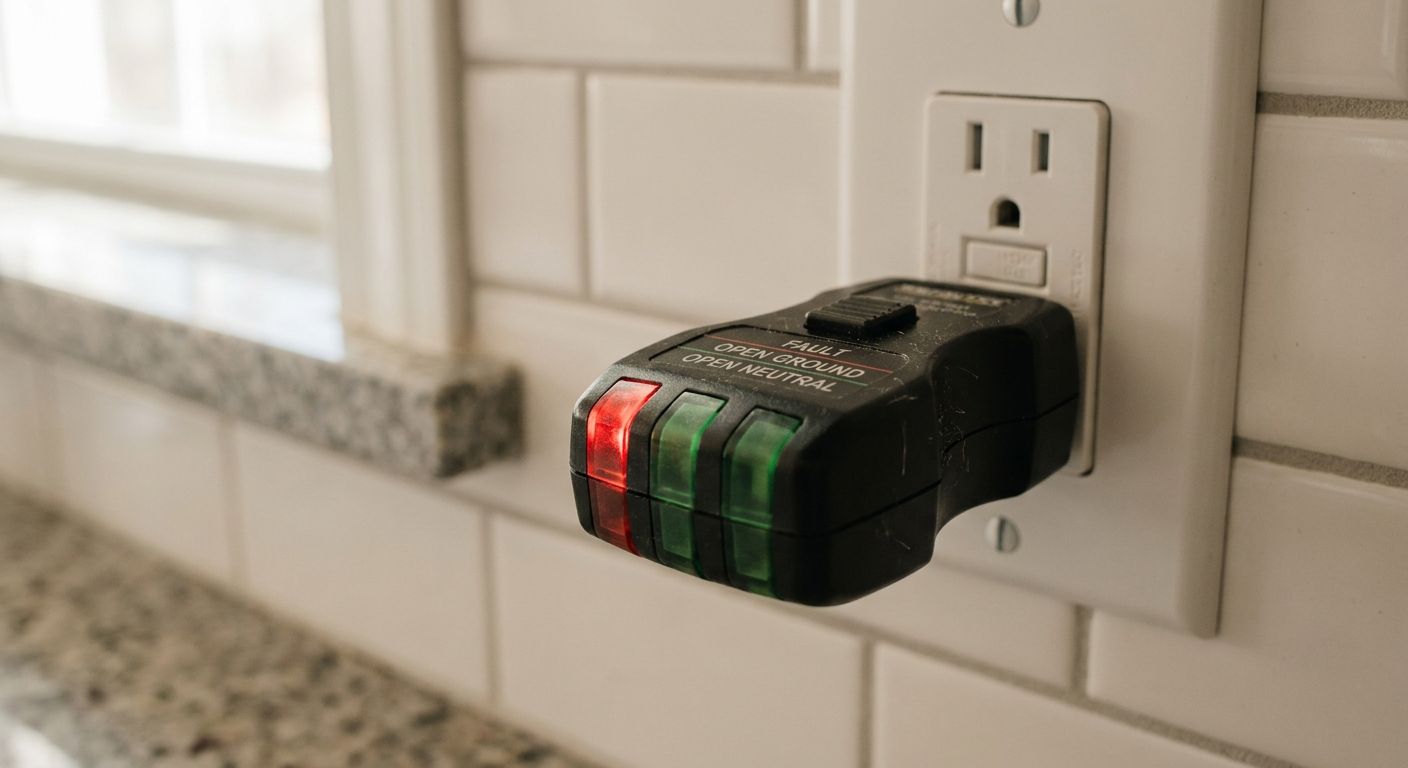
- Electrical: Exposed wires, uncovered junction boxes, or missing outlet faceplates.
- Plumbing: Significant leaks or water heaters missing a pressure relief valve and discharge pipe (also missing seismic straps in earthquake zones).
- Windows: Broken or cracked glass (considered a laceration hazard).
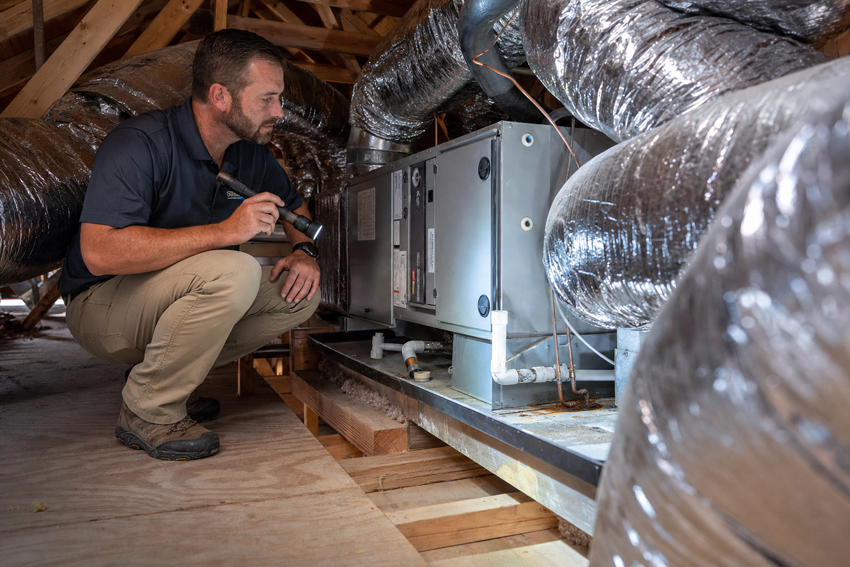
- Crawl Spaces/Attics: The appraiser must be able to view these areas ("head and shoulders" inspection). If they are blocked by debris or sealed shut, a re-inspection fee will be triggered.
- Trip Hazards: Significant cracks or heaving in concrete walkways.
Managing the Repairs
When an FHA or VA appraisal comes back "Subject To" repairs, the deal isn't dead it just has a to-do list.
- Don't Panic: Most requirements are minor (installing a handrail, painting a fascia board).
- Negotiate: Who does the work? Usually, the seller completes repairs to ensure the loan funds. However, buyers can pay for repairs if the seller refuses, provided the work is done prior to closing (with seller permission).
- Escrow Holdbacks: In some cases, if weather prevents exterior repairs (like painting in winter), lenders may allow an escrow holdback where funds are set aside to complete the work later.
How InspectionResponse.com Can Help
Navigating the intersection of a private home inspection and government appraisal requirements can be time-consuming. You want to identify potential appraisal flags before the appraiser arrives. This is where InspectionResponse.com becomes an invaluable asset for real estate agents.
Instead of manually sifting through a 50-page private inspection report to highlight FHA/VA risks, you can upload the PDF to InspectionResponse. Our AI-powered analysis quickly categorizes findings. You can easily isolate "Safety" and "Structural" issues the exact things an FHA or VA appraiser will flag.
With InspectionResponse, you can:
- Create Professional Repair Requests: Quickly generate a clean, prioritized list of repairs (like peeling paint or missing handrails) to present to the seller.
- Estimate Costs: Get immediate cost estimates for these repairs, helping you and your client decide if the deal is financially viable or if you need to negotiate a larger credit.
- Justify Requests: Use our tool to clearly communicate why a repair is necessary (e.g., "Required for FHA financing compliance"), making the seller more likely to agree.
Don't let a missing handrail or a few termites derail your transaction. Streamline your repair negotiations and close more government-backed loans with confidence.
Additional Resources
Briefing Document & Key Takeaways
Briefing Document: Property Requirements for FHA and VA Financing
Executive Summary
This briefing examines the specific property condition requirements for government-backed financing, specifically Federal Housing Administration (FHA) and Department of Veterans Affairs (VA) loans. While these loan types are often perceived as "deal killers" due to strict inspection standards, they are manageable when stakeholders understand the underlying criteria. The core philosophy of these requirements is centered on the "Three S's": Safety, Soundness, and Security.
The primary distinction between a mandatory appraisal inspection (required by the lender for health and safety) and a private home inspection (conducted for the buyer's due diligence) is central to navigating these transactions. FHA loans focus heavily on lead-based paint risks and roofing integrity, while VA loans prioritize a "move-in ready" state, requiring specific pest inspections and utility reliability. Proactive identification of "red flag" issues, such as exposed wiring or peeling paint, allows for successful repair negotiations and the use of modern analysis tools to streamline compliance.
The Dual Inspection Process
Successful navigation of FHA and VA transactions requires a clear understanding of the two distinct types of evaluations performed during the escrow period:
• Private Home Inspection: This is an optional but recommended process conducted for the buyer. The inspector evaluates the property in high detail, identifying everything from minor plumbing leaks to major component failures. This process is not a government requirement but serves as the buyer’s primary tool for due diligence.
• Appraisal Inspection: This is a mandatory requirement for the lender and the government. The appraiser evaluates the property to determine its market value and to verify that it meets minimum health and safety standards. If the property fails this inspection, the loan cannot be approved until specific repairs are completed.
Core Philosophical Framework: The Three S's
Appraisers for both FHA and VA loans evaluate properties through three primary lenses to ensure the home is a viable asset for the borrower and the lender:
• Safety: The property must not threaten the health or safety of the occupants. Common violations include exposed electrical wiring or lead paint hazards.
• Soundness: The structural integrity of the property must be intact. Issues such as active roof leaks or foundation cracks are considered violations of soundness.
• Security: The property must be secure and habitable, meaning it must have functioning doors and windows that lock.
FHA Minimum Property Standards (MPS)
The FHA adheres to specific standards established by the Department of Housing and Urban Development (HUD). Key focus areas include:
• Lead-Based Paint Hazards: This is the most common reason for FHA repair requirements. For homes built before 1978, the FHA assumes any peeling, chipping, or flaking paint contains lead. Appraisers inspect interior walls, exterior siding, fascia boards, and sheds. Defective paint must be scraped, primed, and repainted, and all paint chips must be properly remediated.
• The Two-Year Roof Rule: The roof must function as an effective moisture barrier and have a remaining physical life of at least two years. Heavily worn or curled shingles may trigger a requirement for a professional certification or a full replacement. Additionally, the FHA generally prohibits more than three layers of roofing.
• Egress and Handrails: Bedrooms must contain windows of sufficient size to allow for emergency escape. Safety handrails are typically required on any staircase containing three or more risers.
VA Minimum Property Requirements (MPR)
The VA aims to ensure veterans purchase homes that are "move-in ready." Their requirements often overlap with FHA but include unique mandates:
• Wood Destroying Insect (WDI) Inspection: In over 35 states, a dedicated pest inspection is mandatory. While buyers were historically prohibited from paying for this, recent rule updates allow buyers to cover the cost in many scenarios, though seller coverage remains a common local practice.
• Utilities and Climate Control: The home must feature a permanently installed heating system capable of maintaining a minimum temperature of 50 degrees Fahrenheit in all living areas. There must also be a continuous supply of safe, potable water. Private wells often require comprehensive water quality testing.
• Access Requirements: Properties must have safe, all-weather access for both pedestrians and vehicles from a public or private street. Rural properties with shared, unpaved driveways may require a recorded maintenance agreement to meet this standard.
Identification of Common Property Red Flags
Standard defects that frequently trigger "Subject To" appraisal reports include:
• Electrical Issues: This includes exposed wires, uncovered junction boxes, and missing outlet faceplates.
• Plumbing and Water Heaters: Significant leaks must be repaired. Water heaters must have a pressure relief valve and a discharge pipe. In earthquake zones, seismic straps are required.
• Window Integrity: Broken or cracked glass is viewed as a laceration hazard and must be replaced.
• Access for Inspection: Appraisers must perform a "head and shoulders" inspection of crawl spaces and attics. If these areas are sealed or blocked by debris, it will trigger a re-inspection fee.
• Trip Hazards: Significant cracks or heaving in concrete walkways must be addressed to ensure pedestrian safety.
Mitigation and Repair Strategies
When an appraisal identifies defects, the transaction can continue if the following strategies are employed:
• Repair Negotiations: Most required repairs are minor, such as installing a handrail or painting a fascia board. Usually, the seller completes these to ensure the loan funds, but buyers may perform the work with seller permission prior to closing.
• Escrow Holdbacks: If weather conditions, such as winter temperatures, prevent exterior repairs like painting, some lenders allow funds to be set aside in escrow to complete the work at a later date.
• Technological Analysis: Tools like InspectionResponse.com can be used to synthesize private home inspection reports. These tools use AI to isolate "Safety" and "Structural" findings that match FHA and VA criteria. This allows for the creation of prioritized repair requests and the generation of cost estimates to determine the financial viability of a deal before the formal appraisal occurs.
Study Guide
Comprehensive Study Guide for FHA and VA Loan Property Requirements
This study guide provides a detailed overview of the property standards and inspection processes required for government backed financing through the Federal Housing Administration (FHA) and the Department of Veterans Affairs (VA). It covers the critical distinctions between various inspection types, specific defects that can delay a closing, and strategies for managing necessary repairs.
Part 1: Short Answer Quiz
1. What is the primary difference between a private home inspection and a mandatory appraisal inspection? A private home inspection is an optional tool for the buyer to identify all potential defects ranging from minor leaks to major mechanical issues. In contrast, the appraisal inspection is a mandatory requirement for the lender to determine market value and ensure the property meets basic health and safety standards.
2. Explain the "Three S's" philosophy used by appraisers for government backed loans. Appraisers evaluate a property based on Safety, Soundness, and Security. This involves checking if the property threatens occupant health, confirming the structural integrity is intact, and ensuring the home is habitable and secure.
3. What are the specific FHA requirements regarding peeling paint in homes built before 1978? For homes built before 1978, the FHA assumes any defective paint contains lead, requiring it to be scraped, primed, and repainted. This rule applies to interior walls, exterior siding, and even outbuildings like sheds, with all paint chips requiring proper cleanup.
4. Describe the FHA Two Year Roof Rule and its restrictions on roofing layers. The FHA requires that a roof acts as a moisture barrier and possesses at least two years of remaining physical life. If a roof is heavily worn or has more than three layers of roofing material, an appraiser may require professional certification or a full replacement.
5. What are the safety requirements for bedrooms and staircases under FHA standards? Bedrooms must feature windows large enough to serve as emergency exits during a fire to ensure occupant safety. Additionally, any staircase featuring three or more risers generally requires the installation of a handrail.
6. Identify the unique Wood Destroying Insect (WDI) inspection requirement for VA loans. In over 35 states, a dedicated WDI or pest inspection is mandatory for VA loans to protect veterans from buying properties with structural infestations. While sellers traditionally paid for this, updated rules now allow buyers to cover the cost in many scenarios.
7. What heating and water standards must a property meet for VA loan approval? A VA approved home must have a permanently installed heating system that can maintain a temperature of at least 50 degrees Fahrenheit in all living areas. The property must also have a continuous supply of safe, potable water, which may require a water quality test for private wells.
8. What are the requirements for property access under VA guidelines? The VA requires that a property has safe, all weather access for both pedestrians and vehicles from a public or private street. Rural properties with shared, unpaved driveways may face issues if there is no recorded maintenance agreement in place.
9. List three common electrical or plumbing "red flags" that can trigger repair requirements. Appraisers often flag exposed wires or uncovered junction boxes as safety hazards in the electrical system. In plumbing, they look for significant leaks and water heaters that lack a pressure relief valve or discharge pipe.
10. How can escrow holdbacks assist when weather conditions prevent exterior repairs? An escrow holdback allows funds to be set aside at closing to complete necessary repairs at a later date. This is particularly useful for exterior work, such as painting, that cannot be performed during winter months or inclement weather.
Part 2: Answer Key
1. Private inspections are for the buyer's due diligence on all home components, while appraisal inspections are for the lender to ensure health, safety, and value.
2. The Three S's stand for Safety (occupant health), Soundness (structural integrity), and Security (habitability).
3. Any peeling or flaking paint in pre-1978 homes must be scraped, primed, and repainted because it is assumed to contain lead.
4. A roof must have two years of life left and act as a moisture barrier, and FHA generally forbids more than three layers of roofing.
5. Bedrooms must have egress windows for fire safety, and staircases with three or more risers must have handrails.
6. A Wood Destroying Insect (WDI) inspection is mandatory in most states for VA loans to check for pests like termites.
7. The home must maintain 50 degrees Fahrenheit via a permanent heater and have a continuous supply of safe, potable water.
8. Properties must have safe, all weather pedestrian and vehicular access from a street, with documented maintenance for shared private roads.
9. Red flags include exposed electrical wiring, missing outlet faceplates, and water heaters missing pressure relief valves or discharge pipes.
10. Escrow holdbacks allow the loan to fund while setting aside money to finish repairs that are delayed by weather.
Part 3: Essay Format Questions
1. Analyze the importance of the "Three S's" (Safety, Soundness, and Security) as the foundational framework for government backed loan appraisals.
2. Compare and contrast the specific property requirements of FHA and VA loans, highlighting which requirements are unique to each program.
3. Discuss the responsibilities of a real estate agent in preparing a seller for an FHA or VA appraisal to prevent a transaction from failing.
4. Evaluate the impact of lead based paint regulations and the Two Year Roof Rule on the sale of older or distressed properties.
5. Explain how technological solutions like InspectionResponse.com can assist agents in prioritizing repairs and negotiating credits during a real estate transaction.
Part 4: Glossary of Key Terms
Appraisal Inspection: A mandatory inspection conducted for a lender to determine a property's market value and ensure it meets minimum health and safety standards.
Egress: A path of exit, specifically referring to windows in bedrooms that must be large enough for an occupant to escape during an emergency.
Escrow Holdback: A financial arrangement where funds are set aside after a loan closes to ensure that specific repairs, delayed by factors like weather, are completed later.
FHA (Federal Housing Administration): A government agency that provides mortgage insurance on loans made by FHA approved lenders, following specific Minimum Property Standards.
InspectionResponse.com: An AI powered tool used by real estate agents to analyze private inspection reports and identify items that may conflict with FHA or VA requirements.
Minimum Property Requirements (MPR): The specific standards set by the VA to ensure a home is safe, structurally sound, and sanitary for a veteran.
Minimum Property Standards (MPS): The set of physical requirements established by HUD for buildings or projects insured by FHA.
Potable Water: Water that is safe for human consumption, a requirement for both FHA and VA loan approval.
Private Home Inspection: An optional, comprehensive evaluation of a home's condition performed by a professional inspector for the buyer's benefit.
Subject To: A status given to an appraisal indicating that the loan approval is contingent upon certain repairs or conditions being met.
VA (Department of Veterans Affairs): A government department that provides home loan guaranties to help veterans, service members, and surviving spouses provide housing.
WDI Inspection: A Wood Destroying Insect inspection required by the VA in most states to check for termites and other structural pests.
Frequently Asked Questions
1. What is the fundamental difference between a private home inspection and a mandatory FHA or VA appraisal?
The primary distinction lies in the intended user of the report and the scope of the investigation.
• The Private Home Inspection: This is an optional tool utilized for the buyer’s due diligence. The inspector’s role is exhaustive, identifying everything from minor cosmetic flaws to major mechanical failures. It serves as a comprehensive "status report" to inform the buyer's purchase decision.
• The Appraisal Inspection: This is a mandatory requirement performed on behalf of the lender and the federal government. The appraiser’s objective is to determine the market value of the collateral and ensure it meets Minimum Property Standards (MPS) or Requirements (MPR).
While a private inspection may lead to price negotiations, an appraisal failure regarding health and safety is a regulatory "hard stop." The loan cannot be approved and the transaction cannot fund until the specific defects are remediated and verified.
2. What are the "Three S's" and how do they govern the appraisal process?
The "Three S's, Safety, Soundness, and Security comprise the core regulatory philosophy governing FHA and VA appraisals. These pillars allow appraisers to evaluate property through the lens of lender risk and occupant well-being.
• Safety: Focuses on conditions that threaten the health or life of the occupants.
◦ Lender Perspective: Mitigates liability and ensures the property does not present an immediate hazard to the borrower's health.
◦ Examples: Exposed electrical wiring, presence of lead-based paint, or missing handrails.
• Soundness: Evaluates the structural integrity of the dwelling.
◦ Lender Perspective: Protects the lien by ensuring the asset's value will not depreciate rapidly due to catastrophic structural failure or lack of maintenance.
◦ Examples: Significant foundation cracks, active roof leaks, or pervasive wood rot.
• Security: Assesses whether the property is secure and functional as a primary residence.
◦ Lender Perspective: Ensures the property remains marketable and habitable throughout the life of the loan.
◦ Examples: Functioning exterior doors, windows that lock, and adequate utilities.
These foundational principles create the baseline for all subsequent agency-specific requirements, ensuring the property serves as sufficient collateral for a long-term mortgage.
3. What are the most common FHA-specific property defects that halt transactions?
Two frequent hurdles in FHA transactions are the "Peeling Paint" rule and the "Two-Year Roof" rule.
• Peeling Paint: For any home built before 1978, the FHA presumes that any peeling, chipping, or flaking paint contains lead. This is a primary deal-breaker. Appraisers inspect interior walls, exterior siding, fascia boards, and even detached outbuildings. Compliance requires that all defective paint be scraped, primed, and repainted, with all paint chips meticulously cleaned and disposed of to avoid soil contamination.
• The Two-Year Roof Rule: The roof must act as an effective moisture barrier and have a remaining physical life of at least two years. If a roof shows curled shingles, heavy patching, or excessive wear, the appraiser may require a professional certification or a total replacement. Additionally, FHA standards generally prohibit more than three layers of roofing material on a single structure.
4. How do VA Minimum Property Requirements differ from FHA standards, particularly regarding pests and utilities?
The VA operates with a "move-in ready" mindset, designed to protect veterans from inheriting properties that require immediate, unforeseen capital expenditures.
• Wood Destroying Insect (WDI) Inspections: Unlike the FHA, the VA mandates a dedicated pest inspection in over 35 states. While historical regulations restricted who could pay for this, current rules have been updated to allow buyers to cover the cost in many scenarios, though local market customs often still favor seller-paid inspections.
• Utilities and Climate: The VA is stringent regarding habitability. The home must have a permanently installed heating system capable of maintaining a minimum of 50°F in all living areas. Furthermore, there must be a continuous supply of safe, potable water; properties with private wells frequently require comprehensive water quality testing.
• Access and Road Maintenance: The property must have safe, all-weather access from a public or private street. A common cause of closing delays is the lack of a recorded maintenance agreement for shared, unpaved driveways in rural areas.
Understanding these technicalities allows agents to transition from regulatory theory to the practical identification of physical defects during the initial property walkthrough.
5. What safety-specific requirements must be met for egress and accessibility?
Because safety is the first of the "Three S's," appraisers prioritize features that facilitate emergency exit and prevent falls.
• Egress: For fire safety compliance, every bedroom must have at least one window large enough to serve as an emergency exit.
• Staircase Safety: A frequent and easily identified requirement is the "three or more risers" rule. Any staircase with three or more steps generally requires a sturdy, permanently attached handrail. These are often flagged because they are visible, high-impact safety features that are inexpensive to remediate but mandatory for loan approval.
6. Which visible "red flags" should agents identify during an initial walkthrough?
During an initial tour, professionals should scrutinize the property for the following defects that frequently trigger "Subject To" appraisal conditions:
• Electrical Hazards: Exposed wires, uncovered junction boxes, or missing outlet/switch faceplates.
• Plumbing/Mechanical: Significant leaks or water heaters missing a pressure relief valve and discharge pipe. In earthquake-prone regions, the absence of seismic straps is a specific regional compliance risk that can delay funding.
• Structural/Laceration Hazards: Broken or cracked window glass is almost always flagged.
• Trip Hazards: Significant heaving or vertical cracks in concrete walkways or driveways.
• Access Obstructions: Appraisers are required to perform a "head and shoulders" inspection of attics and crawl spaces. If these areas are sealed shut, painted over, or blocked by debris, the appraiser will be unable to complete the inspection, triggering an expensive re-inspection fee once access is cleared.
By identifying these issues early, the focus can shift from finding problems to the strategic management of the repair process.
7. How can sellers and buyers effectively manage "Subject To" repair requirements and escrow holdbacks?
The transition from a flagged appraisal to a cleared loan follows a specific strategic path:
1. Report Review: Carefully analyze the appraiser’s specific "conditions" to determine the exact scope of work required for agency compliance.
2. Negotiation of Responsibility: Determine who will perform and fund the repairs. While the seller typically completes these to ensure the loan funds, buyers may complete the work prior to closing with explicit written permission from the seller.
3. Execution of Repairs: Complete the work according to the specific agency standards (e.g., proper lead-paint remediation protocols).
4. Verification (1004D): Order a final inspection (often via Form 1004D) where the appraiser or a qualified professional certifies that the conditions have been met.
5. Escrow Holdbacks: If exterior repairs such as painting or roofing are delayed by inclement weather, some lenders allow for an "Escrow Holdback." This mechanism sets aside 1.5x or 2x the repair cost in escrow, allowing the loan to close while the work is finished once the weather permits.
8. How does utilizing AI-powered analysis via InspectionResponse.com streamline the repair negotiation process?
Modern technology provides a distinct advantage in achieving Compliance Certainty. InspectionResponse.com utilizes AI-powered analysis to filter exhaustive, 80-page private home inspection reports specifically for FHA and VA compliance risks.
• Prioritization: The platform automatically isolates findings related to "Safety" and "Structural" integrity the exact categories an appraiser will target allowing agents to create clean, prioritized repair lists.
• Cost Estimation: The tool provides immediate cost estimates for common repairs like peeling paint or handrail installation, allowing for immediate assessment of a deal's financial viability.
• Data-Backed Justification: By generating professional repair requests, agents can provide sellers with objective, regulatory-based justifications (e.g., "This repair is mandatory for FHA compliance"). This transparency reduces friction and increases seller cooperation.
Mastery of these requirements, combined with the strategic application of technological tools, allows real estate professionals to navigate and close government-backed loans with absolute confidence and predictability.