The Agent’s Eye: 11 Hidden Issues to Spot Before the Home Inspection
Podcast Overview

There is nothing more frustrating for a real estate agent or a buyer than falling in love with a property, putting in an offer, and then having the deal crumble once the formal home inspection report arrives. While the home inspection is a non-negotiable step in due diligence, waiting until that moment to discover obvious red flags can waste valuable time and emotional energy.
As a buyer’s agent, you aren't expected to be a licensed inspector or a structural engineer. However, cultivating a "pre-inspection eye" allows you to spot potential deal-breakers during the initial showing. By identifying critical issues early, you can manage your client's expectations, adjust offer strategies, or even advise walking away before money is spent on a formal report.
In this guide, we will cover 11 critical issues ranging from major structural components to subtle environmental cues that every agent should look for during a home tour.
The "Big Four": Structural and Major Systems
When you first walk through a home, your eyes should immediately scan for the four most expensive categories to repair: Foundation, Roof, Plumbing, and Electrical. These are the pillars of a home’s health.
1. Foundation Issues
The foundation is arguably the most critical component of any structure. Repairs here can be astronomically expensive and technically complex. While hairline cracks are common in settling homes, you need to look for signs of significant movement.
- What to Watch For: Look for cracks in the basement walls or exterior concrete that are wider than 1/4 inch.
- Interior Signs: uneven or sagging floors, drywall cracks radiating from door frames, and doors or windows that stick or won't close properly.
- The Implication: These symptoms often indicate differential settlement or hydrostatic pressure, requiring professional structural evaluation.
2. Roof and Flashing Defects
You don't need a ladder to spot potential roofing headaches. A visual scan from the driveway or the backyard can reveal a lot about the roof's remaining lifespan.
- What to Watch For: Missing or curled shingles, significant loss of granules (bald spots), and sagging sections of the roofline.
- Critical Areas: Pay close attention to the flashing around chimneys, plumbing vents, and valleys.
- The Implication: Damaged flashing is a primary entry point for water, which can lead to rot, insulation damage, and mold long before a stain appears on the ceiling.
3. Plumbing Problems
Water is the enemy of a house. During your tour, don't be afraid to interact with the fixtures.
- What to Watch For: Physically test faucets and showerheads to check for low water pressure. Look under sinks for active drips, water stains, or warped cabinet bottoms.
- Material Check: Keep an eye out for outdated piping materials like galvanized steel (which corrodes) or polybutylene, which is prone to bursting.
- The Implication: Leaks lead to mold and structural rot. Replacing outdated plumbing stacks or supply lines is a major renovation project that buyers need to budget for.
4. Electrical Shortcomings
In older homes, electrical systems often struggle to keep up with modern demand.
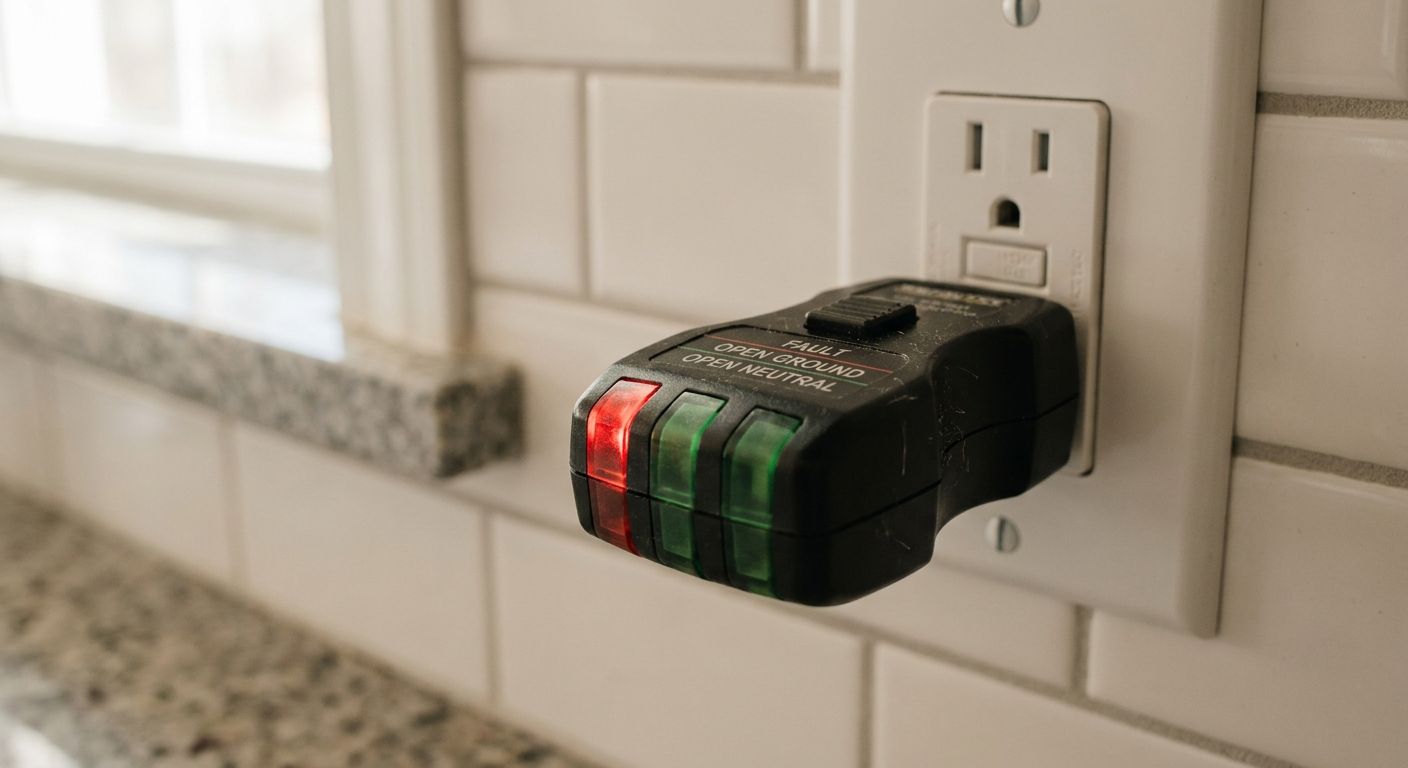
- What to Watch For: Check that outlets are grounded (three-prong) and actually function. If possible, locate the main electrical panel.
- Red Flags: Look for outdated fuse boxes (glass fuses) or panels with insufficient amperage (e.g., 60-amp service) for a modern family’s needs.
- The Implication: Rewiring a house or upgrading a panel is costly. Safety hazards like ungrounded outlets or knob-and-tube wiring may also make the home difficult to insure.
Adding Value: 7 Hidden Details to Check
Beyond the major systems, savvy agents can add immense value by spotting these seven nuanced issues that often fly under the radar until the inspection report comes back.
5. HVAC Age and Maintenance
The furnace and air conditioner are the lungs of the home. Replacing them is a significant capital expenditure.
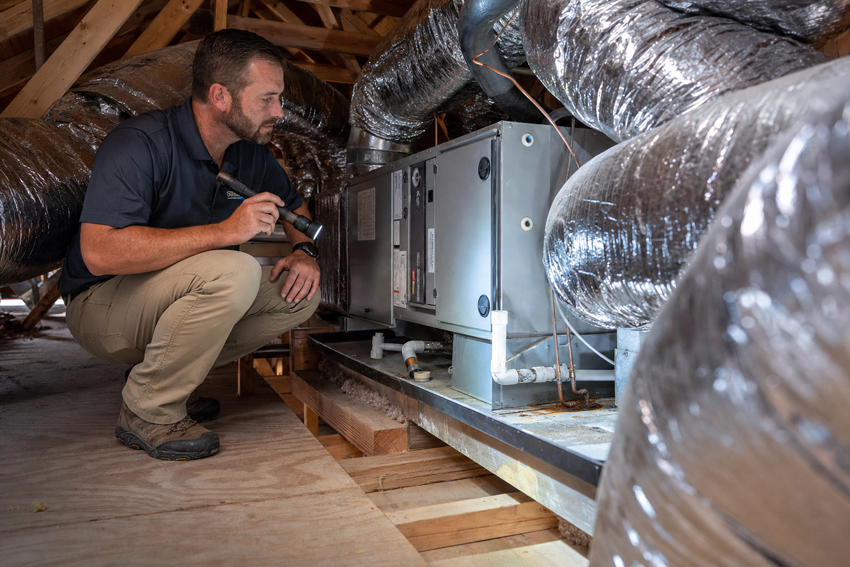
- The Check: Locate the manufacturing date sticker on the furnace and AC condenser. If the units are 15-20 years old, they are statistically nearing the end of their life.
- Red Flags: heavy rust on the units, odd rattling or banging noises while running, or a complete lack of service record stickers.
- Comfort Check: As you walk through the home, note if some rooms feel drastically hotter or colder than others. This often points to disconnected or poorly designed ductwork.
6. Window Condition
Windows are both aesthetic and functional; failing windows are massive energy wasters.
- The Check: Open and close a few windows in different rooms to ensure they don't stick, jam, or fall back down.
- Red Flags: Look for "foggy" glass or condensation trapped between double panes. This indicates a broken thermal seal, meaning the window has lost its insulating value. Also, check for soft, rotting wood on exterior frames and interior sills.
7. Grading and Drainage
Water management starts outside the house. If water isn't moving away from the foundation, it’s moving into it.
- The Check: Walk the perimeter and observe the ground slope. The soil should clearly slope away from the house.
- Red Flags: Negative grade (dirt sloping toward the foundation) directs runoff into the basement or crawlspace. Watch for standing water, soggy patches in the yard, or downspouts that dump water directly at the base of the wall.
8. Signs of Pests
Pests aren't just a nuisance; they destroy homes from the inside out.
- The Check: Scan corners, basements, and attics for subtle visual cues.
- Red Flags: Small piles of sawdust, known as frass, near wooden beams can indicate carpenter ants. Mud tubes running up the foundation are the classic signature of termites. Don't ignore mouse droppings inside kitchen cabinets or utility closets.
9. Odors and "Masking" Scents
Trust your nose. Your sense of smell is often the first detector of environmental hazards.
- The Check: Pay attention to the scent immediately upon entering the front door.
- Red Flags: Be suspicious of a heavy scent of air fresheners, plug-ins, scented candles, or bleach. This often signals an attempt to mask a problem usually mold, mildew, or pet urine. A musty smell in the basement is a strong indicator of moisture intrusion, even if the walls look dry.
10. Poor "DIY" Workmanship
In the era of house flippers and DIY renovation shows, not all upgrades are created equal.
- The Check: Look for inconsistencies in finishes, specifically in flipped homes or recent renovations.
- Red Flags: Gaps in trim, uneven tiling, doors that don't latch because they are misaligned, or shaky banisters.
- The Implication: If the visible cosmetic work is sloppy, it is highly likely that the hidden electrical or plumbing work behind the walls was done poorly and perhaps without a permit.
11. Attic Ventilation and Insulation
If the attic is accessible via a hatch or door, a quick peek can reveal roof health issues.
- The Check: Look up at the underside of the roof sheathing.
- Red Flags: Black stains on the wood often indicate mold caused by poor ventilation (trapped moisture). Ensure the insulation is evenly distributed and not matted down, wet, or missing in spots.
Conclusion
While you should never discourage a client from getting a professional home inspection, being able to spot these 11 issues during a showing positions you as a true expert and advocate. It allows you to have honest conversations about potential repair costs and offer strategies before the stakes are high.
However, once the professional inspection report comes back likely confirming your suspicions and finding new ones the real work begins. Interpreting those findings and negotiating repairs effectively is the next hurdle.
How InspectionResponse.com Can Help
Once the formal inspection is complete, turning a 50-page technical report into a clear, actionable repair request can be a time-consuming nightmare. This is where InspectionResponse.com transforms your workflow.
Instead of manually typing out repair requests or trying to remember the difference between a "foggy window seal" and a "broken sash," our AI-powered platform analyzes the inspection PDF for you. It automatically categorizes findings (like the 11 issues listed above) and generates professional repair request addendums in seconds.
InspectionResponse.com also provides instant cost and time estimates for repairs. If you spotted that aging HVAC system or the negative grading during the tour, our tool helps you quickly quantify the financial impact for your client, giving you the data you need to negotiate a price reduction or credit effectively.
Ready to streamline your post-inspection negotiations?
Try InspectionResponse.com today and turn complex reports into closing table victories.
Additional Resources
Briefing Document & Key Takeaways
Briefing: Proactive Defect Detection for Real Estate Professionals
Executive Summary
The provided analysis outlines a critical skill set for real estate agents: the ability to perform a preliminary visual assessment of a property to identify potential defects before a formal home inspection. This "pre-inspection eye" is not intended to replace a licensed inspector but serves as a crucial tool for managing client expectations, informing offer strategies, and avoiding wasted time and resources on properties with significant, costly flaws.
The core of this methodology is a focus on 11 key areas of concern. These are categorized into the "Big Four" major systems which represent the most expensive potential repairs: Foundation, Roof, Plumbing, and Electrical. Beyond these, seven other nuanced issues provide deeper insight into a home's condition, including HVAC age, window integrity, exterior drainage, signs of pests, telltale odors, poor DIY workmanship, and attic health. By spotting red flags in these areas during an initial showing, an agent can act as a more effective advocate, facilitating more informed decisions for their clients early in the transaction process.
The Strategic Value of a "Pre-Inspection Eye"
The central argument is that an agent who cultivates the ability to spot potential deal-breakers adds immense value to the client relationship. This proactive approach mitigates the frustration of a deal collapsing after a formal inspection report reveals major issues that could have been identified earlier.
• Managing Expectations: By pointing out potential issues during a showing, agents can have honest conversations with clients about potential future costs and the realities of owning a particular property.
• Informing Strategy: The discovery of significant red flags can influence offer strategies, potentially leading to a lower offer price to account for necessary repairs or a decision to walk away from the property altogether before investing in an inspection.
• Agent as Advocate: This skill positions the agent as a true expert and advocate, demonstrating a commitment to the client's best interests beyond the transactional aspects of a sale.
Analysis of Critical Structural and Systemic Flaws: The "Big Four"
The most significant and costly repairs typically fall within four primary categories. Early identification of issues in these areas is paramount.
1. Foundation Integrity
The foundation is the most critical structural component of a home, and repairs can be exceptionally expensive.
• Key Indicators: Agents should look for cracks in basement walls or exterior concrete wider than one-quarter of an inch.
• Interior Signs: Evidence of foundation problems inside the home includes uneven or sagging floors, drywall cracks originating from door frames, and doors or windows that stick and do not close properly.
• Implication: These symptoms suggest significant issues such as differential settlement or hydrostatic pressure, which necessitate evaluation by a structural professional.
2. Roof and Flashing Defects
A visual scan of the roof from the ground can reveal much about its condition and remaining lifespan.
• Key Indicators: Obvious red flags include missing or curled shingles, significant loss of granules creating "bald spots," and visible sagging in the roofline.
• Critical Areas: Special attention should be paid to the flashing around chimneys, vents, and valleys, as damaged flashing is a primary source of water intrusion.
• Implication: Water entry from a failing roof can cause rot, destroy insulation, and lead to mold growth long before interior ceiling stains become apparent.
3. Plumbing System Vulnerabilities
Water is a primary destructive force in a home, making the plumbing system a critical point of inspection.
• Key Indicators: Agents should physically test faucets for low water pressure and look under sinks for active drips, water stains, or warped cabinet floors.
• Material Concerns: The presence of outdated piping materials is a significant red flag. Galvanized steel is prone to corrosion, and polybutylene piping is known to burst.
• Implication: Persistent leaks lead to structural rot and mold. The replacement of entire plumbing supply lines or stacks is a major and expensive renovation.
4. Electrical System Deficiencies
Older homes often have electrical systems that are inadequate for modern power demands and may pose safety risks.
• Key Indicators: Check for the presence of three-prong, grounded outlets. A visual check of the main electrical panel is also recommended.
• Red Flags: Outdated fuse boxes that use glass fuses or panels with insufficient amperage, such as 60-amp service, are major concerns. The presence of knob-and-tube wiring is a safety hazard.
• Implication: Upgrading a service panel or completely rewiring a house is a costly project. Furthermore, outdated and unsafe electrical systems can make a home difficult or impossible to insure.
Examination of Nuanced Home Condition Indicators
Beyond the "Big Four," seven other areas can reveal hidden problems and significant future expenses.
5. HVAC Age and Performance
• Checks: Locate the manufacturing date on the furnace and AC condenser; units 15 to 20 years old are nearing the end of their service life. Heavy rust or unusual noises during operation are also warning signs.
• Implication: The absence of service records combined with advanced age suggests an imminent and significant capital expenditure for replacement. Drastic temperature differences between rooms can indicate inefficient or disconnected ductwork.
6. Window and Frame Condition
• Checks: Open and close several windows to test for proper function. Look for foggy condensation between double panes, which indicates a broken thermal seal and loss of insulating value.
• Implication: Failing windows are a major source of energy loss. Soft or rotting wood on frames and sills points to moisture damage that will require repair or replacement.
7. Exterior Grading and Drainage
• Checks: Walk the perimeter of the house to observe the ground slope. The soil must clearly slope away from the foundation to ensure proper water management.
• Implication: A negative grade, where the ground slopes toward the house, directs water into the basement or crawlspace. Standing water or downspouts terminating at the foundation wall are clear indicators of potential future water intrusion.
8. Evidence of Pest Infestation
• Checks: Scan basements, attics, and corners for signs of pests that can cause structural damage.
• Implication: Small piles of sawdust, or "frass," are a sign of carpenter ants. Mud tubes running up a foundation wall are a classic indicator of termites. Mouse droppings in cabinets or closets should not be ignored.
9. Olfactory Clues and Scent Masking
• Checks: The agent's sense of smell is a primary tool for detecting environmental issues. Be suspicious of an overwhelming scent of air fresheners, candles, or bleach upon entry.
• Implication: Heavy scents are often used to mask underlying problems like mold, mildew, or pet urine. A distinct musty smell, particularly in a basement, is a strong signal of moisture intrusion, even if surfaces appear dry.
10. Poor "DIY" Workmanship
• Checks: In flipped or recently renovated homes, look for inconsistencies and sloppy finishing work.
• Implication: Gaps in trim, uneven tile work, misaligned doors, and shaky banisters are cosmetic flaws that suggest the hidden work, such as plumbing and electrical, was also likely done poorly and potentially without the required permits.
11. Attic Health: Ventilation and Insulation
• Checks: If accessible, a quick look into the attic can be very revealing. Check the underside of the roof sheathing for stains and inspect the insulation.
• Implication: Black stains on the wood are a common sign of mold caused by trapped moisture from poor ventilation. Insulation that is matted down, wet, or missing in spots compromises the home's energy efficiency and can indicate roof leaks.
Conclusion
Developing the ability to identify these 11 potential defects during initial showings empowers real estate agents to provide a higher level of service. It allows for transparent, informed conversations about a property's true condition and potential costs before a client is emotionally and financially committed. While this preliminary assessment never replaces a professional home inspection, it is an invaluable tool for advocacy. The insights gained from this process provide a strong foundation for the next phase: interpreting the formal inspection report and effectively negotiating on the client's behalf.
Study Guide
Study Guide for "The Agent’s Guide to Detecting Hidden Home Defects"
Short Answer Quiz
Instructions: Answer the following questions in two to three sentences based on the information provided in the source material.
1. What is the core purpose of an agent developing a "pre-inspection eye," and what are its limitations?
2. Identify the "Big Four" categories of expensive home repairs and explain why they are considered the pillars of a home's health.
3. What specific interior signs could indicate significant foundation issues, and what underlying problems do they suggest?
4. Besides missing or curled shingles, what critical area of a roof should be checked for defects and why is it so important?
5. What are two outdated plumbing materials mentioned in the guide, and what are the associated risks for each?
6. When inspecting an electrical panel, what are two red flags that suggest the system may be outdated or insufficient for modern needs?
7. What does condensation or "fog" between the panes of a double-pane window signify, and what is the functional consequence of this defect?
8. Explain the concept of "negative grade" and describe the potential damage it can cause to a home.
9. According to the guide, why should an agent be suspicious of a home filled with the heavy scent of air fresheners, and what problems might this be masking?
10. If an agent observes poor "DIY" workmanship on visible cosmetic updates, what larger implication can be inferred about the home's condition?
Answer Key
1. The purpose of a "pre-inspection eye" is to spot potential deal-breakers early in the process, allowing an agent to manage client expectations or adjust an offer strategy. However, an agent is not a licensed inspector, so this preliminary check does not replace a formal, professional home inspection.
2. The "Big Four" are the Foundation, Roof, Plumbing, and Electrical systems. They are considered pillars of a home's health because repairs in these four categories are typically the most expensive and technically complex.
3. Interior signs of foundation issues include uneven floors, cracks in drywall radiating from door frames, and doors or windows that stick. These symptoms often point to serious structural problems like differential settlement or hydrostatic pressure.
4. The flashing around chimneys, plumbing vents, and valleys is a critical area to inspect. Damaged flashing is a primary entry point for water, which can lead to rot and mold long before a ceiling stain becomes visible.
5. The guide identifies galvanized steel and polybutylene as outdated plumbing materials. Galvanized steel is prone to corrosion, while polybutylene is known for being prone to bursting.
6. Two red flags in an electrical system are outdated fuse boxes that use glass fuses and main panels with insufficient amperage, such as 60-amp service. These indicate the system may be unable to handle modern electrical demands and could pose a safety hazard.
7. Condensation or fog between window panes indicates that the thermal seal is broken. The functional consequence is that the window has lost its insulating value, leading to significant energy waste.
8. "Negative grade" refers to when the ground or soil slopes toward the home's foundation instead of away from it. This is a problem because it directs rainwater and runoff directly into the basement or crawlspace, leading to moisture intrusion.
9. An agent should be suspicious of heavy air freshener scents because this often signals an attempt to mask a persistent underlying odor. The problems being covered up are typically mold, mildew, or pet urine.
10. If visible work like trim or tiling is sloppy, it is highly likely that the hidden work, such as electrical or plumbing, was also done poorly. This suggests that recent renovations may have been completed without the proper permits or professional skill.
Essay Questions
Instructions: The following questions are designed for a more in-depth exploration of the source material. Construct a detailed essay format response for each prompt.
1. Discuss the role of water as the "enemy of a house" by tracing its potential paths of destruction. Use specific examples from the text regarding roofing, flashing, plumbing, and exterior grading to illustrate how water intrusion can lead to major defects.
2. Explain the difference between a major system defect (one of the "Big Four") and a more nuanced "hidden detail." Why is it valuable for an agent to be able to spot both types of issues during an initial home tour?
3. Analyze the connection between visible cosmetic issues and hidden structural problems. Using the examples of poor "DIY" workmanship, uneven floors, and drywall cracks, explain how surface-level observations can serve as indicators of much deeper and more expensive defects.
4. The guide emphasizes using multiple senses during a home walkthrough. Describe how an agent can use their sense of sight, touch, and smell to detect potential problems, providing specific examples for each sense from the text.
5. Imagine you are an agent advising a client who is touring an older home. Based on the guide, create a checklist of the top five things you would proactively check and explain to your client the potential financial and safety implications of each item.
Glossary of Key Terms
• Differential Settlement: A structural issue where parts of a home's foundation settle at different rates, often indicated by uneven floors, sticking doors, and cracks radiating from door frames.
• Flashing: Material, typically metal, used to prevent water from entering at joints or angles on a roof, such as around chimneys and vents. Damaged flashing is a primary source of leaks.
• Frass: Small piles of sawdust-like material that indicate the presence of wood-boring pests, such as carpenter ants.
• Galvanized Steel: An older type of plumbing pipe that is known to corrode from the inside out over time.
• Grounded Outlets: Modern three-prong electrical outlets that provide a path for electricity to be safely discharged, reducing the risk of shock. Their absence can be a safety and insurance issue.
• Hydrostatic Pressure: The pressure exerted by groundwater against foundation walls. It can cause significant cracks and moisture intrusion in basements.
• Mud Tubes: Tunnels made of soil and wood particles built by termites to travel from the ground up a foundation wall to access the wooden structure of a home. They are a classic sign of a termite infestation.
• Negative Grade: A condition where the ground slopes toward a house's foundation, directing water runoff into the basement or crawlspace instead of away from the structure.
• Polybutylene: A type of plastic plumbing pipe used in past decades that is now known to be prone to bursting unexpectedly.
• Thermal Seal: The seal that encloses the gas between the panes of a double-pane window. A broken seal, indicated by fog or condensation, means the window has lost its insulating properties.
Frequently Asked Questions
1. Why is it so important to identify potential home defects before the formal inspection?
The core frustration for both agents and buyers is discovering major, costly issues only after an offer has been accepted and everyone is emotionally invested in the home. Identifying potential defects early on is a strategic advantage that elevates your value as an agent.
By spotting critical issues during the initial tour, you can immediately manage your client's expectations about the property's true condition. This early insight allows you to adjust offer strategies perhaps building in room for necessary repairs or, in more serious cases, advise your client to walk away before they spend hundreds of dollars on a formal inspection report for a house with obvious deal-breakers.
Your role isn't to be a licensed inspector, but to act as the first line of defense. By spotting these clear red flags, you add significant value, protect your client's interests, and streamline the entire home-buying process. This proactive approach starts with knowing exactly where to focus your attention first.
2. What are the "Big Four" issues that represent the most significant financial risks?
The "Big Four" represent the pillars of a home's health. These systems are often the most complex and expensive to repair or replace, and any significant issues within them can quickly turn a dream home into a financial nightmare. When you walk through a property, your initial scan should always focus on these core areas.
The "Big Four" are:
• Foundation: Represents the home's core structural integrity. Failure poses an existential and astronomically expensive threat to the entire structure.
• Roof: The home's primary shield against water intrusion. Failure leads to widespread rot, mold, and costly interior damage.
• Plumbing: The home's circulatory system. Failure can cause destructive hidden leaks, while outdated materials often require an invasive, full-system replacement.
• Electrical: The home's nervous system. Outdated systems pose significant fire and safety hazards and often require expensive, whole-house upgrades.
Major repairs in any of these four categories are frequently deal-breakers due to their high cost. Understanding how to spot the early warning signs in these areas is crucial, starting with the most critical system of all: the foundation.
3. How can I spot signs of a serious foundation problem without being a structural engineer?
The foundation is arguably the most critical component of a house, and repairs can be "astronomically expensive." While you aren't expected to perform a structural analysis, you can easily spot the common warning signs of significant movement or pressure that warrant a professional evaluation.
Exterior and Basement Clues:
• Look for cracks in the basement walls or the exterior concrete foundation that are wider than a quarter of an inch. While hairline cracks can be normal, wider separations suggest a more serious issue.
Interior Red Flags:
• Notice any uneven or sagging floors as you walk through the home.
• Look for drywall cracks, especially those radiating from the corners of door and window frames.
• Physically check if doors or windows stick, are difficult to open, or won't latch properly, as this can be a sign that the frame is no longer square due to foundation movement.
These symptoms often point to significant structural issues like differential settlement (where parts of the foundation sink at different rates) or hydrostatic pressure from groundwater. Spotting these signs allows you to advise your client that a professional structural evaluation is a necessary next step. From structural issues below, we now turn to water-related issues that can come from above and within the home.
4. What are the most common indicators of water-related problems throughout a property?
There is a simple truth in home maintenance: "Water is the enemy of a house." Water intrusion is a destructive force that can come from multiple sources, leading to severe damage like structural rot and hazardous mold. A savvy agent knows to look for evidence of water problems from both the building's envelope and its internal systems.
From the Top Down: The Roof From the ground, scan the roof for obvious signs of aging, such as missing, curled, or buckling shingles. Look for "bald spots" where the protective granules have worn away. Most importantly, pay close attention to the flashing the metal seals around chimneys, vents, and valleys in the roofline. Damaged flashing is one of the most common entry points for water, allowing it to seep into the attic and walls long before a stain appears on a ceiling.
From the Inside Out: Plumbing Inside the home, check for plumbing red flags. Turn on faucets to test for low water pressure, which can indicate corroded pipes. Look under every sink for visible drips, water stains, or warped cabinet bottoms. Take note of the piping material if visible; outdated materials like galvanized steel (prone to corrosion) or polybutylene (prone to bursting) signal that a costly re-piping project may be in the buyer's future.
5. What electrical system red flags should I look for, particularly in older homes?
Older electrical systems were not designed to handle the demands of modern life, creating both functional limitations and serious safety issues. A few quick checks can help you identify a system that is outdated and potentially hazardous.
Look for these primary warning signs during your walkthrough:
• Ungrounded Outlets: Many older homes have two-prong outlets that lack a ground wire, which is a modern safety essential.
• Outdated Fuse Boxes: A panel that still uses round, screw-in glass fuses instead of modern circuit breakers is a clear sign of an antiquated system.
• Insufficient Amperage: Locate the main electrical panel and check its capacity. A 60-amp service, common in older homes, is generally insufficient for a modern family's needs and will likely require a costly upgrade.
The direct implication of these red flags is significant cost. Upgrading an electrical panel or, in a worst-case scenario, rewiring an entire home is an expensive project. Furthermore, significant safety hazards like ungrounded outlets or old knob-and-tube wiring can make the property difficult or more expensive to insure.
6. How can I quickly assess the age and condition of the home's HVAC system?
The furnace and air conditioner are major capital expenditures. The unexpected failure of either unit can be a significant financial blow to a new homeowner. A quick assessment during a showing can help your client anticipate this potential cost.
Follow this simple guide for a quick HVAC assessment:
• Check the Age: Locate the manufacturing date sticker on both the furnace (usually in a basement or utility closet) and the exterior AC condenser. If a unit is over 15-20 years old, it is statistically near the end of its reliable service life.
• Look for Red Flags: Visually inspect the units for signs of neglect, such as heavy rust on the casings. If the system is running, listen for odd rattling or banging noises. A lack of service record stickers on the unit can also suggest inconsistent maintenance.
• Perform a "Comfort Check": As you walk through the house, be mindful of the temperature. Drastic differences between rooms one being much hotter or colder than another can indicate disconnected or poorly designed ductwork.
7. How does the property's exterior drainage affect the home's health?
Effective water management begins outside the house. If rainwater and snowmelt aren't actively channeled away from the foundation, they will inevitably find a way into it, leading to a wet basement, crawlspace, and potential foundation damage.
Walk the perimeter of the home and observe the grading. The ground should clearly slope away from the foundation. Red flags include negative grading where the ground slopes toward the house, soggy patches in the yard, or downspouts that dump water directly at the base of the foundation. These are not minor landscaping issues; they are fundamental flaws in the home's defense against water.
8. Beyond major systems, what subtle clues like smells or pests can signal deeper issues?
A savvy agent uses all their senses during a walkthrough, because some of the most significant problems are first detected through subtle, non-structural clues that others might miss. Paying attention to odors, pests, and hidden spaces like the attic can reveal a great deal about a home's health.
Trust Your Nose Be highly suspicious of any home overwhelmed by the scent of air fresheners, scented candles, plug-ins, or bleach. This is a classic red flag that the seller may be attempting to mask a serious underlying problem, such as mold, mildew, or persistent pet urine odors. A distinct musty smell, particularly in a basement or crawlspace, is a strong indicator of ongoing moisture intrusion, even if the walls and floor appear dry.
Look for Signs of Pests Pests are more than a nuisance; they can cause significant structural damage. Keep an eye out for their tell-tale signs. Small, unexplained piles of sawdust (known as "frass") near wooden beams can indicate a carpenter ant infestation. Thin mud tubes running up the foundation walls from the ground are the classic signature of termites. Finally, don't ignore mouse droppings in kitchen cabinets, pantries, or utility closets.
Inspect the Attic If the attic is safely accessible, a quick look can be very informative. Scan the underside of the roof sheathing for any large, black stains; this often indicates mold growth caused by poor ventilation and trapped moisture. Also, check the insulation to ensure it is evenly distributed and not matted down, wet, or missing in spots, as this can lead to energy loss and other issues.
9. What does poor cosmetic or "DIY" workmanship imply about a house's overall condition?
In an era of house flipping and DIY renovations, it's crucial to remember that not all upgrades are created equal. Visible sloppiness in cosmetic finishes is often a strong indicator of deeper, hidden problems with more critical systems. The critical implication here is simple: if the work you can see is sloppy, it is highly probable that the more important work you can't see like plumbing and electrical behind the walls was also done poorly and perhaps without a permit.
Look for these tell-tale signs of poor-quality work:
• Noticeable gaps in trim work or baseboards.
• Uneven, poorly laid, or improperly grouted tiling in kitchens and bathrooms.
• Interior doors that are misaligned and do not latch properly.
• Shaky or unstable banisters and handrails.
Ultimately, your ability to spot these issues before the formal inspection positions you as a knowledgeable advocate for your client. These pre-inspection skills are about protecting their interests and empowering them to make a more informed decision long before the professional inspector ever steps foot on the property.