Mastering the Buyer's Inspection Response: A Guide
Podcast Overview

The home inspection is complete. You and your client have walked through the property, poked around the attic, tested the faucets, and now you are staring at a detailed 50-page PDF report filled with photos, technical jargon, and red flags. The excitement of having an offer accepted often gives way to anxiety during this phase. Now comes one of the most critical pivots in the entire real estate transaction: The Inspection Response.
For new agents and first-time homebuyers, this step can be confusing. What exactly is an inspection response? Is it a wish list? A demand? A deal-breaker?
In this guide, we will demystify the real estate inspection response from a buyer to a seller. We will explore what it is, how to craft a strategic response, and how to use this document to protect the buyer's investment without killing the deal.
What Exactly is an Inspection Response?
In the simplest terms, a real estate inspection response is a formal document provided by the buyer to the seller after reviewing the home inspection report. Depending on your state or region, this document might be called a Repair Addendum, a Buyer’s Inspection Notice and Seller’s Response (BINSR), a Treatment, Repairs, and Replacements (TRR) form, or simply an Inspection Objection.
Regardless of the name, the function remains the same. It is the vehicle through which the buyer communicates their intentions regarding the property’s condition. Generally, the buyer has three primary options during this window:
- Accept the Property "As-Is": The buyer is satisfied with the condition of the home (or the issues are minor enough to ignore) and chooses to move forward without asking for any repairs or credits.
- Cancel the Contract: If the inspection uncovers major structural issues, safety hazards, or system failures that are too costly or risky to address, Sometimes, the buyer may exercise their contingency to walk away from the deal and recover their earnest money. Please consult your REALTOR® or attorney for specific guidance in regards to cancelling your contract and recovering earnest money.
- Negotiate Repairs or Credits: This is the most common path. The buyer submits a request asking the seller to fix specific items, reduce the sales price, or provide a closing cost credit in lieu of repairs.
The "Big Three" Categories of Inspection Findings
When creating an inspection response, it is vital to distinguish between actionable defects and minor inconveniences. A common mistake buyers make is treating the inspection response like a "honey-do" list for the seller.
To maintain leverage in negotiations, focus your response on these three categories:
1. Health and Safety Issues
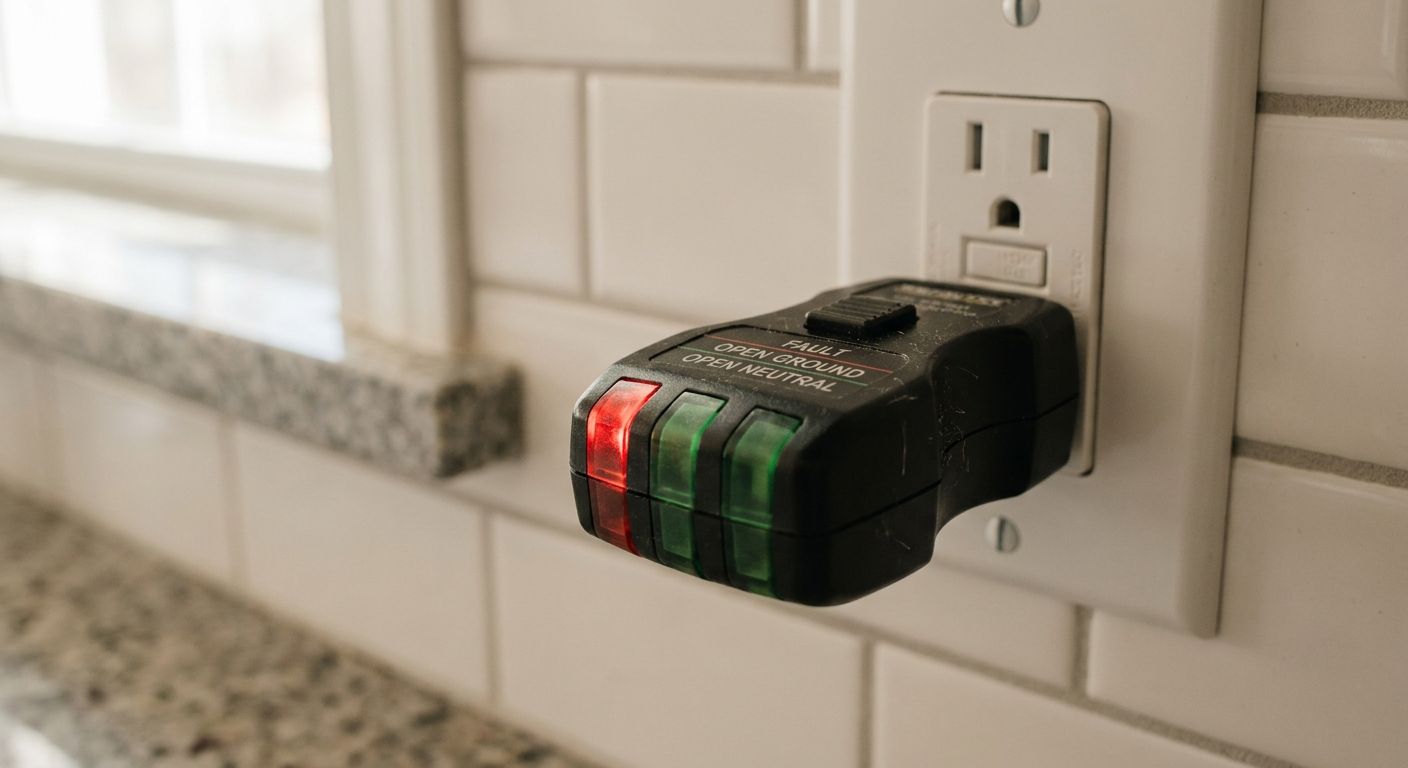
These are non-negotiables for most buyers. They include active mold, radon levels above EPA standards, exposed electrical wiring, lead paint, gas leaks, or lack of working smoke detectors. These issues pose an immediate threat to the occupants and are often required to be fixed for the home to be insurable or financeable.
2. Structural and Major Systems
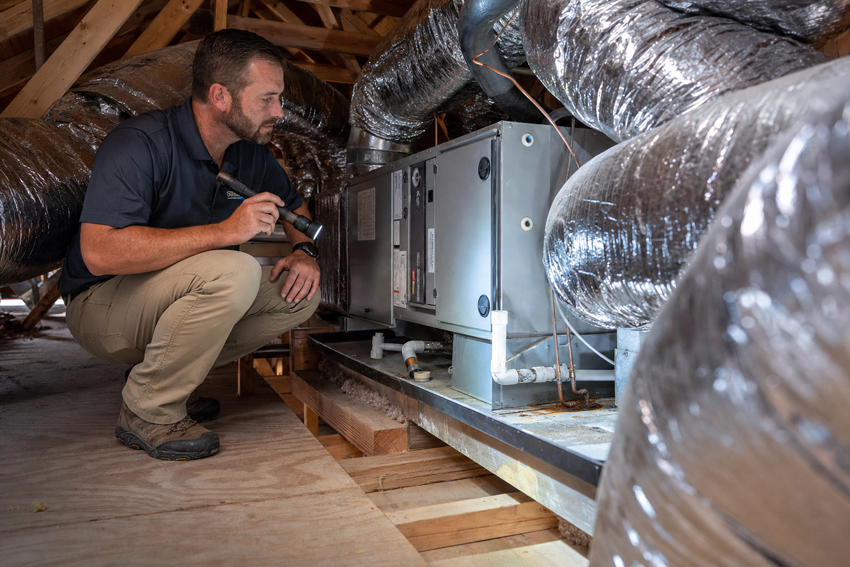
This category involves the "bones" and "vital organs" of the house. We are talking about the foundation, roof, HVAC system, plumbing lines, and electrical panels. If the roof is at the end of its life or the furnace has a cracked heat exchanger, these are high-dollar items that legitimately warrant a conversation about repairs or price reductions.
3. Wood Destroying Organisms (WDO)
Termites, carpenter ants, and wood rot fall into this category. In many states, a clear pest inspection is required by the lender. If active infestation or damage is found, it almost always needs to be addressed in the inspection response.
Repairs vs. Credits: Which is Better?
When drafting the inspection response, you will often face the strategic decision of asking for repairs (having the seller fix it before closing) or credits (seller concessions/price reduction).
Asking for Repairs:
- Pros: The work is done before the buyer moves in. The buyer doesn't have to manage contractors immediately after closing.
- Cons: The seller is motivated by cost, not quality. They may hire the cheapest handyman rather than a specialist. The repair might be done poorly, leading to disputes during the final walk-through.
Asking for Credits (Seller Concessions):
- Pros: The buyer receives the money to hire their own trusted contractors. The buyer controls the quality of materials and workmanship. It simplifies the closing process as there is no need to re-inspect repairs.
- Cons: The buyer must handle the logistics of repairs after moving in. Lenders may have caps on how much credit a buyer can receive for closing costs.
Pro-Tip: For complicated issues like electrical work or foundation repair, a credit is often safer. For straightforward items like servicing an HVAC unit or pumping a septic tank, asking the seller to perform the work is usually acceptable.
Best Practices for Drafting the Response
A poorly written inspection response can lead to confusion, delays, or a rejected offer. Here is how to ensure your response is professional and effective:
- Be Specific: Don't just say "Fix the sink." Say, "Repair the leak in the P-trap under the primary bathroom sink to ensure it is watertight."
- Reference the Report: Cite the specific page number and item number from the inspection report. This helps the seller identify exactly what you are talking about.
- Require Licensed Professionals: Always include language stating that "All repairs must be completed by a licensed and bonded contractor in the appropriate trade," and require receipts/invoices as proof of work.
- Keep it Clean: Avoid cluttering the response with cosmetic items like cracked switch plates, chipped paint, or loose doorknobs. Stick to the material defects to keep the seller amenable to the big asks.
The Emotional Aspect of the Response
It is important to remember that a home sale is an emotional transaction. The seller likely has lived in the home for years and may not see the "defects" the same way an inspector does.
When a buyer sends a laundry list of demands, the seller can feel insulted or defensive. As a real estate agent, your job is to strip the emotion out of the document. By presenting the inspection response as a factual, safety-focused document rather than a critique of the seller's home maintenance, you increase the chances of a positive outcome.
Dealing with "As-Is" Properties
Even if a property is listed "As-Is," the inspection response is still relevant. "As-Is" generally means the seller is stating upfront they do not intend to make repairs. However, it does not strip the buyer of their right to inspect.
If an inspection reveals a catastrophic issue (e.g., a $20,000 foundation crack) that was not previously disclosed, the buyer can still attempt to negotiate. The seller may refuse, but they also know that if the deal falls through, they will likely have to disclose that material fact to the next buyer, potentially lowering the home's value anyway.
Conclusion
The real estate inspection response is more than just paperwork; it is a strategic negotiation tool. It protects the buyer from inheriting expensive headaches and ensures the property is safe and habitable. By understanding what to ask for, how to phrase it, and whether to seek repairs or credits, agents and buyers can navigate this hurdle smoothly and get one step closer to the closing table.
How InspectionResponse.com Can Help
Drafting a precise, professional inspection response used to take hours of copying and pasting from PDFs, deciphering inspector notes, and researching repair costs. InspectionResponse.com changes that entirely.
Our AI-driven platform analyzes your inspection report in moments, categorizing findings into clear, actionable items.
- Automated Repair Requests: With a few clicks, you can select the items you want to address, and our system generates a professional repair addendum with clear, specific language that protects your client.
- Cost & Time Estimates: Not sure what a repair is worth? InspectionResponse.com provides estimated costs and timeframes for repairs, empowering you to negotiate for accurate credit amounts rather than guessing.
- Client Communication: Simplify the decision-making process for your buyers. Our interactive tools help you present findings clearly, separating major safety issues from minor cosmetic flaws, so your client feels confident in their decisions.
Stop struggling with manual data entry and vague repair requests. Streamline your workflow and negotiate with data-backed confidence. Learn more about how InspectionResponse.com can transform your inspection response process at https://inspectionresponse.com.
Additional Resources
Briefing Document & Key Takeaways
Briefing Document: The Real Estate Inspection Response
Executive Summary
The real estate inspection response is a formal, strategic negotiation tool used by a buyer to communicate their intentions to a seller following a home inspection. It is not merely administrative paperwork but a critical pivot point in a real estate transaction. The buyer's core options are to accept the property "as-is," cancel the contract based on the findings, or, most commonly, negotiate for repairs or financial credits. To maintain negotiating leverage, the response should be focused on three critical categories of defects: Health and Safety Issues, Structural and Major System Failures, and the presence of Wood Destroying Organisms. A key strategic decision is whether to request that the seller perform repairs or to ask for credits/concessions, with credits often being the safer option for complex issues as they give the buyer control over the quality of the work. An effective response is specific, references the inspection report directly, requires licensed professionals for all work, and avoids emotional language or minor cosmetic complaints. This approach protects the buyer's investment and safety without jeopardizing the deal by appearing overly demanding or critical of the seller's property.
The Function and Purpose of the Inspection Response
The inspection response is the formal document through which a buyer communicates their position regarding a property's condition after reviewing a professional home inspection report. While the name of the document can vary by region such as Repair Addendum, Buyer’s Inspection Notice and Seller’s Response (BINSR), or Inspection Objection its function is universal. It formally presents the buyer's decision on how to proceed with the transaction in light of the inspection's findings.
Following the inspection, the buyer generally has three primary courses of action available:
• Accept the Property "As-Is": The buyer decides that the issues uncovered are minor or acceptable and chooses to proceed with the purchase without requesting any remedies from the seller.
• Cancel the Contract: If the inspection reveals major structural problems, safety hazards, or system failures that are too significant or costly, the buyer may use their inspection contingency to terminate the contract. Exercising this option allows the buyer to walk away from the deal and, typically, recover their earnest money, although professional legal or real estate guidance is advised.
• Negotiate Repairs or Credits: This is the most frequent outcome. The buyer submits a formal request asking the seller to address specific issues by either performing repairs, reducing the purchase price, or providing a credit at closing to cover future repair costs.
Strategic Focus for Negotiation: The "Big Three"
A common error in drafting an inspection response is to treat it as an exhaustive "honey-do" list for the seller, including minor cosmetic issues. This approach can weaken the buyer's negotiating position and alienate the seller. To maintain leverage and focus on what truly matters, the response should prioritize three critical categories of findings.
• Health and Safety Issues: These are typically non-negotiable items that pose a direct threat to occupants. They must be addressed to ensure the home is safe, insurable, and financeable. Examples include:
◦ Active mold growth
◦ Radon levels exceeding EPA standards
◦ Exposed electrical wiring or other electrical hazards
◦ The presence of lead paint
◦ Gas leaks
◦ Non-functional or missing smoke detectors
• Structural and Major Systems: This category concerns the fundamental components of the house its "bones" and "vital organs." These are often high-cost items that significantly impact the home's value and functionality. Key examples are:
◦ Foundation issues, such as significant cracks
◦ A roof that is at the end of its functional life
◦ Failures in the HVAC system, like a cracked heat exchanger in a furnace
◦ Major plumbing or electrical panel problems
• Wood Destroying Organisms (WDO): This includes active infestations or damage from termites, carpenter ants, or wood rot. In many regions, lenders require a clear pest inspection report before approving a mortgage, making the remediation of WDO issues a near-universal requirement.
Decision Analysis: Repairs vs. Credits
When requesting a remedy, buyers face a strategic choice between asking the seller to perform the repairs before closing or asking for a financial credit (concession or price reduction) to address the issues after taking possession. Each option has distinct advantages and disadvantages.
Asking for Repairs
• Pros: The primary benefit is that the work is completed before the buyer moves in, avoiding the hassle of managing contractors immediately after closing.
• Cons: The seller's motivation is typically to minimize cost, not maximize quality. This can lead to them hiring the cheapest available contractor, resulting in subpar work. Poorly executed repairs can lead to disputes during the final walk-through.
Asking for Credits or Seller Concessions
• Pros: This option gives the buyer complete control. They receive the funds to hire their own trusted, qualified contractors, ensuring the quality of materials and workmanship meets their standards. It also simplifies the pre-closing process by eliminating the need to verify or re-inspect the seller's repairs.
• Cons: The buyer is responsible for managing the logistics of the repairs after the sale closes. Additionally, lenders may place limits or caps on the total amount of credit a buyer can receive towards closing costs.
A recommended approach is to request credits for complex or critical tasks like foundation or electrical work, ensuring quality control. For more straightforward items, such as servicing an HVAC unit or pumping a septic tank, asking the seller to perform the work is generally an acceptable and lower-risk request.
Best Practices for Drafting an Effective Response
The clarity and professionalism of the inspection response can significantly influence the outcome of the negotiation. To ensure the document is effective and minimizes the potential for confusion or rejection, the following practices are essential:
• Be Specific: Vague requests create ambiguity. Instead of "Fix the sink," a response should state, "Repair the leak in the P-trap under the primary bathroom sink to ensure it is watertight."
• Reference the Report: To eliminate any confusion about which issue is being addressed, every request should cite the specific page and item number from the official inspection report.
• Require Licensed Professionals: The response should always include language stipulating that "All repairs must be completed by a licensed and bonded contractor in the appropriate trade." It is also crucial to require the seller to provide receipts or invoices as proof of completed work.
• Keep it Clean: The response should be focused and uncluttered. Including minor cosmetic issues like chipped paint, cracked switch plates, or loose doorknobs can dilute the impact of more significant requests and make the seller less amenable to negotiations on high-cost items.
Managing the Transaction's Emotional Dynamics
A home sale is an emotional process for both parties. A seller often has a personal attachment to the property and may not view the issues identified by an inspector as "defects." A lengthy and demanding inspection response can be perceived as a personal critique of their home maintenance, causing them to become defensive or insulted.
The role of a real estate professional is to remove emotion from this phase of the transaction. By framing the inspection response as a factual, safety-focused document based on an expert's objective findings, the likelihood of a positive and collaborative outcome increases significantly.
Navigating "As-Is" Properties
A property listed "As-Is" still warrants an inspection, and the inspection response remains a relevant tool. The "As-Is" designation typically signifies the seller's upfront intention not to perform repairs. However, it does not waive the buyer's right to conduct a thorough inspection.
If the inspection uncovers a previously undisclosed, catastrophic issue for example, a foundation crack requiring a $20,000 repair—the buyer can still use the inspection response to attempt a negotiation. While the seller can refuse, they are also aware that if the current deal collapses, they will likely be required to disclose this newly discovered material defect to all future potential buyers, which could negatively impact the property's market value.
Study Guide
Real Estate Inspection Response: A Study Guide
Quiz: Short-Answer Questions
Instructions: Answer the following questions in two to three sentences based on the provided source material.
1. What is the primary function of a real estate inspection response?
2. After reviewing a home inspection report, what three main options does a buyer typically have?
3. What are the "Big Three" categories of inspection findings that a buyer should focus on to maintain negotiating leverage?
4. Explain the key difference in motivation between a seller making a repair and a buyer using a credit to hire their own contractor.
5. What are the primary advantages for a buyer when asking for seller concessions or credits instead of direct repairs?
6. What specific language should be included in an inspection response to ensure repairs are done to a professional standard?
7. How does the emotional aspect of a home sale affect the inspection response process, and what is the agent's role in managing it?
8. Why is it strategically important to avoid including minor, cosmetic items in an inspection response?
9. What does it mean when a property is listed "As-Is," and does this eliminate the buyer's right to inspect?
10. For what types of issues are credits generally considered a safer option than requesting repairs?
Answer Key
1. A real estate inspection response is a formal document a buyer provides to a seller after a home inspection. Its primary function is to serve as the vehicle through which the buyer communicates their intentions regarding the property's condition, whether they accept it, cancel the contract, or wish to negotiate.
2. The three primary options for a buyer are to accept the property "As-Is" without requesting any changes, to cancel the contract based on their inspection contingency if major issues are found, or to negotiate for repairs or credits to address specific defects uncovered in the report.
3. To maintain leverage, a buyer should focus their response on the "Big Three" categories: Health and Safety Issues (like mold or radon), Structural and Major Systems (like the roof, foundation, or HVAC), and Wood Destroying Organisms (like termites or wood rot).
4. A seller making a repair is primarily motivated by cost and may hire the cheapest option available. In contrast, a buyer using a credit is motivated by quality and can hire their own trusted contractors to control the workmanship and materials used for the repair.
5. The primary advantages of asking for credits are that the buyer can control the quality of the work by hiring their own contractors and it simplifies the closing process by eliminating the need to re-inspect repairs. The buyer receives the funds to manage the repairs on their own timeline after the sale is complete.
6. To ensure repairs are done properly, the response should always include language specifying that "All repairs must be completed by a licensed and bonded contractor in the appropriate trade." The buyer should also require the seller to provide receipts or invoices as proof of the completed work.
7. A seller may feel insulted or defensive when presented with a list of defects in a home they have lived in. The agent's role is to strip the emotion from the process by presenting the response as a factual, safety-focused document rather than a critique of the seller's maintenance, thereby increasing the chance of a positive outcome.
8. It is strategically important to avoid cluttering the response with cosmetic items like chipped paint or loose doorknobs. Sticking to material defects keeps the seller amenable and focused on the more significant, high-cost requests rather than feeling overwhelmed by a long "honey-do" list.
9. An "As-Is" listing generally means the seller does not intend to make any repairs. However, it does not remove the buyer's right to perform an inspection and, if a catastrophic issue is found, the buyer can still attempt to negotiate or walk away.
10. According to the text, a credit is often the safer option for complicated issues requiring a specialist, such as electrical work or foundation repair. Asking the seller to perform more straightforward tasks, like servicing an HVAC unit, is usually considered acceptable.
Essay Questions
Instructions: Consider the following prompts and formulate a detailed essay-style response using only information and concepts from the source material.
1. Discuss the strategic considerations a buyer must weigh when deciding between asking for repairs versus credits. Use examples of different types of defects mentioned in the text to illustrate when one path might be more advantageous than the other.
2. Analyze the role of the real estate agent in managing both the technical and emotional aspects of the inspection response process, from drafting the document to communicating with the seller's side.
3. Explain why focusing on the "Big Three" categories is a critical strategy for maintaining negotiating leverage. How does this approach prevent the seller from becoming defensive and increase the likelihood of a successful negotiation?
4. Using the information provided, construct an argument for why a buyer should always perform an inspection and submit a response, even when a property is explicitly listed "As-Is."
5. Describe the key elements of a well-drafted, professional inspection response. Explain how each element from specificity and report references to the exclusion of cosmetic items contributes to a clear and effective negotiation tool.
Glossary of Key Terms
• "As-Is": A term indicating the seller's upfront intention not to make repairs to the property. It does not, however, strip the buyer of their right to perform an inspection.
• Contingency: A condition in a real estate contract that must be met for the deal to proceed. An inspection contingency allows the buyer to back out of the deal if the inspection reveals unacceptable issues.
• Credits (Seller Concessions): An agreement where the seller provides the buyer with a sum of money, typically as a reduction in the sales price or a credit toward closing costs, in lieu of performing repairs themselves.
• Earnest Money: A deposit made by a buyer to a seller to demonstrate good faith in a real estate transaction. If the buyer cancels the contract under their contingency, this money is typically recovered.
• Health and Safety Issues: A category of major inspection findings that pose an immediate threat to occupants. Examples include active mold, high radon levels, exposed wiring, gas leaks, and lead paint.
• Inspection Objection: An alternative name for a real estate inspection response, highlighting its function as the buyer's formal objection to certain conditions of the property.
• Inspection Response: A formal document provided by the buyer to the seller after a home inspection. It communicates the buyer's decision to accept the property as-is, cancel the contract, or negotiate for repairs or credits. It may also be called a Repair Addendum, BINSR, or TRR form.
• Material Defects: Significant issues with a property's condition, particularly those related to health, safety, structural integrity, or major systems, as opposed to minor cosmetic flaws.
• Structural and Major Systems: A category of major inspection findings related to the "bones" and "vital organs" of a house. This includes the foundation, roof, HVAC system, major plumbing lines, and electrical panels.
• Wood Destroying Organisms (WDO): Pests such as termites, carpenter ants, or issues like wood rot that can compromise the structural integrity of a home. A clear WDO inspection is often required by lenders.
Frequently Asked Questions
1. What is a real estate inspection response?
The inspection response is the primary vehicle for exerting leverage and defining the terms of the final agreement between a buyer and a seller post-inspection. While the formal name of this document can vary significantly by region, its fundamental purpose remains constant: to clearly and formally articulate the buyer's position and intentions regarding the property's condition.
In its simplest terms, the inspection response is a formal document the buyer provides to the seller after reviewing the home inspection report. Depending on your location, you might see it referred to by several different names:
• Repair Addendum
• Buyer’s Inspection Notice and Seller’s Response (BINSR)
• Treatment, Repairs, and Replacements (TRR) form
• Inspection Objection
Regardless of its title, the document's function is to formally communicate the buyer's decision on how to proceed based on the inspection findings. This sets the stage for the crucial next steps in the transaction.
2. What are the buyer's main options after a home inspection?
The inspection response is more than just a form; it is a declaration of intent. Understanding the three primary paths available is crucial for making a clear-headed decision that aligns with your goals, budget, and risk tolerance. During the inspection window, a buyer generally has three options:
1. Accept the Property "As-Is" A buyer chooses this path when they are satisfied with the home's overall condition or when the inspection reveals only minor issues that they are comfortable addressing on their own. This option signals a clear intent to move forward with the purchase without requesting any changes from the seller.
2. Cancel the Contract If the inspection uncovers major structural defects, significant safety hazards, or system failures that are too costly or complex to manage, the buyer in some cases may exercise their contingency to walk away from the deal. Please consult with your real estate professional or attorney when considering to cancel your contract.
3. Negotiate Repairs or Credits This is the most common path. The buyer submits a formal request asking the seller to take specific actions. These requests typically involve asking the seller to fix certain items before closing, reduce the sales price to account for future repair costs, or provide a credit at closing to help cover the buyer's expenses.
3. What types of issues should buyers prioritize in their response?
In any negotiation, leverage is finite. A buyer who wastes it on cosmetic flaws is a buyer who will lose the battle on high-stakes repairs. A seasoned agent’s job is to counsel the buyer to resist the temptation of a "honey-do list" and focus their negotiating capital on what truly matters. A strategic response focuses on material defects, demonstrating that your requests are reasonable and necessary. To maintain focus and goodwill, concentrate on these "Big Three" categories:
1. Health and Safety Issues These are non-negotiable items that pose an immediate threat to the occupants. They often must be remedied for the home to be insurable or financeable. Examples include active mold, radon levels above EPA standards, exposed electrical wiring, lead paint, gas leaks, and the absence of working smoke detectors.
2. Structural and Major Systems This category addresses the "bones" and "vital organs" of the house. These are high-dollar items that significantly impact the home's value and function. Key examples include problems with the foundation, a roof at the end of its useful life, a cracked heat exchanger in the furnace, major plumbing line issues, or an outdated electrical panel.
3. Wood Destroying Organisms (WDO) This includes termites, carpenter ants, and wood rot. In many transactions, a clear pest inspection report is a lender requirement. If an active infestation or significant damage from these organisms is discovered, it almost always needs to be addressed in the response.
4. Is it better to ask the seller for repairs or a credit?
The tactical choice between demanding repairs versus negotiating for credits is one of the most consequential decisions a buyer will make during this phase. This decision often hinges on the categories discussed previously; a credit is almost always preferable for major structural issues, while a repair may suffice for a straightforward WDO treatment. This decision is ultimately a balance between the convenience of a turnkey solution and having direct control over the quality of the outcome.
Asking for Repairs
• Pros: The work is completed before you move in, meaning you won't have to manage contractors immediately after closing on your new home.
• Cons: The seller's primary motivation is often cost, not quality. They may hire the cheapest available handyman rather than a qualified specialist, potentially leading to subpar work. This can create disputes during the final walk-through if the repair isn't done to a professional standard.
Asking for Credits (Seller Concessions)
• Pros: You receive the funds to hire your own trusted contractors, giving you complete control over the quality of materials and workmanship. This also simplifies the closing process, as there is no need to schedule a re-inspection of the seller's repairs.
• Cons: You must manage the logistics and hassle of the repairs after you've moved in. Additionally, lenders may have caps on the total amount of credit a buyer can receive toward closing costs.
Pro-Tip: For complicated or highly specialized work like electrical rewiring or foundation repair, a credit is often the safer choice. For more straightforward, standardized tasks like servicing an HVAC unit or pumping a septic tank, asking the seller to perform the work is generally acceptable.
5. How can a buyer draft an effective and professional response?
The way you write your response is just as important as what you ask for. A clear, professional, and well-documented request prevents confusion, minimizes delays, and significantly increases the likelihood of a positive negotiation. Follow these best practices to ensure your response is effective:
• Be Specific Vague requests lead to ambiguous results. Avoid saying, "Fix the sink." Instead, provide clear instructions: "Repair the leak in the P-trap under the primary bathroom sink to ensure it is watertight."
• Reference the Report Tie every request directly back to the inspection report by citing the specific page and item number. This allows the seller and their agent to quickly identify the exact issue you are referencing, eliminating any guesswork.
• Require Licensed Professionals Protect your investment by insisting on quality work. Include specific language requiring proof of professional completion.
• Keep it Clean Maintain the seller's goodwill by focusing on material defects. Avoid cluttering your response with minor cosmetic items like cracked switch plates, chipped paint, or loose doorknobs. Sticking to the significant issues shows you are a serious and reasonable buyer. This disciplined approach of focusing only on material defects is not just professional it is a crucial tactic for managing the seller's emotional response, which we'll discuss next.
6. How should buyers and agents handle the emotional aspect of this negotiation?
Amateur agents see the inspection response as a list of facts; seasoned strategists understand it is an intensely emotional document for the seller. Recognizing and managing that emotion is paramount to success.
Sellers have likely lived in the home for years and can feel personally criticized or insulted when presented with a long list of perceived "defects." A seller who feels defensive is less likely to negotiate favorably. The real estate agent's role is critical here: they must strip the emotion out of the process. By presenting the inspection response as a factual, safety-focused document based on an expert's report rather than a critique of the seller's home maintenance you dramatically increase the chances of a collaborative and successful outcome.
7. Does a buyer still submit an inspection response for a property sold "As-Is"?
Yes, the inspection response remains a relevant and powerful tool even when a property is listed "As-Is." The term is often misunderstood. "As-Is" is a statement of the seller’s preferred terms, not a legal shield that prevents negotiation especially when your due diligence uncovers new material facts about the property. It does not take away the buyer's fundamental right to perform an inspection and understand the property's true condition.
If your inspection on an "As-Is" property uncovers a major, previously undisclosed issue (for example, a "$20,000 foundation crack"), you still have leverage. You can submit a response to request a price reduction or credit. While the seller can refuse, they also understand that if your deal falls through, they will likely be required to disclose that newly discovered material fact to the next buyer. This knowledge can motivate them to negotiate to keep the current transaction alive.
8. What is the ultimate strategic value of the inspection response?
The real estate inspection response is far more than simple paperwork; it is the culmination of your due diligence and a strategic negotiation tool. It provides the final, critical opportunity to protect yourself from inheriting expensive headaches and to ensure the property you are buying is safe and habitable.
Ultimately, the response serves a dual purpose: it shields the buyer from unforeseen and costly problems while ensuring the home meets essential safety standards. A well-executed response doesn't just navigate a hurdle it defines the final terms of engagement, protects the buyer's capital, and empowers the transaction to move confidently toward a successful close.