Buying a Brand New Home? Why a Professional Home Inspection is Still a Must!
Podcast Overview
Transcript
Buying a brand new home is an exciting milestone. The allure of untouched appliances, pristine walls, and the latest building standards can make it seem like a foolproof investment. Many buyers wonder, "It's brand new, built to code, and probably comes with a builder's warranty – do I really need a home inspection?" The answer, unequivocally, is yes.
While new homes don't have the wear and tear of older properties, they are still constructed by human hands, often involving multiple subcontractors and tight deadlines. Mistakes can, and do, happen. A professional home inspection on a new construction property is your best defense against future headaches, unexpected repair costs, and potential safety issues. This guide will walk you through why inspecting a brand new home is a crucial step in your home buying journey, what inspectors look for, and how it ultimately protects your significant investment.
The "Brand New" Illusion: Why Perfection is a Myth
The idea that a new home is inherently flawless is a common misconception. While builders strive for quality, several factors can lead to imperfections, ranging from minor cosmetic issues to more significant functional or safety concerns.
- Human Error is Inevitable: Builders, project managers, and various subcontractors (plumbers, electricians, HVAC technicians, roofers, etc.) are all human. Even with the best intentions and skills, mistakes can occur during any phase of construction. An incorrectly installed flashing, a missed insulation spot, or a plumbing connection that isn't quite right can lead to problems down the line.
- Subcontractor Variability: Builders often use different teams of subcontractors for different projects or even different phases of the same project. The quality of workmanship can vary from one crew to another. An independent inspector provides an unbiased assessment of all completed work.
- Pressure to Meet Deadlines: The construction industry often operates under tight schedules. Rushing to complete a home to meet a closing date can sometimes lead to overlooked details or shortcuts.
- Municipal Inspections vs. Independent Inspections: Yes, your new home will have undergone inspections by municipal code officials. However, these inspections are primarily focused on ensuring the home meets minimum safety and building code requirements. They are typically not as thorough or detailed as a private home inspection. A private inspector works for you, providing a comprehensive evaluation of the home's condition beyond just code compliance. They'll look for quality of workmanship, potential future issues, and items that, while perhaps "to code," could be improved for better performance or longevity.
What a New Construction Inspection Looks For (That You Might Miss)
A qualified home inspector brings a trained eye and specialized tools to evaluate your new home from top to bottom. They are looking for issues that the average buyer, or even a diligent builder, might overlook.
Here are some common areas and issues an inspector will focus on in a new construction home:
Structural Integrity and Foundation
Even in new homes, issues can arise with the foundation, framing, and overall structural assembly. An inspector will look for:
- Cracks or flaws in the foundation walls or slab.
- Proper grading around the foundation to ensure water drains away from the home.
- Correct installation of structural components as per the design (if plans are available).
- Issues with load-bearing walls or supports.
Roofing System
The roof is a critical component protecting your home. Inspectors check for:
- Properly installed shingles, tiles, or other roofing materials.
- Adequate flashing around chimneys, vents, and skylights.
- Correct ventilation in the attic space.
- Signs of any potential leaks or water intrusion points.
Exterior and Drainage
The exterior shell (siding, windows, doors) and site drainage are vital.
- Proper installation of siding and trim, looking for gaps or damage.
- Correct sealing around windows and doors to prevent drafts and water entry.
- Adequate site grading to direct water away from the foundation.
- Functionality of gutters and downspouts.
Plumbing System
From pipes to fixtures, the entire plumbing system is evaluated.
- Leaks under sinks, around toilets, or at pipe connections.
- Proper installation and function of faucets, showers, and tubs.
- Adequate water pressure and flow.
- Correct venting of plumbing fixtures.
- Water heater installation and safety features.
Electrical System
Safety is paramount with electrical systems.
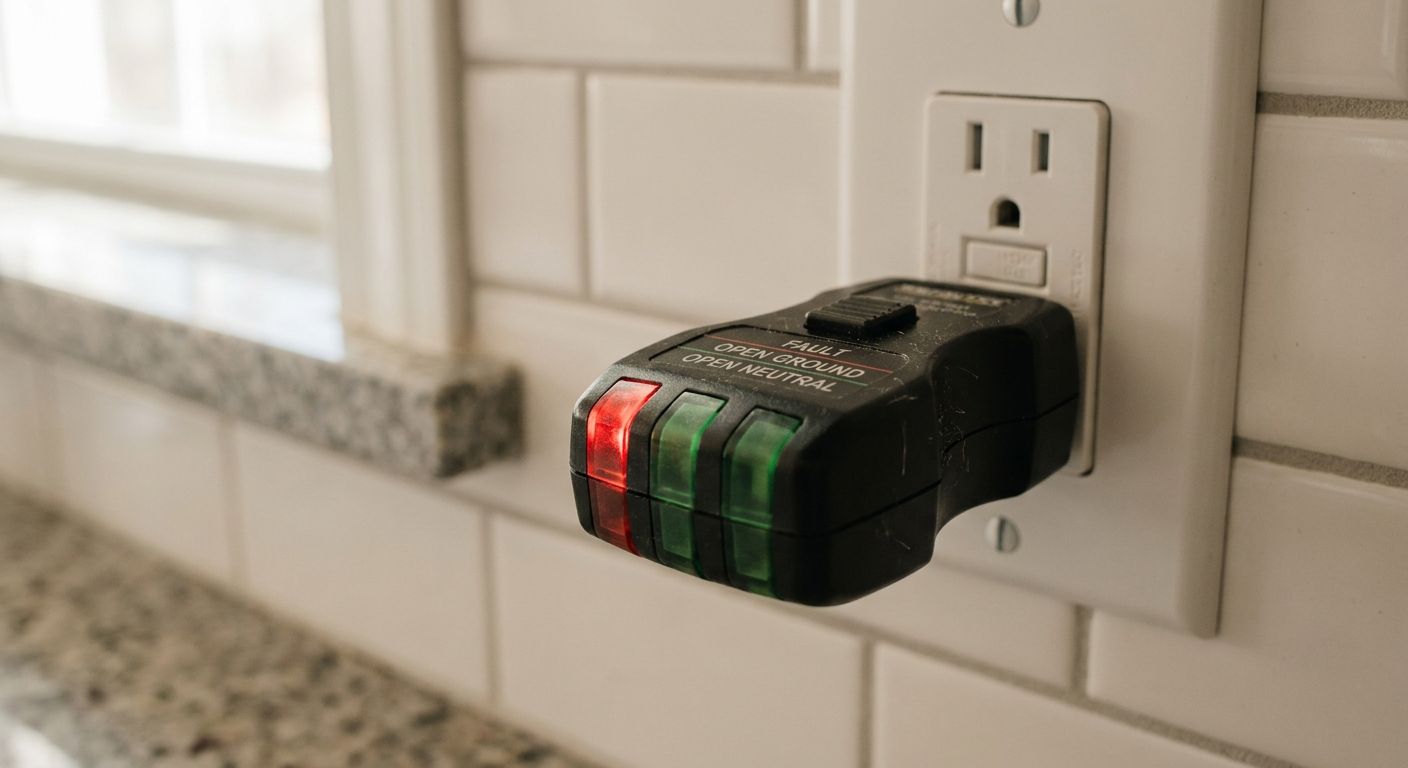
- Properly wired outlets and switches, including GFCI and AFCI protection where required.
- Correctly sized breakers in the electrical panel.
- No exposed or unsafe wiring.
- Functioning smoke and carbon monoxide detectors.
HVAC System (Heating, Ventilation, and Air Conditioning)
Comfort and efficiency depend on a well-installed HVAC system.
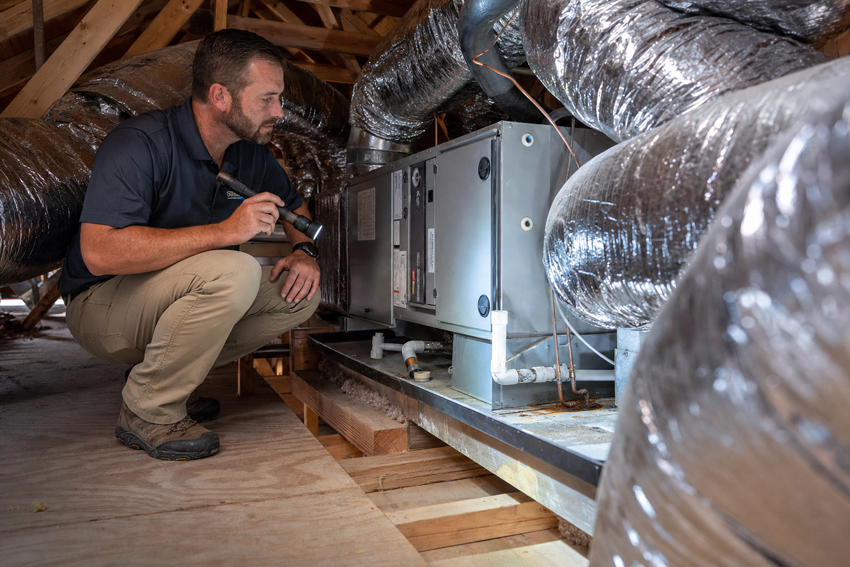
- Correct installation of the furnace/air handler and condenser unit.
- Adequate airflow to all rooms.
- Properly sealed ductwork.
- Functioning thermostat.
- Correct ventilation in bathrooms and kitchens.
Insulation and Ventilation
Proper insulation and ventilation contribute to energy efficiency and prevent moisture problems.
- Adequate insulation levels in attics, walls, and crawl spaces (often visually verified where accessible).
- Sufficient attic ventilation to prevent heat buildup and moisture.
Interior Finishes
While some are cosmetic, some finish issues can indicate underlying problems.
- Flaws in drywall or paint.
- Issues with flooring installation.
- Proper operation of doors and windows.
- Functionality of built-in appliances.
Safety Hazards
Beyond specific systems, inspectors look for general safety concerns such as trip hazards, missing handrails, or improper clearances.
The Benefits of Inspecting Your New Build
Investing in a new construction home inspection offers numerous advantages:
- Peace of Mind: Knowing that an independent professional has thoroughly evaluated your new home provides invaluable peace of mind.
- Leverage for Builder Repairs: The inspection report provides a documented list of issues, both large and small. You can present this "punch list" to your builder for correction before you close or as part of your builder's warranty claim. It's often easier to get items addressed while the builder and their crews are still on-site or readily available.
- Protecting Your Investment: A home is one of the largest investments you'll make. An inspection helps ensure it's a sound one by identifying potential costly repairs before they become your responsibility.
- Ensuring Safety: The inspection can uncover safety hazards that might otherwise go unnoticed, protecting you and your family.
- Understanding Your New Home: The inspection process and report educate you about your home's systems and maintenance needs, making you a more informed homeowner.
- Documenting Condition for Warranty: The inspection report serves as a baseline for the condition of your home at the time of purchase, which can be useful if warranty issues arise later.
Types of New Construction Inspections
Depending on the stage of construction and your agreement with the builder, you might consider a few types of inspections:
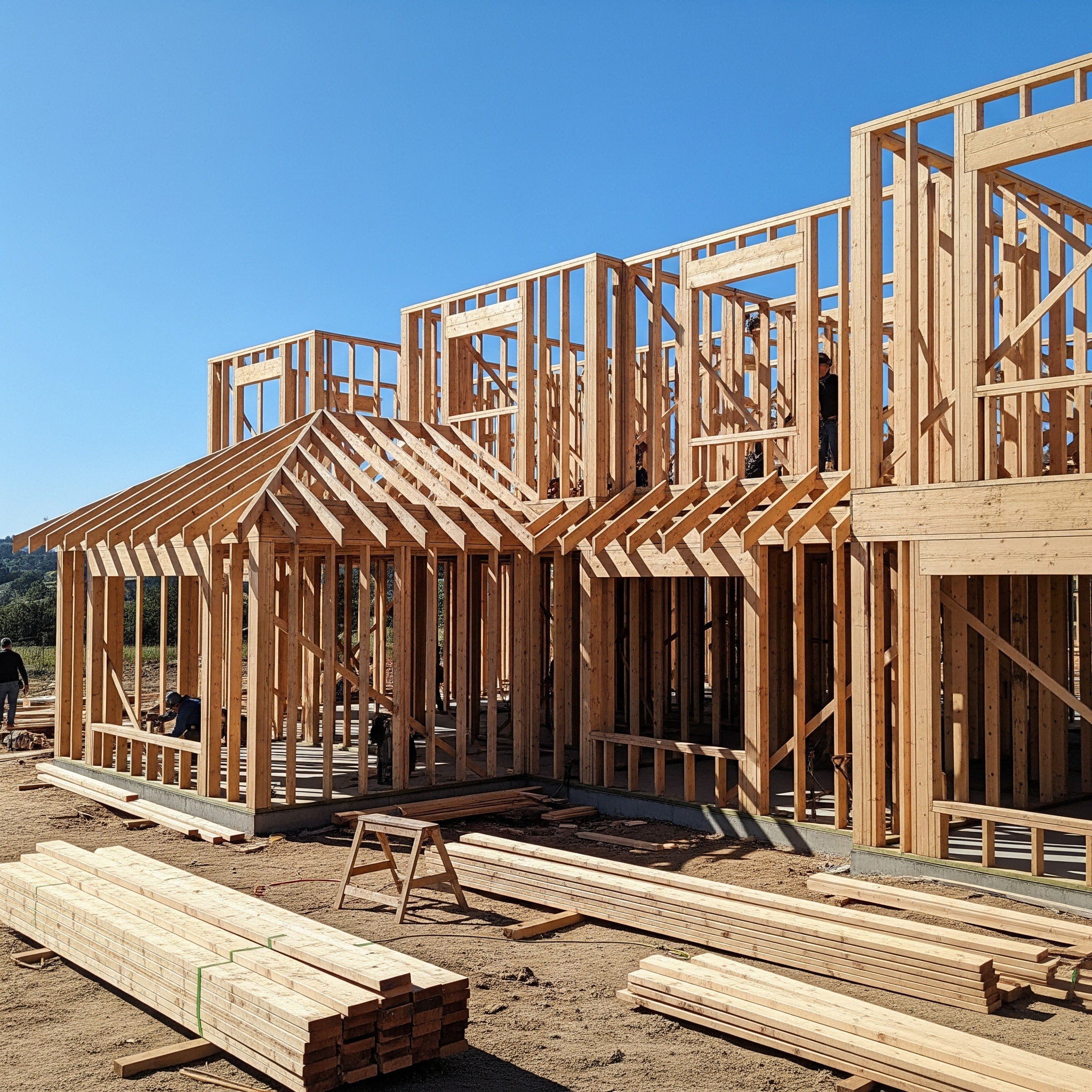
- Pre-Drywall Inspection (Phase Inspection): This inspection occurs after the foundation, framing, plumbing, electrical, and HVAC systems are installed but before the drywall and insulation go up. It allows the inspector to see the "bones" of the house, identifying issues that will be hidden later. This is highly recommended if your builder allows it.
- Final Walk-Through Inspection: This is the most common type of new construction inspection, conducted when the home is substantially complete, usually a few days before your final walk-through with the builder or closing. This comprehensive inspection covers all accessible systems and components.
- 11-Month Warranty Inspection: Most builders offer a one-year warranty on new homes. Scheduling an inspection around the 11-month mark allows you to identify any issues that have developed during your first year of occupancy, while they are still covered under the builder's warranty.
Addressing Issues Found in Your New Construction Inspection Report
Once you receive the inspection report, review it carefully. Don't be alarmed if it lists several items; many are often minor or informational.
- Understand the Report: Pay attention to items marked as significant defects, safety issues, or major repairs. Differentiate these from minor cosmetic flaws or maintenance recommendations.
- Communicate with Your Builder: Share the relevant sections of the report with your builder. Most reputable builders are willing to address legitimate construction defects. Present your concerns professionally and provide a clear list of items you want rectified.
- Utilize Your Builder's Warranty: Familiarize yourself with the terms of your builder's warranty. It will outline what is covered and for how long, and the process for submitting claims.
- Your Real Estate Agent's Role: Your agent can be a valuable ally in communicating with the builder and ensuring that agreed-upon repairs are completed satisfactorily.
How InspectionResponse.com Can Help
Even with a brand-new home, an inspection report can sometimes feel overwhelming with its technical terms and long list of findings. If your new construction inspection uncovers items that need to be addressed by the builder, clarity and organization are key.
While InspectionResponse.com is renowned for helping agents and buyers generate professional repair requests for resale transactions, its core AI-powered analysis can be incredibly beneficial in the new construction context too. Here's how:
- Understand Your Report Better: Upload your new construction inspection report, and our platform can help decipher technical jargon and categorize findings. This makes it easier for you to understand what the inspector noted, regardless of your construction knowledge.
- Create a Clear List for Your Builder: Instead of just handing over a lengthy PDF, you can use InspectionResponse.com to help organize and summarize the key issues identified by your inspector. This creates a clear, professional, and actionable "punch list" or list of defects to present to your builder.
- Prioritize Concerns: Our smart analysis can help you identify and focus on the most significant findings, ensuring your communication with the builder is targeted and effective.
- Streamline Communication: Whether it's you or your real estate agent liaising with the builder, having a well-organized summary of inspection findings facilitates smoother and more productive conversations.
By leveraging InspectionResponse.com, you can transform a complex inspection report into a clear, actionable document, ensuring that your concerns about your new home are communicated effectively to the builder. This helps you get the quality home you paid for and makes the process less stressful. Explore how InspectionResponse.com can assist with your inspection report analysis by visiting https://inspectionresponse.com/.
Don't Skip This Crucial Step
Buying a new home is a joyful occasion, and a professional home inspection is a small investment that provides significant protection and peace of mind. It ensures that your "brand new" home is also a well-built, safe, and sound home for years to come. Don't let the excitement of a new build overshadow the importance of due diligence. An independent inspection is always a smart move.
Additional Resources
Briefing Document & Key Takeaways
Briefing Document: The Essential Role of New Construction Home Inspections
Executive Summary
The prevailing misconception that a brand-new home is inherently flawless is dangerous. While seemingly perfect with pristine walls and new appliances, new construction homes are still susceptible to errors stemming from human fallibility, subcontractor variability, and pressures to meet deadlines. "Mistakes can, and do, happen." A professional new construction home inspection is not merely an option but an "unequivocally... yes" essential step that serves as the buyer's primary defense against future headaches, unexpected repair costs, and potential safety issues. This briefing details why such an inspection is crucial, what it entails, and the significant benefits it offers, including facilitating communication with builders and leveraging resources like InspectionResponse.com.
Main Themes and Most Important Ideas/Facts
1. The "Brand New" Illusion and the Need for Independent Oversight
- Perfection is a Myth: The source explicitly states, "The idea that a new home is inherently flawless is a common misconception." Despite builders' best intentions, construction involves numerous human elements and pressures that lead to imperfections.
- Sources of Error:Human Error: Builders, project managers, and various subcontractors (plumbers, electricians, HVAC technicians, roofers, etc.) are all human. Mistakes like "an incorrectly installed flashing, a missed insulation spot, or a plumbing connection that isn't quite right" can occur.
- Subcontractor Variability: Quality of workmanship can differ significantly between different crews or projects.
- Deadline Pressure: Rushing to meet closing dates can lead to "overlooked details or shortcuts."
- Municipal vs. Independent Inspections: While municipal inspections occur, they are "primarily focused on ensuring the home meets minimum safety and building code requirements" and are "typically not as thorough or detailed as a private home inspection." A private inspector "works for you, providing a comprehensive evaluation of the home's condition beyond just code compliance."
2. What a New Construction Inspector Looks For
A qualified inspector brings specialized tools and a trained eye to identify issues an average buyer or builder might miss. Key areas of focus include:
- Structural Integrity and Foundation: Checking for "cracks or flaws in the foundation walls or slab" and "proper grading around the foundation."
- Roofing System: Ensuring "properly installed shingles, tiles" and "adequate flashing."
- Exterior and Drainage: Verifying "proper installation of siding and trim," correct sealing around windows, and "adequate site grading."
- Plumbing System: Looking for "leaks under sinks," proper function of fixtures, and "adequate water pressure and flow."
- Electrical System: Ensuring "properly wired outlets and switches," correct breaker sizing, and functioning safety detectors.
- HVAC System: Confirming "correct installation of the furnace/air handler and condenser unit," "adequate airflow," and "properly sealed ductwork."
- Insulation and Ventilation: Checking for "adequate insulation levels" and "sufficient attic ventilation."
- Interior Finishes: While some are cosmetic, identifying flaws that "can indicate underlying problems."
- Safety Hazards: Beyond systems, inspectors look for general safety concerns like "trip hazards, missing handrails, or improper clearances."
3. Significant Benefits of a New Construction Inspection
The investment in an inspection provides "significant protection and peace of mind."
- Peace of Mind: Independent, professional evaluation offers invaluable reassurance.
- Leverage for Builder Repairs: The report provides a documented "punch list" of issues, making it "easier to get items addressed while the builder and their crews are still on-site or readily available."
- Protecting Your Investment: Identifying "potential costly repairs before they become your responsibility."
- Ensuring Safety: Uncovering "safety hazards that might otherwise go unnoticed."
- Understanding Your New Home: Educates the buyer about their home's systems and maintenance needs.
- Documenting Condition for Warranty: Serves as a baseline for future warranty claims.
4. Types of New Construction Inspections
Buyers have options depending on the construction stage:
- Pre-Drywall Inspection (Phase Inspection): "Highly recommended if your builder allows it." Occurs before drywall and insulation, allowing the inspector to see the "bones" of the house.
- Final Walk-Through Inspection: Most common, conducted "a few days before your final walk-through with the builder or closing," covering all accessible systems.
- 11-Month Warranty Inspection: Scheduled near the end of the typical one-year builder's warranty to identify issues developed during the first year, ensuring they are addressed while still covered.
5. Addressing Issues and Leveraging Resources
- Review and Understand the Report: Focus on "significant defects, safety issues, or major repairs" distinct from minor cosmetic flaws.
- Communicate Professionally: Share relevant sections with the builder; "most reputable builders are willing to address legitimate construction defects."
- Utilize Builder's Warranty: Familiarize oneself with its terms and claim process.
- Real Estate Agent's Role: Agents are valuable allies in communication and ensuring repairs.
- InspectionResponse.com's Role: The platform, while known for resale, can "transform a complex inspection report into a clear, actionable document" for new construction by:
- Helping "decipher technical jargon and categorize findings."
- Creating a "clear, professional, and actionable 'punch list' or list of defects."
- Helping "identify and focus on the most significant findings."
- Facilitating "smoother and more productive conversations" with the builder.
Conclusion
The source strongly advocates for new construction home inspections, emphasizing that "Don't let the excitement of a new build overshadow the importance of due diligence. An independent inspection is always a smart move." It highlights that a professional inspection is a small investment that ensures the "brand new" home is also "a well-built, safe, and sound home for years to come," protecting one of life's largest investments.
Study Guide
New Construction Home Inspection: A Comprehensive Study Guide
I. Overview and Importance of New Construction Inspections
This section covers the fundamental reasons why new homes, despite being new, still require professional inspection.
- The "Brand New" Illusion: Why new homes are not inherently flawless.
- Human Error: Inevitability of mistakes by builders and subcontractors.
- Subcontractor Variability: Differences in workmanship quality.
- Pressure to Meet Deadlines: Impact of tight schedules on quality.
- Distinction between Municipal and Independent Inspections:Municipal Inspections: Focus primarily on minimum safety and building code compliance. Less thorough.
- Independent Inspections: Comprehensive, detailed, and work for the buyer; go beyond code compliance to assess quality, potential future issues, and longevity.
- Core Benefits of Inspection:Peace of Mind
- Leverage for Builder Repairs
- Protecting Your Investment
- Ensuring Safety
- Understanding Your New Home
- Documenting Condition for Warranty
II. Key Areas and Issues a New Construction Inspector Focuses On
This section details the specific systems and components a qualified inspector evaluates in a new home.
- Structural Integrity and Foundation:Cracks or flaws in foundation/slab.
- Proper grading around the foundation.
- Correct installation of structural components.
- Issues with load-bearing walls/supports.
- Roofing System:Properly installed roofing materials.
- Adequate flashing (chimneys, vents, skylights).
- Correct attic ventilation.
- Signs of leaks or water intrusion.
- Exterior and Drainage:Proper installation of siding and trim.
- Correct sealing around windows and doors.
- Adequate site grading.
- Functionality of gutters and downspouts.
- Plumbing System:Leaks (sinks, toilets, pipe connections).
- Proper function of fixtures (faucets, showers, tubs).
- Adequate water pressure and flow.
- Correct venting of fixtures.
- Water heater installation and safety.
- Electrical System:Properly wired outlets and switches (GFCI/AFCI).
- Correctly sized breakers.
- No exposed/unsafe wiring.
- Functioning smoke/CO detectors.
- HVAC System:Correct installation of furnace/air handler/condenser.
- Adequate airflow.
- Properly sealed ductwork.
- Functioning thermostat.
- Correct bathroom/kitchen ventilation.
- Insulation and Ventilation:Adequate insulation levels (attics, walls, crawl spaces).
- Sufficient attic ventilation.
- Interior Finishes:Flaws in drywall/paint.
- Flooring installation issues.
- Operation of doors and windows.
- Functionality of built-in appliances.
- Safety Hazards:Trip hazards.
- Missing handrails.
- Improper clearances.
III. Types of New Construction Inspections
This section outlines the different stages at which a new home can be inspected.
- Pre-Drywall Inspection (Phase Inspection):Occurs before drywall/insulation.
- Allows inspection of "bones" (foundation, framing, rough plumbing, electrical, HVAC).
- Highly recommended.
- Final Walk-Through Inspection:Most common type, when home is substantially complete.
- Conducted before closing/final walk-through with builder.
- Comprehensive, covering all accessible systems.
- 11-Month Warranty Inspection:Occurs around 11 months of occupancy.
- Identifies issues developed during first year while still under builder's warranty.
IV. Addressing Issues Found in the Inspection Report
This section provides guidance on how to interpret and act upon an inspection report.
- Understand the Report: Differentiate significant defects from minor cosmetic flaws or maintenance recommendations.
- Communicate with Your Builder: Share the report, present concerns professionally, and provide a clear list of desired rectifications.
- Utilize Your Builder's Warranty: Understand terms, coverage, and claim process.
- Real Estate Agent's Role: Agent as an ally in communication and ensuring repairs.
- Leveraging InspectionResponse.com:Deciphering technical jargon.
- Organizing and summarizing key issues into a clear "punch list."
- Prioritizing concerns.
- Streamlining communication with the builder.
Quiz: New Construction Home Inspections
Instructions: Answer each question in 2-3 sentences.
- Why is it crucial to get a professional home inspection on a brand new home, even if it's built to code and has a builder's warranty?
- Explain the primary difference in scope between a municipal code inspection and an independent private home inspection for a new build.
- Name two reasons why "perfection is a myth" when it comes to new construction homes.
- What is a "Pre-Drywall Inspection," and why is it considered highly recommended?
- List three distinct systems or areas that a new construction home inspector will focus on, as mentioned in the guide.
- Besides identifying current defects, how does a new construction inspection help a buyer protect their significant investment?
- If issues are found during a new construction inspection, what is the buyer's first step in addressing them with the builder?
- Describe the purpose of an "11-Month Warranty Inspection."
- How can tight deadlines in the construction industry impact the quality of a new home?
- According to the guide, how can InspectionResponse.com assist buyers after they receive their new construction inspection report?
Quiz Answer Key
- It's crucial because new homes are built by human hands, involving multiple subcontractors and tight deadlines, leading to inevitable mistakes. An inspection acts as the buyer's defense against future headaches, unexpected repair costs, and potential safety issues.
- Municipal code inspections primarily ensure a home meets minimum safety and building code requirements and are less thorough. Independent private inspections, however, are comprehensive, work for the buyer, and go beyond code compliance to assess quality, potential future issues, and longevity.
- Two reasons perfection is a myth are that human error is inevitable, meaning builders and subcontractors can make mistakes, and there can be subcontractor variability, leading to differing quality of workmanship from one crew to another.
- A Pre-Drywall Inspection, also known as a Phase Inspection, occurs after the foundation, framing, plumbing, electrical, and HVAC systems are installed but before drywall and insulation. It is highly recommended because it allows the inspector to see the "bones" of the house and identify issues that would later be hidden.
- A new construction home inspector will focus on: (1) Structural Integrity and Foundation, (2) Roofing System, and (3) Electrical System (other valid answers include Exterior & Drainage, Plumbing, HVAC, Insulation & Ventilation, Interior Finishes, Safety Hazards).
- A new construction inspection helps protect a buyer's investment by identifying potential costly repairs before they become the buyer's responsibility after closing. It also provides a documented baseline condition for future warranty claims, ensuring a sound long-term investment.
- If issues are found, the buyer's first step is to carefully review and understand the report, paying attention to significant defects, and then communicate professionally with their builder, providing a clear list of items for rectification.
- The purpose of an 11-Month Warranty Inspection is to identify any issues that have developed during the buyer's first year of occupancy, typically around the 11-month mark. This allows the buyer to address these problems while they are still covered under the builder's one-year warranty.
- Tight deadlines in the construction industry can lead to rushed work and overlooked details or shortcuts. This pressure to complete a home quickly to meet a closing date can result in imperfections ranging from minor cosmetic issues to more significant functional or safety concerns.
- InspectionResponse.com can assist buyers by helping to decipher technical jargon in the report, allowing them to better understand what the inspector noted. It also helps organize and summarize key issues into a clear, professional "punch list" for communication with the builder.
Essay Format Questions (No Answers Provided)
- Discuss the various types of new construction inspections available to a home buyer. Explain the benefits and timing of each, and argue which type you believe is the most crucial for a buyer's long-term protection, justifying your choice with evidence from the text.
- The text emphasizes that "perfection is a myth" in new construction. Elaborate on the factors contributing to this misconception and the reality of potential flaws in brand-new homes. How do these factors underscore the necessity of an independent inspection?
- Compare and contrast the role and scope of municipal inspections versus independent home inspections in new construction. Why is relying solely on municipal inspections insufficient for a new home buyer?
- Imagine you are advising a first-time home buyer on the importance of a new construction home inspection. Outline the top five benefits you would highlight, explaining each benefit in detail and how it contributes to the buyer's peace of mind and financial protection.
- Beyond simply identifying defects, explain how a new construction inspection report can be leveraged effectively by a buyer. Detail the steps a buyer should take after receiving the report and the various resources (including their real estate agent and external tools like InspectionResponse.com) they can utilize to address findings.
Glossary of Key Terms
- AFCI (Arc-Fault Circuit Interrupter): A type of circuit breaker designed to detect and prevent electrical fires caused by arc faults.
- Builder's Warranty: A guarantee provided by the home builder that covers certain defects and repairs for a specified period after the purchase of a new home, typically one year for most components.
- Closing Date: The final step in a real estate transaction where ownership of the property is transferred from the seller (builder) to the buyer.
- Cosmetic Issues: Minor aesthetic flaws that do not affect the functionality or safety of a home, such as imperfections in paint or drywall.
- Ductwork: A system of channels used in heating, ventilation, and air conditioning (HVAC) to deliver and remove air.
- Flashing: Thin material, often metal, installed around roof penetrations (like chimneys, vents, skylights) and at other junctures to prevent water intrusion.
- Foundation: The lowest part of a structure, typically below ground level, that supports the building above. Can be a slab, crawl space, or basement.
- Framing: The skeletal structure of a house, typically made of wood or steel, that supports the floors, walls, and roof.
- GFCI (Ground-Fault Circuit Interrupter): A type of electrical outlet or breaker designed to quickly shut off electrical power if it detects a ground fault, preventing electric shock.
- Grading (Site Grading): The process of leveling or sloping the ground around a building to ensure proper drainage of water away from the foundation.
- HVAC System: Abbreviation for Heating, Ventilation, and Air Conditioning system, responsible for regulating indoor temperature and air quality.
- Independent Inspection: A thorough evaluation of a property by a qualified, unbiased professional hired directly by the buyer, distinct from municipal inspections.
- Load-Bearing Walls: Walls in a building that support the weight of the structure above them.
- Municipal Inspections: Inspections conducted by local government code officials to ensure a new home meets minimum safety and building code requirements.
- Phase Inspection: See Pre-Drywall Inspection.
- Pre-Drywall Inspection: An inspection conducted during new construction after the foundational, structural, and rough-in mechanicals (plumbing, electrical, HVAC) are complete, but before insulation and drywall are installed, allowing inspection of hidden components.
- Punch List: A list of minor construction defects or unfinished items that need to be addressed by the builder, typically prepared before closing or during a warranty period.
- Subcontractor: A person or company hired by the general contractor (builder) to perform a specific part of the construction project, such as plumbing, electrical work, or roofing.
- Ventilation: The process of circulating fresh air and removing stale or moist air from a space, crucial for indoor air quality and preventing moisture issues.
Frequently Asked Questions
Why is a home inspection essential for a brand new construction home, even if it's built to code and has a warranty?
It's crucial because "brand new" doesn't equate to "flawless." While new homes are built to code, municipal inspections often only check for minimum safety requirements, not comprehensive quality or potential future issues. New constructions are built by humans (multiple subcontractors, often under tight deadlines), making human error, varying workmanship quality, and overlooked details inevitable. An independent home inspection provides an unbiased, thorough evaluation beyond basic code compliance, identifying cosmetic, functional, or safety issues that could lead to headaches and costly repairs down the line, protecting your significant investment and ensuring safety.
What are some common misconceptions about new construction homes that an inspection helps address?
The primary misconception is that a new home is inherently perfect and doesn't require scrutiny. People often believe that because it's new, built to code, and comes with a builder's warranty, an inspection is unnecessary. An inspection dispels this "brand new illusion" by uncovering that even with the best intentions, errors occur due to human factors, subcontractor variability, and pressure to meet deadlines. It highlights that municipal inspections are not as detailed as a private inspection, which looks for workmanship quality, potential future problems, and issues beyond just basic code compliance.
What specific areas and systems does a home inspector focus on during a new construction inspection?
A qualified inspector examines a wide range of areas to ensure the home's integrity and functionality. This includes:
- Structural Integrity and Foundation: Checking for cracks, proper grading, and correct installation of load-bearing components.
- Roofing System: Verifying proper installation of materials, flashing, ventilation, and signs of potential leaks.
- Exterior and Drainage: Assessing siding, window/door sealing, site grading, and gutter functionality.
- Plumbing System: Looking for leaks, proper function of fixtures, water pressure, and correct venting and water heater installation.
- Electrical System: Ensuring proper wiring, correct breaker sizing, no exposed wiring, and functioning safety devices like smoke detectors.
- HVAC System: Evaluating installation, airflow, ductwork, thermostat function, and proper ventilation.
- Insulation and Ventilation: Checking insulation levels and attic ventilation.
- Interior Finishes: Identifying flaws in drywall, paint, flooring, and ensuring proper operation of doors, windows, and appliances.
- Safety Hazards: Looking for general safety concerns such as trip hazards or missing handrails.
What are the main benefits of getting a new construction home inspection?
The benefits are multi-faceted and provide significant value:
- Peace of Mind: Confidence that an independent professional has thoroughly evaluated your home.
- Leverage for Builder Repairs: The inspection report serves as a documented "punch list" to request corrections from the builder before closing or under warranty.
- Protecting Your Investment: Identifies costly repairs before they become your financial responsibility.
- Ensuring Safety: Uncovers hidden safety hazards.
- Understanding Your New Home: Educates you on the home's systems and maintenance needs.
- Documenting Condition for Warranty: Provides a baseline for future warranty claims.
Are there different types of new construction inspections, and when should they occur?
Yes, there are a few key types, ideally performed at different stages:
- Pre-Drywall Inspection (Phase Inspection): Highly recommended, this occurs after major systems (framing, plumbing, electrical, HVAC) are installed but before drywall and insulation, allowing the inspector to see the home's "bones."
- Final Walk-Through Inspection: The most common type, conducted when the home is substantially complete, usually a few days before your final walk-through with the builder or closing. It covers all accessible systems.
- 11-Month Warranty Inspection: Scheduled near the end of the typical one-year builder's warranty, this inspection identifies any issues that have developed during your first year of occupancy while they are still covered.
How should a buyer address issues found in a new construction inspection report?
Yes, there are a few key types, ideally performed at different stages:
- Pre-Drywall Inspection (Phase Inspection): Highly recommended, this occurs after major systems (framing, plumbing, electrical, HVAC) are installed but before drywall and insulation, allowing the inspector to see the home's "bones."
- Final Walk-Through Inspection: The most common type, conducted when the home is substantially complete, usually a few days before your final walk-through with the builder or closing. It covers all accessible systems.
- 11-Month Warranty Inspection: Scheduled near the end of the typical one-year builder's warranty, this inspection identifies any issues that have developed during your first year of occupancy while they are still covered.
How should a buyer address issues found in a new construction inspection report?
Upon receiving the report:
- Understand the Report: Carefully review findings, distinguishing between significant defects, safety issues, and minor cosmetic flaws.
- Communicate with Your Builder: Share relevant sections of the report professionally, providing a clear, itemized list of desired rectifications. Most reputable builders will address legitimate defects.
- Utilize Your Builder's Warranty: Familiarize yourself with its terms for covered items and claim procedures.
- Involve Your Real Estate Agent: They can assist in communicating with the builder and ensuring repairs are completed to your satisfaction.
How can digital tools like InspectionResponse.com assist with a new construction inspection report?
While known for resale transactions, InspectionResponse.com's AI-powered analysis is valuable for new builds by:
- Understanding the Report Better: Deciphering technical jargon and categorizing findings.
- Creating a Clear List for the Builder: Organizing and summarizing key issues into a professional, actionable "punch list."
- Prioritizing Concerns: Helping to focus on the most significant findings for effective communication.
- Streamlining Communication: Facilitating smoother and more productive conversations with the builder by presenting a well-organized summary of defects. This helps ensure that concerns are effectively communicated and addressed.
What is the overarching message regarding new construction home inspections for buyers?
The overarching message is to never skip this crucial step. While buying a new home is exciting, an independent professional home inspection is a small investment that provides significant protection, peace of mind, and ensures that your "brand new" home is also a well-built, safe, and sound investment for the long term. It's an essential part of due diligence that safeguards against potential future headaches and costly repairs.