Pre-Inspection Checklist: 20 Fixes for Sellers | InspectionResponse.com
Podcast Overview

For home sellers and their real estate agents, the home inspection can feel like the final, nerve-wracking hurdle before closing. It's the moment of truth where a third-party expert scrutinizes every corner of the property. While you can't predict every finding, a long list of small, easily fixable items can create a negative impression, overwhelm buyers, and complicate negotiations. The good news? You can get ahead of it.
Proactive preparation is the key to a smoother inspection process. By addressing common, low-cost issues before the inspector ever sets foot on the property, you present a well-maintained home, reduce the length of the final report, and build buyer confidence. This guide provides a detailed checklist of 20 common home inspection findings that sellers can address themselves, ensuring a cleaner report and a stronger negotiating position.
The Pre-Inspection Checklist: 20 Actionable Fixes
Walk through the property with this list in hand. Many of these tasks can be completed in a single weekend and can save you thousands in potential repair credits and negotiation headaches.
Safety and Security First
These items are often the first things an inspector—and a buyer—will notice. They relate directly to the safety of the home's occupants.
- The Finding: Inspectors will flag missing, expired (most have a 10-year lifespan), or non-functional smoke and CO detectors.
- The Fix: Press the "test" button on every unit. Replace batteries in any that don't respond. Check the manufacture date on the back and replace any unit that is more than 10 years old. Ensure detectors are installed on each level of the home and inside/near sleeping areas, per local code.
- Why It Matters: This is a non-negotiable safety requirement and one of the easiest fixes to demonstrate your commitment to a safe home.
- The Finding: Any wobbly or loose handrails on stairways (interior and exterior) will be marked as a safety hazard.
- The Fix: Use a screwdriver or wrench to tighten the bolts anchoring the handrail to the wall or posts. If the wood is stripped, you may need a slightly larger screw or a wood filler for a secure fit.
- Why It Matters: It prevents a clear and obvious safety call-out and shows attention to detail.
- The Finding: Freestanding kitchen ranges can tip forward if a heavy weight is placed on an open door, posing a serious risk. Inspectors always check for a properly installed anti-tip bracket.
- The Fix: These brackets are inexpensive and can be purchased at any hardware store. They attach to the floor or wall behind the stove, securing one of the rear legs.
- Why It Matters: This is a major safety flag for families with children. Fixing it is simple and eliminates a guaranteed inspection finding.
- The Finding: Raised sidewalk sections, loose carpeting, or uneven flooring transitions are all trip hazards.
- The Fix: Use concrete leveler for minor sidewalk issues, re-stretch and tack down loose carpet, and ensure flooring transitions are smooth and secure.
- Why It Matters: Mitigates liability and removes another easy-to-spot safety concern from the report.
Plumbing: The Power of a Dry Home, Water issues are a major red flag for buyers. Addressing minor plumbing problems can prevent them from imagining much larger ones.
- The Finding: Dripping faucets, running toilets, or visible moisture under sinks.
- The Fix: A dripping faucet often just needs a new O-ring or washer. A running toilet can usually be fixed with an inexpensive flapper valve replacement kit. Look under every sink with a flashlight for signs of slow drips and tighten connections.
- Why It Matters: Obvious leaks suggest neglect and can lead to concerns about hidden water damage and mold.
- The Finding: A toilet that rocks or feels loose when you sit on it will be noted.
- The Fix: Sometimes, this is as simple as tightening the bolts at the base of the toilet. If that doesn't work, the wax ring may need to be replaced—a slightly more involved but still DIY-friendly job.
- Why It Matters: A loose toilet can break its seal, leading to leaks, water damage, and subfloor rot.
- The Finding: Sinks, tubs, and showers that drain slowly indicate a partial clog.
- The Fix: Use a drain snake or a chemical clog remover (follow directions carefully) to clear out hair and soap scum from all drains.
- Why It Matters: It’s a quality-of-life issue that buyers will notice, and it can hint at larger plumbing blockages deeper in the system.
- The Finding: The Temperature and Pressure Relief (TPR) valve on a water heater must have a discharge pipe that runs down the side, stopping about 6 inches from the floor. Inspectors will always flag a missing or improperly installed pipe.
- The Fix: If the pipe is missing, purchase one and attach it. It should not be threaded at the bottom and should be made of an approved material like copper or CPVC.
- Why It Matters: This is a critical safety feature that prevents the tank from exploding under extreme pressure.
Electrical: Small Details, Big Impact
Electrical issues can sound scary to buyers. Handling the small stuff builds confidence that the larger system is sound.
- The Finding: "Inoperable light fixture."
- The Fix: Go through every room (and the exterior) and replace every single burned-out bulb. Turn on every switch to make sure it works.
- Why It Matters: When a light doesn't turn on, the inspector has to write it up as a potential electrical issue. A new bulb proves it was a simple fix and prevents unnecessary alarm.
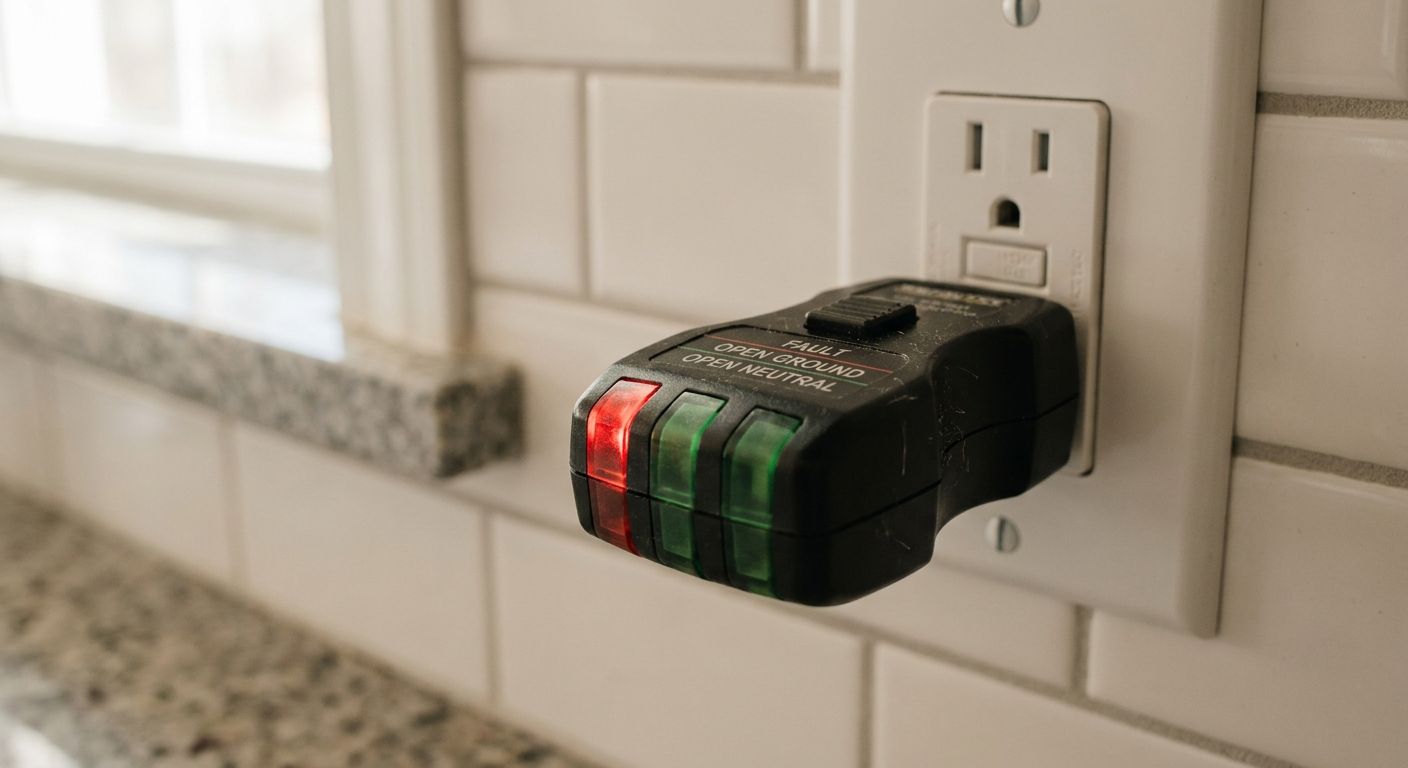
- The Finding: Ground Fault Circuit Interrupter (GFCI) outlets that don't trip and reset properly. These are required in "wet" locations like kitchens, bathrooms, garages, and outdoors.
- The Fix: Press the "TEST" button on each GFCI outlet. It should click off. Then press "RESET" to restore power. If it doesn't work, replacing the outlet is a simple task for a confident DIYer or a quick job for an electrician.
- Why It Matters: This is a key electrical safety feature. Non-working GFCIs are a common and easily correctable finding.
- The Finding: Exposed wiring at electrical boxes due to missing or cracked cover plates.
- The Fix: Plastic cover plates cost less than a dollar. Walk through and replace any that are missing or damaged.
- Why It Matters: Exposed wiring is a shock hazard. This is perhaps the cheapest and fastest fix on the entire list.
HVAC and Appliances
These systems are expensive to replace, so showing they've been maintained is crucial.
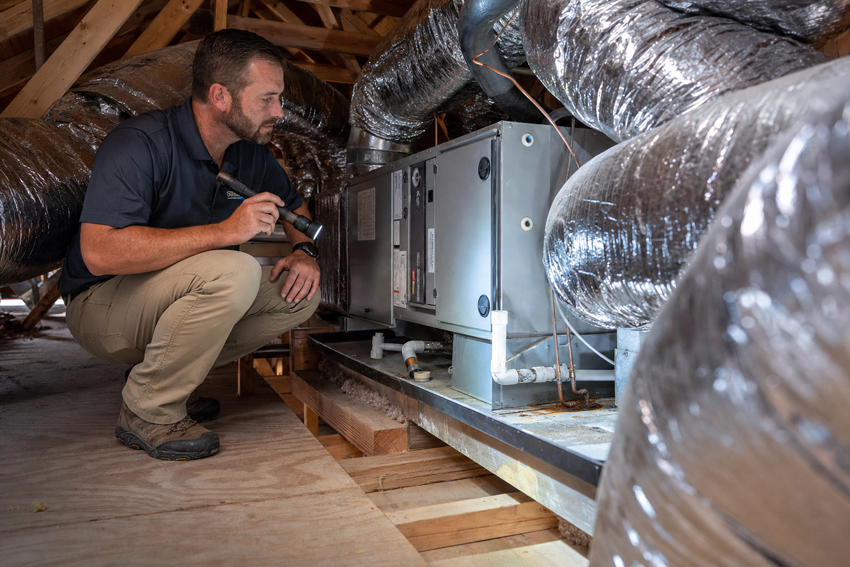
- The Finding: A dirty, clogged HVAC filter.
- The Fix: This is a simple, 2-minute task. Replace the filter with a new one of the correct size. Write the date of the change on the filter's edge.
- Why It Matters: A clean filter shows routine maintenance, improves air quality, and helps the HVAC system run more efficiently. A clogged filter can strain the entire system, a major red flag.
- The Finding: The exterior A/C unit (condenser) is covered in dirt, grass clippings, or leaves.
- The Fix: Turn off the power to the unit at the breaker. Use a garden hose (on a gentle setting) to spray down the exterior fins and remove debris.
- Why It Matters: Clean coils allow the unit to cool more efficiently, extending its life and reducing running costs.
- The Finding: The dishwasher moves or tips forward when the door is opened.
- The Fix: Look for the mounting brackets under the countertop. The dishwasher should be screwed into the countertop to prevent it from moving.
- Why It Matters: An unsecured dishwasher can damage plumbing lines and is a tipping hazard.
Exterior and General Maintenance
The exterior is the home's first impression. A tidy exterior suggests a well-cared-for home.
- The Finding: Gutters filled with leaves and debris, or downspouts that don't direct water away from the foundation.
- The Fix: Clear out all gutters. Use a hose to ensure downspouts are clear and flowing freely. Add splash blocks or extensions to ensure water is discharged at least 3-5 feet from the foundation.
- Why It Matters: Clogged gutters are a primary cause of roof leaks, rotted fascia boards, and foundation issues.
- The Finding: Soil or landscaping around the foundation slopes towards the house instead of away from it.
- The Fix: Buy a few bags of topsoil and build up the ground around your foundation so it slopes downward for at least a few feet.
- Why It Matters: This is one of the most important fixes. Negative grading funnels water directly to your foundation, which can cause leaks, structural damage, and basement flooding.
- The Finding: Cracked window panes, broken window seals (fogging between panes), or gaps in caulk around windows and doors.
- The Fix: Replace any cracked panes. While broken seals are a more costly fix, re-caulking around the exterior of windows and doors is a simple way to seal drafts and prevent water intrusion.
- Why It Matters: Shows attention to energy efficiency and preventative maintenance against water damage.
- The Finding: Doors that don't latch properly, windows that are painted shut, or doors that rub against the frame.
- The Fix: Tighten hinge screws on doors, or use a planer to shave a small amount off the edge. Carefully score the paint seal around windows to get them functioning.
- Why It Matters: Functionality is key. A buyer may see a sticking door as a sign of foundation settlement, even if it’s just a loose hinge.
- The Finding: Tree branches touching the roof, or shrubs and vines growing against the home's siding.
- The Fix: Trim back all vegetation so there is at least a foot of clearance between plants and the house/roof.
- Why It Matters: This prevents moisture from getting trapped against the siding (leading to rot), stops pests from having an easy bridge into your home, and prevents physical damage to the roof and siding.
- The Finding: The inspector cannot access the attic, crawlspace, electrical panel, or furnace.
- The Fix: Do a dry run. Make sure the attic hatch isn't painted shut or blocked by storage. Clear a path to all utility areas. Unlock any gates or electrical boxes.
- Why It Matters: If an inspector can't access an area, they have to note it in the report as inaccessible. This creates uncertainty and may require a second visit, causing delays.
Conclusion
By tackling this pre-inspection checklist, sellers can take control of the narrative, presenting a home that is safe, well-maintained, and ready for its new owners. For real estate agents, guiding your clients through this process demonstrates immense value and sets the stage for a smoother transaction. And when the inspection report does arrive, you'll be prepared to handle the remaining items with the speed and professionalism that modern tools like InspectionResponse.com provide.
Ready to transform your post-inspection workflow? Learn more and get started with InspectionResponse.com today!
Additional Resources
Briefing Document & Key Takeaways
Briefing: Home Inspection Preparation for Sellers
Executive Summary
This briefing summarizes key strategies and actionable fixes for home sellers looking to streamline the home inspection process and secure a favorable sale. The central theme is proactive preparation to address common, low-cost issues before an inspector arrives. By tackling these "20 actionable fixes," sellers can "present a well-maintained home, reduce the length of the final report, and build buyer confidence," ultimately leading to "a cleaner report and a stronger negotiating position." The document emphasizes that neglecting these easily fixable items can create a "negative impression, overwhelm buyers, and complicate negotiations."
Main Themes and Key Takeaways
- Proactive Preparation is Crucial for a Smooth Transaction:
- The home inspection is described as "the final, nerve-wracking hurdle before closing."
- "Proactive preparation is the key to a smoother inspection process." Addressing issues beforehand avoids a "long list of small, easily fixable items" that can "create a negative impression, overwhelm buyers, and complicate negotiations."
- Sellers can "take control of the narrative" by presenting a home that is "safe, well-maintained, and ready for its new owners."
- Impact of Minor Issues on Buyer Confidence and Negotiations:
- Even "small, easily fixable items" can lead to buyer skepticism and affect negotiation leverage.
- Fixing these issues "can save you thousands in potential repair credits and negotiation headaches."
- A clean report builds "buyer confidence" and demonstrates the seller's "commitment to a safe home."
- Prioritization of Safety and Security:
- Safety issues are often the "first things an inspector—and a buyer—will notice" and are considered "non-negotiable safety requirement[s]."
- Key Fixes:Smoke and CO detectors: Must be "missing, expired... or non-functional." Replace units over 10 years old and ensure proper placement per code.
- Loose handrails: A "clear and obvious safety call-out" that's easily fixed by tightening bolts.
- Anti-tip brackets for ranges: A "major safety flag for families with children" and a "guaranteed inspection finding" if missing.
- Trip hazards: Uneven flooring, loose carpeting, or raised sidewalk sections that mitigate liability.
- Addressing Water and Plumbing Issues to Prevent Major Concerns:
- "Water issues are a major red flag for buyers" as they suggest neglect and potential "hidden water damage and mold."
- Key Fixes:Dripping faucets/running toilets: Often require only "a new O-ring or washer" or "an inexpensive flapper valve replacement kit."
- Loose toilets: Can lead to "leaks, water damage, and subfloor rot" if not tightened or if the wax ring needs replacement.
- Slow drains: "A quality-of-life issue that buyers will notice," cleared with a drain snake or chemical remover.
- TPR valve on water heater: A "critical safety feature that prevents the tank from exploding" requires a proper discharge pipe.
- Electrical "Small Details" Build System Confidence:
- "Electrical issues can sound scary to buyers." Fixing minor problems "builds confidence that the larger system is sound."
- Key Fixes:Inoperable light fixtures: Simply replace "every single burned-out bulb" to prevent it being written up as a "potential electrical issue."
- Non-functional GFCI outlets: Required in "wet" locations and a "key electrical safety feature." Easily tested and replaced.
- Exposed wiring: Due to missing or cracked cover plates; "perhaps the cheapest and fastest fix on the entire list" and a "shock hazard."
- HVAC and Appliance Maintenance for Longevity and Efficiency:
- These systems are "expensive to replace, so showing they've been maintained is crucial."
- Key Fixes:Dirty HVAC filter: A "simple, 2-minute task" that "shows routine maintenance, improves air quality, and helps the HVAC system run more efficiently."
- Dirty exterior A/C unit: Cleaning the condenser allows it to "cool more efficiently, extending its life and reducing running costs."
- Unsecured dishwasher: Should be "screwed into the countertop" to prevent tipping and plumbing damage.
- Exterior and General Maintenance for First Impressions and Preventative Care:
- "The exterior is the home's first impression. A tidy exterior suggests a well-cared-for home."
- Key Fixes:Clogged gutters/improper downspouts: "A primary cause of roof leaks, rotted fascia boards, and foundation issues." Ensure water is directed "at least 3-5 feet from the foundation."
- Negative grading: "One of the most important fixes." Soil should slope away from the foundation to prevent "leaks, structural damage, and basement flooding."
- Window/door issues: Cracked panes, broken seals (fogging), or gaps in caulk. Re-caulking helps seal drafts and prevents water intrusion.
- Non-functional doors/windows: Doors that don't latch or windows painted shut suggest underlying issues to buyers, even if easily fixed.
- Vegetation against the house: Trim "tree branches touching the roof, or shrubs and vines growing against the home's siding" to prevent moisture, pests, and physical damage.
- Ensuring Inspector Access:
- Crucial Point: If an "inspector cannot access the attic, crawlspace, electrical panel, or furnace," it creates "uncertainty and may require a second visit, causing delays."
- Fix: "Clear a path to all utility areas" and ensure hatches/gates are accessible.
Conclusion
By diligently following this pre-inspection checklist, sellers can proactively address common findings, leading to a significantly smoother and more advantageous sale process. The emphasis is on demonstrating care and functionality, thereby mitigating buyer concerns and strengthening the seller's negotiating position.
Study Guide
Pre-Inspection Prep: A Comprehensive Study Guide for Sellers
I. Overview and Importance of Pre-Inspection Preparation
The home inspection is a critical stage in the home selling process, serving as a "moment of truth" where a third-party expert evaluates the property. Proactive preparation is crucial for sellers to:
- Present a well-maintained home.
- Reduce the length and impact of the final inspection report.
- Build buyer confidence and facilitate smoother negotiations.
- Avoid potential repair credits or negotiation headaches.
Addressing common, low-cost issues before the inspection can save sellers significant time and money, demonstrating a commitment to safety and maintenance.
II. Detailed Pre-Inspection Checklist Categories and Specific Fixes
This section breaks down common inspection findings into key areas, detailing the finding, the fix, and why it matters.
A. Safety and Security First
These items directly impact the safety of the home's occupants and are often immediately noticeable.
- Smoke and CO Detectors:
- Finding: Missing, expired, or non-functional detectors.
- Fix: Test all units, replace batteries in non-functional ones, replace units over 10 years old. Ensure proper placement per local code (each level, inside/near sleeping areas).
- Why it Matters: Non-negotiable safety requirement; demonstrates commitment to safety.
- Loose Handrails:
- Finding: Wobbly or loose handrails on stairways (interior and exterior).
- Fix: Tighten bolts; use larger screws or wood filler if wood is stripped.
- Why it Matters: Prevents a clear safety call-out; shows attention to detail.
- Missing Anti-Tip Bracket for Range:
- Finding: Freestanding kitchen ranges lacking an anti-tip bracket.
- Fix: Purchase and install an inexpensive bracket that secures the stove to the floor or wall.
- Why it Matters: Major safety flag, especially for families with children; simple fix eliminates a guaranteed finding.
- Trip Hazards:
- Finding: Raised sidewalk sections, loose carpeting, uneven flooring transitions.
- Fix: Use concrete leveler for sidewalks, re-stretch/tack down loose carpet, ensure smooth and secure flooring transitions.
- Why it Matters: Mitigates liability; removes obvious safety concerns.
B. Plumbing: The Power of a Dry Home
Water-related issues are significant red flags, and addressing minor problems prevents buyers from imagining larger ones.
- Leaks (Faucets, Toilets, Under Sinks):
- Finding: Dripping faucets, running toilets, visible moisture under sinks.
- Fix: Replace O-rings/washers for faucets, replace flapper valve for toilets, tighten connections under sinks.
- Why it Matters: Obvious leaks suggest neglect and potential hidden water damage/mold.
- Loose Toilets:
- Finding: Toilet rocks or feels loose.
- Fix: Tighten bolts at the base; replace wax ring if tightening doesn't resolve.
- Why it Matters: Can break seal, leading to leaks, water damage, and subfloor rot.
- Slow Drains:
- Finding: Sinks, tubs, and showers drain slowly.
- Fix: Use a drain snake or chemical clog remover.
- Why it Matters: Quality-of-life issue; can hint at larger blockages.
- Improper Water Heater TPR Valve Discharge Pipe:
- Finding: Missing or improperly installed Temperature and Pressure Relief (TPR) valve discharge pipe.
- Fix: Attach a pipe of approved material (copper or CPVC) that extends to within 6 inches of the floor, without threading at the bottom.
- Why it Matters: Critical safety feature preventing tank explosions.
C. Electrical: Small Details, Big Impact
Addressing minor electrical issues builds buyer confidence in the overall system.
- Inoperable Light Fixtures:
- Finding: Lights that don't turn on.
- Fix: Replace all burned-out bulbs; test every switch.
- Why it Matters: Prevents the inspector from flagging it as a potential electrical issue, proving it's a simple fix.
- Non-Functional GFCI Outlets:
- Finding: GFCI outlets (in wet locations) that don't trip and reset properly.
- Fix: Press "TEST" and "RESET" buttons. Replace the outlet if it fails to function.
- Why it Matters: Key electrical safety feature; common and easily correctable finding.
- Exposed Wiring (Missing/Cracked Cover Plates):
- Finding: Missing or damaged electrical box cover plates.
- Fix: Replace missing or damaged plastic cover plates.
- Why it Matters: Shock hazard; cheapest and fastest fix.
D. HVAC and Appliances
These are expensive systems, so demonstrating maintenance is crucial.
- Dirty HVAC Filter:
- Finding: Clogged or dirty HVAC filter.
- Fix: Replace the filter with the correct size; write the change date on the filter.
- Why it Matters: Shows routine maintenance, improves air quality, indicates efficient system operation; clogged filters strain the system.
- Dirty Exterior A/C Unit (Condenser):
- Finding: Condenser covered in dirt, grass clippings, or leaves.
- Fix: Turn off power, gently spray exterior fins with a garden hose to remove debris.
- Why it Matters: Clean coils improve cooling efficiency, extend unit life, and reduce running costs.
- Unsecured Dishwasher:
- Finding: Dishwasher moves or tips forward when the door is opened.
- Fix: Secure the dishwasher to the underside of the countertop using mounting brackets.
- Why it Matters: Prevents damage to plumbing lines and is a tipping hazard.
E. Exterior and General Maintenance
The exterior creates the first impression, suggesting the home's overall care.
- Clogged Gutters and Improper Downspout Drainage:
- Finding: Gutters filled with debris; downspouts not directing water away from the foundation.
- Fix: Clear gutters, ensure downspouts flow freely, add splash blocks/extensions to direct water 3-5 feet from the foundation.
- Why it Matters: Prevents roof leaks, rotted fascia, and foundation issues.
- Negative Foundation Grading:
- Finding: Soil slopes towards the house foundation.
- Fix: Build up soil around the foundation to create a downward slope away from the house (at least a few feet).
- Why it Matters: Critically important; prevents water from funneling to the foundation, avoiding leaks, structural damage, and basement flooding.
- Window and Door Issues (Cracks, Seals, Gaps):
- Finding: Cracked window panes, broken window seals (fogging), gaps in caulk around windows/doors.
- Fix: Replace cracked panes. Re-caulk exterior gaps around windows and doors. (Note: Broken seals are more costly but recaulking is simple).
- Why it Matters: Shows attention to energy efficiency and prevents water intrusion.
- Non-Functional Doors and Windows:
- Finding: Doors that don't latch, windows painted shut, doors rubbing against frames.
- Fix: Tighten hinge screws, plane door edges, score paint seals around windows to free them.
- Why it Matters: Functionality is key; prevents buyers from assuming major structural issues.
- Vegetation Contacting Home/Roof:
- Finding: Tree branches touching the roof; shrubs/vines growing against siding.
- Fix: Trim vegetation to provide at least one foot of clearance from the house/roof.
- Why it Matters: Prevents moisture trapping (rot), pest entry, and physical damage to the structure.
- Inaccessible Areas for Inspector:
- Finding: Inspector cannot access attic, crawlspace, electrical panel, or furnace.
- Fix: Ensure attic hatch is clear/unpainted. Clear paths to all utility areas. Unlock gates/electrical boxes.
- Why it Matters: Inaccessibility leads to notes on the report, creating uncertainty and potentially requiring follow-up visits/delays.
III. Conclusion
By proactively addressing these common issues, sellers can:
- Take control of the inspection narrative.
- Present a safe, well-maintained home.
- Achieve a smoother transaction.
- Enable real estate agents to provide greater value to their clients.
IV. Quiz: Short Answer Questions
Answer each question in 2-3 sentences.
- Why is proactive preparation before a home inspection considered "key" for sellers?
- What are two common safety and security findings inspectors look for, and why do they matter?
- Describe how a seller can fix a running toilet and explain why this fix is important for buyer perception.
- What is the significance of a properly installed Temperature and Pressure Relief (TPR) valve discharge pipe on a water heater?
- Why should sellers replace all burned-out light bulbs before an inspection, even if it seems minor?
- Explain the purpose of GFCI outlets and what a seller should do to check them.
- Beyond efficiency, what are two reasons why sellers should ensure their exterior A/C unit (condenser) is clean?
- What is "negative grading" around a home's foundation, and what critical problem can it cause?
- Why is it important for sellers to ensure the inspector can access areas like the attic, crawlspace, or electrical panel?
- Name three distinct issues related to windows and doors that sellers should address, and why these fixes are valuable.
V. Answer Key for Quiz
- Proactive preparation is key because it allows sellers to present a well-maintained home, reduce the number of findings on the report, and build buyer confidence. This leads to a smoother transaction and reduces the likelihood of costly repair credits during negotiations.
- Inspectors look for missing/expired smoke and CO detectors, which are non-negotiable safety requirements demonstrating a commitment to safety. They also check for loose handrails, which are obvious safety hazards that, if fixed, show attention to detail.
- A seller can fix a running toilet by replacing an inexpensive flapper valve. This fix is important because obvious leaks suggest neglect to buyers and can lead to concerns about hidden water damage or mold, which are major red flags.
- The Temperature and Pressure Relief (TPR) valve discharge pipe on a water heater is a critical safety feature. Its proper installation prevents the water heater tank from exploding under extreme pressure, making it a crucial component for home safety.
- Sellers should replace all burned-out light bulbs because if a light doesn't turn on, the inspector must report it as a potential electrical issue. Replacing the bulb demonstrates it was a simple fix, preventing unnecessary alarm and avoiding a potentially more concerning finding.
- GFCI (Ground Fault Circuit Interrupter) outlets are key electrical safety features designed to prevent electric shock in "wet" locations. Sellers should press the "TEST" button to ensure it trips off, then the "RESET" button to restore power; if it fails, the outlet should be replaced.
- Beyond efficiency, ensuring the exterior A/C unit is clean prevents clogged coils from straining the entire system, which could be a major red flag for buyers. It also extends the life of the unit, reducing future replacement costs for the buyer.
- Negative grading is when the soil or landscaping around a home's foundation slopes towards the house rather than away from it. This critical problem funnels water directly to the foundation, which can cause leaks, structural damage, and basement flooding.
- It is important for sellers to ensure inspectors can access areas like the attic or electrical panel because if an area is inaccessible, the inspector must note it in the report. This creates uncertainty for the buyer and may necessitate a second visit, causing delays in the closing process.
- Sellers should address cracked window panes, broken window seals (fogging), and gaps in caulk around windows/doors. Replacing cracked panes and re-caulking shows attention to energy efficiency and prevents water intrusion, while fixing non-functional doors/windows ensures usability and avoids buyer assumptions of major structural issues.
VI. Essay Format Questions
- Discuss the psychological impact of a long list of minor home inspection findings on a potential buyer. How can proactive seller preparation mitigate this impact and contribute to a smoother transaction process?
- Choose two distinct safety-related findings from the provided checklist (e.g., anti-tip bracket, smoke detectors, handrails). For each, explain the specific risk it addresses, describe the recommended fix, and elaborate on why addressing this particular finding is critical for both seller liability and buyer confidence.
- Water and electrical issues are often major concerns for homebuyers. Analyze how addressing "small" plumbing and electrical fixes, as outlined in the guide, can build buyer confidence that the larger, more expensive systems are sound. Provide specific examples for both categories.
- Beyond the interior, the exterior of a home significantly influences first impressions and long-term maintenance. Discuss the importance of exterior and general maintenance items from the checklist (e.g., gutters, grading, vegetation) in preventing larger structural or pest issues. How do these seemingly minor fixes impact the overall perceived value and condition of the property?
- The guide emphasizes that proactive fixes save sellers "thousands in potential repair credits and negotiation headaches." Elaborate on this statement by explaining the negotiation dynamic during a post-inspection phase. How does a cleaner inspection report empower the seller's negotiating position compared to a report filled with numerous preventable findings?
VII. Glossary of Key Terms
- Anti-Tip Bracket: A safety device, typically metal, installed behind a freestanding kitchen range to prevent it from tipping forward if weight is placed on an open oven door.
- Condenser: The exterior unit of an air conditioning system that releases heat from the refrigerant.
- CPVC (Chlorinated Polyvinyl Chloride): A type of rigid plastic pipe used for water supply lines, known for its heat resistance.
- Discharge Pipe: A pipe connected to a relief valve (like a TPR valve) that safely directs discharged water or steam away from the unit.
- Downspouts: Vertical pipes that carry rainwater from roof gutters to the ground or a drainage system.
- Fascia Boards: The long, straight boards that run along the lower edge of the roof, directly behind the gutters.
- Flapper Valve: A component inside a toilet tank that lifts to allow water to flow into the bowl during a flush and then seals the drain to refill the tank.
- Foundation Issues: Problems with the base structure of a home, often caused by water intrusion or soil movement, leading to cracks, leaks, or structural instability.
- GFCI (Ground Fault Circuit Interrupter) Outlet: A type of electrical outlet designed to detect imbalances in electrical current and quickly shut off power to prevent electric shock, typically required in "wet" areas.
- Grading (Negative): The slope of the ground immediately surrounding a home's foundation, where the land slopes towards the house, directing water into the foundation.
- HVAC (Heating, Ventilation, and Air Conditioning): The system responsible for controlling the indoor climate of a building.
- O-ring: A loop of elastomer or other material with a round cross-section, used as a mechanical gasket or seal to prevent fluid leakage.
- Pre-Inspection Checklist: A list of common home issues that sellers can address proactively before a professional home inspection to improve the inspection outcome.
- Repair Credits: Monetary concessions offered by sellers to buyers at closing, typically in lieu of physical repairs, based on issues found during a home inspection.
- Subfloor Rot: The decay or decomposition of the wood layer beneath the finished flooring, often caused by prolonged moisture or water leaks.
- Temperature and Pressure Relief (TPR) Valve: A safety device on a water heater that automatically opens to release hot water or steam if the temperature or pressure inside the tank exceeds safe limits.
- Wax Ring: A wax-based seal used to create a watertight and airtight connection between the base of a toilet and the drainpipe in the floor.
Frequently Asked Questions
What is the primary purpose of a pre-inspection checklist for home sellers?
The main purpose of a pre-inspection checklist is to enable sellers to proactively identify and address common, low-cost issues in their home before a professional inspector arrives. By fixing these items, sellers can present a well-maintained property, reduce the length and impact of the final inspection report, build buyer confidence, and improve their negotiating position, ultimately leading to a smoother and faster closing process.
Why are safety and security issues prioritized in a home inspection?
Safety and security issues are prioritized because they directly relate to the well-being of the home's occupants and are often immediately noticeable to both inspectors and potential buyers. Addressing problems like missing smoke detectors, wobbly handrails, unanchored ranges, and trip hazards like uneven flooring demonstrates a seller's commitment to providing a safe living environment, which is a non-negotiable requirement and a major concern for families.
What are some common plumbing issues that sellers should look for and fix?
Sellers should look for and fix visible plumbing issues such as dripping faucets, running toilets, and slow-draining sinks or tubs. These often indicate minor problems like worn O-rings, faulty flapper valves, or simple clogs that can be easily resolved. Additionally, ensuring toilets are stable and that the water heater's Temperature and Pressure Relief (TPR) valve has a properly installed discharge pipe are crucial fixes to prevent potential leaks, water damage, or dangerous malfunctions.
Why is addressing minor electrical issues important, even if they seem small?
Even small electrical issues can create significant alarm for buyers, suggesting larger, more complex problems with the home's electrical system. By proactively replacing burned-out light bulbs, testing and ensuring GFCI outlets function correctly, and replacing missing or cracked electrical cover plates, sellers demonstrate attentiveness and help build confidence that the overall electrical system is sound, preventing unnecessary flags in the inspection report.
How can maintaining HVAC systems and appliances before an inspection benefit the seller?
Maintaining HVAC systems and appliances before an inspection is crucial because these are often expensive to replace, making their condition a major concern for buyers. Simple tasks like replacing a dirty HVAC filter and cleaning the exterior A/C unit demonstrate routine maintenance, which implies efficiency and longevity. Ensuring appliances like dishwashers are properly secured also prevents potential damage and safety hazards, showing care for the home's functional components.
What exterior maintenance issues are most critical to address before an inspection?
The most critical exterior maintenance issues to address involve water management and structural integrity. This includes clearing clogged gutters and ensuring downspouts direct water away from the foundation, as well as correcting any negative grading around the foundation that slopes towards the house. Additionally, trimming back vegetation that touches the roof or siding, and sealing gaps around windows and doors, are important to prevent moisture intrusion, pest entry, and potential structural damage.
Why is ensuring accessibility to utility areas important for an inspection?
Ensuring accessibility to utility areas such as the attic, crawlspace, electrical panel, and furnace is important because if an inspector cannot access these areas, they must note it as "inaccessible" in the report. This lack of access creates uncertainty for the buyer, who might suspect hidden problems, and could lead to requests for a second visit or further investigation, causing unnecessary delays in the closing process.
How does proactive home preparation impact buyer confidence and negotiations?
Proactive home preparation significantly impacts buyer confidence and negotiations by presenting a home that appears well-maintained and cared for. A shorter, cleaner inspection report with fewer issues to address builds trust with the buyer, suggesting that the home is in good condition and that the seller is transparent and responsible. This strong first impression and reduced list of repair items typically results in a smoother negotiation process, with sellers often in a stronger position to avoid significant repair credits or price reductions.