Preparing Your First-Time Buyers for a Home Inspection
Podcast Overview

As a real estate agent, you’ve seen it happen. Your first-time buyers are ecstatic. They’ve found their dream home, their offer was accepted, and they’re sailing smoothly toward closing. Then comes the home inspection report a 60-page document filled with technical jargon, alarming photos, and a seemingly endless list of "defects." Suddenly, excitement turns to panic, and the deal you worked so hard to build is on shaky ground.
The home inspection is one of the most emotionally charged stages of a transaction, especially for novices. But it doesn’t have to be a deal-killer. In fact, when handled correctly, it can be a powerful tool for building trust and educating your clients. The key is preparation.
This guide is designed for you, the real estate professional, to master the art of preparing your first-time buyers for their home inspection. By setting the right expectations, you can transform this potential hurdle into a value-affirming experience that showcases your expertise and ensures a smoother path to closing.
Before the Inspection: Laying the Groundwork for Success
Proper preparation begins long before the inspector arrives. The goal in this phase is to demystify the process and frame the inspection as an educational opportunity, not a pass/fail test.
Explain the True Purpose of the Inspection
The single most important concept to convey is that a home inspection is not a test of the home's worthiness. It is an objective, visual assessment of the home's physical condition on the day of the inspection.
Explain to your clients:
- It's for Discovery, Not Perfection: The inspector's job is to find issues. No house is perfect, not even new construction. They will create a list of findings, ranging from trivial to significant.
- It's an Educational Tool: The inspection is their chance to learn the ins and outs of their potential new home where the water shut-off is, how the HVAC system works, and what maintenance will be required in the coming years.
- It’s a Negotiation Tool, Not a Wish List: The report provides leverage for addressing significant health, safety, or structural issues. It is not a checklist for the seller to fix every cosmetic flaw.
Help Them Choose a Qualified Inspector
Your recommendation carries weight. Provide a list of 2-3 trusted, certified, and insured home inspectors. Encourage your buyers to do their own due diligence by:
- Checking for certifications (e.g., ASHI, InterNACHI).
- Reading online reviews.
- Asking to see a sample report to understand their communication style.
A great inspector is a great communicator who can explain complex issues in simple terms without causing undue alarm.
Strongly Advise Them to Attend
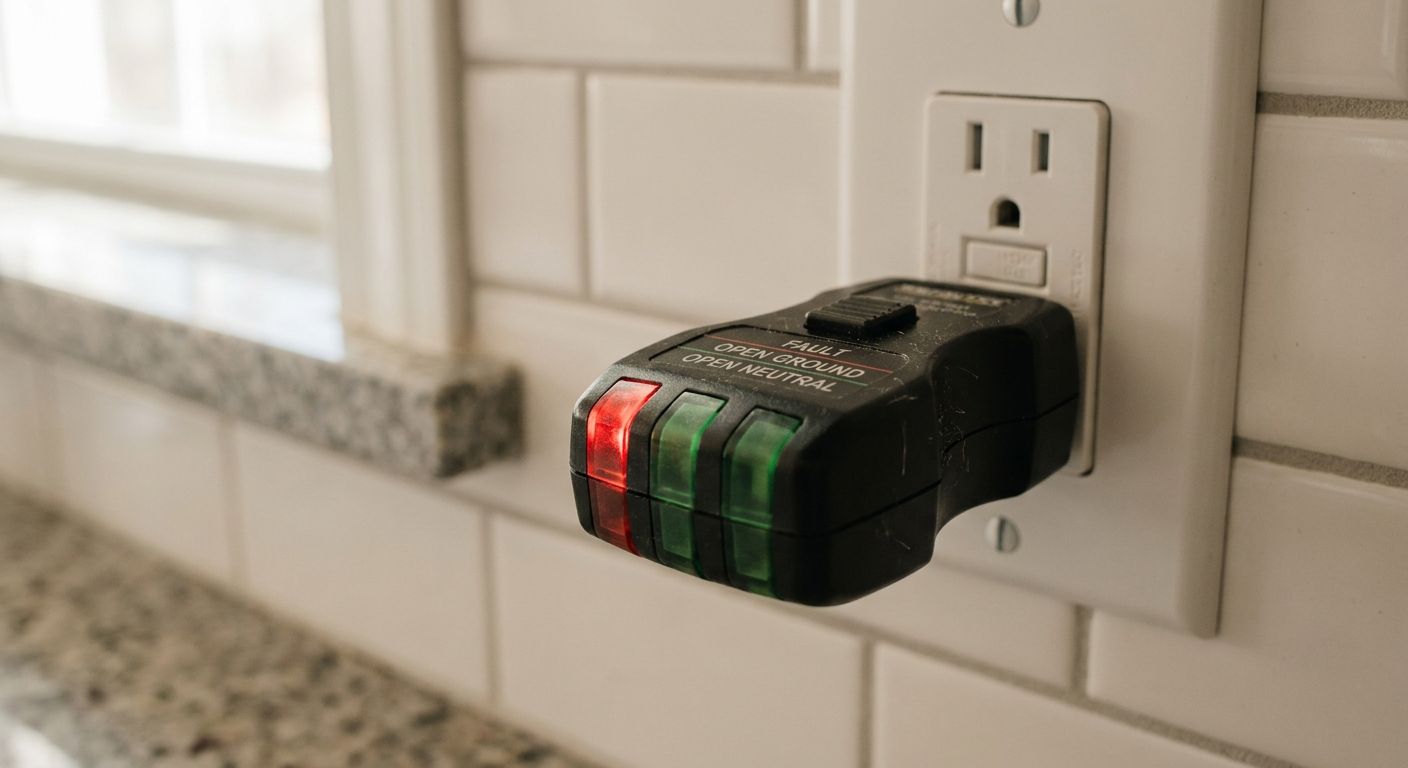
While not mandatory, attending the inspection (especially the last hour for the summary) is invaluable for first-time buyers. It contextualizes the final report. Reading that "the GFCI outlet in the main bathroom is non-functional" sounds scarier than seeing the inspector press a button and say, "This is a simple $20 fix."
Advise them to dress comfortably in clothes they don’t mind getting a little dirty and to bring a notebook to jot down questions.
During the Inspection: What to Expect on the Day
This is where your clients will get their first real, unfiltered look at the home's condition. Managing their experience in real-time is crucial.
The Inspector's Role vs. Your Role
Clarify the roles. The inspector is the neutral, technical expert. Your role is to be their advocate and strategic advisor. Let the inspector work, but be there to listen, facilitate questions, and help your clients process the information.
It Will Take Time (and That's a Good Thing)
A thorough inspection of an average-sized home takes 2-4 hours. Let your clients know this upfront so they can clear their schedules. A rushed inspection is a poor inspection.
They Will Find Things
Prepare them for the fact that the inspector will find dozens of "issues." Most will be minor. It's helpful to give them examples of common, non-alarming findings:
- A loose doorknob or cabinet hinge.
- Minor cracks in driveway concrete or wall plaster.
- A running toilet or a dripping faucet.
- A lack of GFCI outlets in older kitchens/baths.
- Condensation on HVAC lines.
- Dirty air filters.
Seeing these minor items in a long report can be overwhelming. Pre-framing them as normal "homeowner maintenance" items helps reduce anxiety.
The Art of Asking the Right Questions
Encourage your clients to engage with the inspector respectfully. Instead of just pointing out a flaw, they should ask clarifying questions that help them understand the severity:
- "Is this a common issue for a house of this age?"
- "Is this a safety concern or a maintenance item?"
- "What would be a typical way to repair this?"
- "Can you estimate how much life is left in the roof/HVAC/water heater?"
After the Inspection: Deciphering the Report and Planning Next Steps
The report has arrived. This is your moment to shine as a guide and strategist, turning a confusing document into a clear action plan.
The Report Will Look Scary Reassure Them
Acknowledge their initial reaction. "Yes, it's long. Yes, there's a lot of red ink. This is completely normal. Now, let's break it down together." This simple validation can instantly lower their stress levels.
Categorizing the Findings: From Deal-Breakers to DIY
Help your clients triage the report. Ditch the long list and group the findings into simple, actionable categories. This is a critical step that often involves deciphering technical jargon and estimating repair costs a time-consuming task for any agent.
A simple framework to use:
- Major Concerns (The "Must-Address" List): These are the potential deal-breakers or significant negotiation points. This category includes structural issues, safety hazards (e.g., electrical problems), failing major systems (roof, HVAC), or evidence of moisture intrusion.
- Moderate Repairs (The "Plan For It" List): These are items that need attention but aren't immediate emergencies. Think of a water heater nearing the end of its life or a deck that needs resealing.
- Minor Items (The "Homeowner To-Do" List): This includes cosmetic issues, simple fixes, and routine maintenance tasks. These are rarely part of a repair request but are good for the buyer to know.
Navigating the Repair Request
Once you've categorized the issues, the next step is deciding what to ask for. Explain the three main options: asking the seller to perform repairs, requesting a credit toward closing costs, or asking for a price reduction. Each has strategic pros and cons you can help them weigh.
How InspectionResponse.com Transforms This Entire Process
Guiding a first-time buyer through the inspection response is a hallmark of a great agent, but it’s also incredibly time-consuming. Manually sifting through a 60-page PDF, researching costs, and drafting a clear, professional repair addendum can take hours hours you could be spending with your client or on your next lead.
This is where InspectionResponse.com becomes your unfair advantage.
Our AI-powered platform is designed to automate the heavy lifting and empower your strategic guidance. Simply upload the inspection report PDF, and our system gets to work.
- Smart Analysis of Findings: Forget manually categorizing issues. Our AI reads the report, identifies each finding, and intelligently sorts them into categories like "Major Concerns," "Safety Issues," and "Minor Repairs," giving you and your client instant clarity.
- Instant Cost and Time Estimates: Stop guessing what repairs might cost. We provide data-driven cost and time estimates for findings, helping you and your buyers make informed decisions about what to ask for in negotiations.
- Professional Repair Request Generation: In just a few clicks, you can select the findings you want to include and generate a perfectly formatted, professional repair request addendum. You can choose the exact language—requesting a repair, a credit, or a price reduction—saving you hours of tedious writing and ensuring your request is clear and effective.
By using InspectionResponse.com, you not only reclaim your time but also elevate your service. You provide your first-time buyers with data-backed confidence, streamline negotiations, and solidify your reputation as a tech-savvy, client-focused expert.
Conclusion
Preparing first-time home buyers for their home inspection is more than just good service it's a critical strategy for a smooth transaction. By setting expectations, guiding them through the process, and helping them understand the results, you turn a moment of potential panic into an opportunity for empowerment. You build unshakable trust and prove your value far beyond simply opening doors.
Ready to make your next inspection response faster, smarter, and more professional? Explore how InspectionResponse.com can revolutionize your workflow and delight your clients.
Additional Resources
Briefing Document & Key Takeaways
Detailed Briefing Document: Mastering Home Inspections for First-Time Buyers
I. Overview
This briefing document summarizes key strategies for real estate agents to navigate the home inspection process with first-time buyers, transforming a potentially stressful event into a positive, educational, and trust-building experience. It highlights the importance of preparation, clear communication, and strategic post-inspection action, with a focus on leveraging technology to enhance efficiency and service.
The core premise is that "when handled correctly, [the home inspection] can be a powerful tool for building trust and educating your clients." The guide positions the agent as a crucial "guide and strategist," especially when dealing with the "60-page document filled with technical jargon, alarming photos, and a seemingly endless list of 'defects'" that often accompanies an inspection.
II. Main Themes and Key Strategies for Agents
A. Pre-Inspection: Laying the Groundwork for Success
The most critical step is preparation, focusing on "demystify[ing] the process and fram[ing] the inspection as an educational opportunity, not a pass/fail test."
- Explain the True Purpose of the Inspection:
- Discovery, Not Perfection: Emphasize that "the inspector's job is to find issues. No house is perfect, not even new construction." Buyers should expect a list of findings, ranging from "trivial to significant."
- Educational Tool: It's an opportunity for buyers to learn about their potential home's systems (e.g., "where the water shut-off is, how the HVAC system works").
- Negotiation Tool, Not a Wish List: The report provides "leverage for addressing significant health, safety, or structural issues," not "a checklist for the seller to fix every cosmetic flaw."
- Help Them Choose a Qualified Inspector:
- Agents should provide a list of "2-3 trusted, certified, and insured home inspectors."
- Encourage buyers to perform their own due diligence:
- Checking certifications (e.g., ASHI, InterNACHI).
- Reading online reviews.
- Asking for sample reports.
- A good inspector is a "great communicator who can explain complex issues in simple terms without causing undue alarm."
- Strongly Advise Them to Attend:
- Attending, particularly "the last hour for the summary," is "invaluable" for contextualizing the report. Seeing a "simple $20 fix" demonstrated is less alarming than reading it as a "non-functional" item.
- Advise them to dress comfortably and bring a notebook.
B. During the Inspection: Managing Expectations in Real-Time
This phase focuses on clarifying roles and preparing buyers for the volume of findings.
- Clarify Roles:
- Inspector: The "neutral, technical expert."
- Agent: The "advocate and strategic advisor," facilitating questions and helping clients process information.
- Allocate Sufficient Time: A thorough inspection "takes 2-4 hours" for an average home; "a rushed inspection is a poor inspection."
- Prepare for Findings (Even Minor Ones):
- Buyers should be ready for "dozens of 'issues,'" most of which will be minor.
- Provide examples of "common, non-alarming findings" like "a loose doorknob," "minor cracks in driveway concrete," or "dirty air filters." Framing these as "normal 'homeowner maintenance' items helps reduce anxiety."
- Teach the Art of Asking the Right Questions:
- Encourage respectful engagement.
- Suggest questions that clarify severity and solutions:
- "Is this a common issue for a house of this age?"
- "Is this a safety concern or a maintenance item?"
- "What would be a typical way to repair this?"
- "Can you estimate how much life is left in the roof/HVAC/water heater?"
C. After the Inspection: Deciphering the Report and Planning Next Steps
This is where the agent's strategic guidance is paramount.
- Reassure Them About the Report's Appearance: Acknowledge that "Yes, it's long. Yes, there's a lot of red ink. This is completely normal."
- Categorize Findings for Clarity (Triage): Help clients move beyond the overwhelming list by grouping findings. A suggested framework:
- Major Concerns ("Must-Address" List): "Structural issues, safety hazards (e.g., electrical problems), failing major systems (roof, HVAC), or evidence of moisture intrusion." These are potential deal-breakers.
- Moderate Repairs ("Plan For It" List): Items needing attention but not immediate emergencies (e.g., "a water heater nearing the end of its life").
- Minor Items ("Homeowner To-Do" List): Cosmetic issues, simple fixes, and routine maintenance, "rarely part of a repair request."
- Navigate the Repair Request: Explain the three main options:
- Seller performs repairs.
- Request a credit toward closing costs.
- Ask for a price reduction.
- Agents should help weigh the strategic pros and cons of each.
III. Leveraging Technology: The Role of InspectionResponse.com
The process of guiding buyers through inspections, especially categorizing issues and drafting requests, is "incredibly time-consuming." InspectionResponse.com is introduced as a solution to automate this "heavy lifting."
Key Features and Benefits:
- Smart Analysis of Findings: AI reads the report, identifies, and sorts findings into categories (e.g., "Major Concerns," "Safety Issues," "Minor Repairs") for "instant clarity."
- Instant Cost and Time Estimates: Provides "data-driven cost and time estimates" for repairs, enabling "informed decisions."
- Professional Repair Request Generation: Automates the creation of "perfectly formatted, professional repair request addendum[s]" with customizable language (repair, credit, price reduction), saving "hours of tedious writing."
By using such a platform, agents can "reclaim their time," "elevate their service," provide "data-backed confidence," streamline negotiations, and solidify their reputation as "tech-savvy, client-focused expert[s]."
IV. Conclusion
Effective management of the home inspection process is "a critical strategy for a smooth transaction." By proactively setting expectations, offering clear guidance, and leveraging technological tools, real estate agents can transform a potential source of panic into "an opportunity for empowerment," building "unshakable trust" and demonstrating "value far beyond simply opening doors."
Study Guide
Mastering the Home Inspection for First-Time Buyers: A Comprehensive Study Guide
Quiz: Short Answer Questions
- What is the primary purpose of a home inspection according to the source material, and what is it not intended to be?
- Why is it strongly advised for first-time buyers to attend their home inspection, even if only for the summary?
- Name two common, non-alarming findings that an inspector might discover, as mentioned in the "During the Inspection" section.
- Besides simply pointing out a flaw, what type of clarifying questions are buyers encouraged to ask the inspector? Provide two examples.
- What are the three main options buyers have when deciding what to ask for based on the inspection report?
- How does the source describe the typical initial reaction of clients when they receive a 60-page inspection report?
- What is the real estate agent's role during the inspection, distinguishing it from the inspector's role?
- According to the guide, what are "Major Concerns" in the context of categorizing inspection findings?
- How does InspectionResponse.com claim to assist real estate agents with "Smart Analysis of Findings"?
- What is one way InspectionResponse.com aims to save agents time regarding the repair request process?
Answer Key
- The primary purpose of a home inspection is an objective, visual assessment of the home's physical condition on the day of the inspection. It is explicitly stated that it is not a test of the home's worthiness or a pass/fail test.
- Attending the inspection, especially the last hour, is invaluable because it contextualizes the final report. Seeing an issue demonstrated and explained by the inspector makes it less alarming than simply reading it in a document.
- Two common, non-alarming findings include a loose doorknob or cabinet hinge, minor cracks in driveway concrete or wall plaster, a running toilet or dripping faucet, a lack of GFCI outlets in older kitchens/baths, condensation on HVAC lines, or dirty air filters.
- Buyers are encouraged to ask clarifying questions that help them understand the severity of an issue. Examples include: "Is this a common issue for a house of this age?", "Is this a safety concern or a maintenance item?", "What would be a typical way to repair this?", or "Can you estimate how much life is left in the roof/HVAC/water heater?".
- The three main options buyers have are asking the seller to perform repairs, requesting a credit toward closing costs, or asking for a price reduction.
- The source describes the typical initial reaction to a 60-page inspection report as turning excitement into panic, stating that the report will "look scary."
- The real estate agent's role during the inspection is to be the client's advocate and strategic advisor, listening, facilitating questions, and helping clients process information, while letting the inspector work as the neutral, technical expert.
- "Major Concerns" are described as potential deal-breakers or significant negotiation points. This category includes structural issues, safety hazards (e.g., electrical problems), failing major systems (roof, HVAC), or evidence of moisture intrusion.
- InspectionResponse.com's AI-powered platform reads the uploaded inspection report PDF, identifies each finding, and intelligently sorts them into categories like "Major Concerns," "Safety Issues," and "Minor Repairs," providing instant clarity.
- InspectionResponse.com aims to save agents hours of tedious writing by allowing them to select findings and generate a perfectly formatted, professional repair request addendum in just a few clicks, choosing the exact language for the request.
Essay Format Questions
- Discuss how a real estate agent can transform the home inspection from a potential "deal-killer" into a "value-affirming experience" for first-time buyers. Reference specific strategies mentioned in the guide for before, during, and after the inspection.
- Explain the importance of setting accurate expectations for first-time homebuyers regarding the home inspection. Detail the key concepts an agent should convey about the true purpose of the inspection and how this preparation benefits both the client and the agent.
- Analyze the role of communication throughout the home inspection process, from choosing a qualified inspector to deciphering the final report. How does effective communication, both from the inspector and the agent, mitigate anxiety and facilitate a smoother transaction?
- Evaluate the strategic pros and cons of the three main options for addressing inspection findings (seller repairs, closing cost credit, price reduction). How can a real estate agent guide a first-time buyer in choosing the most appropriate option for their situation?
- Based on the provided text, describe how technology, specifically platforms like InspectionResponse.com, aims to enhance the real estate agent's efficiency and client service in managing the home inspection response phase. What specific challenges does it claim to address?
Glossary of Key Terms
- ASHI (American Society of Home Inspectors): A professional organization that sets standards and provides certification for home inspectors.
- Closing: The final stage in a real estate transaction where property ownership is transferred from seller to buyer.
- Closing Costs: Various fees and expenses beyond the property price that buyers and sellers typically incur to complete a real estate transaction.
- Cosmetic Flaw: A minor imperfection in the appearance of a home that does not affect its function or safety.
- Deal-killer: An issue or obstacle that causes a real estate transaction to fall through.
- Demystify: To make something clearer and easier to understand, especially when it is complex or confusing.
- Due Diligence: The research and investigation undertaken by a party to a transaction, such as a homebuyer, to ensure all relevant facts are known before making a decision.
- GFCI Outlet (Ground-Fault Circuit Interrupter): A type of electrical outlet designed to protect people from electric shock by detecting current imbalances and quickly shutting off power. Often required in wet areas like kitchens and bathrooms.
- HVAC System (Heating, Ventilation, and Air Conditioning): The system responsible for controlling the temperature and air quality within a building.
- InterNACHI (International Association of Certified Home Inspectors): Another prominent professional organization that provides training, certification, and standards for home inspectors.
- Leverage: The power or advantage to influence a situation, often used in negotiations.
- Moisture Intrusion: Water entering a building where it is not intended to be, which can lead to damage, mold, and structural issues.
- Negotiation Tool: The inspection report's findings can be used by buyers to request repairs, credits, or price reductions from the seller.
- Objective Assessment: An evaluation based on facts and observations rather than personal feelings or opinions.
- Repair Addendum: A document added to the original purchase agreement that details specific repairs, credits, or price adjustments requested by the buyer based on the home inspection.
- Triage: The process of prioritizing issues based on their severity and urgency, in this context, categorizing inspection findings.
- Visual Assessment: An inspection based solely on what can be seen, without dismantling components or using invasive methods.
Frequently Asked Questions
What is the primary purpose of a home inspection for first-time buyers?
The main purpose of a home inspection is to provide an objective, visual assessment of a home's physical condition on the day of the inspection. It's not a pass/fail test of the home's worthiness, but rather a tool for discovery and education. For first-time buyers, it's an invaluable opportunity to learn the intricacies of their potential new home, understand its current state, and identify any issues ranging from minor to significant. It also serves as a crucial negotiation tool to address major health, safety, or structural concerns with the seller.
How can first-time buyers effectively prepare for a home inspection?
Preparation is key to a successful home inspection experience. Buyers should understand that the inspection is for discovery, not perfection, and that even new homes will have findings. They should choose a qualified, certified, and insured inspector (checking credentials like ASHI or InterNACHI, reading reviews, and asking for sample reports). It's also strongly advised for buyers to attend the inspection, especially the summary at the end, as it helps contextualize the findings and makes the final report less alarming. They should come prepared to ask clarifying questions and take notes.
What should first-time buyers expect during the home inspection itself?
During the inspection, buyers should expect it to be a thorough process, typically lasting 2-4 hours. It's important to understand that the inspector is a neutral, technical expert whose role is to identify issues. Buyers should anticipate that the inspector will find multiple items, most of which will be minor and considered normal homeowner maintenance (e.g., loose doorknobs, minor cracks, dirty air filters). Buyers should be encouraged to ask questions that help them understand the severity and typical repair solutions, rather than just pointing out flaws.
How should first-time buyers interpret and categorize the findings in a home inspection report?
After receiving the often lengthy and technical report, first-time buyers should not panic, as a detailed report with many findings is normal. It's crucial to categorize the findings to make them manageable and actionable. A helpful framework includes:
- Major Concerns: These are potential deal-breakers or significant negotiation points, such as structural issues, safety hazards (e.g., electrical problems), failing major systems (roof, HVAC), or evidence of moisture intrusion.
- Moderate Repairs: Items that need attention but aren't immediate emergencies, like a water heater nearing its end of life or a deck needing resealing.
- Minor Items: Cosmetic issues, simple fixes, and routine maintenance tasks that buyers can handle themselves and are rarely part of a repair request.
What are the common negotiation options after receiving a home inspection report?
Once the findings are categorized, buyers typically have three main options for negotiating with the seller:
- Requesting the seller to perform specific repairs: This involves asking the seller to fix the identified issues before closing.
- Requesting a credit toward closing costs: Instead of repairs, the buyer asks for a monetary credit at closing to cover the cost of repairs they will undertake themselves after purchase.
- Asking for a price reduction: The buyer requests a reduction in the home's purchase price to account for the necessary repairs. The best option depends on the nature of the issues and the buyer's preferences.
How can an AI-powered platform like InspectionResponse.com assist in the home inspection process?
InspectionResponse.com automates and streamlines several time-consuming aspects of the post-inspection process. It uses AI to:
- Smartly analyze and categorize findings: Automatically sorting issues into "Major Concerns," "Safety Issues," and "Minor Repairs" from an uploaded PDF report.
- Provide instant cost and time estimates: Offering data-driven estimates for repairs, helping buyers make informed decisions.
- Generate professional repair requests: Allowing users to select desired findings and create a perfectly formatted repair addendum, specifying whether they want a repair, credit, or price reduction, saving hours of manual work.
Why is attending the home inspection important for first-time buyers?
Attending the home inspection, especially the final hour for the summary, is invaluable for first-time buyers because it provides critical context to the written report. Seeing the inspector physically demonstrate an issue, like a non-functional GFCI outlet, and explain it as a simple, inexpensive fix, can significantly reduce the anxiety that might arise from merely reading a technical description in a report. It allows buyers to ask real-time questions and gain a better understanding of their potential home's condition.
Beyond identifying problems, what educational benefits does a home inspection offer first-time buyers?
A home inspection serves as an extensive educational opportunity for first-time buyers. It's their chance to learn practical details about their potential new home, such as the location of the water shut-off valve, how the HVAC system operates, and what routine maintenance tasks will be required in the coming years. This knowledge empowers them to become more informed homeowners, understand the long-term upkeep of their property, and prepare for future maintenance needs, far beyond just identifying immediate repair issues.