Top 25 Water-Related Findings on a Home Inspection Report (& How to Fix Them)
Podcast Overview
As a real estate professional, you know that pivotal moment when the home inspection report arrives. It can feel like a deal-maker or a deal-breaker, and more often than not, the chief villain in these reports is one simple, powerful element: water. From a tiny drip under a sink to a major foundation issue, water-related findings can cause panic for buyers and frustration for sellers. This guide is designed specifically for you. It’s a tool to transform that moment of uncertainty into an opportunity to demonstrate your expertise. By understanding the top 25 most common water-related findings, you can proactively educate your clients, set realistic expectations, and navigate inspection negotiations with the confidence that closes deals.
Category 1: Exterior & Drainage (The First Line of Defense)
Why It Matters: Every water problem that isn't related to plumbing starts here. The entire exterior of your home roof, walls, windows, and grading is designed as a comprehensive system to shed water and direct it safely away from the foundation. A failure in any single component can compromise the entire system, allowing water to get in where it can cause rot, mold, and structural damage.
Common Findings Recap: Negative grading, clogged gutters, improper downspouts, damaged roofing, failed flashing, and poor window/door seals.
Homeowner Preventative Measures:
- Gutter and Downspout Maintenance (Twice a Year): In late spring and late fall, completely clear your gutters of leaves, shingle grit, and other debris. While you're there, check that the gutters are still securely attached to the house. Flush the downspouts with a hose to ensure they are clear.
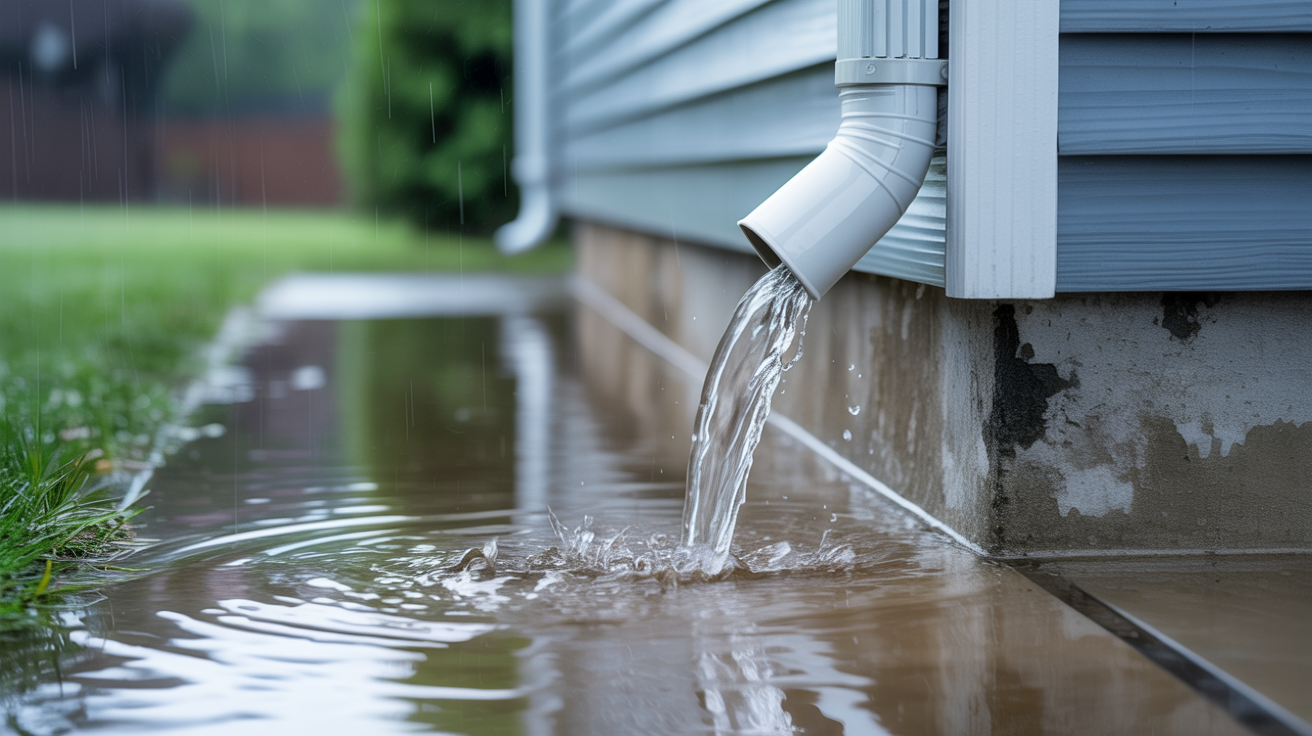
- Downspout Extension Check (Annual): Walk around your house and confirm every downspout discharges at least 4-6 feet away from the foundation. Splash blocks or buried extensions are excellent for this. Make sure they haven't been moved by lawnmowers or foot traffic.
- Grade Inspection (Annual): After a heavy rain, observe how water flows around your house. Does it pool near the foundation? The ground should slope away from your foundation for at least 10 feet (a drop of about 6 inches is ideal). If you see low spots, bring in clean fill dirt or topsoil to build up the grade. This is one of the most effective and often least expensive major fixes.
- Roof "Inspection" from the Ground (Twice a Year): You don't need to get on the roof. Use binoculars to scan for missing, cracked, or curling shingles. Pay close attention to the metal flashing around chimneys, skylights, and in roof "valleys," looking for signs of rust or lifted sections. If you see anything suspicious, hire a qualified roofer to perform a hands-on inspection.
- Sealant and Caulking Check (Annual): Inspect the caulk around all windows, doors, and any penetrations through your siding (like vents, pipes, and electrical conduits). If it's cracked, peeling, or missing, carefully remove the old caulk and apply a new bead of high-quality exterior-grade sealant.
Category 2: Basement, Crawl Space & Foundation (Where Water Collects)
Why It Matters: This is the substructure of your home. If the exterior defenses are breached, this is where water ends up. Chronic moisture in a basement or crawl space leads to mold, wood rot in the floor framing, pest infestations, and can even compromise the foundation's integrity through hydrostatic pressure.
Common Findings Recap: Efflorescence, active water seepage, sump pump failure, and high crawl space humidity.
Homeowner Preventative Measures:
- Sump Pump Testing (Quarterly): A sump pump is your last line of defense against flooding. Test it by slowly pouring a 5-gallon bucket of water into the sump pit. The pump should activate, pump the water out, and shut off automatically. Ensure the exterior discharge line is clear and not frozen in the winter. Consider installing a battery backup sump pump for protection during power outages.
- Control Humidity (Ongoing): If your basement or crawl space feels damp or smells musty, run a dehumidifier and set it to maintain a relative humidity below 50%. This makes the environment inhospitable to mold growth.
- Crawl Space Vapor Barrier Check (Annual): If you have a crawl space, ensure the plastic vapor barrier completely covers the soil. Look for tears, gaps, or areas where it has been pulled back. Repair any damage with heavy-duty tape.
- Foundation Wall Inspection (Annual): Walk the interior and exterior of your foundation and look for new cracks. Seal minor, non-structural hairline cracks with an epoxy or polyurethane injection kit to prevent them from becoming water pathways. For horizontal cracks or any crack wider than 1/8 inch, consult a structural engineer immediately.
- Check Interior Water Sources: Ensure your clothes dryer vents directly to the exterior, not into the crawl space or basement. Fix any plumbing drips immediately.
Category 3: Interior Plumbing & Fixtures (Active Leaks & Damage)
Why It Matters: Unlike rainwater, which is intermittent, a plumbing leak can be a constant source of water 24/7. These leaks are often slow and hidden, silently causing massive rot and mold damage to subfloors, cabinets, and walls before they are ever discovered.
Common Findings Recap: Leaks under sinks, leaking toilets, failed shower/tub surrounds, and water stains on ceilings.
Homeowner Preventative Measures:
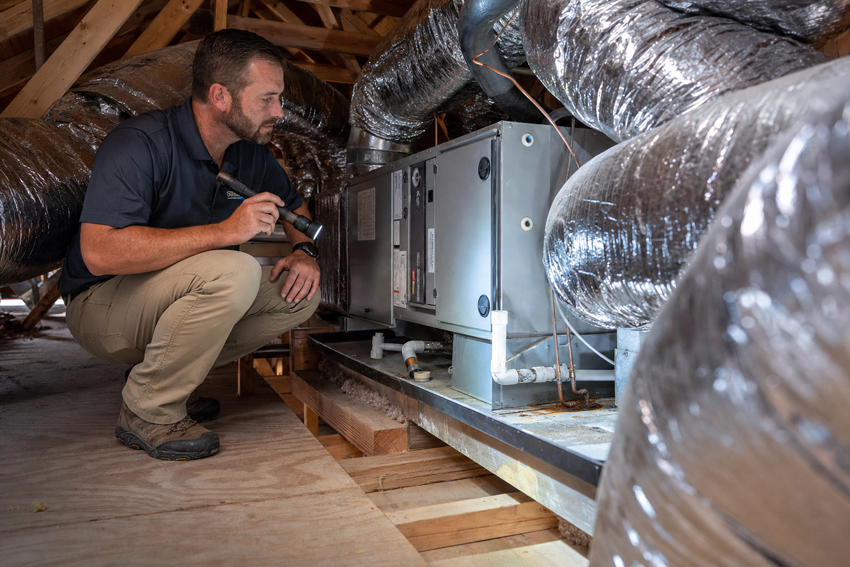
- Routine "Flashlight Patrol" (Monthly): Once a month, take a good flashlight and look under every sink in the house (kitchen, bathrooms). Check the drain lines (P-traps), the hot/cold supply lines, and shut-off valves for any signs of drips or corrosion. Open the cabinet doors and feel for dampness.
- The Toilet Test (Twice a Year): Check for a loose toilet by gently trying to rock it; it should be solid. Look for any discoloration in the flooring around the base. To check for a silent tank leak (which wastes water), put a few drops of food coloring in the tank, wait 20 minutes without flushing, and see if any color appears in the bowl. If it does, the flapper needs to be replaced.
- Maintain Grout and Caulk (As Needed): The caulk sealing the seam between your tub/shower and the floor/wall is a critical water barrier. When it starts to crack or peel, scrape it all out and apply a fresh, clean bead of kitchen/bath-grade silicone caulk.
- Know Your Main Water Shut-Off: Every adult in the home should know the location of the main water shut-off valve and how to operate it. In a major pipe burst, this knowledge can save you from catastrophic damage.
- Investigate Stains Immediately: Never ignore a water stain on a ceiling or wall. Even if it feels dry, it's evidence of a past or intermittent leak. Find the source (roof, bathroom above, etc.) and get it fixed.
Category 4: Appliances & Major Systems
Why It Matters: Appliances that use water combine plumbing, mechanical parts, and electricity, making them common points of failure. A burst washing machine hose or a failed water heater can release an enormous amount of water in a very short time.
Common Findings Recap: Leaking water heaters, failed washing machine hoses, dishwasher leaks, and clogged HVAC condensate drains.
Homeowner Preventative Measures:
- Upgrade Washing Machine Hoses (Proactive): If your washing machine has standard black rubber hoses, replace them immediately with braided steel hoses. Mark your calendar to replace even the steel hoses every 5-7 years. This is a cheap and easy upgrade that prevents a very common and devastating flood.
- Water Heater Inspection (Annual): Look for any signs of dripping or rust around the base of the tank, plumbing connections, and the Temperature & Pressure Relief (TPR) valve. A leaking tank cannot be repaired and requires immediate replacement. Consider placing a water alarm on the floor next to the heater.
- Clean the AC Condensate Line (Twice a Year): During cooling season, your AC unit produces condensation that drains away. This drain line can get clogged with algae and sludge. Pour a cup of distilled vinegar down the line (usually a PVC pipe near the indoor unit) every few months to keep it clear and prevent backups and overflows.
- Dishwasher and Refrigerator Check (Annual): Gently pull the dishwasher out to check the supply and drain lines for leaks. Do the same for your refrigerator's icemaker line, as these small plastic lines can become brittle and crack.
Category 5: Attic & Hidden Issues
Why It Matters: Problems in the attic are "out of sight, out of mind" and can develop for years. Moisture in an attic doesn't just come from roof leaks; it also comes from warm, moist air rising from the house. This can lead to roof sheathing rot, mold growth, and damaged insulation, reducing your home's energy efficiency.
Common Findings Recap: Evidence of roof leaks, poor ventilation, and improperly routed bathroom fans.
Homeowner Preventative Measures:
- Attic Inspection (Twice a Year): On a sunny day, poke your head into the attic. Turn off the lights and look for any pinpricks of light coming through the roof a sign of a nail hole or other breach. Then, with a powerful flashlight, inspect the underside of the roof sheathing for dark stains, especially around vent pipes and chimneys. Also, inspect the attic after a heavy, wind-driven rain to look for active drips.
- Check for Proper Ventilation (Annual): Good attic ventilation requires intake (at the soffits/eaves) and exhaust (at the ridge or gables). Ensure that insulation is not blocking the soffit vents, preventing air from flowing in.
- Confirm Bathroom Fan Venting (One-Time Check): Make sure your bathroom exhaust fans are vented all the way to the outside through a dedicated roof or wall vent. A fan that terminates in the attic is just pumping warm, humid air directly onto your wood framing and insulation a recipe for mold.
- Prevent Ice Dams (Winter Prep): Ice dams are caused by heat escaping from the living space into the attic, melting snow on the roof, which then refreezes at the colder eaves. The long-term fix is to air-seal your ceiling (e.g., around light fixtures) and add more insulation. The short-term prevention is to keep your gutters clean so melting water has a place to go.
Navigating a home inspection report filled with water-related issues doesn’t have to derail a transaction. For every problem, there is a solution, and knowledge is the key to finding it. For you, the agent, this knowledge is a superpower. It allows you to shift from reacting to a scary-looking report to proactively advising your clients on the next steps, whether they are buying or selling. We encourage you to use this guide as a resource share it with your clients to prepare them, use it to frame your negotiations, and refer to it to differentiate between minor fixes and major red flags. When you can calmly and confidently explain these common findings, you become more than an agent you become an indispensable advisor, skillfully guiding your clients to a successful and confident closing.
And as always, if you need help navigating a dense inspection report with water issues, check out InspectionResponse.com.
Additional Resources
Briefing Document & Key Takeaways
Briefing Document: Navigating Water Damage in Real Estate
This briefing document summarizes key themes, ideas, and facts regarding water damage in residential properties, drawing from the "Water Damage: Real Estate Agent's Inspection Guide." It aims to equip real estate professionals with the knowledge to proactively address water-related findings, educate clients, and navigate inspection negotiations effectively.
I. Overarching Theme: Water as the "Chief Villain" in Home Inspections
The central premise of the guide is that water is the most common and significant issue identified in home inspection reports. It states, "more often than not, the chief villain in these reports is one simple, powerful element: water." Understanding and addressing water damage is presented as a "superpower" for real estate agents, allowing them to transform uncertainty into an opportunity to demonstrate expertise. The guide emphasizes that "for every problem, there is a solution, and knowledge is the key to finding it."
II. The Comprehensive Nature of Water Damage and its Consequences
Water damage is not isolated to a single component of a home but can affect various systems and lead to diverse problems. The guide highlights that water-related findings can cause "panic for buyers and frustration for sellers." The consequences of water intrusion are serious and include:
- Rot, Mold, and Structural Damage: "A failure in any single component can compromise the entire system, allowing water to get in where it can cause rot, mold, and structural damage."
- Pest Infestations: Chronic moisture in basements or crawl spaces can lead to "pest infestations."
- Compromised Foundation Integrity: Hydrostatic pressure from water can "compromise the foundation's integrity."
- Reduced Energy Efficiency: Damaged insulation due to moisture in the attic can reduce "your home's energy efficiency."
III. Categorization of Water-Related Findings and Their Significance
The guide organizes common water-related findings into five key categories, each with its "Why It Matters" explanation, emphasizing the importance of addressing issues in that specific area:
- Exterior & Drainage (The First Line of Defense):
- Why It Matters: "Every water problem that isn't related to plumbing starts here. The entire exterior of your home roof, walls, windows, and grading is designed as a comprehensive system to shed water and direct it safely away from the foundation."
- Common Findings Recap: Negative grading, clogged gutters, improper downspouts, damaged roofing, failed flashing, and poor window/door seals.
- Basement, Crawl Space & Foundation (Where Water Collects):
- Why It Matters: "This is the substructure of your home. If the exterior defenses are breached, this is where water ends up."
- Common Findings Recap: Efflorescence, active water seepage, sump pump failure, and high crawl space humidity.
- Interior Plumbing & Fixtures (Active Leaks & Damage):
- Why It Matters: "Unlike rainwater, which is intermittent, a plumbing leak can be a constant source of water 24/7. These leaks are often slow and hidden, silently causing massive rot and mold damage to subfloors, cabinets, and walls before they are ever discovered."
- Common Findings Recap: Leaks under sinks, leaking toilets, failed shower/tub surrounds, and water stains on ceilings.
- Appliances & Major Systems:
- Why It Matters: "Appliances that use water combine plumbing, mechanical parts, and electricity, making them common points of failure. A burst washing machine hose or a failed water heater can release an enormous amount of water in a very short time."
- Common Findings Recap: Leaking water heaters, failed washing machine hoses, dishwasher leaks, and clogged HVAC condensate drains.
- Attic & Hidden Issues:
- Why It Matters: "Problems in the attic are 'out of sight, out of mind' and can develop for years. Moisture in an attic doesn't just come from roof leaks; it also comes from warm, moist air rising from the house."
- Common Findings Recap: Evidence of roof leaks, poor ventilation, and improperly routed bathroom fans.
IV. Proactive Homeowner Preventative Measures
A significant portion of the guide is dedicated to empowering homeowners with actionable preventative measures, categorized by the area of the home. These measures are designed to be routine, often inexpensive, and highly effective in mitigating water damage risks. Key examples include:
- Gutter and Downspout Maintenance: "Completely clear your gutters of leaves... Flush the downspouts with a hose." Downspouts should discharge "at least 4-6 feet away from the foundation."
- Grade Inspection: The ground should "slope away from your foundation for at least 10 feet (a drop of about 6 inches is ideal)."
- Roof "Inspection" from the Ground: Use binoculars to "scan for missing, cracked, or curling shingles."
- Sump Pump Testing: "Test it by slowly pouring a 5-gallon bucket of water into the sump pit."
- Humidity Control: In basements/crawl spaces, run a dehumidifier to "maintain a relative humidity below 50%."
- Routine "Flashlight Patrol": Monthly inspection "under every sink... for any signs of drips or corrosion."
- Upgrade Washing Machine Hoses: "Replace them immediately with braided steel hoses."
- Clean AC Condensate Line: Pour "a cup of distilled vinegar down the line" periodically.
- Attic Inspection: Look for "pinpricks of light coming through the roof" and "dark stains" on roof sheathing.
- Confirm Bathroom Fan Venting: Ensure fans are "vented all the way to the outside," not into the attic.
- Know Your Main Water Shut-Off: "Every adult in the home should know the location... and how to operate it."
- Investigate Stains Immediately: "Never ignore a water stain on a ceiling or wall."
V. Agent's Role: Expertise, Education, and Negotiation
The guide positions real estate agents as crucial advisors in navigating water damage. It emphasizes that agents can "transform that moment of uncertainty into an opportunity to demonstrate your expertise." By understanding these common findings, agents can:
- Proactively educate clients: "set realistic expectations."
- Navigate inspection negotiations with confidence: "that closes deals."
- Shift from reacting to advising: "calmly and confidently explain these common findings."
- Become an indispensable advisor: "skillfully guiding your clients to a successful and confident closing."
Ultimately, the goal is to empower agents to differentiate between "minor fixes and major red flags" and provide informed guidance, strengthening client relationships and facilitating smoother transactions.
Study Guide
Water Damage: Real Estate Agent's Inspection Guide - Study Guide
This guide is designed to help real estate professionals understand and explain the most common water-related issues found during home inspections. By mastering this information, agents can better advise clients, set expectations, and navigate negotiations with confidence.
I. Core Concepts & Importance
- The "Villain": Water is frequently the primary cause of concern in home inspection reports.
- Agent's Role: Understanding water-related findings allows agents to educate clients, manage expectations, and effectively negotiate.
- Proactive vs. Reactive: This knowledge transforms uncertainty into an opportunity to demonstrate expertise and guide clients.
- Consequences of Water Damage: Can lead to rot, mold, structural damage, pest infestations, compromised foundations, and reduced energy efficiency.
II. Categories of Water-Related Findings & Preventative Measures
Category 1: Exterior & Drainage (The First Line of Defense)
- Why It Matters: The entire exterior system (roof, walls, windows, grading) is designed to shed water away from the foundation. Failure here compromises the whole system.
- Common Findings: Negative grading, clogged gutters, improper downspouts, damaged roofing, failed flashing, poor window/door seals.
- Homeowner Preventative Measures:Gutter and Downspout Maintenance: Clear debris twice a year (late spring/fall). Ensure secure attachment and clear downspouts.
- Downspout Extension Check: Annually confirm discharge 4-6 feet from the foundation.
- Grade Inspection: Annually observe water flow after heavy rain; ensure ground slopes away for at least 10 feet (6-inch drop ideal). Fill low spots.
- Roof "Inspection" from the Ground: Twice a year, use binoculars to check for damaged shingles, rust/lifted flashing. Hire a professional for hands-on inspection if suspicious.
- Sealant and Caulking Check: Annually inspect/replace cracked, peeling caulk around windows, doors, and penetrations.
Category 2: Basement, Crawl Space & Foundation (Where Water Collects)
- Why It Matters: Substructure of the home. Breached exterior defenses lead to water accumulation, causing mold, wood rot, pests, and potential foundation compromise (hydrostatic pressure).
- Common Findings: Efflorescence, active water seepage, sump pump failure, high crawl space humidity.
- Homeowner Preventative Measures:Sump Pump Testing: Quarterly test by pouring 5 gallons of water; ensure proper activation/shut-off and clear discharge. Consider battery backup.
- Control Humidity: Maintain relative humidity below 50% with a dehumidifier.
- Crawl Space Vapor Barrier Check: Annually inspect for tears/gaps; repair with heavy-duty tape.
- Foundation Wall Inspection: Annually check for new cracks. Seal minor hairline cracks. Consult a structural engineer for horizontal cracks or those wider than 1/8 inch.
- Check Interior Water Sources: Ensure dryer vents exterior; fix plumbing drips immediately.
Category 3: Interior Plumbing & Fixtures (Active Leaks & Damage)
- Why It Matters: Constant water source (unlike rainwater) leading to hidden, severe rot and mold damage.
- Common Findings: Leaks under sinks, leaking toilets, failed shower/tub surrounds, water stains on ceilings.
- Homeowner Preventative Measures:Routine "Flashlight Patrol": Monthly check under sinks for drips/corrosion (drain lines, supply lines, shut-off valves).
- The Toilet Test: Twice a year – check for looseness, floor discoloration. Food coloring test for silent tank leaks (flapper replacement if needed).
- Maintain Grout and Caulk: Replace cracked/peeling caulk around tubs/showers with fresh silicone caulk.
- Know Your Main Water Shut-Off: All adults should know its location and operation.
- Investigate Stains Immediately: Never ignore water stains; find the source and fix it.
Category 4: Appliances & Major Systems
- Why It Matters: Combination of plumbing, mechanical, and electrical parts makes them prone to failure; can release large volumes of water quickly.
- Common Findings: Leaking water heaters, failed washing machine hoses, dishwasher leaks, clogged HVAC condensate drains.
- Homeowner Preventative Measures:Upgrade Washing Machine Hoses: Replace rubber hoses with braided steel; replace steel hoses every 5-7 years.
- Water Heater Inspection: Annually check for drips/rust. Leaking tanks require replacement. Consider a water alarm.
- Clean the AC Condensate Line: Twice a year, pour distilled vinegar down the line to prevent clogs.
- Dishwasher and Refrigerator Check: Annually pull out to check supply/drain lines for leaks (including icemaker line).
Category 5: Attic & Hidden Issues
- Why It Matters: "Out of sight, out of mind" problems can develop over years, leading to rot, mold, and reduced energy efficiency. Moisture can come from roof leaks or rising humid air.
- Common Findings: Evidence of roof leaks, poor ventilation, improperly routed bathroom fans.
- Homeowner Preventative Measures:Attic Inspection: Twice a year (sunny day for light, after heavy rain for drips). Look for pinpricks of light or dark stains on sheathing.
- Check for Proper Ventilation: Annually ensure insulation isn't blocking soffit vents.
- Confirm Bathroom Fan Venting: One-time check to ensure fans vent all the way to the outside, not into the attic.
- Prevent Ice Dams: Air-seal ceilings and add insulation (long-term). Keep gutters clean (short-term).
III. Agent's Superpower
- Knowledge is Key: Enables shifting from reacting to advising.
- Differentiation: Use this guide to distinguish between minor fixes and major red flags.
- Indispensable Advisor: Calmly and confidently explaining findings builds trust and leads to successful closings.
Quiz: Water Damage Essentials
Instructions: Answer each question in 2-3 sentences.
- Why is understanding water-related findings in a home inspection report particularly important for real estate agents?
- List three common findings associated with the "Exterior & Drainage" category.
- What is "negative grading" and why is it problematic for a home's foundation?
- Describe the quarterly preventative measure for a sump pump and explain its purpose.
- What potential issues arise from chronic moisture in a basement or crawl space?
- How can a homeowner check for a silent toilet tank leak, and what does it indicate if a leak is present?
- What crucial step should homeowners take regarding their washing machine hoses, and why is it important?
- Why should a homeowner never ignore a water stain on a ceiling or wall, even if it appears dry?
- Explain why proper attic ventilation is critical and what two types of ventilation are needed.
- What is an ice dam, and what is a long-term preventative measure for it?
Quiz Answer Key
- Understanding water-related findings allows real estate agents to proactively educate clients, set realistic expectations, and confidently navigate inspection negotiations. This knowledge transforms potential deal-breakers into opportunities to demonstrate expertise and guide clients towards successful closings.
- Three common findings associated with the "Exterior & Drainage" category are negative grading, clogged gutters, and damaged roofing. These issues can prevent water from being properly directed away from the home's foundation.
- Negative grading refers to the ground sloping towards the home's foundation rather than away from it. This is problematic because it causes water to pool near the foundation, increasing the risk of seepage into the basement or crawl space, leading to structural damage and moisture issues.
- The quarterly preventative measure for a sump pump involves slowly pouring a 5-gallon bucket of water into the sump pit to ensure it activates, pumps water out, and shuts off automatically. This test confirms the pump's operational readiness, which is crucial as it serves as the last line of defense against basement flooding.
- Chronic moisture in a basement or crawl space can lead to several significant issues, including mold growth, wood rot in the floor framing, and pest infestations. Furthermore, it can compromise the foundation's integrity due to hydrostatic pressure, potentially causing costly structural damage.
- A homeowner can check for a silent toilet tank leak by putting a few drops of food coloring into the tank, waiting 20 minutes without flushing, and observing if any color appears in the bowl. If color appears, it indicates that the flapper needs to be replaced, as it's failing to create a proper seal.
- Homeowners should immediately upgrade standard black rubber washing machine hoses to braided steel hoses and replace even steel hoses every 5-7 years. This is important because failing hoses are a common cause of devastating floods, and this simple, inexpensive upgrade can prevent significant water damage.
- A homeowner should never ignore a water stain on a ceiling or wall, even if it feels dry, because it signifies evidence of a past or intermittent leak. Ignoring it means a hidden problem could be causing ongoing damage, such as mold or rot, and the source needs to be identified and fixed promptly.
- Proper attic ventilation is critical to prevent moisture buildup, which can lead to roof sheathing rot, mold growth, and damaged insulation, thus reducing energy efficiency. Good ventilation requires both intake (at soffits/eaves) and exhaust (at the ridge or gables) to ensure continuous airflow.
- An ice dam is formed when heat escaping from the living space melts snow on the roof, which then refreezes at the colder eaves, creating a barrier that traps additional melting water. A long-term preventative measure involves air-sealing the ceiling (e.g., around light fixtures) and adding more insulation to minimize heat loss into the attic.
Essay Format Questions
- Discuss the interconnectedness of the five water-related categories in the guide. How can a problem in one category exacerbate or lead to issues in another, and what does this imply for a holistic approach to home maintenance?
- Imagine you are advising a first-time homebuyer who is overwhelmed by a home inspection report detailing multiple water-related issues. Outline your strategy for explaining the report, prioritizing fixes, and empowering the buyer to proceed confidently.
- Compare and contrast the preventative measures for "Exterior & Drainage" with those for "Basement, Crawl Space & Foundation." How do these two categories represent different stages of defense against water intrusion, and what are the implications if the first line of defense fails?
- The guide emphasizes that "knowledge is a superpower" for real estate agents. Elaborate on how an agent's deep understanding of common water findings can influence client trust, negotiation outcomes, and their professional reputation. Provide specific examples.
- Choose two homeowner preventative measures from different categories that you believe are the most crucial for preventing significant water damage and maintaining a home's value. Justify your choices by explaining the potential consequences if these measures are neglected.
Glossary of Key Terms
- Active Water Seepage: The visible entry of water into a basement or crawl space, often through cracks or joints in the foundation.
- Air-seal: The process of sealing cracks and openings in a home's building envelope (e.g., around light fixtures in the ceiling) to prevent unwanted air movement between conditioned and unconditioned spaces, often to prevent heat loss into an attic.
- Braided Steel Hoses: Reinforced washing machine hoses designed to be more durable and less prone to bursting than standard rubber hoses, reducing the risk of floods.
- Condensate Drain: A pipe or line that carries away the water (condensation) produced by air conditioning units or high-efficiency furnaces. Can become clogged with algae.
- Crawl Space Vapor Barrier: A sheet of plastic or other impermeable material laid over the soil in a crawl space to prevent ground moisture from evaporating and entering the home's structure, reducing humidity and mold growth.
- Downspouts: Vertical pipes attached to gutters that carry rainwater from the roof to the ground, directing it away from the foundation.
- Efflorescence: A white, powdery, or crystalline deposit that appears on the surface of concrete, brick, or stone, caused by water dissolving salts within the material and then evaporating, leaving the salt residue behind. Often indicates past or present moisture.
- Exterior-Grade Sealant: A type of caulk or sealant specifically designed for outdoor use, formulated to withstand weather exposure, UV radiation, and temperature fluctuations without cracking or deteriorating.
- Flashing: Thin pieces of impervious material (often metal) installed to prevent water penetration at junctions or intersections on a roof, such as around chimneys, skylights, or in valleys.
- Foundation Integrity: The structural soundness and stability of a home's foundation, which supports the entire structure.
- Grade (or Grading): The slope of the ground around a building. "Negative grading" means the ground slopes towards the foundation, while proper grading slopes away.
- Gutter System: A system of channels (gutters) and pipes (downspouts) attached to the edge of a roof to collect and carry rainwater away from the building's foundation.
- Hydrostatic Pressure: The pressure exerted by a fluid at rest. In homes, it refers to the pressure of groundwater against foundation walls, which can force water through cracks.
- Ice Dams: Ridges of ice that form at the edge of a roof, preventing melting snow from draining off. This can cause water to back up under shingles and into the house.
- P-traps: The curved section of plumbing pipe under a sink that holds a small amount of water to create a seal, preventing sewer gases from entering the home.
- Relative Humidity: The amount of water vapor present in the air expressed as a percentage of the amount needed for saturation at the same temperature. High humidity can lead to mold.
- Roof Sheathing: The layer of plywood or oriented strand board (OSB) laid over the roof trusses or rafters, providing the base for the roofing material.
- Soffit Vents: Openings located in the soffits (the underside of the eaves) that allow fresh air to enter the attic, crucial for attic ventilation.
- Sump Pump: A pump installed in the lowest part of a basement or crawl space (in a "sump pit") designed to remove water that accumulates there, preventing flooding.
- Temperature & Pressure Relief (TPR) Valve: A safety device on a water heater that opens to release water and prevent excessive temperature or pressure buildup, which could lead to an explosion.
Frequently Asked Questions
Why is addressing water-related issues in a home inspection so crucial for real estate professionals and homeowners?
Water is a primary cause of concern in home inspection reports because it can lead to significant and costly damage, ranging from minor leaks to major structural problems. For real estate professionals, understanding these issues is vital for educating clients, setting realistic expectations, and navigating negotiations effectively. For homeowners, proactive identification and prevention of water-related issues can save thousands of dollars in repairs, prevent mold growth, protect structural integrity, and maintain property value. Ignoring water problems, even small ones, can lead to severe consequences like wood rot, mold infestations, pest problems, and compromised foundations, ultimately affecting the home's safety and marketability.
What are the key "first lines of defense" against water damage, and how can homeowners maintain them?
The exterior and drainage systems of a home act as the primary defense against water intrusion. This includes the roof, walls, windows, and grading, all designed to shed water away from the foundation. Homeowners can maintain these defenses through several preventative measures:
- Gutter and Downspout Maintenance: Clear gutters and downspouts twice a year (late spring and fall) to ensure proper water flow and extend downspouts at least 4-6 feet away from the foundation annually.
- Grade Inspection: Annually check that the ground slopes away from the foundation for at least 10 feet (a 6-inch drop is ideal) and add fill dirt to low spots.
- Roof Inspection: Twice a year, visually inspect the roof from the ground with binoculars for damaged shingles or flashing.
- Sealant and Caulking Check: Annually inspect and re-caulk around windows, doors, and other exterior penetrations to maintain watertight seals.
How can homeowners prevent water from collecting in basements, crawl spaces, and around the foundation?
Basements, crawl spaces, and foundations are susceptible to water damage if exterior defenses fail, leading to mold, wood rot, and structural issues. Homeowners can take several preventative steps:
- Sump Pump Testing: Test sump pumps quarterly by pouring 5 gallons of water into the pit to ensure it activates and drains properly; consider a battery backup.
- Humidity Control: Use a dehumidifier in damp areas to keep relative humidity below 50% to deter mold growth.
- Crawl Space Vapor Barrier Check: Annually inspect and repair any tears or gaps in the plastic vapor barrier covering the soil in crawl spaces.
- Foundation Wall Inspection: Annually check interior and exterior foundation walls for new cracks, sealing minor ones and consulting an engineer for larger cracks (wider than 1/8 inch or horizontal).
- Check Interior Water Sources: Ensure clothes dryer vents to the exterior and immediately fix any plumbing drips.
What preventative measures can homeowners take to address common interior plumbing and fixture leaks?
Interior plumbing leaks, often slow and hidden, can cause extensive rot and mold. Regular vigilance is key:
- Routine "Flashlight Patrol": Monthly, use a flashlight to check under all sinks for drips, corrosion, or dampness around supply lines, drain lines, and shut-off valves.
- The Toilet Test: Twice a year, check for loose toilets and perform a food coloring test in the tank to detect silent flapper leaks.
- Maintain Grout and Caulk: Regularly inspect and reapply fresh silicone caulk around tubs and showers when it cracks or peels.
- Know Main Water Shut-Off: Ensure all adults know the location and operation of the main water shut-off valve for emergencies.
- Investigate Stains Immediately: Never ignore water stains on ceilings or walls; find and fix the source promptly.
What are the common water-related issues with household appliances and major systems, and how can they be prevented?
Appliances and major systems that use water are common points of failure, capable of releasing large volumes of water quickly. Prevention includes:
- Washing Machine Hoses: Immediately replace standard rubber hoses with braided steel hoses, and replace steel hoses every 5-7 years.
- Water Heater Inspection: Annually check for drips, rust, or leaks around the tank and connections; consider a water alarm.
- AC Condensate Line: Pour a cup of distilled vinegar down the AC condensate line every few months to prevent clogs and overflows.
- Dishwasher and Refrigerator Check: Annually, gently pull out these appliances to inspect their supply and drain lines for leaks, especially the icemaker line.
Why are attic and hidden issues particularly concerning, and how can homeowners identify and address them?
Attic issues are often overlooked, developing unseen for years and leading to serious problems like roof sheathing rot, mold, and reduced energy efficiency. Moisture can come from roof leaks or poor ventilation. Homeowners should:
- Attic Inspection: Twice a year, enter the attic on a sunny day to look for pinpricks of light or dark stains on the roof sheathing, especially around penetrations. Inspect after heavy rain for active drips.
- Proper Ventilation: Annually ensure insulation isn't blocking soffit vents, which are crucial for air circulation.
- Bathroom Fan Venting: Confirm that bathroom exhaust fans vent completely to the outside, not into the attic.
- Prevent Ice Dams: Address ice dams in winter by improving attic air sealing and insulation, and keeping gutters clean to allow melting snow to drain.
What is "negative grading" and why is it considered a critical exterior water issue?
Negative grading refers to the ground around a home sloping towards the foundation rather than away from it. This is a critical issue because it directs rainwater directly towards the base of the house, allowing it to pool against the foundation. This pooling water can then seep into the basement or crawl space, leading to a host of problems including:
- Foundation Damage: Hydrostatic pressure from saturated soil can crack or compromise the foundation's integrity.
- Water Intrusion: Water can enter through foundation cracks, window wells, or even porous concrete.
- Mold and Mildew: Constant dampness fosters mold and mildew growth in basements and crawl spaces.
- Wood Rot: Moisture can lead to rot in sill plates, floor joists, and other structural wood components.
- Pest Infestations: Damp environments attract pests like termites, ants, and rodents. Fixing negative grading by adding clean fill dirt or topsoil to create a proper slope is often one of the most effective and least expensive preventative measures for major water issues.
What is the significance of "efflorescence" in basements or crawl spaces, and what does it indicate?
Efflorescence is a white, powdery, or crystalline deposit that appears on concrete, brick, or other masonry surfaces in basements or crawl spaces. It is a significant indicator of past or ongoing water intrusion. Efflorescence forms when water, containing dissolved salts, moves through porous masonry, evaporates, and leaves the salts behind on the surface.
- Sign of Moisture: The presence of efflorescence confirms that water has been seeping into or through the foundation walls or floor. Even if the area feels dry, it indicates a history of moisture.
- Potential for Damage: While efflorescence itself is not usually damaging, it is a symptom of a larger problem. The water causing it can lead to mold growth, musty odors, wood rot, and can compromise the integrity of the building materials over time.
- Investigation Required: Discovering efflorescence means it's crucial to investigate and identify the source of the moisture, which could be anything from negative grading and improper downspouts to foundation cracks or high humidity, to prevent further damage.