10 Reasonable Requests After a Home Inspection
Podcast Overview

Negotiating repairs is often the most stressful hurdle in a real estate transaction. The buyer has fallen in love with the home, but the inspection report has just arrived and it looks like a laundry list of problems. For real estate agents and their clients, the challenge isn't just identifying defects; it’s distinguishing between minor maintenance issues and major problems that warrant a seller concession.
Asking for too little leaves the buyer with expensive headaches down the road. Asking for too much or nitpicking cosmetic flaws can alienate the seller and kill the deal entirely.
So, where is the middle ground? What is considered "fair" in today's market? In this guide, we will break down 10 reasonable requests to make after a home inspection, ensuring you prioritize safety, structural integrity, and major systems while keeping the transaction moving forward.
The "Big Three" Categories
Before diving into the specific items, it is helpful to understand the philosophy of reasonable requests. Generally, a request is considered reasonable if the defect falls into one of three categories:
- Health and Safety Hazards: Issues that pose a physical danger to the occupants.
- Structural Integrity: Problems that threaten the stability of the building.
- Major Systems: Defects in expensive components (Roof, HVAC, Plumbing) that are nearing the end of their life or have failed.
Everything else cosmetic flaws, minor wear and tear, and inexpensive upgrades should usually be handled by the buyer after closing.
1. Major Electrical Issues
Electrical problems are non-negotiable when it comes to safety. While an outdated outlet cover isn't a deal-breaker, significant electrical hazards are among the most reasonable requests you can make. Fire hazards are not something a new homeowner should "live with."
Reasonable requests include:
- Frayed or exposed wiring: This is an immediate fire and shock hazard.
- Double-tapped breakers: When two wires are connected to a single circuit breaker designed for one.
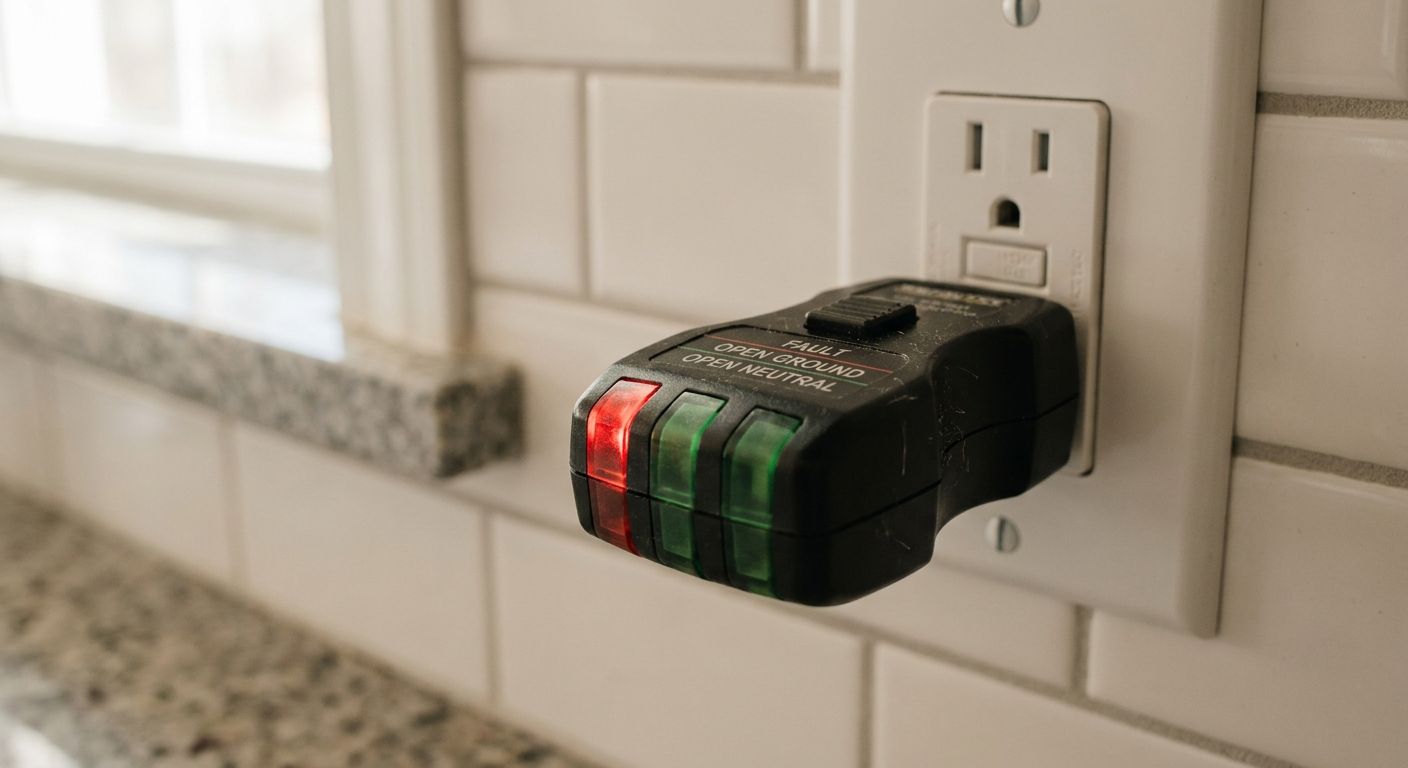
- Lack of GFCI protection: Specifically in wet areas like kitchens and bathrooms.
- Outdated panels: Such as Federal Pacific or Zinsco panels, which are known to have high failure rates and insurance issues.
2. Plumbing Leaks and Pipe Failures
Water is a home’s worst enemy. Active leaks can lead to rot, structural damage, and mold growth. If an inspector identifies active plumbing leaks, requesting a repair is standard practice.
What to ask for:
- Repairing active leaks under sinks, in walls, or in the basement.
- Replacing corroded pipes (like cast iron or galvanized steel nearing end-of-life).
- Fixing poor water pressure caused by blockages in the main line.
3. HVAC Malfunctions
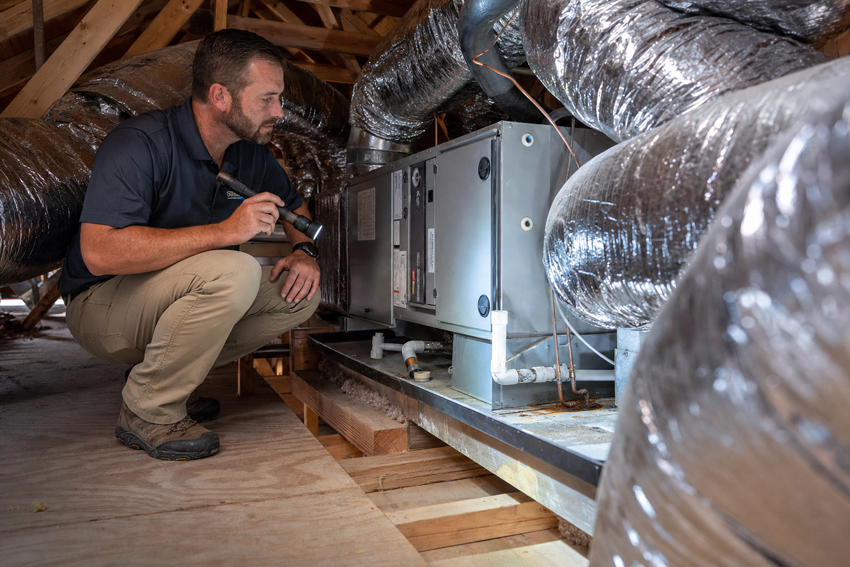
The Heating, Ventilation, and Air Conditioning (HVAC) system is one of the most expensive components of a home. If the furnace blows cold air, the A/C compressor is seized, or the heat exchanger is cracked (a carbon monoxide hazard), the seller should address it.
Note: Asking for a brand-new unit just because the current one is old but still working is usually not reasonable. However, asking for a professional service/cleaning or a credit toward replacement if the unit is inoperable is perfectly fair.
4. Roof Damage and Leaks
A roof protects the entire asset. If the roof is leaking, has missing shingles, or shows signs of significant deterioration that compromises its ability to shed water, this is a top-tier repair request.
Reasonable requests include:
- Patching active leaks.
- Replacing missing or damaged shingles/tiles.
- Repairing damaged flashing around chimneys and vents.
- Pro Tip: If the roof is at the very end of its life, buyers often ask for a credit towards a new roof rather than asking the seller to manage the replacement, as the seller may choose the cheapest contractor available.
5. Mold and Water Intrusion
Mold implies a moisture problem, and it can be a significant health risk. If an inspection reveals mold growth in the attic, basement, or crawlspace, it is entirely reasonable to ask for professional remediation. This includes not just cleaning the mold, but identifying and fixing the source of the water intrusion.
6. Pest and Wood-Destroying Organism Infestation
Termites, carpenter ants, and powder post beetles can cause hidden structural damage that costs thousands to fix. If the pest inspection comes back positive for active infestation, the seller should pay for treatment and any necessary structural repairs. Rodent infestations in attics or crawlspaces also fall under this category due to the health risks associated with droppings and chewed wires.
7. Structural and Foundation Issues
Cracks in the drywall are common, but cracks that shift, horizontal cracks in the foundation, or bowing basement walls indicate structural failure. These are "deal-killers." It is imperative and reasonable to request that a structural engineer evaluate the issue and that the seller covers the cost of the engineer’s recommended repairs.
8. Safety Violations (Smoke and CO Detectors)
While these are inexpensive items, they are often required by law or local code to be present and functional before a home changes hands. Asking the seller to install working smoke detectors on every level and in bedrooms, as well as Carbon Monoxide detectors near sleeping areas, is a standard compliance request.
9. Inoperable Built-In Appliances
If the listing stated the kitchen comes with a dishwasher and stove, the buyer has a right to expect them to work. If the dishwasher doesn't drain or the oven doesn't heat, asking for a repair or a credit for a replacement is standard. Note that this generally applies to built-in appliances, not necessarily the washer/dryer unless specified in the contract.
10. Clear Building Code Violations (Renovations)
If the seller recently finished the basement or added a deck without a permit, and the work clearly violates building codes (e.g., lack of egress windows in a bedroom, improper stair risers), this is a liability the buyer inherits. It is reasonable to ask the seller to bring unpermitted work up to code or close the permit.
What is Not Reasonable?
To keep negotiations smooth, advise clients to avoid nitpicking the "Small Stuff." Avoid asking for:
- Cosmetic issues: Peeling paint, stained carpet, or ugly wallpaper.
- Minor landscaping: Overgrown bushes or a few weeds.
- External buildings: Sheds or detached garages (unless they pose a safety risk to the main structure).
- Preventative maintenance: Cleaning gutters or servicing a working water heater.
Strategies for the Request
When you present these 10 items, you generally have two paths:
- Request Repairs: The seller hires a contractor to fix the issue before closing.
- Request a Credit (Concession): The seller lowers the price or provides closing cost credits.
Why Credits are often better:
Experienced agents often prefer credits. When a seller fixes a problem, they are motivated to do it as cheaply as possible. When a buyer receives a credit, they can hire their own trusted contractor and ensure the job is done to their standards after moving in.
How InspectionResponse.com Can Help
Navigating a 50-page inspection report to find these "reasonable requests" can be time-consuming and overwhelming. InspectionResponse.com simplifies this entire process for real estate agents and their clients.
Our AI-powered platform takes a raw PDF inspection report and instantly converts it into an interactive, easy-to-read dashboard. Here is how we help with repair negotiations:
- Smart Categorization: Our AI automatically tags findings, helping you quickly distinguish between major safety hazards (Reasonable Requests) and minor cosmetic defects.
- Instant Cost Estimates: Wondering if an electrical issue is a $200 fix or a $2,000 problem? InspectionResponse.com provides automatic cost estimates for findings, empowering you to negotiate for accurate credit amounts.
- Repair Request Builder: Forget copy-pasting from a PDF. Select the items you want to negotiate, and our tool generates a professional repair request addendum in seconds.
- Client Explanations: We translate technical inspector jargon into plain English, helping your clients understand why a specific request is reasonable and necessary.
Don't let repair negotiations slow down your closing. Transform your inspection reports into actionable negotiation tools.
Additional Resources
Briefing Document & Key Takeaways
Navigating Home Inspection Negotiations: A Guide to Reasonable Requests
Executive Summary
The negotiation of repairs following a home inspection represents a critical and often stressful stage in a real estate transaction. A successful negotiation hinges on distinguishing between major defects and minor cosmetic issues. Reasonable requests typically fall into three primary categories: Health and Safety Hazards, Structural Integrity issues, and failures of Major Systems like roofing, HVAC, and plumbing. While buyers should pursue remedies for significant problems such as faulty electrical panels, active plumbing leaks, and structural foundation damage, they should avoid nitpicking minor flaws like peeling paint or overgrown landscaping, which can jeopardize the entire deal.
Strategically, requesting a credit or seller concession is often more advantageous than asking the seller to perform the repairs. A credit provides the buyer with the financial resources to hire their own trusted contractor, ensuring the work meets their standards, whereas a seller may be motivated to select the cheapest possible option. Technology platforms like InspectionResponse.com are designed to streamline this process by using AI to categorize report findings, provide instant cost estimates, generate professional repair requests, and translate technical jargon into clear language for clients, thereby turning a complex inspection report into an actionable negotiation tool.
The Philosophy of Fair Negotiations
Successfully navigating the post-inspection period requires understanding the difference between a reasonable request and an unreasonable demand. The core philosophy is to focus on issues that materially affect the home's safety, stability, and core functionality. Cosmetic flaws, minor wear, and inexpensive upgrades are generally considered the buyer's responsibility after closing.
The "Big Three" Categories of Reasonable Requests
A request is typically considered fair and reasonable if the identified defect falls into one of three critical categories:
• Health and Safety Hazards: These are issues that present a physical danger to the occupants of the home.
• Structural Integrity: This category includes problems that threaten the fundamental stability of the building itself.
• Major Systems: This encompasses defects in essential, high-cost components such as the roof, HVAC, and plumbing that have failed or are approaching the end of their service life.
What Is Considered Unreasonable
To maintain a smooth negotiation process and avoid alienating the seller, buyers should refrain from requesting repairs for minor issues. Unreasonable requests typically include:
• Cosmetic Issues: Items like peeling paint, stained carpets, or undesirable wallpaper.
• Minor Landscaping: Issues such as overgrown bushes or weeds.
• External Buildings: Problems with sheds or detached garages, unless they pose a safety threat to the main house.
• Preventative Maintenance: Routine tasks like cleaning gutters or servicing a currently functional water heater.
10 Reasonable Repair Requests After a Home Inspection
The following are ten categories of defects where requesting a repair or credit from the seller is considered standard and justifiable.
1. Major Electrical Issues
Electrical problems that pose safety risks are non-negotiable. Fire and shock hazards are serious concerns that should be addressed by the seller.
• Frayed or exposed wiring: An immediate fire and shock hazard.
• Double-tapped breakers: A condition where two wires are connected to a single breaker designed for one.
• Lack of GFCI protection: Missing Ground Fault Circuit Interrupter outlets in required wet areas like kitchens and bathrooms.
• Outdated panels: Specific models like Federal Pacific or Zinsco panels, which are known for high failure rates and can cause insurance complications.
2. Plumbing Leaks and Pipe Failures
Active water leaks can cause significant damage, including rot, structural compromise, and mold growth.
• Active leaks: Any ongoing leaks found under sinks, within walls, or in the basement.
• Corroded pipes: Pipes made of materials like cast iron or galvanized steel that are near the end of their functional lifespan.
• Poor water pressure: Issues caused by blockages within the main water line.
3. HVAC Malfunctions
The Heating, Ventilation, and Air Conditioning (HVAC) system is one of the most expensive components to replace. A request is reasonable if the system is not functioning correctly.
• It is fair to request repairs if the furnace blows cold air, the A/C compressor is seized, or the heat exchanger is cracked, which poses a carbon monoxide risk.
• It is not typically reasonable to ask for a new unit simply because it is old but still operational. However, asking for professional servicing or a credit toward replacement for an inoperable unit is fair.
4. Roof Damage and Leaks
The roof is a primary protective barrier for the home. Any compromise to its ability to shed water warrants a repair request.
• Active leaks: Any area where water is penetrating the roof.
• Missing or damaged shingles/tiles: Compromised roofing materials that expose the underlayment.
• Damaged flashing: Issues with the metal seals around chimneys, vents, and other roof penetrations.
• If a roof is at the end of its life, it is often strategic to request a credit toward a replacement rather than having the seller manage the project, as they may opt for the lowest-cost contractor.
5. Mold and Water Intrusion
The presence of mold indicates an underlying moisture problem and can be a significant health risk.
• It is reasonable to ask for professional mold remediation in areas like the attic, basement, or crawlspace.
• The request should include not only the removal of the mold but also the identification and repair of the water source causing the issue.
6. Pest and Wood-Destroying Organism Infestation
Infestations can cause severe, often hidden, structural damage that is expensive to repair.
• If a pest inspection reveals an active infestation of termites, carpenter ants, or powder post beetles, the seller should be responsible for treatment and any related structural repairs.
• Rodent infestations in attics or crawlspaces also fall into this category due to health risks from droppings and fire hazards from chewed wires.
7. Structural and Foundation Issues
Problems with a home's foundation or structural elements are among the most serious and costly to repair.
• Indicators of major issues include shifting cracks, horizontal cracks in the foundation, or bowing basement walls.
• It is imperative to request an evaluation by a structural engineer and to have the seller cover the cost of the engineer's recommended repairs.
8. Safety Violations
Certain safety features, while inexpensive, are often required by local codes or law to be functional for a property transfer.
• A standard request is for the seller to install working smoke detectors on every level of the home and inside bedrooms.
• It is also standard to ask for the installation of carbon monoxide detectors near sleeping areas.
9. Inoperable Built-In Appliances
If built-in appliances are included in the sale, the buyer has a right to expect them to be in working condition.
• If an appliance like a dishwasher or oven is not functioning properly, it is standard to ask for a repair or a credit for a replacement.
• This typically applies to built-in appliances and not necessarily to freestanding items like washers and dryers unless specified in the contract.
10. Clear Building Code Violations
Unpermitted work that violates building codes can become a liability for the new owner.
• Examples include a finished basement without proper egress windows or a deck with improper stair risers.
• It is reasonable to request that the seller bring the unpermitted work up to code or formally close out the open permit.
Strategic Approaches to Negotiation
When presenting repair requests, there are two primary paths a buyer can take.
• Request Repairs: The seller hires contractors to fix the identified issues before the closing date.
• Request a Credit (Concession): The seller agrees to lower the purchase price or provide a credit at closing to cover the cost of future repairs.
The Advantage of Requesting a Credit
Experienced real estate agents often prefer negotiating for credits over repairs. When a seller is responsible for a repair, their primary motivation is often to complete the work as cheaply as possible. In contrast, when a buyer receives a credit, they have full control over the process. They can hire their own vetted contractor and ensure the repair is completed to their personal standards after they take possession of the home.
Leveraging Technology for Negotiation
The process of analyzing a lengthy inspection report and formulating a negotiation strategy can be overwhelming. The InspectionResponse.com platform is designed to simplify this task for real estate agents and their clients. Its AI-powered tools transform a raw PDF report into an actionable dashboard for negotiations.
Key Features and Benefits
• Smart Categorization: The AI automatically tags findings, helping users quickly differentiate between major safety hazards that are reasonable to request and minor cosmetic defects that can be ignored.
• Instant Cost Estimates: The platform provides automatic cost estimates for identified issues, empowering agents and buyers to negotiate for specific and accurate credit amounts.
• Repair Request Builder: This tool allows users to select the items they wish to negotiate and then automatically generates a professional repair request addendum, eliminating the need to manually copy and paste text from a PDF.
• Client Explanations: The service translates technical jargon from the inspection report into plain English, helping clients better understand the importance and necessity of each requested repair.
Study Guide
Study Guide for Fair Home Inspection Negotiations
Short Answer Quiz
Instructions: Answer the following questions in two to three sentences each, based on the provided source material.
1. What are the "Big Three" categories that define a reasonable repair request after a home inspection?
2. Explain why requesting a credit from the seller is often a better strategy than asking the seller to perform the repairs.
3. What is a double-tapped breaker, and why is it considered a reasonable item to request for repair?
4. Under what circumstances is it considered fair to ask a seller to address issues with an HVAC system?
5. If an inspection report indicates structural problems like a bowing basement wall, what is the recommended course of action?
6. Besides cleaning the mold itself, what else should a buyer request if mold is discovered during an inspection?
7. List three examples of requests that are generally considered unreasonable to make after a home inspection.
8. Why are certain types of outdated electrical panels, such as Federal Pacific or Zinsco, a significant concern?
9. If the home inspection reveals an active pest infestation, what two things is it reasonable for the buyer to ask the seller to cover?
10. According to the text, how does the InspectionResponse.com platform help real estate agents and their clients during negotiations?
--------------------------------------------------------------------------------
Quiz Answer Key
1. The "Big Three" categories for reasonable requests are Health and Safety Hazards, Structural Integrity, and Major Systems. Issues are considered fair to request if they pose a physical danger, threaten the building's stability, or involve defects in expensive components like the roof, HVAC, or plumbing.
2. Credits are often preferred because a seller who performs repairs is motivated to choose the cheapest option available. By receiving a credit, the buyer can control the process, hire their own trusted contractor, and ensure the work is done to their standards after the closing.
3. A double-tapped breaker occurs when two wires are connected to a single circuit breaker that was only designed for one. This is a reasonable repair request because it is considered a significant electrical and fire hazard.
4. It is fair to ask a seller to address an HVAC system if it is malfunctioning, such as a furnace blowing cold air or a cracked heat exchanger. While it is not reasonable to ask for a new unit just because the current one is old, a request for service or a credit for an inoperable unit is fair.
5. If major structural issues are found, it is imperative to request that a structural engineer evaluate the problem. The buyer should then ask the seller to cover the cost of the engineer’s evaluation and the recommended repairs.
6. If mold is discovered, a buyer should request professional remediation to clean the existing mold. Critically, the buyer must also ask the seller to identify and fix the source of the water intrusion that caused the mold to grow in the first place.
7. Three examples of unreasonable requests include cosmetic issues like peeling paint or stained carpet, minor landscaping problems like overgrown bushes, and preventative maintenance items like cleaning the gutters on a functioning system.
8. Outdated electrical panels like Federal Pacific or Zinsco panels are a concern because they are known to have high failure rates. This makes them a fire hazard and can also cause issues for the new homeowner when trying to get insurance for the property.
9. If an active pest infestation is found, a buyer should reasonably ask the seller to pay for professional treatment to eliminate the pests. Additionally, the seller should be asked to cover the cost of any structural repairs needed to fix damage caused by the organisms.
10. The InspectionResponse.com platform uses AI to turn a PDF inspection report into an interactive dashboard. It helps by automatically categorizing findings, providing cost estimates for repairs, generating a professional repair request addendum, and translating technical jargon into plain English for clients.
--------------------------------------------------------------------------------
Essay Questions
Instructions: Consider the following prompts for longer-form, essay-style responses. Answers are not provided.
1. Discuss the philosophy behind distinguishing between "reasonable requests" and "nitpicking" in post-inspection negotiations. How does this distinction impact the success of a real estate transaction?
2. Analyze the strategic advantages of requesting a credit or concession from the seller instead of having the seller perform the repairs. Use examples from the text, such as roof replacement, to support your analysis.
3. Explain the importance of the "Big Three" categories (Health and Safety, Structural Integrity, Major Systems) in guiding a buyer's repair requests. Provide specific examples for each category from the provided text.
4. Water is described as a "home's worst enemy." Elaborate on this statement by detailing the various water related issues that are considered reasonable requests after an inspection, including plumbing, roof, and mold problems.
5. Imagine you are a real estate agent advising a first time homebuyer. Outline the advice you would give them on what to request and what to avoid requesting after receiving an inspection report, based on the principles discussed in the text.
--------------------------------------------------------------------------------
Glossary of Key Terms
Big Three Categories The three primary classifications for a reasonable repair request: Health and Safety Hazards, Structural Integrity, and Major Systems. Issues falling into these categories are considered fair to negotiate.
Double-Tapped Breakers An electrical hazard where two wires are connected to a single circuit breaker that is designed to handle only one.
GFCI Protection Stands for Ground Fault Circuit Interrupter. This is a type of electrical outlet that provides extra protection from shock, and its absence in wet areas like kitchens and bathrooms is a reasonable repair request.
Health and Safety Hazards A category of defects that pose a physical danger to the occupants of a home, such as frayed wiring or a lack of carbon monoxide detectors.
HVAC An acronym for Heating, Ventilation, and Air Conditioning. This refers to the system that provides heating and cooling to the home and is one of its most expensive components.
Major Systems A category of defects relating to the home's most expensive and critical components. This includes the roof, HVAC system, and major plumbing components.
Request for a Credit (Concession) A negotiation strategy where the buyer asks the seller to lower the purchase price or provide a credit at closing to cover the cost of a needed repair. This allows the buyer to control the repair process after taking ownership.
Request for Repairs A negotiation strategy where the buyer asks the seller to hire a contractor to fix specific issues before the closing of the sale.
Structural Integrity A category of defects that threaten the stability of the building itself. Examples include horizontal foundation cracks or bowing basement walls.
Wood-Destroying Organism Pests such as termites, carpenter ants, and powder post beetles that can cause significant and costly hidden damage to a home's structure.
Frequently Asked Questions
1. What is the guiding principle for making a "reasonable" repair request?
A successful negotiation is not improvised; it is built on a strategic framework. This framework anchors your requests in defensible logic, separating critical defects from minor imperfections that can derail a transaction. A request is generally considered reasonable if the defect falls into one of three core categories that impact a home's value, safety, and functionality.
• Health and Safety Hazards: These are issues that pose a direct physical danger to the home's occupants.
• Structural Integrity: This category includes any problems that threaten the fundamental stability of the building itself.
• Major Systems: This refers to defects in expensive, essential components like the roof, HVAC, and plumbing, particularly when they have failed or are nearing the end of their functional life.
Conversely, cosmetic flaws, normal wear and tear, and inexpensive upgrades are the buyer's responsibility. Adhering to this principle allows you to focus negotiations on high-stakes issues, such as problems within the home's major electrical system.
2. Are major electrical problems a negotiable issue?
Yes, absolutely. Significant electrical problems are a non-negotiable safety concern and are among the most reasonable requests a buyer can make. Addressing these issues is crucial for protecting both the property and its occupants from potential fire and shock hazards risks no new homeowner should be expected to inherit.
Reasonable requests for electrical repairs include:
• Frayed or exposed wiring: This is an immediate and serious fire and shock hazard that requires professional attention.
• Double-tapped breakers: This occurs when two wires are connected to a single circuit breaker designed for one, creating a potential fire risk.
• Lack of GFCI protection in wet areas: Ground Fault Circuit Interrupter outlets are a modern safety standard required in locations like kitchens and bathrooms to prevent electrocution.
• Outdated and high-failure-rate panels: Certain electrical panels, such as those made by Federal Pacific or Zinsco, are known to have high failure rates and can present insurance challenges.
Just as a faulty electrical system can cause damage, another critical system vulnerable to failure is the home's plumbing.
3. What plumbing and roof issues are fair to negotiate?
Water is one of the greatest threats to a home's longevity. Both the plumbing and roofing systems serve as the first lines of defense against water intrusion, which can lead to widespread rot, mold, and structural damage if left unaddressed.
Regarding the plumbing system, reasonable requests include addressing:
• Active leaks found under sinks, within walls, or in the basement.
• Corroded pipes, such as cast iron or galvanized steel, that are nearing the end of their life and are at risk of failure.
• Poor water pressure that is caused by significant blockages in the main water line.
For the roof, which protects the entire asset, critical repair requests include:
• Active leaks that allow water into the home.
• Missing or damaged shingles or tiles that compromise the roof's ability to shed water.
• Compromised flashing around chimneys, vents, and other roof penetrations.
Pro Tip: If an inspector determines the roof is at the very end of its functional life, it is often more strategic to ask for a credit towards a replacement. This gives you, the buyer, control over the quality of the new installation, whereas a seller is motivated to choose the cheapest contractor available.
From the home's external and internal shell, we now turn to its core operational systems, like the HVAC.
4. When is it fair to ask for repairs or credit for the HVAC system?
The Heating, Ventilation, and Air Conditioning (HVAC) system is one of the most expensive components in a home to replace. Its proper function is essential not only for comfort but also for safety, as a malfunctioning furnace can create a risk of carbon monoxide leaks.
An HVAC-related request is considered reasonable under the following conditions:
• The furnace is non-working or blows cold air.
• The air conditioning compressor is seized and inoperable.
• The heat exchanger is cracked, which poses a serious carbon monoxide hazard.
It is important to note what is not typically considered a reasonable request. A unit’s age alone is not sufficient grounds for a request if it is still functional. However, if a unit is inoperable, it is perfectly fair to ask for professional servicing or a credit towards its eventual replacement.
Beyond mechanical systems, negotiations often involve environmental health concerns like mold and pests.
5. How should issues like mold or pest infestations be handled?
The discovery of mold or wood-destroying organisms is a significant concern because it often points to underlying issues that can affect both the occupants' health and the home's structural integrity.
• For Mold: If an inspection reveals mold, it is reasonable to request professional remediation. Critically, this request should also include fixing the source of the water intrusion that allowed the mold to grow in the first place.
• For Pests: If an active infestation of wood-destroying organisms like termites, carpenter ants, or powder post beetles is found, a seller should be responsible for the cost of treatment and any resulting structural repairs. Rodent infestations are also a valid concern due to the health risks from droppings and the potential for damage like chewed electrical wires.
These issues can cause serious damage, but problems with the foundation of the house itself represent an even greater threat.
6. What is the correct response to discovering potential foundation issues?
Foundation and structural defects are not mere problems; they are fundamental threats to the asset's long-term value and stability. These are the highest-stakes issues you will face in a negotiation. While simple drywall cracks can be common cosmetic issues, signs of serious structural failure such as shifting cracks, horizontal cracks in the foundation, or bowing basement walls demand an immediate and thorough response.
When these red flags appear, the imperative and reasonable course of action is to request that the seller hire a licensed structural engineer for a professional evaluation. Furthermore, the request should stipulate that the seller cover the cost of all repairs recommended by the engineer's report.
From these major structural concerns, we move to smaller but still significant compliance, safety, and contractual violations.
7. Are safety devices, appliances, and code violations negotiable?
Yes. While not as costly as structural failures, certain items are reasonable to negotiate because they relate to legal compliance, safety risks, and contractual expectations.
Safety Violations (Health & Safety Principle)
This request falls squarely under the "Health and Safety Hazard" principle. Functional smoke and Carbon Monoxide (CO) detectors are not a feature; they are a baseline safety requirement, often mandated by law to be present and functional before a home can be sold. Asking a seller to install them is a standard compliance request.
Inoperable Built-in Appliances (Contractual Principle)
While not a safety issue, this is a matter of contractual expectation. If appliances like a dishwasher or stove were listed as included, their functionality is part of the agreed-upon value of the asset. A non-functional unit represents a failure to deliver the property as advertised, making a request for repair or credit standard practice.
Building Code Violations (Liability Principle)
If the seller performed renovations without a permit such as finishing a basement or adding a deck and the work violates building codes, this creates a liability the buyer inherits. Examples include bedrooms lacking proper egress windows or stairs with improper risers. It is entirely reasonable to demand the seller rectify the situation by bringing the work up to code or formally closing out the open permit.
8. What types of requests are considered unreasonable or "nitpicking"?
A key part of a successful negotiation strategy is knowing when to hold back. Nitpicking minor, cosmetic issues can alienate the seller, damage the goodwill necessary to close the deal, and distract from the problems that truly matter. To keep negotiations smooth and focused, buyers should typically avoid making requests for the following:
• Cosmetic issues like peeling paint, stained carpets, or outdated wallpaper.
• Minor landscaping needs, such as overgrown bushes or weeds.
• Issues with non-essential external buildings, such as sheds, unless they pose a safety risk to the main structure.
• Preventative maintenance on systems that are currently working, such as cleaning gutters or servicing a functional water heater.
Once you have identified your reasonable requests, the next step is to decide how you want them addressed.
9. Is it better to ask the seller for a direct repair or a closing credit?
When resolving inspection issues, you have two primary paths: requesting that the seller perform the repairs before closing or asking for a financial credit (or concession) to cover the cost of the work. This is a strategic choice, and for many experienced agents and buyers, requesting a credit is often the better strategy.
The core reasoning is simple: a seller is motivated to find the quickest and cheapest fix possible to get the deal closed, which can lead to subpar work. As your representative, my goal is to secure a solution that prioritizes long-term quality and protects your investment, which is why a credit gives you the future owner essential control. You can hire a trusted contractor of your choice and ensure the work is done to your personal standards after you own the home.
This strategic approach can be further enhanced by modern tools designed to assist in this process.
10. How can technology simplify the inspection negotiation process?
Modern inspection reports are often long, technical, and dense, making it difficult for agents and their clients to quickly extract actionable insights. New AI-powered tools are specifically designed to solve this problem by simplifying the entire process and empowering a more data-driven strategy.
Platforms like InspectionResponse.com offer several key benefits:
• Smart Categorization: The technology automatically analyzes the report and tags findings, helping you instantly distinguish between major health and safety hazards and minor cosmetic defects.
• Instant Cost Estimates: By providing automatic cost estimates for identified issues, these tools empower you to negotiate for accurate credit amounts based on real-world data, rather than guesswork.
• Repair Request Builder: Instead of manually copying and pasting text from a PDF, you can select the items you wish to negotiate, and the tool generates a professional repair request addendum in seconds.
• Client Explanations: The platform translates technical inspector jargon into plain English, helping clients better understand the importance of an issue and why a specific request is reasonable and necessary.
Ultimately, a well-prepared, focused, and data-informed approach to post-inspection negotiations is the key to protecting your investment and achieving a successful transaction.