Top 10 Home Inspection Deal Killers: An Agent's Guide
Podcast Overview
You’ve navigated the showings, handled the offer, and gone under contract. The finish line is in sight. Then, the home inspection report lands in your inbox. Your heart sinks as you scroll through pages of photos and technical jargon, spotting red flags that scream "deal killer."
For any real estate agent, a challenging inspection report is a critical moment that can make or break a transaction. But here’s the secret: a major issue is only a deal killer if you let it be. Fear and uncertainty from the client often stem from the unknown specifically, the scope and cost of the problem.
This guide is here to empower you. We’ll break down the top 10 findings that most often spook buyers and threaten deals. More importantly, we’ll give you the strategic framework to transform these potential deal killers into manageable, negotiable points that keep your transaction on track to closing.
The 10 Most Common "Deal Killers" in Home Inspections
These issues are typically flagged as major concerns due to their potential for high repair costs, safety implications, or significant future problems.
1. Major Structural and Foundation Issues
Foundation problems are the bedrock of buyer fear and for good reason. Issues with the home's core structure can be among the most expensive to remedy.
- What the Report Might Say: "Horizontal cracks observed in basement foundation wall," "significant step cracking in exterior brick veneer," "sloping floors," "evidence of settling."
- Why It's a Deal Killer: The word "foundation" alone can cause panic. Buyers envision a home crumbling, and the potential five-figure repair cost is a massive deterrent.
- Your Strategy: Do not panic. The first step is to recommend your client hire a licensed structural engineer for a dedicated evaluation. An inspector identifies potential issues; an engineer diagnoses the cause, severity, and required solution. This expert report is your most powerful negotiation tool.
2. Water Intrusion, Mold, and Drainage Problems
Water is a home's worst enemy. Uncontrolled moisture leads to mold, rot, and can even compromise the structure.
- What the Report Might Say: "Elevated moisture readings in basement wall," "active leak observed at plumbing stack," "visible microbial growth" (inspectors rarely use the word "mold"), "negative grading," "improperly terminated downspouts."
- Why It's a Deal Killer: Mold is a major health concern, and the thought of hidden water damage can unravel a buyer's confidence. Remediation can be costly and disruptive.
- Your Strategy: Quantify the problem. Get quotes from a water remediation and mold specialist. Poor drainage is often a simpler (and cheaper) fix. Addressing the source like improving the grading or extending downspouts is key to the negotiation.
3. Old or Damaged Roofing
A roof is a home's primary shield against the elements. A failing one is a non-starter for most buyers and lenders.
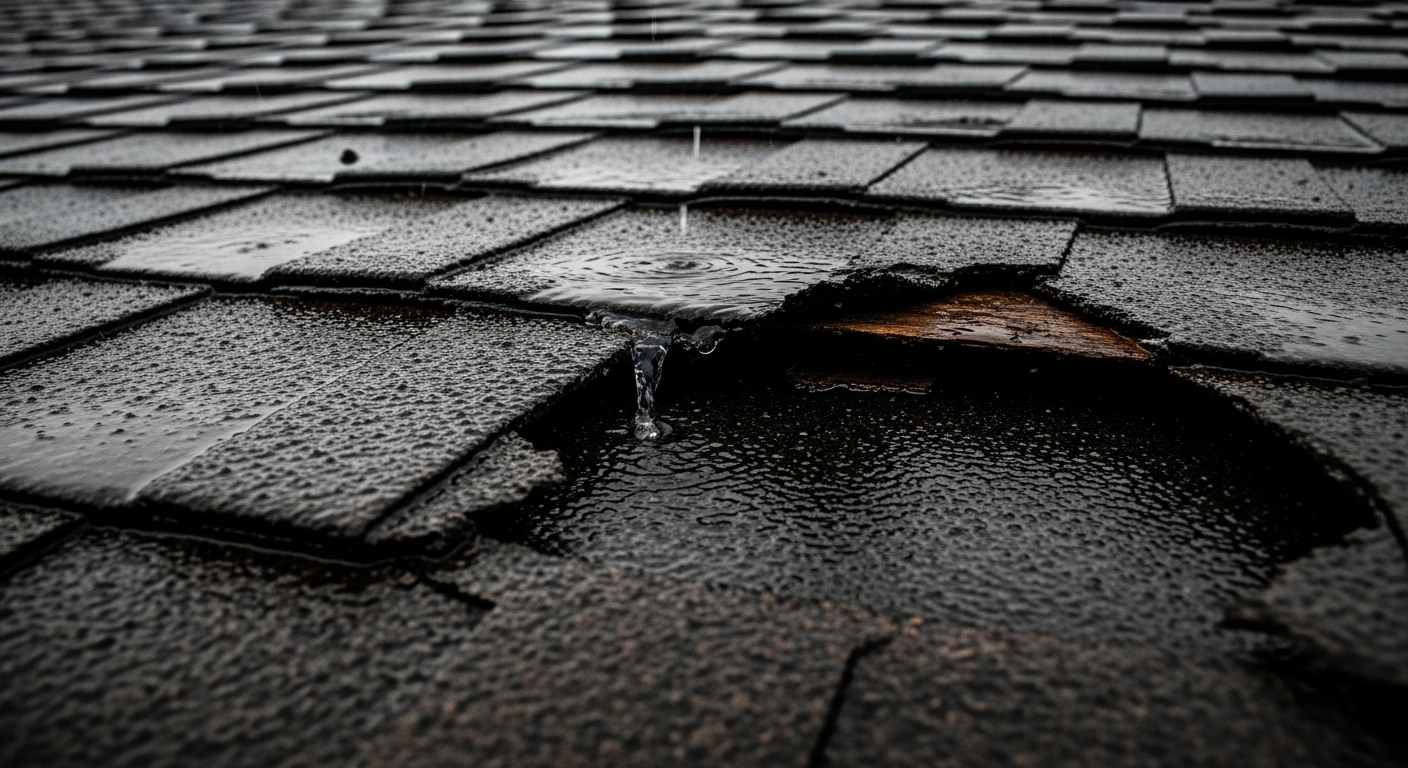
- What the Report Might Say: "Asphalt shingles are at the end of their serviceable life," "multiple missing or damaged shingles," "active roof leak identified in attic," "improper flashing."
- Why It's a Deal Killer: Roof replacement is a significant, unavoidable expense, often costing $10,000 to $20,000 or more. Lenders may refuse to fund a loan on a home with a failing roof.
- Your Strategy: Get 2-3 quotes from reputable roofing contractors immediately. This turns a scary, abstract number into a concrete figure you can negotiate with. You can request a full replacement, a credit at closing, or a seller-paid repair before closing.
4. Major Electrical System Flaws
Outdated or hazardous electrical systems are a serious fire safety risk.
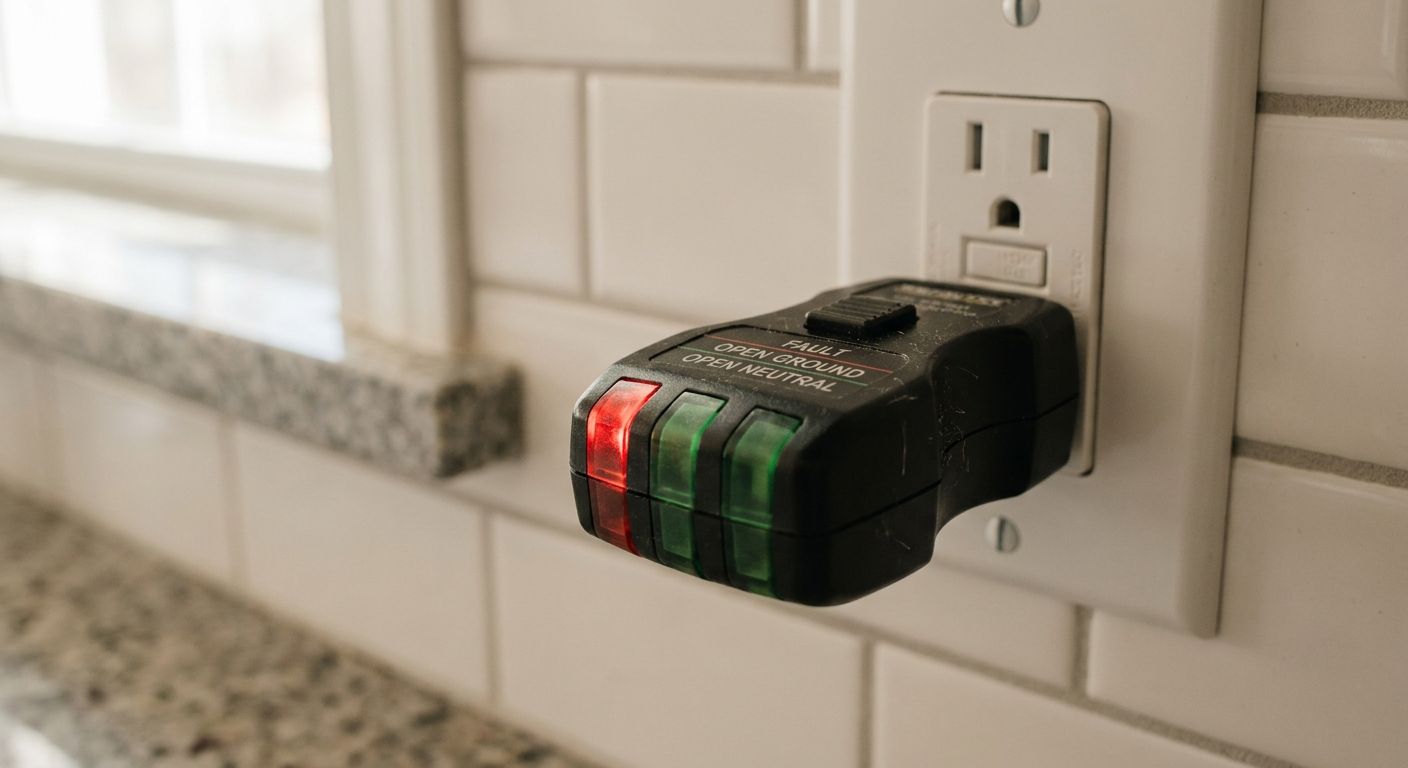
- What the Report Might Say: "Presence of knob-and-tube wiring," "Federal Pacific 'Stab-Lok' electrical panel," "aluminum branch circuit wiring," "evidence of overheating at breaker," "lack of GFCI protection."
- Why It's a Deal Killer: Safety is paramount. Issues like faulty panels or old wiring can make it difficult or expensive to obtain homeowner's insurance.
- Your Strategy: Recommend a full evaluation by a licensed electrician. They can determine the extent of the issue and provide a clear estimate for necessary upgrades, such as a panel replacement or targeted rewiring.
5. Serious Plumbing Issues
From low water pressure to catastrophic sewer line failures, plumbing problems can be messy and expensive.
- What the Report Might Say: "Galvanized steel pipes with evidence of corrosion," "active leak at main shut-off valve," "slow drain suggestive of a sewer line blockage," "Polybutylene plumbing present."
- Why It's a Deal Killer: The potential for a full re-pipe or a sewer line replacement (which can involve excavation) is terrifying to buyers.
- Your Strategy: For suspected sewer line issues, immediately order a video sewer scope inspection. This will show you exactly what and where the problem is. For old pipes, get a plumber's opinion on their remaining life and the cost of replacement.
6. HVAC System Failure
A non-functional or ancient heating, ventilation, and air conditioning (HVAC) system means immediate, significant expense for the buyer.
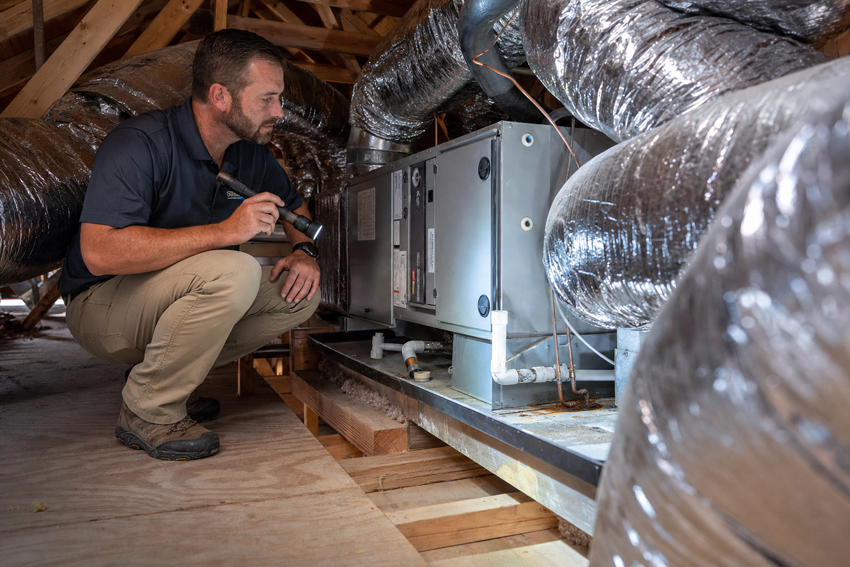
- What the Report Might Say: "Furnace is past its typical life expectancy (25+ years)," "air conditioning unit non-functional," "cracked heat exchanger observed."
- Why It's a Deal Killer: A new HVAC system is a major cost that a buyer wasn't planning for. A cracked heat exchanger is a serious safety issue, as it can leak carbon monoxide.
- Your Strategy: A cracked heat exchanger is non-negotiable; the unit must be replaced. For older but functional systems, you can negotiate for a home warranty or a credit towards a future replacement. Get a quote from an HVAC technician to ground your request.
7. Wood-Destroying Organisms (Termites, etc.)
Nothing kills an appetite for a home faster than the thought of it being eaten from the inside out.
- What the Report Might Say: "Evidence of active termite infestation," "wood-destroying insect damage to floor joists," "carpenter ant frass."
- Why It's a Deal Killer: The psychological impact is huge, and the fear of hidden structural damage is immense.
- Your Strategy: Get a specialized pest control company to perform a thorough inspection and provide a quote for both treatment and any necessary repairs to damaged wood. Often, the treatment itself is relatively inexpensive.
8. Hazardous Materials
The presence of asbestos, lead paint, or high levels of radon gas can be a major hurdle.
- What the Report Might Say: "Material consistent with asbestos-containing vermiculite insulation," "radon test results at 4.0 pCi/L or higher," "peeling paint in a pre-1978 home (presumed lead)."
- Why It's a Deal Killer: Health and safety concerns are at the forefront. The cost and complexity of professional abatement or mitigation can seem overwhelming.
- Your Strategy: Educate your client. **Radon mitigation systems** are common and relatively affordable ($1,200-$2,500). Asbestos is generally safe if undisturbed; focus negotiations on areas where it's friable or damaged. Lead paint requires specific disclosures and safe handling practices.
9. Widespread Window or Door Failure
This might seem minor, but when multiple units are failing, the cost adds up quickly.
- What the Report Might Say: "Failed seals on multiple double-pane windows," "significant wood rot on window frames," "door does not latch securely."
- Why It's a Deal Killer: Replacing a single window is manageable; replacing ten or fifteen is a capital improvement project. It also signifies potential energy loss and security issues.
- Your Strategy: Don't ask for every window to be replaced. Focus on the most critical issues wood rot that allows water intrusion or windows that are completely non-functional. Get a quote from a window company to anchor your repair request.
10. Septic or Well System Failure
For rural and suburban properties, these are the two most critical (and expensive) utility systems.
- What the Report Might Say: "Septic system shows signs of failure," "saturated leach field," "low water pressure from well," "well water test failed for coliform bacteria."
- Why It's a Deal Killer: Replacing a septic system can cost $15,000 to $40,000+. Drilling a new well is also a massive, unpredictable expense.
- Your Strategy: These require expert evaluation, period. A failed septic inspection or poor well test needs immediate quotes from qualified local companies. This is often a deal-breaker unless the seller is willing to pay for a full replacement or offer a very substantial credit.
How InspectionResponse.com Turns Deal Killers into Deals
Navigating these high-stakes negotiations requires speed, precision, and professionalism. Wrestling with a 100-page PDF report to manually create a repair request for a foundation issue is stressful and inefficient. This is where InspectionResponse.com transforms your process.
Instead of spending hours deciphering jargon and copying and pasting findings, you can simply upload the inspection report. Our smart analysis AI instantly identifies these major "deal killer" items, categorizes them, and pulls out the inspector's exact language and photos.
For each major finding, you can access AI-powered cost and time estimates, giving you and your client an immediate, data-backed starting point for negotiations. This crucial step turns buyer fear into a quantifiable issue that can be solved.
When it's time to act, our repair request generator helps you craft a professional, clear, and comprehensive addendum in minutes. You can choose which items to include, specify whether you want a repair or a credit, and let the AI generate polished, persuasive text. This ensures your request is taken seriously and moves the negotiation forward, saving your deal and solidifying your reputation as a calm, competent professional.
Conclusion
A "deal killer" on an inspection report is not a verdict; it's a starting point for a crucial conversation. By understanding the core issues, seeking expert opinions, and quantifying the problem, you can guide your clients with confidence. Arming yourself with powerful tools like InspectionResponse.com allows you to manage this process efficiently and effectively, protecting your client's interests and ensuring more of your contracts make it to the closing table.
Additional Resources
Briefing Document & Key Takeaways
Briefing Document: Conquering Home Inspection Deal Killers
I. Overview
This briefing document summarizes key strategies for real estate agents to navigate challenging home inspection reports and prevent major issues from derailing property transactions. Drawing from Christine Smith's "Conquering Home Inspection Deal Killers: An Agent's Guide," the core message is that "a major issue is only a deal killer if you let it be." The guide emphasizes proactive, informed responses to common "deal killer" findings, advocating for expert evaluations and quantifiable repair estimates to facilitate successful negotiations.
II. Main Themes and Most Important Ideas
A. Reframing "Deal Killers" as Negotiable Points
The central theme is the paradigm shift from viewing significant inspection findings as insurmountable obstacles to seeing them as solvable, quantifiable issues. The guide states, "Fear and uncertainty from the client often stem from the unknown specifically, the scope and cost of the problem." By providing concrete information and solutions, agents can alleviate buyer anxiety and keep deals on track.
B. The Importance of Expert Evaluation
A recurring recommendation for nearly every major issue is to bring in specialists. A home inspector identifies potential problems, but licensed professionals (e.g., structural engineers, electricians, plumbers, roofing contractors, pest control specialists, septic/well experts) diagnose the root cause, severity, and provide precise repair estimates. This expert input transforms abstract fears into "a concrete figure you can negotiate with."
C. Quantifying the Problem for Negotiation
Once expert evaluations are obtained, the next critical step is to quantify the cost and scope of the repair. The guide consistently advises getting "2-3 quotes from reputable contractors" or "AI-powered cost and time estimates" to provide "a data-backed starting point for negotiations." This move from an abstract "deal killer" to a "quantifiable issue that can be solved" is fundamental.
D. Strategic Negotiation Approaches
For each "deal killer," the guide suggests specific negotiation tactics:
- Full replacement: For critical safety issues like a cracked heat exchanger.
- Credit at closing: To cover future repairs.
- Seller-paid repair before closing: To address immediate concerns.
- Home warranty: For older but functional systems (e.g., HVAC). The key is to tailor the request based on the severity and nature of the issue.
E. Leveraging Technology for Efficiency and Professionalism
The source highlights InspectionResponse.com as a tool to streamline the process. This platform "instantly identifies these major 'deal killer' items, categorizes them, and pulls out the inspector's exact language and photos." It also offers "AI-powered cost and time estimates" and a "repair request generator" to create "professional, clear, and comprehensive addendums in minutes," thereby enhancing an agent's reputation and efficiency.
III. Top 10 Common "Deal Killers" and Strategies
The guide details 10 prevalent issues flagged in home inspections, explaining why they are considered major concerns and providing a strategic response for each:
- Major Structural and Foundation Issues:Why a Killer: High repair costs, buyer panic about a "crumbling" home.
- Strategy: "Recommend your client hire a licensed structural engineer for a dedicated evaluation." This report is "your most powerful negotiation tool."
- Water Intrusion, Mold, and Drainage Problems:Why a Killer: Health concerns, hidden damage, costly remediation.
- Strategy: "Quantify the problem. Get quotes from a water remediation and mold specialist." Address the source (e.g., grading, downspouts).
- Old or Damaged Roofing:Why a Killer: Significant, unavoidable expense ($10,000-$20,000+), lender reluctance.
- Strategy: "Get 2-3 quotes from reputable roofing contractors immediately." Negotiate for replacement, credit, or seller repair.
- Major Electrical System Flaws:Why a Killer: Serious fire safety risk, insurance difficulties.
- Strategy: "Recommend a full evaluation by a licensed electrician." Get estimates for panel replacement or rewiring.
- Serious Plumbing Issues:Why a Killer: Potential for full re-pipe or sewer line replacement (expensive, disruptive).
- Strategy: For sewer issues, "immediately order a video sewer scope inspection." For old pipes, get a plumber's opinion on remaining life and replacement cost.
- HVAC System Failure:Why a Killer: Major unplanned expense, carbon monoxide risk from cracked heat exchanger.
- Strategy: Cracked heat exchanger requires replacement. For older units, negotiate for a home warranty or credit. "Get a quote from an HVAC technician."
- Wood-Destroying Organisms (Termites, etc.):Why a Killer: Psychological impact, fear of hidden structural damage.
- Strategy: "Get a specialized pest control company to perform a thorough inspection and provide a quote for both treatment and any necessary repairs."
- Hazardous Materials (Asbestos, Lead, Radon):Why a Killer: Health and safety concerns, abatement costs.
- Strategy: "Educate your client." Radon mitigation is "relatively affordable." Focus asbestos negotiation on "friable or damaged" areas.
- Widespread Window or Door Failure:Why a Killer: Cumulative cost, energy loss, security issues.
- Strategy: "Focus on the most critical issues wood rot...or windows that are completely non-functional." Get a window company quote.
- Septic or Well System Failure:Why a Killer: Extremely high replacement costs ($15,000-$40,000+ for septic, new well is also massive).
- Strategy: Requires "expert evaluation, period." Get "immediate quotes from qualified local companies." Often a deal-breaker without seller-paid replacement or substantial credit.
IV. Conclusion
The "Conquering Home Inspection Deal Killers" guide empowers real estate agents by providing a structured, proactive approach to managing challenging inspection reports. By understanding common issues, seeking expert opinions, quantifying problems, and leveraging modern tools, agents can confidently guide clients through negotiations, transforming potential "deal killers" into manageable steps toward a successful closing. The ultimate goal is to "protect your client's interests and ensuring more of your contracts make it to the closing table."
convert_to_text
Convert to source
Study Guide
Mastering Home Inspection Deal Killers: A Comprehensive Study Guide
I. Quiz: Short Answer Questions
Answer the following questions in 2-3 sentences each.
- According to the source, why do major home inspection issues often become "deal killers" for buyers?
- What is the recommended first step an agent should take when a major structural or foundation issue is identified in a home inspection report?
- Besides visible microbial growth, what are two other signs of water intrusion or drainage problems that might appear in an inspection report?
- Why is an old or damaged roof considered a significant "deal killer," and what is a common strategy for addressing it?
- What are two common electrical system flaws mentioned that pose serious safety risks?
- For suspected sewer line issues, what specific type of inspection does the guide recommend, and why?
- What is a major safety concern associated with a cracked heat exchanger in an HVAC system?
- How does the guide suggest dealing with wood-destroying organisms like termites once they are identified?
- What is the typical cost range for radon mitigation systems, and how does the guide advise agents to approach asbestos found in a home?
- How does InspectionResponse.com assist real estate agents in handling major "deal killer" items identified in an inspection report?
II. Quiz Answer Key
- Major home inspection issues often become "deal killers" because buyer fear and uncertainty stem from the unknown, specifically the scope and cost of the problem. Buyers envision worst-case scenarios and the potential for high, unplanned repair expenses, leading to panic and a desire to back out of the deal.
- When a major structural or foundation issue is identified, the recommended first step is to recommend the client hire a licensed structural engineer for a dedicated evaluation. The engineer can diagnose the cause, severity, and required solution, providing an expert report that serves as a powerful negotiation tool.
- Two other signs of water intrusion or drainage problems mentioned are "elevated moisture readings in basement wall" and "negative grading." The report might also mention "active leak observed at plumbing stack" or "improperly terminated downspouts."
- An old or damaged roof is a significant "deal killer" because its replacement is a major, unavoidable expense, often costing $10,000 to $20,000 or more. A common strategy involves getting 2-3 quotes from reputable roofing contractors to establish a concrete negotiation figure, allowing agents to request a full replacement, a credit, or seller-paid repair.
- Two common electrical system flaws that pose serious safety risks are the presence of "knob-and-tube wiring" and "Federal Pacific 'Stab-Lok' electrical panels." Other safety concerns include "aluminum branch circuit wiring" and "evidence of overheating at breaker."
- For suspected sewer line issues, the guide recommends immediately ordering a video sewer scope inspection. This specific inspection allows agents and buyers to see exactly what and where the problem is, providing crucial information for assessing the issue's severity and potential repair costs.
- A major safety concern associated with a cracked heat exchanger in an HVAC system is that it can leak carbon monoxide. This is a serious, non-negotiable safety issue, and the unit must be replaced to prevent potential harm to occupants.
- When wood-destroying organisms are identified, the guide suggests getting a specialized pest control company to perform a thorough inspection and provide a quote for both treatment and any necessary repairs to damaged wood. Often, the treatment itself is relatively inexpensive compared to other "deal killers."
- Radon mitigation systems typically cost between $1,200 and $2,500. For asbestos found in a home, the guide advises agents to educate their clients that asbestos is generally safe if undisturbed and to focus negotiations on areas where it is friable or damaged.
- InspectionResponse.com assists by using smart analysis AI to instantly identify major "deal killer" items, categorize them, and extract the inspector's exact language and photos. It also provides AI-powered cost and time estimates for these findings and generates professional repair request addendums, streamlining the negotiation process.
III. Essay Format Questions
- Discuss the overarching philosophy presented in "Conquering Home Inspection Deal Killers" regarding how agents should approach challenging inspection reports. How does this philosophy empower agents, and what is its core message about "deal killers"?
- Select three "deal killers" from the provided list (e.g., Structural Issues, Water Intrusion, HVAC System Failure). For each, describe why it is considered a significant concern for buyers and outline the specific strategic steps an agent should take, including the type of expert consultation recommended, to transform it into a manageable, negotiable point.
- Analyze the role of quantifying problems in the negotiation strategy for home inspection issues. Provide specific examples from the text where getting a concrete cost or expert opinion is crucial, and explain how this process "turns buyer fear into a quantifiable issue that can be solved."
- Compare and contrast the immediate safety concerns versus long-term financial implications of the "deal killers" discussed in the guide. Choose at least two issues primarily driven by safety concerns and two primarily by long-term financial implications, explaining the unique challenges each presents in negotiations.
- Evaluate the impact of technology, specifically tools like InspectionResponse.com, on the traditional process of handling home inspection reports. How does such technology address the common challenges faced by real estate agents, and what advantages does it offer in navigating high-stakes negotiations?
IV. Glossary of Key Terms
- Asbestos: A naturally occurring fibrous mineral, historically used in building materials, which can be hazardous if inhaled when the material becomes friable (crumbly).
- Carbon Monoxide (CO): A colorless, odorless, and poisonous gas that can be produced by faulty heating systems, particularly cracked heat exchangers.
- Deal Killer: A significant issue identified in a home inspection report that has the potential to derail a real estate transaction due to high repair costs, safety concerns, or buyer fear.
- Downspouts: Vertical pipes that carry rainwater from a roof's gutters down to the ground or a drainage system, often extended to direct water away from the foundation.
- Federal Pacific 'Stab-Lok' Electrical Panel: A specific brand and model of electrical panel widely considered to be a fire hazard due to design flaws, often flagged in home inspections.
- Flashing: Thin pieces of impervious material installed to prevent the passage of water into a structure, particularly at roof junctions, chimneys, and windows.
- Frass: The fine, powdery refuse or sawdust produced by wood-boring insects like carpenter ants, indicating their presence and activity.
- Friable: Describes a material that can be crumbled, pulverized, or reduced to powder by hand pressure when dry, making its fibers or particles easily airborne (e.g., friable asbestos).
- Galvanized Steel Pipes: Steel pipes coated with a layer of zinc to prevent corrosion, commonly used in older homes, but prone to internal corrosion and reduced water flow over time.
- GFCI Protection (Ground-Fault Circuit Interrupter): A type of circuit breaker or outlet designed to shut off electric power in the event of a ground-fault, reducing the risk of electric shock.
- Grading (Negative Grading): The slope of the ground around a building; "negative grading" means the ground slopes towards the foundation, directing water into the basement or crawl space.
- Heat Exchanger: A component within a furnace or HVAC system where heat is transferred from combustion gases to the air being circulated; a crack can allow carbon monoxide to leak.
- HVAC System: An acronym for Heating, Ventilation, and Air Conditioning system, referring to the system that provides indoor environmental comfort.
- Knob-and-Tube Wiring: An early standardized method of electrical wiring in buildings, common from the 1880s to the 1930s, often flagged due to safety concerns and lack of grounding.
- Leach Field (Drain Field): An underground system of pipes and gravel that disperses treated wastewater from a septic tank into the soil. Failure means the field is no longer absorbing effluent.
- Microbial Growth: A general term used by home inspectors to describe the presence of fungi, including mold, without making a specific health diagnosis.
- Mitigation System (Radon): A system designed to reduce radon gas levels in a building, typically involving a fan and piping to vent gas from beneath the foundation to the outside.
- Polybutylene Plumbing: A type of plastic piping used in residential plumbing from the late 1970s to the mid-1990s, known for premature failure and leaks, often requiring full replacement.
- Radon Gas: A naturally occurring radioactive gas that can seep into homes from the ground, posing a long-term health risk, particularly lung cancer, if present in high concentrations.
- Sewer Scope Inspection: A video inspection performed by a plumber using a camera inserted into the sewer line to identify blockages, cracks, or other damage.
- Structural Engineer: A specialized engineer who assesses the structural integrity of buildings, diagnosing foundation issues, settling, and other load-bearing concerns.
- Vermiculite Insulation: A type of loose-fill insulation, often found in attics, that may contain asbestos fibers, particularly if sourced from a specific mine (Libby, Montana).
Frequently Asked Questions
What are the top concerns identified in home inspection reports that frequently lead to deals falling through?
The most common "deal killers" in home inspections are typically issues with high potential repair costs, safety implications, or significant future problems. These include major structural and foundation issues, water intrusion and mold, old or damaged roofing, major electrical system flaws, and serious plumbing issues. Other significant concerns are HVAC system failures, wood-destroying organisms (like termites), hazardous materials (such as asbestos or radon), widespread window or door failure, and problems with septic or well systems.
Why are structural and foundation issues considered such a significant "deal killer," and what is the recommended strategy for addressing them?
Structural and foundation problems are a major source of buyer fear because they can be among the most expensive to repair, often costing five figures. The word "foundation" itself can cause panic, as buyers envision a crumbling home. The recommended strategy is to not panic and immediately advise the client to hire a licensed structural engineer for a dedicated evaluation. While an inspector identifies potential issues, an engineer diagnoses the cause, severity, and required solution, providing an expert report that serves as a powerful negotiation tool.
How does water intrusion and mold become a "deal killer," and what steps should be taken to mitigate its impact?
Water is extremely damaging to a home, leading to mold, rot, and potential structural compromise. Mold is a significant health concern, and the thought of hidden water damage can destroy buyer confidence, as remediation is costly and disruptive. The strategy involves quantifying the problem by getting quotes from water remediation and mold specialists. It's crucial to address the source of the water, such as improving grading or extending downspouts, as these fixes can be simpler and cheaper, making it a more manageable negotiation point.
What makes an old or damaged roof a major concern for buyers and lenders, and how can this issue be effectively negotiated?
A failing roof is a home's primary protection against the elements, and its replacement is a significant and unavoidable expense, often costing $10,000 to $20,000 or more. Lenders may even refuse to fund a loan on a home with a failing roof. To effectively negotiate, it's advised to immediately get 2-3 quotes from reputable roofing contractors. This transforms an abstract, scary cost into a concrete figure, allowing for negotiations for a full replacement, a credit at closing, or a seller-paid repair before closing.
Why are major electrical system flaws considered dangerous, and what is the best approach to resolving them during a transaction?
Outdated or hazardous electrical systems pose a serious fire safety risk. Issues like knob-and-tube wiring, Federal Pacific "Stab-Lok" panels, or aluminum branch circuit wiring can make it difficult or expensive to obtain homeowner's insurance, making them paramount safety concerns. The best approach is to recommend a full evaluation by a licensed electrician. They can determine the extent of the issue and provide a clear estimate for necessary upgrades, such as a panel replacement or targeted rewiring, making the problem quantifiable for negotiation.
What is the primary concern with HVAC system failure, especially regarding a cracked heat exchanger, and what negotiation strategies apply?
A non-functional or ancient HVAC system represents an immediate and significant expense for the buyer. The primary concern is that a new system is a major unforeseen cost. Furthermore, a cracked heat exchanger is a serious safety issue because it can leak carbon monoxide, making it a non-negotiable item that requires immediate replacement. For older but still functional systems, negotiation strategies might include requesting a home warranty or a credit towards a future replacement, always backed by a quote from an HVAC technician.
How do hazardous materials like radon, asbestos, and lead paint impact a home sale, and what are the recommended steps for managing them?
The presence of hazardous materials raises significant health and safety concerns, and the cost and complexity of professional abatement or mitigation can be overwhelming for buyers. For radon, mitigation systems are common and relatively affordable ($1,200-$2,500). Asbestos is generally safe if undisturbed, so negotiations should focus on areas where it's friable or damaged. Lead paint requires specific disclosures and safe handling practices in homes built before 1978. The key is to educate the client and quantify the mitigation costs.
How can technology like InspectionResponse.com help in managing and resolving "deal killers" identified in home inspections?
InspectionResponse.com streamlines the process of managing and resolving "deal killers" by using smart analysis AI. It allows agents to upload inspection reports, automatically identifying and categorizing major issues, and extracting the inspector's exact language and photos. For each finding, it provides AI-powered cost and time estimates, transforming buyer fear into quantifiable problems. The platform then generates professional and comprehensive repair requests, allowing agents to specify desired actions (repair or credit) and produce persuasive text, ultimately saving deals and enhancing professional reputation.