Mastering the Deal: 10 Expert Strategies for Post-Inspection Negotiations
Podcast Overview
The home inspection report has landed. For a real estate agent, this moment is a critical turning point in the transaction. It can either solidify the deal or send everyone scrambling. A report filled with findings isn't a "fail" it's the start of a crucial conversation. For the skilled agent, it's an opportunity to demonstrate immense value, protect your client's investment, and skillfully navigate the path to the closing table.
Too often, agents and their clients either ask for too much, fixating on minor cosmetic issues, or ask for too little, missing significant defects that will cost thousands down the line. The difference lies in strategy.
This guide provides ten expert strategies to negotiate the purchase of a home after receiving the inspection report. You'll learn how to transform that dense PDF from a potential deal-killer into your most powerful negotiation tool.
The 10 Essential Strategies for Home Inspection Negotiations
Here are ten actionable ways to approach the negotiation process to achieve the best possible outcome for your client.
1. Prioritize: Separate the "Must-Haves" from the "Nice-to-Haves"
Not all findings are created equal. The first step is to categorize every item in the report. Sit down with your client and create three lists:
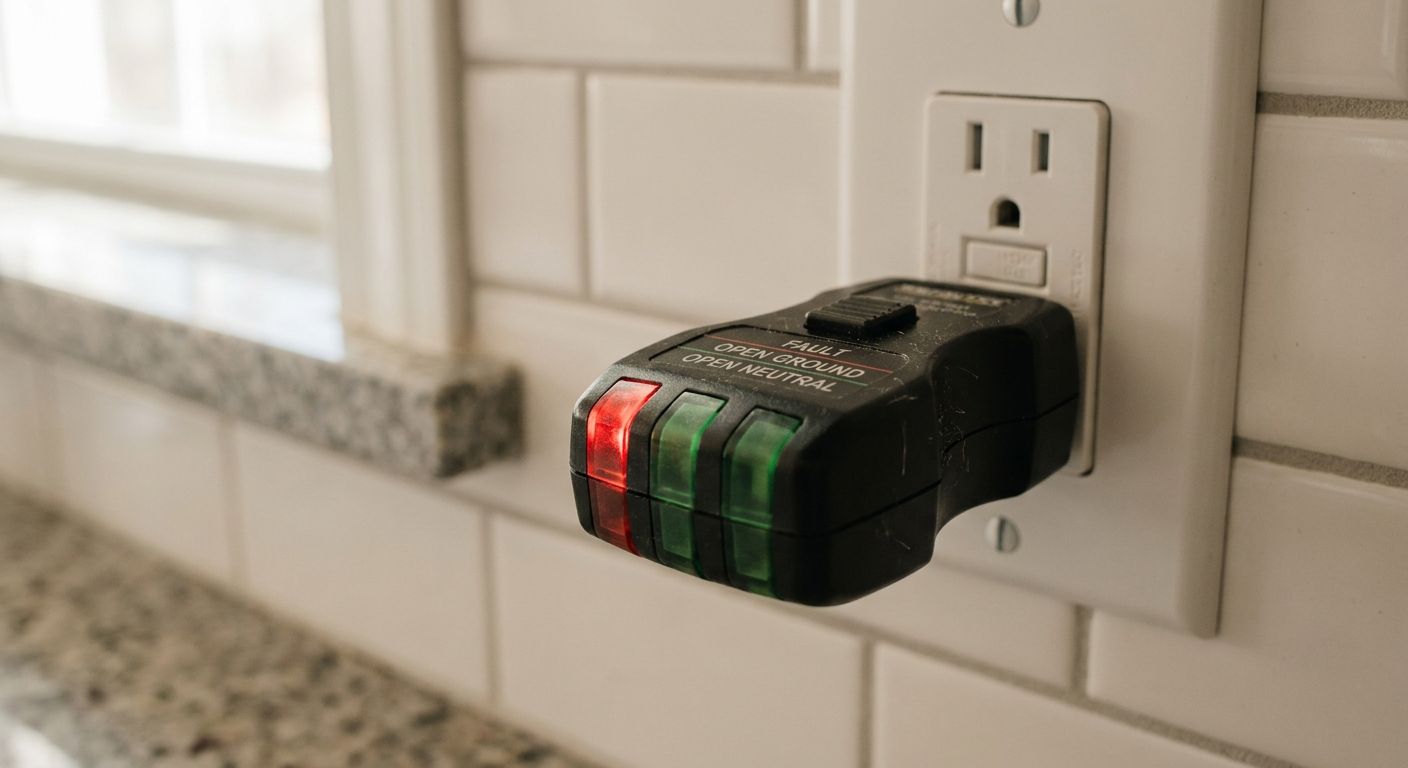
- Deal-Breakers & Major Concerns: These are primarily health and safety issues or major structural/system defects. Think foundation cracks, active leaks, serious electrical hazards (like double-tapped breakers or ungrounded outlets), a failing HVAC system, or an end-of-life roof. These are the non-negotiables that must be addressed.
- Reasonable Repair Requests: This category includes significant items that are not immediate safety hazards but affect the home's function and value. Examples include a leaking faucet, a broken window seal, or a water heater nearing the end of its expected lifespan.
- Minor & Cosmetic Issues: These are the small things your client should expect to handle as a new homeowner. Think chipped paint, a loose doorknob, or a cracked light switch cover. Sweating this small stuff can create ill will and derail negotiations over major items.
2. Quantify Everything: Get Professional Cost Estimates
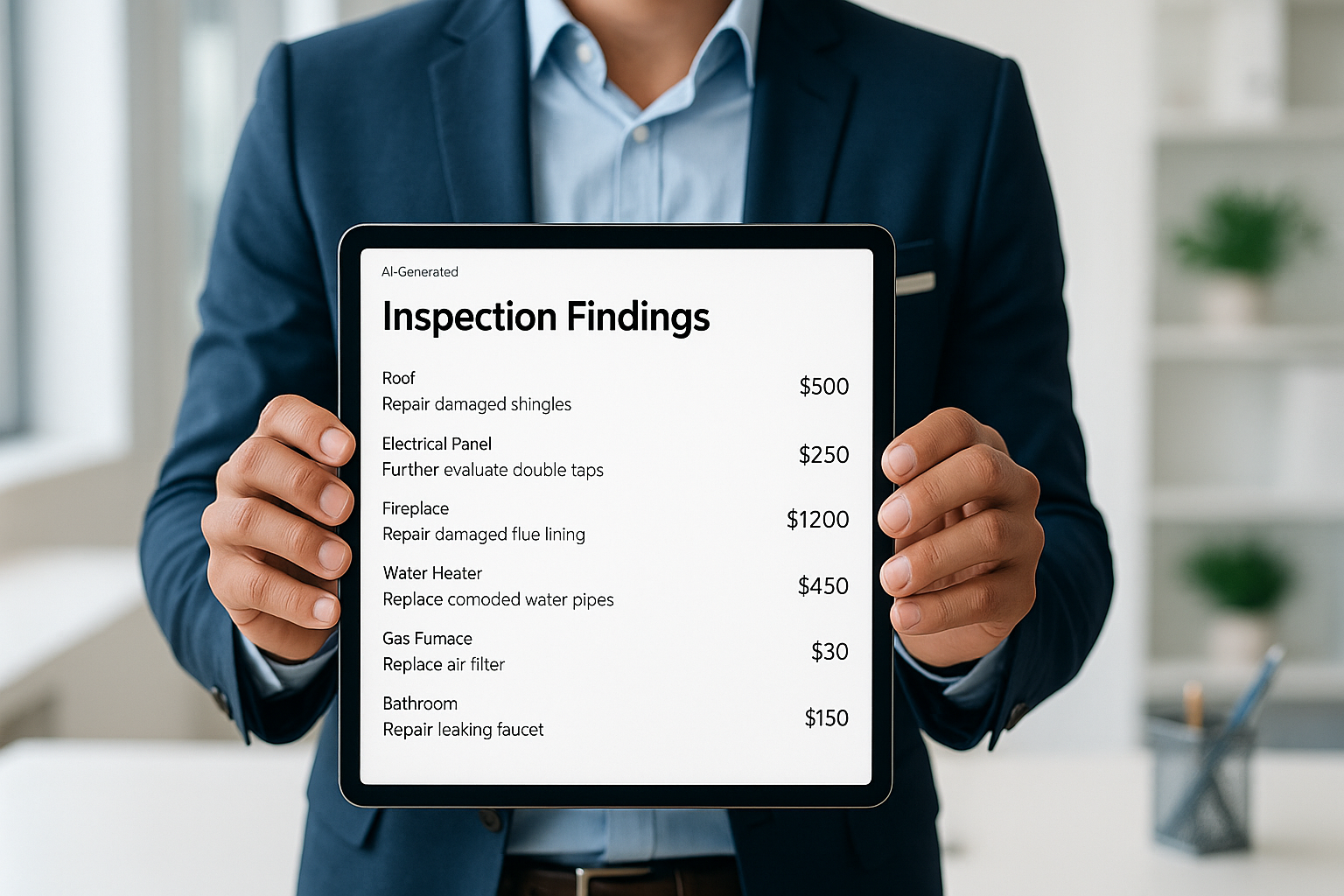
Never go into a negotiation with vague requests. "The seller needs to fix the electrical system" is weak. "We request a licensed electrician address the 12 ungrounded outlets and double-tapped breakers in the main panel, with an estimated cost of $1,200," is powerful. Getting quotes from qualified contractors for major issues is crucial. This data-driven approach removes emotion and transforms your request from a complaint into a business proposition.
3. Ask for Credits Instead of Repairs
While having the seller perform repairs seems straightforward, it can be risky. The seller is motivated to find the cheapest, fastest fix, not the best one. They have no long-term stake in the quality of the work. Requesting a seller credit or a price reduction is often a cleaner, safer solution for your buyer. This gives them control over the repair process, allowing them to hire their preferred contractors and ensure the work is done to their standards after closing.
4. Focus on the Four Pillars: Roof, HVAC, Electrical, and Foundation
When negotiations get tough, focus your energy where it matters most. These four systems are the most expensive to repair or replace and have the biggest impact on the home's safety and long-term viability. A seller is more likely to concede on a major structural defect or a failing furnace than on a dozen small, miscellaneous items.
5. Don't Let Your Client "Renovate" on the Seller's Dime
It's vital to manage your client's expectations. A home inspection is designed to find defects in the home's current condition, not to create a punch list for upgrades. The seller is not obligated to replace a functional, 15-year-old appliance with a brand-new stainless steel model. Keep the focus on material defects, safety, and function.
6. Understand the Seller's Motivation
Is the seller in a hurry to move for a new job? Is the house an inherited property they just want to offload? Or are they emotionally attached and believe their home is perfect? Understanding their position can help you frame your request. A motivated seller might be more agreeable to a larger credit for a quick, clean closing. An emotional seller may respond better to a request focused purely on safety issues.
7. Draft a Clear and Professional Repair Addendum
Your formal request, often called a repair addendum or request for repairs, should be clear, concise, and professional. Reference the specific page number or finding from the inspection report for each item. State your requested resolution clearly whether it's a repair by a licensed professional, a specific monetary credit, or a price reduction. Avoid emotional or demanding language.
8. Know the Market Dynamics
In a strong seller's market, your leverage is reduced. You'll need to focus exclusively on the most critical health and safety issues. In a buyer's market, you have more room to negotiate on a wider range of items. Understanding the current market conditions is essential for setting a realistic negotiation strategy with your client.
9. Consider a Home Warranty as a Compromise
If a seller is pushing back on repairing or replacing an aging-but-functional system, like a 12-year-old HVAC or water heater, proposing that they pay for a one-year premium home warranty can be an excellent compromise. It provides your buyer with a safety net for the first year of ownership and is a relatively low, fixed cost for the seller.
10. Be Prepared to Walk Away
This is the ultimate negotiation tactic. If the inspection reveals significant issues that the seller is unwilling to address, your most important job is to advise your client on their right to walk away (within their inspection contingency period). Protecting your client from a bad investment is more important than closing any single deal.
How InspectionResponse.com Transforms Your Negotiation Strategy
While these strategies are timeless, executing them efficiently in today's fast-paced market is the real challenge. Manually sifting through a 60-page PDF, researching costs, and drafting precise addendums can take hours time you don't have during a tight contingency period. This is where InspectionResponse.com gives you a decisive edge.
Our platform uses AI to supercharge your post-inspection workflow. Simply upload the inspection report PDF, and our smart analysis instantly identifies and categorizes every finding. Forget guesswork; our tool provides AI-powered cost and time estimates for repairs, giving you the hard data needed for a powerful negotiation (Strategy #2).
InspectionResponse.com helps you and your client prioritize issues by clearly flagging major concerns versus minor ones (Strategy #1). When you're ready to make your request, our AI-powered repair request generation creates a professional, fully-customizable addendum in minutes, not hours (Strategy #7). You can easily toggle between asking for repairs or seller credits, ensuring you present the strongest, most professional case for your client.
By automating the tedious work, InspectionResponse.com empowers you to focus on what you do best: advising your clients and negotiating the best possible deal.
Conclusion
A home inspection report shouldn't be a source of anxiety; it should be a source of leverage. By prioritizing issues, quantifying costs, and communicating professionally, you can navigate any negotiation with confidence. Equip yourself with the right strategies and the right tools, and you'll not only protect your clients but also solidify your reputation as a top-tier agent.
Ready to make your next negotiation your best one yet? Try InspectionResponse.com today and see how AI can streamline your success.
Additional Resources
Briefing Document & Key Takeaways
Mastering Home Inspection Negotiations: A Strategic Briefing
This briefing outlines key strategies for real estate agents to effectively navigate home inspection negotiations, transforming potential deal-breakers into opportunities for client advocacy and successful closings. It emphasizes a structured, data-driven approach, highlighting the importance of prioritization, quantification, and professional communication.
Core Principles of Home Inspection Negotiation
The fundamental premise is that a home inspection report, rather than being a "fail," is "the start of a crucial conversation" and "an opportunity to demonstrate immense value." Successful negotiation hinges on strategy, avoiding the pitfalls of "asking for too much, fixating on minor cosmetic issues, or ask for too little, missing significant defects."
1. Prioritization: Differentiating Issues
Not all inspection findings carry equal weight. Agents must guide clients in categorizing issues to focus negotiation efforts effectively:
- Deal-Breakers & Major Concerns: These are non-negotiable items that "must be addressed" and primarily concern "health and safety issues or major structural/system defects." Examples include "foundation cracks, active leaks, serious electrical hazards... a failing HVAC system, or an end-of-life roof."
- Reasonable Repair Requests: Significant items that impact "the home's function and value" but are not immediate safety hazards, such as "a leaking faucet, a broken window seal, or a water heater nearing the end of its expected lifespan."
- Minor & Cosmetic Issues: Small items that buyers should expect to handle themselves. "Sweating this small stuff can create ill will and derail negotiations over major items."
2. Quantification: The Power of Data
Vague requests are ineffective. Negotiations should be "data-driven" to "remove emotion and transform your request from a complaint into a business proposition." This means:
- Professional Cost Estimates: Obtaining quotes from qualified contractors for major issues is crucial. For example, instead of "The seller needs to fix the electrical system," a strong request would be: "We request a licensed electrician address the 12 ungrounded outlets and double-tapped breakers in the main panel, with an estimated cost of $1,200."
3. Strategic Request Types: Credits vs. Repairs
While direct repairs by the seller seem straightforward, they carry risks. The seller is "motivated to find the cheapest, fastest fix, not the best one."
- Ask for Credits Instead of Repairs: Requesting "a seller credit or a price reduction is often a cleaner, safer solution for your buyer." This grants buyers "control over the repair process, allowing them to hire their preferred contractors and ensure the work is done to their standards after closing."
4. Focus on High-Impact Systems
When negotiations become challenging, concentrate efforts on the "Four Pillars":
- Roof, HVAC, Electrical, and Foundation: These systems are "the most expensive to repair or replace and have the biggest impact on the home's safety and long-term viability." Sellers are more likely to concede on these major items.
5. Managing Client Expectations: Beyond Renovation
It's critical to manage client expectations to prevent them from attempting to "Renovate on the Seller's Dime."
- Focus on Defects, Not Upgrades: The inspection aims to identify "defects in the home's current condition," not create a list for upgrades. Sellers are not obligated to replace functional appliances with new ones.
6. Understanding Seller Motivation
Effective negotiation requires insight into the seller's situation:
- Tailor the Approach: "Understanding their position can help you frame your request." A highly motivated seller might be more receptive to a larger credit for a quick close, while an emotional seller might respond better to requests focused purely on safety.
7. Professional Communication: The Repair Addendum
The formal request for repairs, or repair addendum, must be:
- Clear, Concise, and Professional: It should reference "the specific page number or finding from the inspection report for each item," clearly state the requested resolution (repair by a licensed professional, specific monetary credit, or price reduction), and "avoid emotional or demanding language."
8. Market Dynamics: Leverage and Realism
Market conditions significantly influence negotiation leverage:
- Seller's Market: Focus "exclusively on the most critical health and safety issues."
- Buyer's Market: Allows for negotiation on a wider range of items. "Understanding the current market conditions is essential for setting a realistic negotiation strategy."
9. Creative Compromise: Home Warranties
When sellers resist repairing or replacing aging-but-functional systems:
- Propose a Home Warranty: Offering to have the seller pay for "a one-year premium home warranty can be an excellent compromise," providing the buyer with a safety net at a "relatively low, fixed cost for the seller."
10. The Ultimate Tactic: Preparedness to Walk Away
- Protecting the Client: "If the inspection reveals significant issues that the seller is unwilling to address, your most important job is to advise your client on their right to walk away." Protecting them from a "bad investment is more important than closing any single deal."
Leveraging Technology: InspectionResponse.com
The document highlights how platforms like InspectionResponse.com can "supercharge your post-inspection workflow" by automating tedious tasks, allowing agents to focus on strategic advising and negotiation.
- AI-Powered Analysis: Uploading the PDF allows the platform to "instantly identif[y] and categoriz[e] every finding," provide "AI-powered cost and time estimates for repairs," and help "prioritize issues by clearly flagging major concerns versus minor ones."
- Automated Addendum Generation: The platform "creates a professional, fully-customizable addendum in minutes," enabling agents to "easily toggle between asking for repairs or seller credits."
Conclusion
A home inspection report should be seen as "a source of leverage." By adopting these strategic approaches, "prioritizing issues, quantifying costs, and communicating professionally," agents can navigate negotiations confidently, protect their clients' interests, and enhance their professional reputation.
Study Guide
Navigating Home Inspection Negotiations: A Comprehensive Study Guide
Quiz
Instructions: Answer each question in 2-3 sentences, demonstrating your understanding of the source material.
- What is the primary purpose of categorizing findings from a home inspection report into "Deal-Breakers," "Reasonable Repair Requests," and "Minor/Cosmetic Issues"?
- Why is it crucial for a real estate agent to "Quantify Everything" when preparing negotiation requests?
- Explain the main advantage of asking for seller credits or price reductions instead of requesting the seller to perform repairs directly.
- According to the guide, what are the "Four Pillars" of a home that agents should prioritize during tough negotiations, and why are they so important?
- How should an agent manage a client's expectations regarding potential home upgrades identified during the inspection?
- Why is understanding the seller's motivation considered an essential strategy in home inspection negotiations?
- What key characteristics should a "Clear and Professional Repair Addendum" possess?
- How do market dynamics (seller's vs. buyer's market) influence an agent's negotiation strategy after a home inspection?
- Under what circumstances might a home warranty be a suitable compromise in negotiations, and what benefit does it offer the buyer?
- What is considered the "ultimate negotiation tactic," and what is its primary purpose from the agent's perspective?
Quiz Answer Key
- The primary purpose of categorizing findings is to prioritize issues, separating critical safety/structural concerns from less significant functional or cosmetic problems. This helps agents and clients focus negotiation efforts on "must-haves" and avoid derailing the deal over minor issues.
- Quantifying everything, such as getting professional cost estimates, transforms vague requests into data-driven business propositions. This approach removes emotion, adds credibility, and makes the negotiation request more powerful and harder for the seller to dismiss.
- The main advantage of asking for seller credits or price reductions is that it gives the buyer control over the repair process after closing. This ensures the work is done to their standards, by their preferred contractors, and prevents the seller from opting for the cheapest, fastest, and potentially lowest-quality fix.
- The "Four Pillars" are Roof, HVAC, Electrical, and Foundation. They are crucial because these systems are the most expensive to repair or replace and significantly impact the home's safety, function, and long-term viability, making sellers more likely to concede on these major issues.
- Agents should manage client expectations by emphasizing that a home inspection identifies defects, not opportunities for upgrades or renovations. The seller is not obligated to replace functional, albeit older, items with new ones; the focus should remain on material defects, safety, and function.
- Understanding the seller's motivation helps an agent frame their requests more effectively. For example, a highly motivated seller might be more open to a larger credit for a quick closing, while an emotional seller might respond better to requests framed purely around safety.
- A clear and professional repair addendum should be concise, professional, and directly reference specific findings (e.g., page numbers) from the inspection report. It must clearly state the requested resolution, whether it's a repair by a licensed professional, a monetary credit, or a price reduction, avoiding emotional language.
- Market dynamics dictate negotiation leverage. In a strong seller's market, agents have less leverage and must focus almost exclusively on critical health and safety issues. In contrast, a buyer's market provides more room to negotiate on a wider range of items.
- A home warranty can be a suitable compromise when an aging but still functional system (like an HVAC or water heater) is a concern, but the seller is unwilling to replace it. It provides the buyer with a financial safety net for the first year of ownership at a relatively low, fixed cost for the seller.
- The ultimate negotiation tactic is "being prepared to walk away." Its primary purpose is to protect the client from making a bad investment if significant issues are unresolved, demonstrating that the agent prioritizes the client's best interests over simply closing a deal.
Essay Format Questions
- Discuss how the "Prioritize" and "Quantify Everything" strategies work in tandem to create a robust and persuasive negotiation request. Provide examples of how neglecting either strategy could weaken a client's position.
- Compare and contrast the benefits and risks of requesting the seller to perform repairs versus asking for a seller credit or price reduction. Under what market conditions or client preferences might one approach be more advisable than the other?
- Analyze the role of effective communication and professionalism in home inspection negotiations, as highlighted by strategies like "Draft a Clear and Professional Repair Addendum" and the general tone advocated in the guide. How can poor communication or an unprofessional approach derail a deal, even if the underlying requests are valid?
- The guide emphasizes understanding the "Seller's Motivation" and "Market Dynamics." Explain how these two external factors, beyond the inspection report itself, significantly shape an agent's overall negotiation strategy and likelihood of success. Provide hypothetical scenarios illustrating their impact.
- Beyond the explicit strategies, the guide indirectly emphasizes the importance of a real estate agent's value proposition. Discuss how skillfully navigating home inspection negotiations, utilizing the outlined strategies and tools like InspectionResponse.com, allows an agent to "demonstrate immense value" and "solidify your reputation as a top-tier agent."
Glossary of Key Terms
- Repair Addendum/Request for Repairs: A formal, written document prepared by the buyer's agent to the seller, detailing the specific issues identified in the home inspection report that require action (repair, credit, or price reduction) from the seller before closing.
- Contingency Period (Inspection Contingency): A specified timeframe in a real estate contract during which the buyer can have the home professionally inspected and, based on the findings, negotiate repairs, credits, or choose to terminate the contract without penalty.
- Deal-Breakers & Major Concerns: Category of inspection findings that includes primarily health and safety issues or major structural/system defects (e.g., foundation cracks, active leaks, failing HVAC), considered non-negotiable by the buyer.
- Reasonable Repair Requests: Category of inspection findings that includes significant items affecting the home's function and value but are not immediate safety hazards (e.g., leaking faucet, broken window seal).
- Minor & Cosmetic Issues: Category of inspection findings that includes small, aesthetic problems typically expected for a new homeowner to handle, which should generally not be part of major negotiations (e.g., chipped paint, loose doorknob).
- Seller Credit: A monetary concession from the seller to the buyer at closing, typically used to cover the cost of repairs, closing costs, or other buyer expenses, giving the buyer control over how the funds are used.
- Price Reduction: A decrease in the agreed-upon purchase price of the home, often negotiated in lieu of repairs or seller credits, directly lowering the buyer's cost.
- Four Pillars (Roof, HVAC, Electrical, Foundation): The four most critical and expensive systems of a home, which agents are advised to prioritize in negotiations due to their significant impact on safety, function, and long-term viability.
- Market Dynamics: The prevailing conditions of the real estate market (e.g., seller's market, buyer's market) that influence negotiation leverage and the scope of what can be reasonably requested.
- Home Warranty: A service contract that covers the repair or replacement of major home systems and appliances that break down due to normal wear and tear, often purchased for one year to provide a safety net for buyers.
- Double-Tapped Breaker: An electrical wiring error where two wires are connected to a single circuit breaker terminal, which is a safety hazard as the breaker may not trip properly.
- Ungrounded Outlets: Electrical outlets that lack a ground wire, posing a shock hazard and potentially damaging sensitive electronics.
- AI-powered repair request generation: A feature offered by platforms like InspectionResponse.com that uses artificial intelligence to automatically draft professional, customizable repair addendums based on the uploaded inspection report.
Frequently Asked Questions
What is the primary purpose of a home inspection report in a real estate transaction?
The home inspection report serves as a critical turning point in a real estate transaction, acting not as a "fail" but as the initiation of a crucial conversation. Its primary purpose is to identify defects in the home's current condition, providing both real estate agents and their clients with leverage to negotiate. For the agent, it's an opportunity to demonstrate value, protect their client's investment, and guide the deal to a successful closing by transforming potential deal-killers into powerful negotiation tools.
How should clients and agents prioritize findings from a home inspection report?
Prioritizing findings is essential for effective negotiation. Clients and agents should categorize every item in the report into three lists: "Deal-Breakers & Major Concerns" (health/safety, structural/system defects like foundation cracks or failing HVAC), "Reasonable Repair Requests" (significant functional issues not immediate hazards, e.g., a leaking faucet), and "Minor & Cosmetic Issues" (small expected homeowner responsibilities like chipped paint). This structured approach helps in focusing negotiations on critical items and avoiding goodwill erosion over trivial matters.
Why is it beneficial to request seller credits or price reductions instead of seller-performed repairs?
Requesting seller credits or price reductions is often a cleaner and safer solution than having the seller perform repairs. Sellers are incentivized to choose the cheapest and fastest fixes, potentially compromising quality, as they have no long-term stake in the property. Conversely, a credit or price reduction empowers the buyer to control the repair process post-closing, allowing them to hire their preferred contractors and ensure the work meets their standards.
What are the "Four Pillars" of a home that should be the focus of negotiation efforts?
When negotiations become challenging, it's crucial to concentrate on the "Four Pillars" of a home: the Roof, HVAC (Heating, Ventilation, and Air Conditioning), Electrical system, and Foundation. These systems are the most expensive to repair or replace and have the most significant impact on a home's safety, function, and long-term viability. Sellers are more inclined to concede on major issues related to these pillars than on numerous minor items.
How does understanding the seller's motivation impact negotiation strategy?
Understanding the seller's motivation is key to framing negotiation requests effectively. Factors like a seller's urgency to move for a new job, their desire to offload an inherited property, or their emotional attachment to the home can influence their willingness to negotiate. For instance, a highly motivated seller might be more receptive to a larger credit for a quick and clean closing, while an emotional seller might respond better to requests focused purely on health and safety concerns.
What is the role of market dynamics in post-inspection negotiations?
Market dynamics significantly influence the leverage available in post-inspection negotiations. In a strong seller's market, buyers have less leverage and should focus almost exclusively on critical health and safety issues. Conversely, in a buyer's market, buyers have more room to negotiate on a broader range of items. Awareness of current market conditions is essential for setting realistic expectations and formulating an effective negotiation strategy.
When is it appropriate to consider a home warranty as a negotiation compromise?
A home warranty can be an excellent compromise, especially when a seller is hesitant to repair or replace an aging but currently functional system, such as an older HVAC unit or water heater. Proposing that the seller pay for a one-year premium home warranty provides the buyer with a crucial safety net for their first year of ownership. This option is a relatively low, fixed cost for the seller and can help bridge a negotiation gap.
How can technology, such as AI platforms, enhance the home inspection negotiation process?
Technology, specifically AI platforms like InspectionResponse.com, can significantly streamline and supercharge the post-inspection negotiation workflow. These tools can instantly analyze and categorize inspection findings, provide AI-powered cost and time estimates for repairs, and help prioritize issues (distinguishing major concerns from minor ones). Furthermore, they can automate the generation of professional, customizable repair addendums, allowing agents to efficiently toggle between requesting repairs or seller credits. By automating tedious tasks, technology empowers agents to focus more on client advisement and strategic negotiation.