The Ultimate Checklist: 20 Essential Questions to Ask Your Home Inspector
Podcast Overview
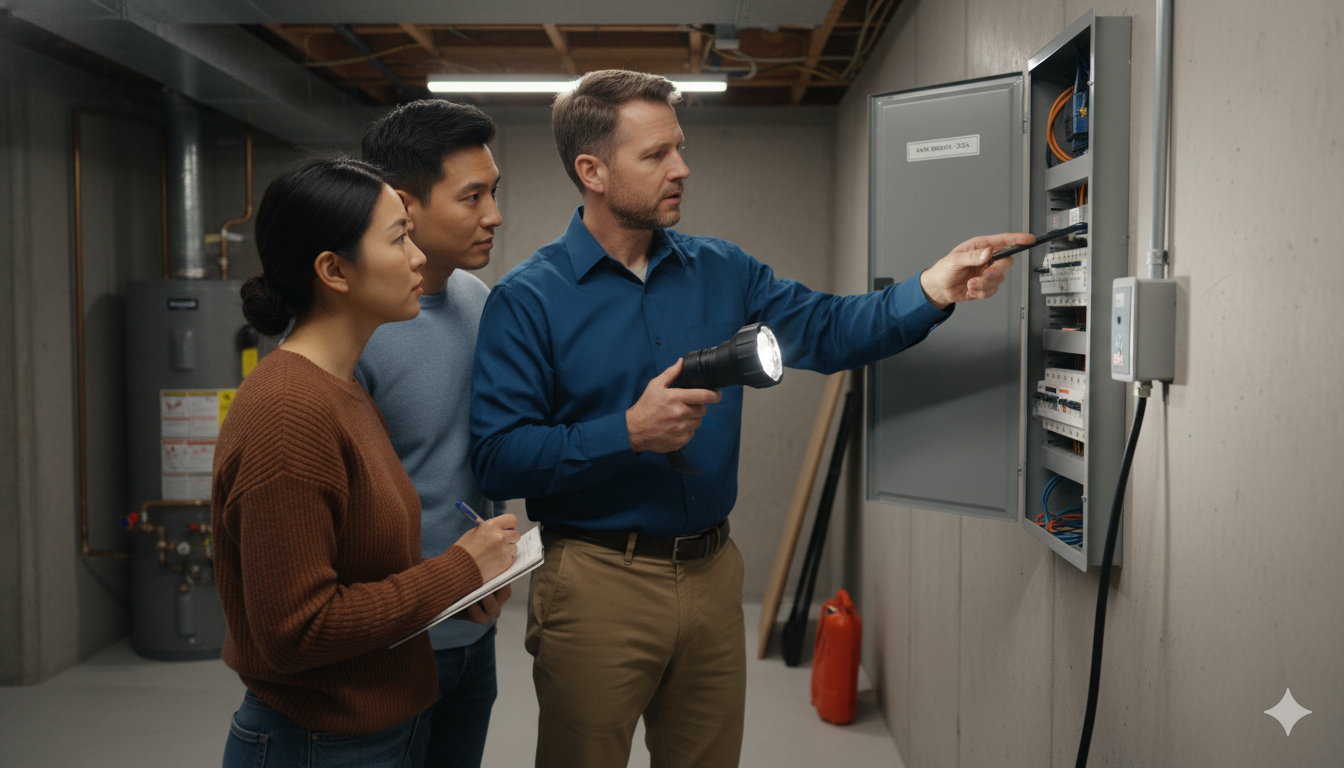
For real estate agents, the home inspection is one of the most critical and often nerve-wracking milestones in any transaction. It’s the moment when a property’s hidden secrets are revealed, potentially making or breaking a deal. For your clients, especially first-time buyers, it can feel overwhelming. They are relying on your guidance to not only choose a great inspector but also to understand what to look for and what to ask.
Empowering your clients with the right questions transforms the inspection from a passive event into an active learning experience. It helps them understand their potential new home, manage their expectations, and make informed decisions. More importantly, it sets you, their agent, up for a smoother negotiation process when it’s time to address the findings.
This comprehensive guide breaks down the top 20 essential questions to ask a home inspector, organized into three key phases: before you hire, during the inspection, and after you receive the report.
Before You Hire: Vetting Your Home Inspector
The quality of the inspection starts with the inspector. Asking these questions upfront ensures you’re partnering with a qualified, experienced, and thorough professional.
1. What are your qualifications, certifications, and insurance?
A professional inspector should be able to readily provide proof of their credentials. Look for certifications from reputable organizations like the American Society of Home Inspectors (ASHI) or the International Association of Certified Home Inspectors (InterNACHI). Crucially, confirm they carry Errors and Omissions (E&O) insurance, which protects all parties in case a significant issue is missed.
2. How long have you been inspecting homes, and do you have experience in construction or related trades?
While not a requirement, a background in construction, plumbing, or electrical work can give an inspector a deeper understanding of a home’s systems. Experience is key an inspector who has seen hundreds of homes will have a better-trained eye for both common and unusual problems.
3. What does your inspection cover and what does it exclude?
Ask for a copy of their standard inspection agreement or a sample report. This document will outline the scope of the inspection. Most standard inspections cover the home's primary systems and components, but typically exclude things like:
- Swimming pools or hot tubs
- Septic systems
- Wells
- Pest inspections (termites, etc.)
- Mold or asbestos testing (though they will note visible signs)
Knowing what’s not covered helps you arrange for specialized inspections if needed.
4. Can my client and I attend the inspection?
The answer should always be a resounding "Yes!" An inspector who discourages the buyer from attending is a major red flag. The true value of an inspection isn't just the report; it's the opportunity to walk through the property with an expert, see issues firsthand, and ask questions in real-time.
5. How long will the inspection take, and when will we receive the report?
For an average-sized home, a thorough inspection should take 2-4 hours. A rushed inspection is a red flag. You should also expect to receive a detailed, digital report with photos and explanations within 24 hours.
During the Inspection: Maximizing Your Time On-Site
This is your client's best opportunity to learn about the home directly from the expert. Encourage them to be present, observant, and inquisitive.
6. What is the age and general condition of the major systems?
This is a high-level question that covers the most expensive components of the home:
- Roof: How old is it? What is its estimated remaining lifespan?
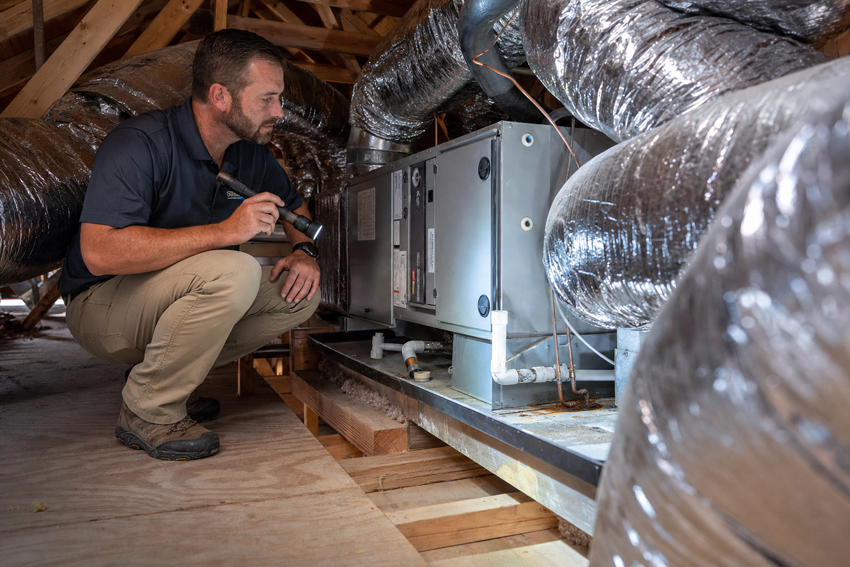
- HVAC: What is the age and service history of the furnace and air conditioner?
- Plumbing: What type of pipes are used (copper, PEX, galvanized)? Are there signs of active leaks?
- Electrical: Is the electrical panel up to date? Is there any outdated or hazardous wiring (e.g., knob-and-tube, aluminum)?
- Foundation: Are there any visible cracks or signs of movement that are concerning?
7. Are there any potential safety hazards I should be aware of?
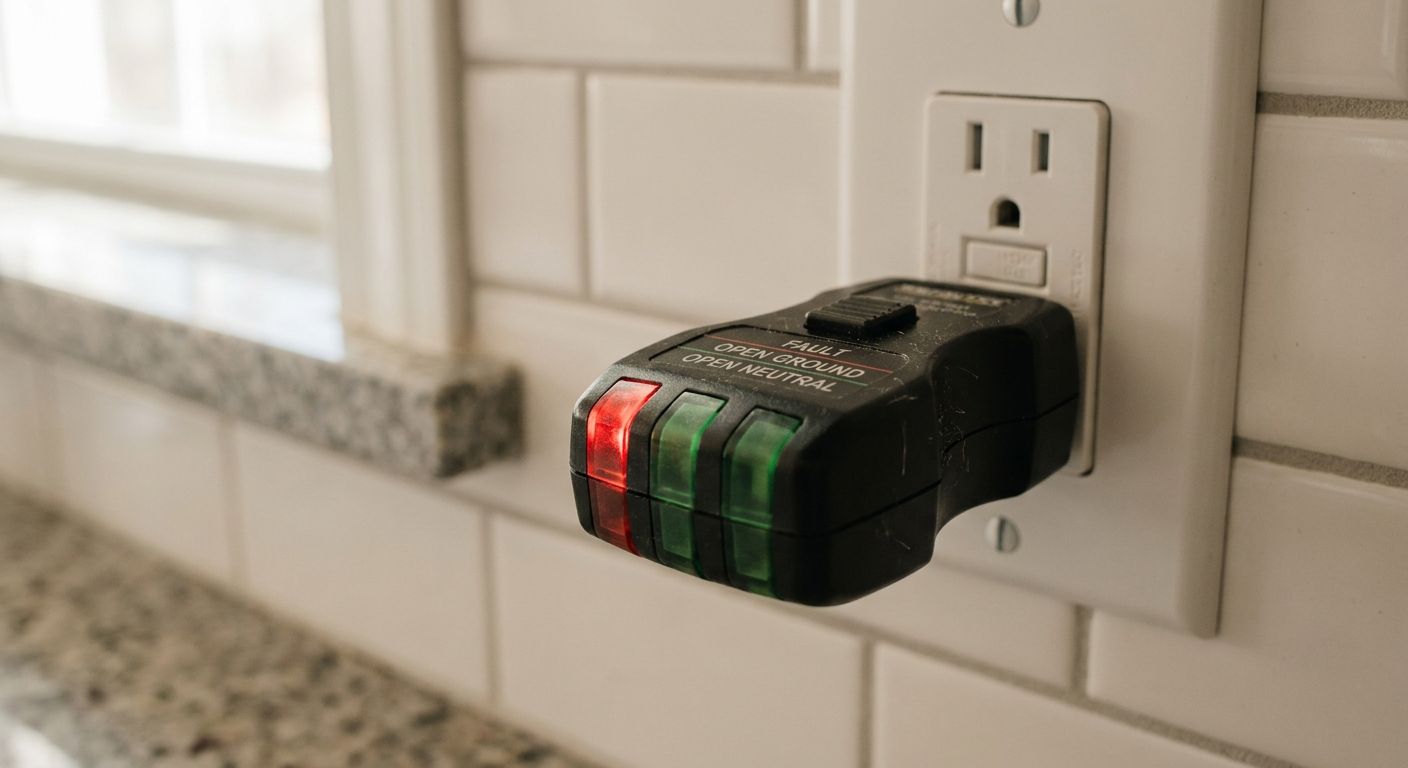
This is a critical question. An inspector's primary job is to identify safety issues. This could include a lack of GFCI outlets in kitchens/bathrooms, an old electrical panel known for fire risk, improper ventilation for gas appliances, or a staircase without a proper handrail.
8. Can you show me any visible signs of water damage, past or present?
Water is a home's worst enemy. Ask the inspector to point out any stains on ceilings, warped baseboards, efflorescence on foundation walls, or a musty smell in the basement. Understanding a home's history with water is vital.
9. Where are the main utility shut-offs?
Every homeowner should know this! Ask the inspector to physically locate and show your client the main water shut-off valve, the main gas shut-off (if applicable), and the main electrical panel/breaker box. This is practical, essential knowledge for move-in day.
10. Have you noticed any signs of unpermitted or unusual renovations?
An experienced inspector can often spot work that wasn't done to a professional standard. This could be odd-looking wiring, strange plumbing configurations, or structural changes that don't look quite right. While they can't confirm permit status, they can flag areas that warrant further investigation.
11. Is this a minor issue or a major concern?
As the inspector points out flaws, it's helpful to ask for context. A cracked light switch plate is a minor cosmetic issue; a cracked heat exchanger in a furnace is a major safety and financial concern. This helps your client prioritize and avoid feeling overwhelmed by a long list of minor defects.
12. What’s that? (Don’t be afraid to ask!)
Encourage your clients to ask for clarification on anything they don't recognize or understand. Whether it's a component of the HVAC system or a strange pipe in the basement, there are no "dumb questions" during a home inspection.
After the Report: Understanding the Findings and Next Steps
The inspection report is dense with technical terms and photos. The follow-up conversation is where you translate that data into an actionable plan.
13. Can you walk me through the summary of the report?
Most inspectors provide a summary section highlighting the most significant findings. Ask them to verbally explain these key points. Hearing their tone and emphasis can provide valuable context that text alone cannot.
14. Are there any "deal-breaker" problems that you're particularly concerned about?
Ask for the inspector's professional opinion on the top 1-3 issues. These are often related to Safety, Structure, or Systems. Hearing an unbiased expert say, "If this were my house, I would be most concerned about X," is powerful information for your negotiation strategy.
15. What would be the rough, ballpark cost to fix the most significant issues?
Home inspectors are not contractors and cannot provide firm quotes. However, they can often give a very general range (e.g., "This type of roof repair usually costs a few thousand dollars," or "Replacing that electrical panel is a significant expense."). This initial guidance is crucial for deciding which repairs to request.
16. Should we get a follow-up evaluation from a specialist for any of these issues?
If the inspector notes a major foundation crack, signs of a pest infestation, or a complex HVAC problem, they will almost always recommend a second opinion from a licensed specialist (e.g., a structural engineer, pest control company, or HVAC technician). Get clarification on which items warrant this extra step.
17. Is there anything in this report that you consider a common issue for a home of this age?
This question helps manage expectations. A 70-year-old home is expected to have some outdated wiring or plumbing. A 5-year-old home is not. Understanding what's "normal" can help differentiate between routine maintenance and a genuine defect.
18. Can you clarify what this technical term in the report means?
Don't let your client gloss over jargon they don't understand. Whether it's "efflorescence," "improper flashing," or "reversed polarity," a quick call to the inspector can provide a simple, clear explanation.
19. Do you see any evidence of DIY repairs that need to be corrected?
Similar to the question about renovations, this focuses on amateur work that might be functional but isn't safe or up to code. Common examples include homeowner-done plumbing with improper materials or messy electrical wiring.
20. Based on your findings, what are the top maintenance items I should focus on in the first year?
This is a great, forward-looking question. The inspector might suggest immediate priorities like "clean the gutters to prevent water intrusion" or "get the furnace serviced before winter." This helps your client transition from a buyer to a proactive homeowner.
How InspectionResponse.com Streamlines Your Next Steps
Once you and your client have the answers and the final report in hand, the real work begins: turning those findings into a clear, professional repair request. This is where hours can be lost deciphering jargon, researching costs, and drafting documents.
InspectionResponse.com is designed to automate this entire process. Instead of manually typing up a list of issues, you can simply upload the inspector's PDF report. Our AI-powered platform gets to work instantly:
- Smart Analysis: It reads the report, automatically identifying every finding, from major safety hazards to minor maintenance items.
- Cost & Time Estimates: For each finding, the system provides industry-standard cost and time estimates for repair, directly addressing the "how much will this cost?" question with data-driven insights.
- Professional Repair Requests: With a few clicks, you can select the issues you want the seller to address and generate a perfectly formatted, professional repair request addendum. Our AI can even help you refine the language to be clear, concise, and effective for negotiations.
- Client Communication Tools: Easily share a simplified, interactive summary of the findings with your client, helping them understand complex issues and collaborate on which repairs are most important to them.
By using InspectionResponse.com, you transform the post-inspection chaos into a streamlined, strategic advantage, saving you time and empowering you to negotiate more effectively for your clients.
Conclusion
A home inspection is more than a hurdle to clear; it’s a foundational part of a successful real estate transaction. By arming your clients with these 20 essential questions, you empower them to be confident and informed. And when the report is delivered, you can leverage tools like InspectionResponse.com to handle the next steps with unparalleled speed and professionalism, reinforcing your value as a trusted, tech-savvy agent.
Ready to revolutionize your inspection response process? Explore InspectionResponse.com today.
Additional Resources
Briefing Document & Key Takeaways
Briefing on Essential Home Inspection Strategies
Executive Summary
The home inspection is a critical and often high-stakes event in a real estate transaction, capable of revealing a property's hidden issues and significantly influencing the outcome of a deal. To navigate this process effectively, real estate agents must empower their clients, particularly first-time buyers, to engage actively. The core strategy involves arming clients with a comprehensive set of targeted questions organized across three distinct phases: vetting the inspector before hiring, maximizing the on-site inspection, and interpreting the final report to formulate next steps.
Key takeaways from this approach include the importance of verifying an inspector's qualifications, insurance, and experience upfront. During the inspection, the focus shifts to understanding the age and condition of major systems, identifying safety hazards, and clarifying any ambiguities in real-time. Post-inspection, the dialogue centers on contextualizing the findings, identifying "deal-breaker" issues, estimating potential costs, and determining the need for specialized evaluations. Finally, modern tools like the AI-powered platform InspectionResponse.com can significantly streamline the post-inspection workflow by automating the analysis of reports and the creation of professional repair requests, transforming a complex process into a strategic advantage.
Phase 1: Vetting the Home Inspector
The quality and reliability of a home inspection are fundamentally dependent on the professional conducting it. Asking critical questions before engagement is essential to ensure the inspector is qualified, experienced, and transparent.
• Qualifications and Insurance: A professional inspector must be able to provide proof of certifications from reputable organizations like the American Society of Home Inspectors (ASHI) or the International Association of Certified Home Inspectors (InterNACHI). It is crucial to confirm they carry Errors and Omissions (E&O) insurance to protect all parties if a significant issue is missed.
• Experience and Background: An inspector's depth of experience, particularly a background in construction, plumbing, or electrical trades, provides a more profound understanding of a home's systems. An inspector who has evaluated hundreds of homes develops a trained eye for both common and unusual problems.
• Scope of the Inspection: It is vital to understand what the inspection covers and, just as importantly, what it excludes. Requesting a sample report or inspection agreement will clarify the scope. Standard inspections typically exclude swimming pools, septic systems, wells, and specialized testing for pests, mold, or asbestos, though visible signs of the latter may be noted. This knowledge allows for arranging necessary specialized inspections.
• Client Attendance Policy: The inspector's answer to whether the client can attend should be an unequivocal "Yes." An inspector discouraging attendance is a major red flag, as the true value of the inspection lies in the ability to walk through the property with an expert, observe issues firsthand, and ask questions.
• Timeline and Deliverables: A thorough inspection of an average-sized home should take between two and four hours; a rushed inspection is a cause for concern. A detailed digital report, complete with photos and explanations, should be expected within 24 hours.
Phase 2: Maximizing On-Site Engagement
The time spent at the property during the inspection is the client's primary opportunity to learn about their potential new home directly from an expert. Encouraging clients to be present and inquisitive is paramount.
• Condition of Major Systems: A high-level assessment of the home's most expensive components is essential. This includes inquiring about the age and estimated remaining lifespan of the roof; the age and service history of the HVAC system; the type of plumbing (copper, PEX, galvanized); the status of the electrical panel and wiring; and the presence of any concerning cracks or movement in the foundation.
• Identification of Safety Hazards: A primary function of the inspection is to identify safety issues. Questions should focus on potential hazards such as the lack of GFCI outlets in kitchens and bathrooms, old electrical panels known for fire risk, improper ventilation for gas appliances, or missing handrails on staircases.
• Evidence of Water Damage: As water is a home's "worst enemy," it is critical to ask the inspector to point out any signs of past or present water intrusion. This includes stains on ceilings, warped baseboards, efflorescence on foundation walls, or musty smells.
• Location of Utility Shut-Offs: The inspector should be asked to physically locate and demonstrate the main shut-off valves for water and gas, as well as the main electrical panel. This is essential, practical knowledge for any homeowner.
• Signs of Unprofessional Renovations: An experienced inspector can often identify work that was not completed to a professional standard, such as unusual wiring configurations, strange plumbing setups, or questionable structural changes. While they cannot confirm permit status, they can flag areas that require further investigation.
• Contextualizing Issues: To avoid overwhelming the client, it is helpful to ask the inspector to differentiate between minor and major concerns. A cracked light switch plate is a minor cosmetic flaw, whereas a cracked heat exchanger in a furnace represents a major safety and financial issue.
• General Clarification: Clients should be encouraged to ask "What's that?" about any component or observation they do not understand. There are no "dumb questions" during an inspection, and clarifying unfamiliar items is a key part of the learning process.
Phase 3: Actionable Insights from the Inspection Report
The dense, technical nature of the inspection report requires a follow-up conversation to translate its findings into a clear, actionable plan for negotiations and future homeownership.
• Report Summary Walk-Through: Requesting a verbal explanation of the report's summary section is highly valuable. The inspector's tone and emphasis can provide crucial context that is absent in the written text.
• Identifying "Deal-Breaker" Problems: Asking for the inspector's professional opinion on the top one to three issues is a powerful tool. Hearing an unbiased expert identify the most significant concerns related to safety, structure, or major systems helps formulate a negotiation strategy.
• Preliminary Cost Estimates: While inspectors are not contractors and cannot provide firm quotes, they can often offer a general "ballpark" cost range for significant repairs (e.g., "a few thousand dollars" for a roof repair). This guidance is vital for deciding which repairs to request from the seller.
• Recommendations for Specialists: The inspector will almost always recommend a follow-up evaluation from a licensed specialist for major issues like foundation cracks, signs of pests, or complex HVAC problems. It is important to get clarification on which findings warrant this additional step.
• Normal vs. Defective Conditions: Understanding what is considered a common issue for a home of a specific age helps manage expectations. Some outdated wiring may be normal in a 70-year-old house but would be a genuine defect in a 5-year-old home.
• Clarification of Technical Jargon: Clients should not hesitate to ask for simple explanations of technical terms found in the report, such as "efflorescence," "improper flashing," or "reversed polarity."
• Evidence of Unsafe DIY Repairs: A targeted question can identify amateur work that may be functional but is not safe or up to code. Common examples include homeowner-done plumbing with improper materials or messy electrical work.
• Future Maintenance Priorities: A forward-looking question about the top maintenance items to address in the first year helps the client transition from buyer to proactive homeowner. The inspector might suggest priorities like cleaning gutters or servicing the furnace.
Streamlining the Post-Inspection Process with Technology
After the inspection, the process of deciphering the report and drafting a repair request can be time-consuming and complex. The platform InspectionResponse.com is designed to automate and simplify these critical next steps.
• Automated Report Analysis: The platform uses AI to read an uploaded PDF inspection report, automatically identifying every finding, from major safety hazards to minor maintenance items.
• Data-Driven Estimates: For each identified issue, the system provides industry-standard cost and time estimates for repair, directly addressing the client's need for financial context.
• Professional Repair Request Generation: The tool allows agents to select the issues for negotiation and generates a professionally formatted repair request addendum with a few clicks. The platform's AI can also assist in refining the language to be clear and effective.
• Enhanced Client Communication: Agents can share a simplified, interactive summary of the findings with clients, facilitating collaboration and helping them understand complex issues to decide which repairs are most important.
• Strategic Advantage: By leveraging this technology, the post-inspection chaos is transformed into a streamlined, strategic process. This saves significant time and empowers agents to negotiate more effectively on behalf of their clients, reinforcing their value.
Study Guide
Home Inspection Process Study Guide
Quiz: Understanding the Home Inspection Process
Instructions: Please answer the following questions in two to three sentences, using only information from the provided source context.
1. What are the two primary credentials a client should look for when vetting a home inspector, and why is one of them particularly crucial?
2. According to the guide, what is the "true value" of attending the home inspection in person, beyond simply receiving the report?
3. List four of the five major home systems that an inspector should be asked about regarding their age and general condition.
4. Why is it important for a client to ask an inspector to differentiate between a minor issue and a major concern during the inspection?
5. What kind of cost information can a home inspector realistically provide about necessary repairs, and what are they unable to do?
6. Under what circumstances will a home inspector typically recommend a follow-up evaluation from a specialist?
7. How does asking about common issues for a home of a specific age help manage a client's expectations?
8. Besides the report summary, what is one of the most powerful pieces of information an inspector can provide to help with negotiation strategy?
9. What are two common examples of unpermitted or amateur DIY repairs that an experienced inspector might identify?
10. Describe the core function of InspectionResponse.com and list two of its specific features.
--------------------------------------------------------------------------------
Quiz Answer Key
1. A client should look for certifications from reputable organizations like ASHI or InterNACHI and proof of Errors and Omissions (E&O) insurance. The E&O insurance is crucial because it protects all parties involved in the transaction in case a significant issue is missed during the inspection.
2. The true value of attending the inspection is the opportunity to walk through the property with an expert, see potential issues firsthand, and ask questions in real-time. This transforms the inspection from a passive event into an active learning experience about the potential new home.
3. The five major systems are the roof, HVAC (furnace and air conditioner), plumbing, electrical, and foundation. An inspector should be able to provide information on the age, condition, and any potential concerns for each.
4. Asking for this context helps the client prioritize issues and avoid feeling overwhelmed by a long list of minor defects. It helps them understand the difference in significance between a cosmetic flaw, like a cracked light switch plate, and a major safety and financial concern, like a cracked heat exchanger in a furnace.
5. Home inspectors can often provide a very general, ballpark cost range for significant issues, such as noting a repair might cost "a few thousand dollars." They are not contractors, however, and cannot provide firm or formal quotes for the work.
6. An inspector will almost always recommend a follow-up evaluation when they identify a major or complex issue that requires specialized expertise. Examples include a major foundation crack (requiring a structural engineer), signs of a pest infestation, or a complex HVAC problem.
7. This question helps differentiate between routine maintenance expected for an older home and a genuine defect. For example, some outdated wiring might be considered "normal" for a 70-year-old home but would be a significant red flag in a 5-year-old home.
8. A powerful piece of information is the inspector's professional opinion on the top one to three issues they are most concerned about, often related to safety, structure, or systems. Hearing an unbiased expert state what they would be most concerned about provides valuable leverage for negotiations.
9. An inspector might identify odd-looking wiring, strange plumbing configurations, or structural changes that do not appear professional. Specific examples of DIY work needing correction include messy electrical wiring or plumbing done with improper materials.
10. InspectionResponse.com is an AI-powered platform designed to automate and streamline the process of creating a repair request after a home inspection. Its features include automatically analyzing the report to identify findings, providing cost and time estimates for repairs, and generating professionally formatted repair request addendums.
--------------------------------------------------------------------------------
Essay Questions for Deeper Analysis
1. Analyze the role of the real estate agent during the home inspection process as described in the text. How do the 20 essential questions empower both the agent and their client?
2. The document divides the inspection process into three distinct phases: "Before You Hire," "During the Inspection," and "After the Report." Describe the primary goal of each phase and explain how the questions for each phase build upon one another to ensure an informed home purchase.
3. Discuss the distinction made between a "defect" and a "common issue for a home of this age." Why is this distinction critical for managing client expectations and for the subsequent negotiation process?
4. Explain how technology, as exemplified by InspectionResponse.com, addresses the primary challenges that arise after the home inspection report is delivered. How does it aim to change the workflow for real estate agents and their clients?
5. Water damage and safety hazards are highlighted as two critical areas of focus during an inspection. Using details from the text, elaborate on the specific types of questions and observations an inspector uses to identify and communicate the severity of these issues.
--------------------------------------------------------------------------------
Glossary of Key Terms
American Society of Home Inspectors (ASHI) A reputable organization that provides certifications for home inspectors.
Efflorescence A sign of water damage mentioned in the text, described as a feature that can be found on foundation walls.
Errors and Omissions (E&O) Insurance A type of insurance carried by professional home inspectors that protects all parties in a real estate transaction in case a significant issue is missed during the inspection.
GFCI Outlets Ground Fault Circuit Interrupter outlets. The lack of these in kitchens and bathrooms is cited as a potential safety hazard an inspector would identify.
InspectionResponse.com An AI-powered platform that analyzes home inspection PDF reports to identify findings, provide cost and time estimates, and generate professional repair request addendums to streamline the post-inspection process.
International Association of Certified Home Inspectors (InterNACHI) A reputable organization, alongside ASHI, that provides certifications for professional home inspectors.
Knob-and-tube Wiring A type of outdated and potentially hazardous electrical wiring that an inspector would identify as a concern.
Repair Request Addendum A formal document, generated with a tool like InspectionResponse.com, that lists the issues a buyer wants the seller to address based on the findings of a home inspection report.
Reversed Polarity A technical electrical term mentioned as an example of jargon in a report that a client might need the inspector to explain.
Specialized Inspections Inspections for systems or elements that are typically excluded from a standard home inspection. Examples include inspections for swimming pools, septic systems, wells, and pests like termites.
Frequently Asked Questions
1. What is the real purpose of a home inspection, beyond just finding problems?
This question is fundamental because it reframes the entire event. A home inspection is not a simple pass/fail test designed to kill a deal. Instead, it should be viewed as a comprehensive learning opportunity—a private tutorial on the condition, operation, and maintenance of your potential new home. Understanding this strategic purpose is the first step toward a successful inspection experience.
The core purposes of a home inspection include:
• Active Learning Experience: It transforms the process from a passive event, where you simply wait for a report, into an active opportunity to learn directly from a professional.
• Deep Property Understanding: It helps you, the client, understand the inner workings of your potential new home on a much deeper level than a simple walkthrough can provide.
• Expectation Management: It provides a realistic, unbiased assessment of the property's condition, helping you manage expectations about its current state and future needs.
• Informed Decision-Making: It empowers you and your agent with the objective data needed to make clear, confident decisions about how to proceed with the transaction.
• Foundation for Negotiation: It provides a clear and credible basis for any subsequent negotiations with the seller regarding repairs or credits.
By viewing the inspection through this lens, you can approach the day with curiosity rather than fear, ready to choose the right professional for this crucial task.
2. How can I ensure I'm hiring a qualified and trustworthy home inspector?
The quality of your home inspection is almost entirely dependent on the expertise and integrity of the person you hire. This is not a service to shop for on price alone; proper vetting is the single most important factor in ensuring a thorough and useful inspection.
To find a qualified professional, use this checklist when evaluating potential inspectors:
• Credentials and Insurance: Ask for proof of their qualifications. Reputable inspectors are often certified by national organizations like the American Society of Home Inspectors (ASHI) or the International Association of Certified Home Inspectors (InterNACHI). Critically, you must confirm they carry Errors and Omissions (E&O) insurance, which protects all parties if a significant issue is overlooked. Also, ask for a sample report to see the level of detail and clarity they provide.
• Experience Level: Inquire about their background. While not required, experience in construction, plumbing, or electrical trades can provide a deeper understanding of a home's systems. An inspector who has evaluated hundreds of homes has a better-trained eye for identifying both common and unusual problems.
• Buyer Attendance Policy: When you ask, "Can I attend the inspection?" the answer should always be a resounding "Yes!" The primary value comes from walking the property with the expert. An inspector who discourages attendance or rushes you through is a major red flag.
• Inspection and Report Timing: A thorough inspection of an average-sized home should take between two and four hours. Be wary of anyone who promises to be done in an hour. You should also expect to receive a detailed digital report, complete with photos and explanations, within 24 hours.
Once you've hired the right expert, the next step is to understand exactly what their service will and will not cover.
3. What does a standard home inspection typically cover and, more importantly, what does it exclude?
Understanding the scope of a standard home inspection is vital for managing your expectations and avoiding surprises later in the process. A general home inspection is a non-invasive, visual examination of the home's primary systems and structural components, from the foundation to the roof.
However, it's equally important to know what is not included. Specialized systems or environmental hazards often require a separate inspection by a licensed specialist.
Common Exclusions
• Swimming pools or hot tubs
• Septic systems
• Wells
• Pest inspections (termites, etc.)
• Mold or asbestos testing (though an inspector will note any visible signs of potential mold)
Knowing these exclusions ahead of time allows you and your agent to arrange for any necessary specialized inspections, ensuring you have a complete picture of the property's condition before you arrive on-site.
4. I'm attending the inspection. What are the most important things to do and ask while I'm there?
Attending the inspection is your single best opportunity to learn about the property directly from an expert. Don't be a passive observer; be an active participant. By asking targeted questions, you can gain insights that a written report alone cannot convey.
Here are the most critical questions to ask your inspector on-site:
1. "What is the age and general condition of the major systems?" This addresses the most expensive components of any home. Follow up with specific questions: For the roof, ask its age and estimated remaining life. For plumbing, ask about the type of pipes (copper, PEX, galvanized). For electrical, ask if the panel is up-to-date and if there's any hazardous wiring.
2. "Can you show me any signs of water damage, past or present?" Water is a home's worst enemy. Ask the inspector to point out any stains on ceilings, warped baseboards, efflorescence on foundation walls, or a musty smell in the basement. Understanding a home’s history with water is vital to assessing its long-term health.
3. "Are there any immediate safety hazards?" Identifying safety issues is a primary function of an inspector. This includes things like outdated electrical panels known for fire risk, improper ventilation for gas appliances, a lack of Ground Fault Circuit Interrupter (GFCI) outlets in kitchens and bathrooms, or missing handrails on stairs.
4. "Where are the main utility shut-offs?" This is essential, practical knowledge for any homeowner. Ask the inspector to physically show you the main shut-off valves for the water and gas, as well as the main electrical breaker box. Knowing these locations is critical in an emergency.
5. "Is this a minor issue or a major concern?" An inspection can uncover dozens of small defects. Always ask the inspector to provide context. A cracked light switch plate is a minor cosmetic fix, but a cracked heat exchanger in the furnace is a major safety and financial concern. This distinction prevents you from feeling overwhelmed by the final report.
Beyond these core questions, ask about signs of amateur or unpermitted work, such as unusual wiring or strange plumbing configurations. Finally, before you leave, ask for the inspector’s opinion on the top 1-2 maintenance priorities for your first year of ownership. This transforms the inspection from a transactional event into forward-looking homeownership advice.
5. How do I differentiate between a minor cosmetic issue and a major "deal-breaker" problem?
An inspection report can be a long, intimidating document filled with dozens of findings. The key to interpreting it effectively is learning how to prioritize. Not all issues are created equal, and understanding the difference is crucial for a successful negotiation.
Separate the trivial from the significant by taking these steps:
• Frame Every Issue: Minor Fix or Major Concern? As noted above, always ask the inspector to frame issues in context. The contrast between a cracked light switch plate (minor) and a cracked heat exchanger in a furnace (major) illustrates this perfectly.
• Pinpoint the Top 3 Concerns: Ask the inspector for their professional opinion on the top one to three issues they found. These most critical problems often fall into three categories: Safety, Structure, or Systems. Hearing an unbiased expert say, "If this were my house, I'd be most concerned about the foundation crack," provides powerful clarity.
• Consider the Home's Age: Ask if an issue is common for a home of its specific age. A 70-year-old house is expected to have some outdated elements. A similar issue in a 5-year-old home, however, could indicate a genuine defect.
Once you've prioritized the major concerns, the next step is ensuring you fully understand the technical details behind them.
6. The report is full of technical terms. How can I make sure I understand it?
It is completely normal to feel overwhelmed by the technical jargon in a home inspection report. Professionals use specific language for precision, but it can be confusing for a layperson. The key is not to gloss over anything you don't understand.
Follow this two-step approach to master the report:
1. Start with the Summary: Most inspectors provide a summary that highlights the most significant findings. Ask your inspector to verbally walk you through these key points. The tone and emphasis they use when speaking can provide valuable context that you can't get from text alone.
2. Ask for Definitions: Never hesitate to ask for clarification. If you see terms like "efflorescence," "improper flashing," or "reversed polarity," don't just move on. A good inspector expects this call and will be happy to translate these terms into plain English, ensuring you fully grasp the implications of each finding.
Understanding these details will make it clear when a problem requires a deeper look from another professional.
7. When should we call in a specialist for a second opinion?
A home inspector is a generalist an expert with broad knowledge across all of a home's systems. One of their most important functions is to act like a primary care physician, identifying issues that require diagnosis and treatment by a specialist.
If an inspector notes a significant or complex issue, they will almost always recommend a follow-up evaluation. Heed this advice. Calling in a specialist is warranted in situations such as:
• A major foundation crack warrants a structural engineer.
• Signs of a pest infestation (like termites) warrant a licensed pest control company.
• A complex or failing HVAC problem warrants a licensed HVAC technician.
These second opinions provide the detailed analysis and cost estimates you need before deciding how to proceed.
8. What kind of cost information can I expect from the inspector for potential repairs?
It's crucial to have clear expectations about an inspector's role regarding repair costs. While you will naturally want to know how much a repair will cost, the inspector is not the right person to provide a firm number.
• Inspectors are not contractors and cannot provide firm quotes. Their expertise is in diagnosis, not pricing construction work.
• What they can often provide is a very general ballpark range for significant issues. For example, they might say, "This type of roof repair usually costs a few thousand dollars," or "Replacing that electrical panel is a significant expense."
• This initial guidance is not for budgeting but for strategy. It helps you and your agent decide which repairs are significant enough to request from the seller during negotiations.
With this strategic cost perspective in hand, you and your agent are now equipped to move into the final, critical phase: the repair negotiation.
9. We have the report. What's the most effective way to handle the repair request process?
nce the inspection is complete and you've analyzed the report, your agent's work begins. This phase involves deciphering findings, researching costs, and drafting a professional repair request addendum—a process that can be complex and time-consuming.
Fortunately, modern tools like InspectionResponse.com are designed to streamline this entire workflow. Instead of manually creating a list of demands, the platform leverages technology to create a strategic advantage. Its key features include:
• Smart Analysis: The system automatically reads the inspector's PDF report, intelligently identifying and categorizing every finding.
• Cost & Time Estimates: It provides industry-standard cost and time estimates for repairs, giving you data-driven insights to back up your requests.
• Professional Repair Requests: With just a few clicks, your agent can generate a perfectly formatted, professional repair request addendum and even refine the language to be more effective for negotiations.
• Client Communication Tools: It allows your agent to share a simplified, interactive summary of the findings with you, making it easy to collaborate on which repairs are most important.