Electrical Safety Issues in Home Inspections: Agent Guide
When you scan a home inspection report for your buyer, the electrical section deserves a closer read than almost any other. Across a large batch of recent inspection reports, electrical findings stood out for one reason: they carry far more safety weight per finding than any other system in the house. That pattern changes how a working agent should triage a report, prioritize a repair request, and set client expectations before the negotiation even starts.
This guide walks through why electrical findings concentrate safety risk, what the most common defects look like in a report, how to talk about them with buyers and listing agents, and where to draw the line between a genuine safety ask and a maintenance note you let go.
The pattern hiding in most inspection reports
Most agents read an inspection report by volume. The system with the longest list of findings feels like the biggest problem. That instinct is usually wrong, and electrical is the clearest example.
In aggregate, electrical is not the system with the most findings. Exterior and interior findings almost always outnumber it. But when you look at severity rather than count, electrical flips to the top. A majority of electrical findings get flagged as safety issues, and electrical alone accounts for roughly forty percent of every safety issue in a typical report set. No other system comes close to that concentration.
Compare that to roofing, where the volume of findings is high but the share flagged as a true safety issue is very low. Roofing tends to be a money-and-maintenance system: real repair costs, but rarely an immediate hazard. Electrical is the opposite. Fewer findings, but a much higher chance that any given one is a shock, arc, or fire risk.
For an agent, that distinction is the whole game. Count tells you how thorough the inspector was. Severity tells you what actually threatens your client. You want to negotiate on the second one, and you want your buyer to understand the difference before they ever see the raw list. An agent who leads with severity looks like an expert. An agent who reacts to the length of the list looks like everyone else.
Why electrical concentrates the danger
Electrical defects are dangerous because the failure modes are invisible and fast. A cracked driveway announces itself. A double-tapped breaker or a missing ground does not, right up until it starts a fire or shocks someone. Inspectors know this, so they flag electrical problems at a higher severity tier by default, and they are right to.
Three categories drive most of the safety-flagged electrical findings you will see:
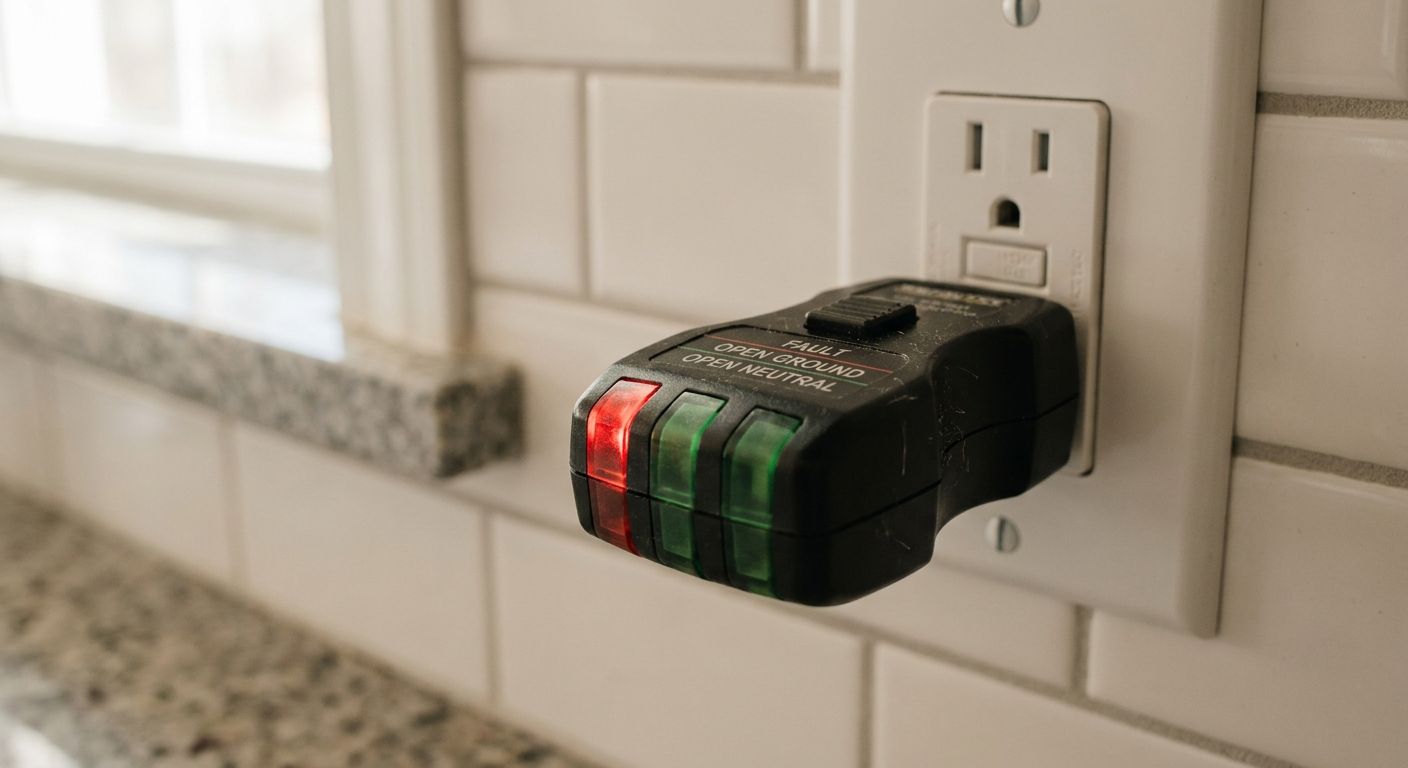
- Missing or failing GFCI/GFCI protection. Ground fault protection is required in wet or outdoor locations: kitchens, bathrooms, garages, exterior outlets. When it is missing or will not reset, that is a shock hazard, not a cosmetic note. This shows up in a large share of homes, often more than four in ten.
- Grounding, bonding, and polarity defects. Reversed polarity, missing grounds, and improper bonding are extremely common and almost always flagged as safety issues. They are also easy for a licensed electrician to correct, which makes them strong repair-request candidates.
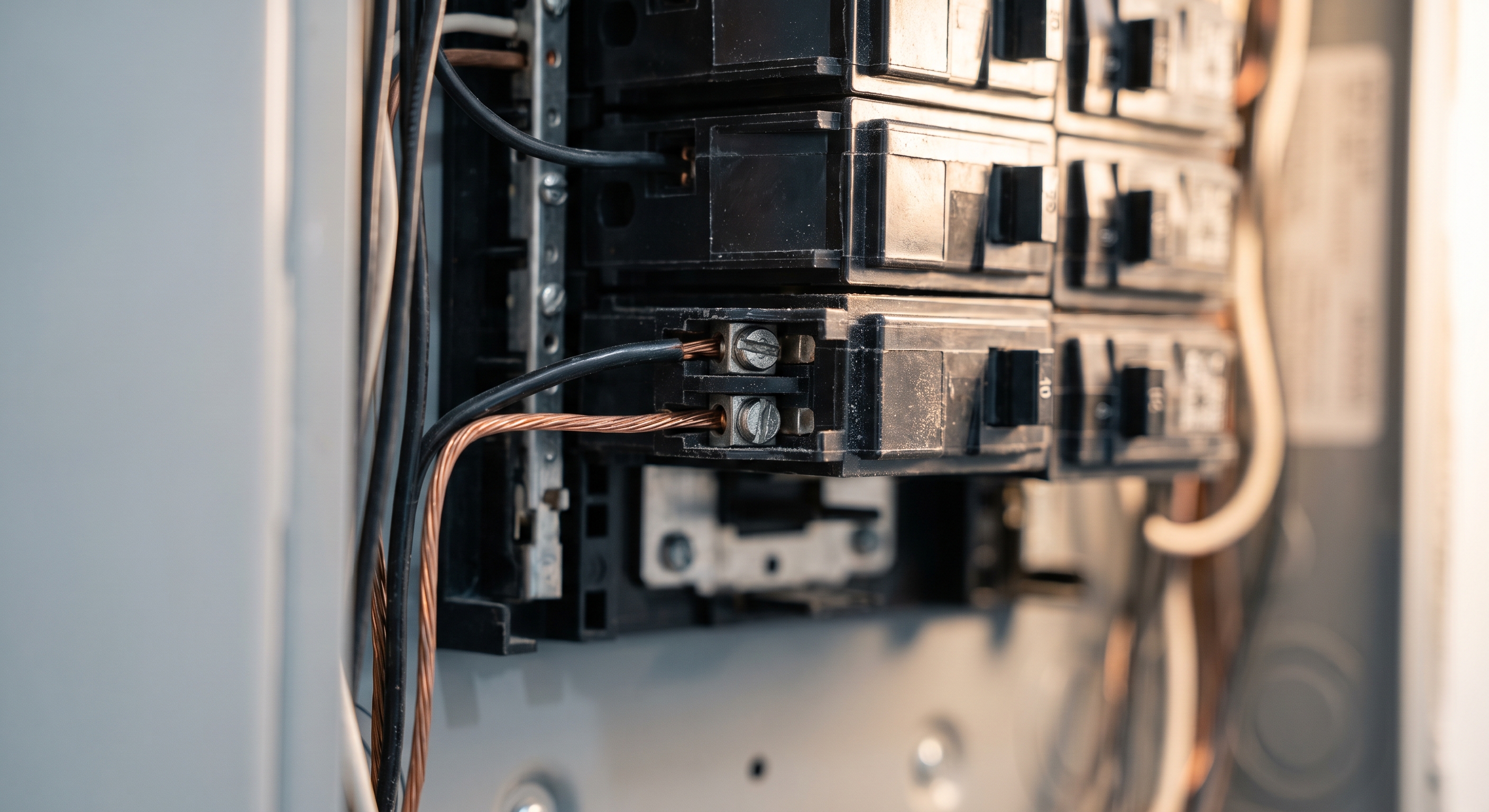
- Panel and wiring problems. Double-tapped breakers, open junction boxes, unmarked white wires used as hot, exposed or unprotected wiring, and missing panel covers. These are the findings that make an inspector reach for the safety label immediately.
You will also see smoke and carbon monoxide alarm deficiencies grouped into the electrical section. These are low-cost fixes with high safety value, which makes them useful, low-friction items to include in a request.
How to talk about it with your buyer
Buyers panic at the word "electrical" and then tune out the specifics. Your job is to reframe it. Not every electrical finding is a crisis, and not every electrical finding is trivial. The useful message to a client is that electrical items get sorted into two piles: genuine safety corrections that a licensed electrician should address, and minor items that are cheap and expected.
Lead with the safety-tier items. A missing GFCI at a kitchen counter or a double-tapped breaker in the panel is exactly the kind of thing you request in writing and want documented as corrected by a licensed professional. Explain that these are common, correctable, and not usually deal-killers, but they are non-negotiable from a safety standpoint.
Then set expectations on the rest. Older homes generate long electrical lists, and much of it is age-appropriate. A client who understands that difference walks into the negotiation calm instead of spooked.
What listing agents push back on
Listing-side agents know the electrical section is where buyers overreach, so they are ready for it. The most common pushback is that a finding is "code at the time of construction," which is often true and not actually a rebuttal to a safety concern. A home built before GFCI requirements is not required to be retrofitted, but the hazard still exists, and you can request the correction on safety grounds while acknowledging it was not a code violation when built.
Expect pushback on quantity, too. If your repair request lists every loose outlet and cover plate, the listing side will use the length to dismiss the whole list. Tighten it. Request the safety-tier electrical items with a licensed-electrician condition, bundle the cheap safety adds like alarms, and leave the truly minor cosmetic items off. A short, safety-anchored list is much harder to refuse than a long one padded with maintenance.
Common misconceptions to clear up
A few beliefs cause agents to mishandle electrical findings:
- "More findings means a worse house." Volume tracks the inspector's thoroughness, not the home's condition. A 120-finding report from a meticulous inspector can describe a safer house than a 30-finding report from a light one.
- "Safety issue means deal-breaker." Most electrical safety items are inexpensive and fast for a licensed electrician. They are strong repair-request items precisely because they are correctable.
- "Grandfathered means ignore it." Being legal at the time of construction does not remove the hazard. You can still ask, on safety grounds, and let your buyer decide.
Before and after the inspection
Before the inspection, tell your buyer the electrical section is the one you will read most closely, and why. That primes them to trust your triage instead of reacting to raw count. After the report lands, sort the electrical findings by severity first, isolate the safety-tier items, and build your request around those.
That sorting step is where the workload usually hits. Reading a long report, separating real safety items from maintenance noise, and turning them into clear, professionally worded repair requests takes time on every deal. InspectionResponse is built for exactly that step: an agent uploads the inspection PDF, the platform reads the report, identifies the legitimate repair items with appropriate prioritization, and generates client-ready repair request language the agent reviews and sends to the listing side. It keeps the agent in control of strategy while removing the manual sorting and drafting.
Handled well, the electrical section stops being the scary part of the report and becomes the part where you demonstrate real expertise: calm, specific, safety-anchored, and hard for the other side to wave off.
Additional Resources
Briefing Document & Key Takeaways
Title: Electrical Safety Issues in Home Inspections: An Agent Briefing
Audience: Licensed buyer-side and listing-side real estate agents, transaction coordinators, and brokers advising clients after a home inspection.
Purpose: Explain why electrical findings concentrate the most safety risk in a typical inspection report, and give agents a repeatable way to triage, prioritize, and negotiate them.
Key takeaways:
- Electrical is rarely the highest-volume system, but it carries the highest share of safety-flagged findings and accounts for a large portion of every safety issue in a report set.
- Severity, not finding count, is what should drive a repair request. Volume tracks the inspector's thoroughness, not the home's condition.
- The most common safety-tier electrical items are missing or failing GFCI protection, grounding and polarity defects, and panel or wiring problems.
- Most electrical safety items are inexpensive and correctable by a licensed electrician, which makes them strong, defensible repair-request candidates.
- A short, safety-anchored request is harder for the listing side to dismiss than a long list padded with minor maintenance items.
Recommended use: Review before drafting a repair request on a deal with a heavy electrical section, and share the client-facing framing with a buyer before or immediately after the inspection to set expectations.
Study Guide
Section 1: Severity vs. Volume
- Why is the number of findings in a system a poor guide to how serious that system's problems are?
- What does a high finding count more accurately reflect about an inspection?
- How does electrical compare to roofing in terms of finding volume versus safety share?
Section 2: Common Electrical Safety Findings
- What is GFCI protection, and why is missing GFCI treated as a safety issue rather than a cosmetic one?
- Name two grounding or polarity defects commonly flagged as safety issues.
- Why do panel problems like double-tapped breakers and open junction boxes get flagged at a high severity tier?
Section 3: Client and Negotiation Strategy
- How should an agent frame electrical findings for a buyer who reacts to the word "electrical"?
- What is the most common listing-side pushback on electrical repair requests, and why is it not a full rebuttal to a safety concern?
- Why does a shorter, safety-anchored repair request often outperform a longer, comprehensive one?
Application Exercise
You receive an inspection report with 46 electrical findings on a 1978 home. Twelve are flagged as safety issues, including missing GFCI at the kitchen and bathrooms, reversed polarity at three outlets, a double-tapped breaker, and missing smoke alarms. The rest are loose outlets, cover plate notes, and age-appropriate wear. Draft the electrical portion of a repair request that will hold up against listing-side pushback, and explain in two sentences how you would set your buyer's expectations before sending it.
Answer Key
Section 1: Severity vs. Volume
- Because finding count reflects how thorough the inspector was, not how dangerous the home is. A meticulous inspector produces more findings on a safer house.
- It reflects the inspector's thoroughness and reporting style more than the property's actual condition.
- Roofing has high finding volume but a very low share flagged as safety issues, while electrical has lower volume but a majority of findings flagged as safety issues.
Section 2: Common Electrical Safety Findings
- Ground fault circuit interrupter protection cuts power when it detects a fault, and is required in wet or outdoor locations. Missing or failing GFCI is a shock hazard, which is why it is a safety issue.
- Reversed polarity and missing or improper grounding or bonding are two common examples.
- Because their failure modes are hidden and can cause fire or shock quickly, so inspectors default them to a high severity tier.
Section 3: Client and Negotiation Strategy
- Reframe electrical into two piles: genuine safety corrections for a licensed electrician, and minor age-appropriate items that are cheap and expected. Lead with the safety tier.
- That the finding was "code at the time of construction." It is often true, but a grandfathered item can still be a real hazard, so a safety-grounded request is still valid.
- Because a long list padded with cosmetic items lets the listing side dismiss the whole thing, while a short, safety-anchored list is specific and hard to refuse.
Application Exercise (sample answer): Request that a licensed electrician correct the missing GFCI protection at all kitchen and bathroom locations, the reversed polarity at the three identified outlets, the double-tapped breaker, and install smoke alarms to current placement standards, with documentation of completion. Leave the loose outlets and cover plate items off the formal request. For the client, explain that older homes always generate long electrical lists, that you have isolated the true safety items, and that these are common, correctable, and not usually deal-breakers.
Glossary of Key Terms
- Aluminum wiring: Older branch wiring material prone to connection failure and overheating, often flagged for evaluation.
- Arc fault: An unintended electrical discharge between conductors that can ignite surrounding material.
- Bonding: The connection of metal components to ensure they share a common electrical path and can safely carry fault current.
- Cover plate: The plate covering an outlet, switch, or junction box to prevent contact with live parts.
- Double-tapped breaker: A breaker with two wires connected where it is designed for one, a common overheating hazard.
- Grandfathered: A condition that was compliant with code at the time of construction and is not legally required to be updated.
- Grounding: The connection of a circuit to earth that provides a safe path for fault current.
- GFCI (ground fault circuit interrupter): A device that shuts off power when it detects a ground fault, required in wet and outdoor areas.
- Junction box: An enclosure where wires are joined, which must be covered and accessible for safety.
- Knockout: A removable panel opening in electrical equipment that must be filled or covered when unused.
- Listing side: The seller's agent and the seller in a transaction.
- Panel: The service or distribution panel that houses breakers and distributes power through the home.
- Polarity: The correct orientation of hot and neutral conductors at an outlet; reversed polarity is a shock hazard.
- Repair request: The formal document a buyer's agent sends asking the seller to correct specified inspection items.
- Safety issue: A finding flagged by the inspector as an immediate hazard to occupants rather than a maintenance item.
- Severity tier: The category an inspector assigns to a finding, such as safety issue, major concern, or minor concern.
- Triage: The process of sorting findings by severity to decide which warrant a repair request.
Frequently Asked Questions
What makes electrical the most safety-heavy system in a home inspection?
Electrical failures are hidden and can cause shock or fire quickly, so inspectors flag them at a higher severity tier by default. Even though electrical is not usually the highest-volume system, a majority of its findings are safety issues. That gives it the highest concentration of danger per finding in most reports.
How do electrical safety issues show up in an inspection report?
They appear as findings labeled a safety issue or hazard, usually in the electrical or panel section. Common examples are missing GFCI protection, reversed polarity, double-tapped breakers, and open junction boxes. The severity label, not the section length, tells you which ones matter most.
Should I always request repair for every electrical finding?
No. Lead with the safety-tier items and leave truly minor cosmetic items off the formal request. A short, safety-anchored list is more persuasive and harder for the listing side to dismiss than a long comprehensive one.
What is GFCI protection and why does missing GFCI matter?
A ground fault circuit interrupter cuts power the instant it detects a fault, and it is required in kitchens, bathrooms, garages, and outdoor outlets. When it is missing or will not reset, it is a shock hazard. That is why inspectors treat it as a safety issue rather than a maintenance note.
Why do older homes generate such long electrical lists?
Standards have tightened over decades, so an older home accumulates many age-appropriate deficiencies. Much of that list is expected and not urgent. The task is to separate the genuine safety items from the routine wear.
What do listing agents push back on with electrical requests?
The most common pushback is that a finding was code-compliant at the time of construction. That is often true but does not remove the hazard, so a safety-grounded request is still valid. Expect pushback on quantity as well, which is why a tight request works better.
Does "safety issue" mean the deal is in trouble?
Usually not. Most electrical safety items are inexpensive and quickly corrected by a licensed electrician. They are strong repair-request items precisely because they are correctable rather than catastrophic.
How should I explain electrical findings to a nervous buyer?
Sort them into two piles out loud: real safety corrections for a licensed electrician, and minor age-appropriate items that are cheap and expected. Lead with the safety tier so the client knows you are watching what matters. That framing keeps them calm heading into negotiation.
Are smoke and carbon monoxide alarm issues worth including?
Yes. Alarm deficiencies are low cost and high safety value, which makes them easy, low-friction additions to a repair request. They also signal to the listing side that your list is safety-driven rather than nitpicky.
How can I make electrical repair requests hold up in negotiation?
Anchor the request to safety, specify that a licensed electrician should perform and document the corrections, and keep the list tight. Bundling the safety-tier items and dropping the cosmetic ones makes the request specific, defensible, and much harder to refuse.