Common HVAC Findings in Home Inspection Reports and How They Vary by Region
Podcast Overview
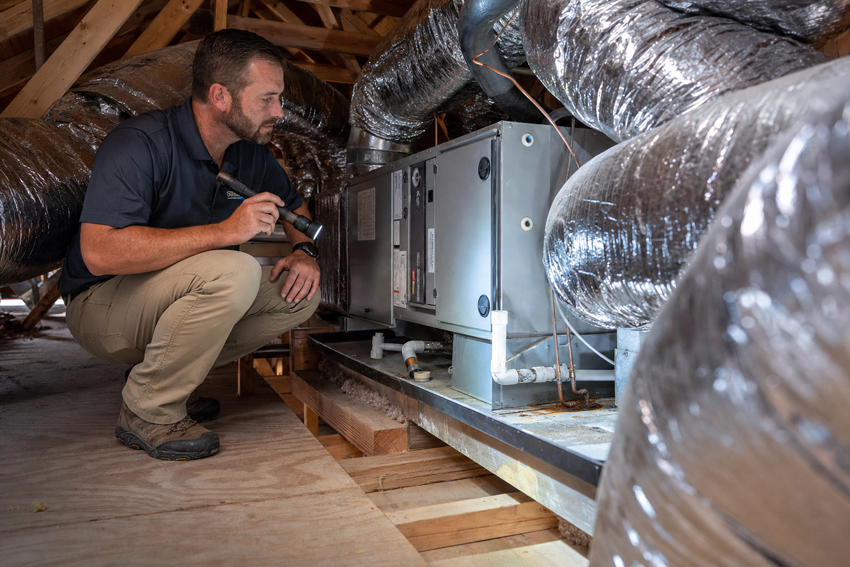
HVAC findings can move quickly from technical inspection notes to negotiation pressure. A furnace with an old service tag, a heat pump that will not respond at the thermostat, or condensation around an air handler can all raise the same client question: is this a routine maintenance item, a meaningful defect, or a reason to ask for repair before closing?
For agents, the answer depends on more than the equipment itself. Climate, system type, installation practices, age, maintenance history, and local expectations all shape how HVAC issues appear in a home inspection report.
Why HVAC Findings Matter in the Transaction
Heating, ventilation, and air-conditioning systems are expensive household components, but the inspection report rarely gives a clean yes-or-no answer about remaining life. Inspectors are usually reporting visible condition, operational response, safety concerns, access limitations, and signs that the system needs evaluation by a licensed HVAC contractor.
That distinction matters. Most inspectors do not dismantle furnaces, measure refrigerant charge, scope duct interiors, or perform a full heat-load calculation. When an HVAC finding reaches the repair request stage, the agent needs language that is specific enough to be fair and broad enough to let the qualified contractor diagnose the real cause.
Common HVAC findings often affect negotiations because they create uncertainty. A buyer may worry about a near-term replacement. A seller may argue that the unit is still operating. A listing agent may push back if the request sounds like an upgrade instead of a repair. The strongest repair language stays grounded in the report: what was observed, why it matters, and what qualified evaluation or correction is being requested.
Common HVAC Findings Inspectors Report
Dirty Filters and Deferred Maintenance
Dirty or missing air filters are among the simplest findings, but they are still worth noting. Restricted airflow can reduce efficiency, strain blower motors, contribute to frozen evaporator coils, and make the system harder to evaluate accurately during inspection.
For agents, this is usually a maintenance item unless it appears with stronger symptoms, such as weak airflow, overheating, condensation, or equipment that short cycles. A good repair request may ask the seller to replace filters and have the system serviced if the inspector observed broader performance concerns.
Equipment Near or Past Its Expected Service Life
Inspectors often note older furnaces, condensers, boilers, or heat pumps, especially when the equipment data plate shows advanced age or when service records are missing. Age alone does not prove failure, but it can be relevant when paired with corrosion, noise, poor response, or signs of repeated repairs.
This is where agents should be careful. Asking for replacement solely because a unit is old can invite pushback. Asking for licensed HVAC evaluation of an older system with documented defects is usually cleaner and easier to justify.
Poor Temperature Differential or Limited Cooling Response
During cooling season, inspectors may measure the temperature difference between return air and supply air or simply report that the system did not cool properly. The cause can range from a dirty filter to low refrigerant, a failing compressor, restricted airflow, duct leakage, or improper sizing.
Because the cause is not always visible, repair language should avoid diagnosing beyond the report. Instead of stating that refrigerant must be added, ask for evaluation and correction of the cooling performance issue by a licensed HVAC contractor.
Rust, Corrosion, and Condensate Problems
Condensate management is a frequent source of findings. Inspectors may report clogged drains, missing secondary drain pans, staining below an air handler, rust around a furnace cabinet, or condensate discharge in an improper location. These findings matter because uncontrolled moisture can damage finishes, support microbial growth, or signal equipment problems.
Condensate issues are especially important in humid regions, attic installations, and homes where air handlers sit above finished living spaces. A small drip in the wrong location can become a costly ceiling repair.
Unsafe Venting or Combustion Concerns
Gas furnaces, boilers, and water heaters depend on proper combustion air and venting. Inspectors may flag damaged flue pipes, inadequate slope, corrosion, backdrafting concerns, disconnected vents, or improper clearances. These are not cosmetic items. They can create carbon monoxide risk or indicate that combustion byproducts are not being carried safely outdoors.
When an inspection report mentions combustion safety, agents should treat the item with more urgency. The repair request should call for evaluation and correction by a licensed HVAC contractor or other qualified professional, consistent with local practice.
Duct Defects and Air Distribution Problems
Ductwork findings can include disconnected runs, crushed flexible ducts, damaged insulation, leakage, unsupported ducts, open return cavities, or poor airflow at registers. These issues may affect comfort, energy use, and indoor air quality. In crawl spaces, attics, and garages, duct defects can also pull in dust, moisture, or unwanted air from unconditioned areas.
Duct findings are sometimes overlooked because the main equipment appears to operate. For a buyer, however, poor air distribution can mean certain rooms remain uncomfortable even after the system runs.
Missing Service Records or Inaccessible Equipment
Inspectors often note that equipment could not be fully evaluated because of access limitations, locked panels, unsafe conditions, seasonal temperature restrictions, or missing service documentation. These are not defects in the same way as a disconnected flue, but they do create uncertainty.
If the report says the air-conditioning system was not operated because exterior temperature was too low, an agent may recommend a seasonal certification, seller disclosure of known issues, or a qualified evaluation before closing if the contract and local market support it.
How HVAC Findings Differ by Region
Northeast and Upper Midwest
In colder climates, heating performance tends to carry more transaction weight. Inspectors commonly focus on furnaces, boilers, hydronic distribution, flues, combustion air, aging oil equipment, and evidence of freeze-related stress. Older homes may have mixed systems, such as a boiler for heat and separate ductless units for cooling.
Regional concern often centers on whether the home can be heated safely and reliably through long cold periods. Venting defects, rusted flues, inoperative burners, damaged radiators, and inadequate insulation around ducts or pipes can be more consequential here than in milder climates.
Southeast and Gulf Coast
In hot and humid regions, air-conditioning and moisture control are central. Inspectors often report clogged condensate drains, stained drain pans, microbial-like growth near air handlers, sweating ducts, poor attic installation conditions, and systems that struggle to cool or dehumidify.
Because cooling systems may run for much of the year, deferred maintenance can show up as dirty coils, weak airflow, or short cycling. Agents should pay close attention to condensate overflow protection, especially when equipment is located in an attic or above finished spaces.
Southwest and Desert Markets
In desert climates, cooling load and sun exposure can stress condensers, heat pumps, and duct systems. Inspectors may report damaged exterior condenser fins, poor clearance around outdoor units, deteriorated insulation on refrigerant lines, dirty coils, or evidence that the system is undersized for the home.
Evaporative coolers may also appear in some markets. These systems introduce different inspection findings, including mineral buildup, damaged pads, pump issues, roof penetrations, and seasonal maintenance needs. Agents should avoid treating all cooling systems as standard central air units.
Pacific Northwest and Coastal Areas
Milder climates often include heat pumps, ductless mini-splits, electric furnaces, and older gas systems. Inspectors may report vegetation crowding outdoor units, corrosion from coastal air, missing service records, improper condensate discharge, or limited heating response from ductless heads.
Moisture is a major regional factor. Even when heating and cooling demands are moderate, poor drainage, crawl space humidity, and duct leakage can affect comfort and indoor air quality. In coastal homes, exterior equipment corrosion may deserve closer review.
Mountain West and High-Elevation Areas
High-elevation markets can bring a mix of heating demand, combustion considerations, snow exposure, and seasonal access issues. Inspectors may flag blocked exterior vents, damaged flue terminations, equipment located in cold garages, or systems that were not fully tested because of weather conditions.
Heat pumps may perform differently in colder mountain conditions, depending on system design and backup heat. Agents should look for clear report language about whether auxiliary heat operated and whether the inspector recommended contractor evaluation.
How Agents Should Frame HVAC Repair Requests
The best repair requests do not overstate what the inspector found. They convert technical findings into reasonable next steps. Strong wording usually includes three parts: the observed condition, the concern it creates, and the requested action by a qualified professional.
For example, if the report notes that the air handler drain pan is rusted and staining is visible below the unit, the request should not jump straight to replacing the entire system. A better request would ask the seller to have a licensed HVAC contractor evaluate the condensate system and perform necessary repairs to prevent leakage, with paid receipts provided before closing.
For safety-related findings, be more direct. Disconnected flues, suspected backdrafting, missing combustion air, damaged gas lines, or exposed electrical connections at HVAC equipment are stronger repair request candidates than routine filter replacement or missing service stickers.
Common Pushback From the Listing Side
Listing agents often push back on HVAC requests when the unit is operating, the buyer appears to be asking for a new system because of age, or the request uses broad language such as "repair or replace as needed" without tying the demand to a documented defect.
Buyer-side agents can reduce friction by anchoring the request to the inspection report. If the buyer wants a credit because the system is older, separate that negotiation point from a repair request for a documented defect.
Listing-side agents should also read HVAC findings carefully before dismissing them as maintenance. Venting, combustion, condensate leakage, or inoperative equipment can create real risk, and contractor evaluation can clarify the scope before closing.
Before and After the Inspection
Before the inspection, agents can help clients understand that HVAC findings are common and vary by region. After the inspection, sort findings into categories: safety, performance, moisture, maintenance, age or documentation, and access limitations.
Near the end of the workflow, an agent can upload the inspection PDF to InspectionResponse, let it extract the relevant HVAC findings and turn them into prioritized, professionally worded repair requests, then review the language and send the final request to the listing side.
Bottom Line for Agents
HVAC findings are rarely one-size-fits-all. A rusted flue in a cold climate, a clogged condensate line in a humid attic, and a sun-baked condenser in a desert market all require different context. The agent's job is to keep the request grounded in the report, aligned with regional realities, and focused on qualified evaluation or correction where the finding supports it.
Additional Resources
Briefing Document & Key Takeaways
Title: Common HVAC Findings in Home Inspection Reports by Region
Audience: Buyer agents, listing agents, transaction coordinators, brokers, and clients reviewing inspection findings before negotiations.
Purpose: Help agents understand common HVAC inspection findings, explain why regional climate changes the meaning of those findings, and draft repair requests that stay grounded in the report.
Key takeaways:
- HVAC findings should be evaluated in context, including system type, visible condition, age, access, climate, and safety implications.
- Heating concerns tend to carry more weight in cold regions, while cooling, condensate, and humidity issues are especially important in hot and humid markets.
- Older equipment is not automatically defective, but age plus documented performance or safety concerns can support a qualified evaluation request.
- Safety-related findings, such as improper venting or combustion concerns, deserve stronger repair language than routine maintenance items.
- Repair requests are more effective when they cite the observed condition and ask for licensed contractor evaluation or correction.
Recommended use: Review this before drafting HVAC-related repair requests, training newer agents on inspection report language, or preparing clients for regional HVAC issues that may appear after inspection.
Study Guide
Thematic Sections
HVAC Basics in Inspection Reports
- What does an inspector usually evaluate when reporting on HVAC equipment?
- Why should an agent avoid treating every HVAC finding as proof that the system needs replacement?
- How can missing service records affect the way a buyer evaluates HVAC risk?
Common Findings and Transaction Impact
- Why can a dirty air filter become more than a simple maintenance note?
- What makes condensate problems important in a repair negotiation?
- Why are combustion and venting concerns generally higher priority than routine service items?
- How can duct defects affect a buyer even when the main equipment operates?
Regional Differences
- Why do heating findings often carry more weight in colder regions?
- Which HVAC findings are especially common in hot and humid markets?
- How can desert climates affect exterior cooling equipment?
- Why might coastal homes show different HVAC concerns than inland homes?
Repair Request Strategy
- What three elements should a strong HVAC repair request include?
- Why is it risky to diagnose the cause of poor cooling performance beyond what the report states?
- How can buyer agents reduce listing-side pushback on HVAC requests?
- When might a seasonal certification or follow-up evaluation be appropriate?
Application Exercise
Review a real or sample inspection report with at least three HVAC findings. Categorize each finding as safety, performance, moisture, maintenance, age or documentation, or access limitation. Then draft one repair request that cites the observed condition and asks for an appropriate qualified evaluation or correction.
Answer Key
HVAC Basics in Inspection Reports
- Inspectors usually test normal controls when conditions allow, observe visible HVAC components, report safety concerns, note access limitations, and recommend further evaluation when needed.
- Age, service history, and visible condition matter, but an operating older system may not justify replacement without a documented defect or contractor diagnosis.
- Missing service records create uncertainty about maintenance history and can support a request for evaluation or servicing when other concerns are present.
Common Findings and Transaction Impact
- A dirty air filter can restrict airflow, strain equipment, reduce performance, and make other symptoms harder to evaluate.
- Condensate problems can lead to water damage, staining, microbial-like growth, and hidden repair costs, especially when equipment sits above finished spaces.
- Combustion and venting concerns can involve carbon monoxide risk or unsafe exhaust movement, so they have stronger safety implications.
- Duct defects can reduce comfort, waste energy, pull unwanted air from attics or crawl spaces, and leave rooms with weak airflow.
Regional Differences
- In colder regions, reliable heat is essential for habitability, freeze protection, and client safety during long heating seasons.
- Hot and humid markets often show clogged condensate drains, stained pans, weak cooling, sweating ducts, microbial-like growth, and poor dehumidification.
- Desert climates can stress condensers through heat, sun exposure, dust, damaged fins, poor clearances, and deteriorated refrigerant line insulation.
- Coastal homes may show corrosion from salty air, moisture-related duct issues, and condensate concerns even when heating and cooling loads are moderate.
Repair Request Strategy
- A strong request should include the observed condition, the concern it creates, and the requested evaluation or correction by a qualified professional.
- Poor cooling can have several causes, so guessing at refrigerant, compressor failure, or sizing can overstate the report and invite pushback.
- Buyer agents can anchor the request to the inspection report, avoid replacement demands based only on age, and ask for specific correction or contractor evaluation.
- Seasonal certification or follow-up evaluation may be appropriate when weather prevents testing, access is limited, or the report identifies uncertainty that affects the buyer.
Application Exercise
A strong sample answer might categorize a disconnected flue as safety, a clogged condensate drain as moisture, and an older condenser with no service record as age or documentation. The repair request could ask the seller to have a licensed HVAC contractor evaluate and correct the disconnected flue and condensate drainage defects, then provide paid receipts and any contractor findings before closing.
Glossary of Key Terms
- Air handler: The indoor HVAC component that moves conditioned air through ductwork and may contain the blower, coil, and filter.
- Auxiliary heat: Backup heating that supports a heat pump when outdoor conditions reduce heat pump efficiency.
- Backdrafting: A condition where combustion gases move into the home instead of exhausting properly outdoors.
- Blower motor: The motor that drives the fan moving air through the HVAC system.
- Boiler: Heating equipment that uses hot water or steam to distribute heat through radiators, baseboards, or other hydronic components.
- Combustion air: Air needed for fuel-burning equipment to burn safely and vent properly.
- Condenser: The outdoor component of an air-conditioning or heat pump system that releases heat.
- Condensate drain: The drain line that carries moisture collected by cooling equipment away from the system.
- Data plate: The manufacturer label that lists equipment information such as model, serial number, capacity, and sometimes manufacturing date.
- Duct leakage: Conditioned air escaping from ductwork because of gaps, disconnections, damage, or poor sealing.
- Ductless mini-split: A heating and cooling system with one or more indoor heads connected to an outdoor unit without traditional ducts.
- Evaporative cooler: A cooling system that uses water evaporation to cool air, most common in dry climates.
- Flue: A pipe or passage that carries combustion gases from fuel-burning equipment to the exterior.
- Heat pump: Equipment that can move heat into or out of a home for heating and cooling.
- Hydronic distribution: A heating method that moves hot water through radiators, baseboards, or tubing.
- Refrigerant line insulation: Insulation around refrigerant piping that helps maintain system efficiency and control condensation.
- Return air: Air pulled from the home back to HVAC equipment for conditioning.
- Secondary drain pan: A backup pan placed below equipment to catch condensate leakage when the primary drain fails.
- Short cycling: A condition where equipment turns on and off too frequently, often indicating performance or control issues.
- Temperature differential: The measured difference between return air and supply air used as one clue in evaluating cooling performance.
Frequently Asked Questions
1. What are common HVAC findings in a home inspection report?
Common HVAC findings include dirty filters, older equipment, poor heating or cooling response, condensate drainage problems, rust, damaged ductwork, improper venting, and missing service records. The significance depends on what the inspector observed and whether the finding affects safety, performance, moisture control, or uncertainty before closing.
2. Does an old HVAC system automatically need to be replaced?
No. Age is relevant, but age alone does not prove failure. A stronger repair request usually ties age to documented defects, poor operation, corrosion, missing service history, or a contractor recommendation.
3. Why do HVAC findings vary by region?
Regional climate changes how hard systems work and which defects create the most risk. Cold markets place more pressure on heating reliability, while humid markets make cooling performance and condensate control more important.
4. What HVAC findings are most important in cold climates?
Heating operation, combustion safety, flue condition, boiler performance, freeze protection, and blocked exterior vents tend to matter most. These findings can affect habitability and safety during long heating seasons.
5. What HVAC findings are common in hot and humid regions?
Inspectors often report clogged condensate drains, rusted drain pans, weak cooling, sweating ducts, dirty coils, and microbial-like growth near air handlers. These issues can affect comfort and moisture control.
6. Should agents request repairs for dirty HVAC filters?
A dirty filter alone is often a maintenance item. If the report also notes weak airflow, overheating, frozen coils, or poor system performance, it may support a broader request for HVAC service or evaluation.
7. How should an agent word a request for poor cooling performance?
The request should cite the report's observation and ask a licensed HVAC contractor to evaluate and correct the cooling performance issue. It should avoid guessing at the cause unless the inspection report or contractor has already identified it.
8. Why are venting and combustion findings treated seriously?
Fuel-burning HVAC equipment needs safe combustion air and proper exhaust venting. Defects can create carbon monoxide risk or allow combustion gases to enter the living space, so qualified correction is usually appropriate.
9. What listing-side pushback is common on HVAC requests?
Listing agents may push back when the system operates, when the request asks for replacement based only on age, or when the request is broader than the documented defect. Buyer agents can reduce friction by using report-based, specific language.
10. When should a buyer ask for further HVAC evaluation instead of a specific repair?
Further evaluation is appropriate when the inspector identifies a symptom but cannot determine the cause, when the system could not be fully tested, or when access was limited. Contractor evaluation helps define the actual scope before closing.