What 719 Home Inspection Reports Reveal About the Findings Agents See Most
Podcast Overview
Most inspection negotiations are shaped by familiar defects, not rare disasters. An analysis of 719 professional home inspection reports shows that the findings agents see most often are exterior deterioration, window and door defects, HVAC concerns, drainage problems, walking-surface cracks, and electrical safety issues.
That matters because frequency changes how agents should coach clients. If a defect appears in half of inspected homes, it is not automatically a deal breaker. It still may deserve a repair request, a credit conversation, a contractor quote, or a buyer education moment. The skill is knowing which findings are common, which ones carry safety weight, and which ones are most likely to create pushback from the listing side.
The Most Common Findings Were Practical, Visible, and Negotiable
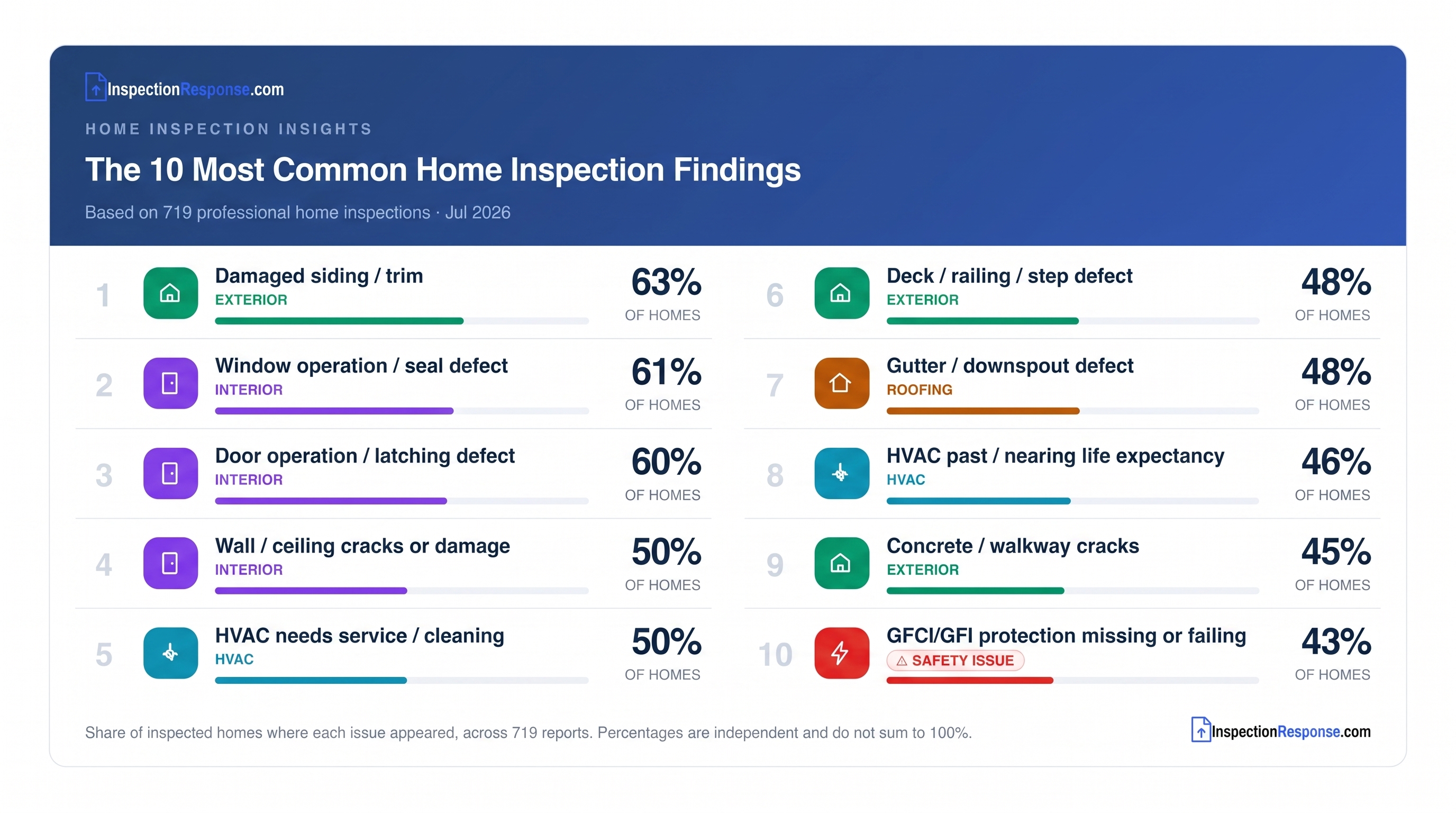
The ten most common findings in the 719-report dataset were:
- Damaged siding or trim, found in 63% of inspected homes
- Window operation or seal defects, found in 61%
- Door operation or latching defects, found in 60%
- Wall or ceiling cracks or damage, found in 50%
- HVAC needs service or cleaning, found in 50%
- Deck, railing, or step defects, found in 48%
- Gutter or downspout defects, found in 48%
- HVAC past or nearing life expectancy, found in 46%
- Concrete or walkway cracks, found in 45%
- GFCI or GFI protection missing or failing, found in 43%
The percentages are independent, which means one home can have several of these findings at the same time. For agents, that is the real lesson. A typical report is not a single-problem document. It is a stack of overlapping maintenance, safety, performance, and age-related notes. The buyer may experience it as "everything is wrong," while the seller may experience it as "this is normal for the age of the home."
The agent's job is to turn that pile into a strategy.
Exterior Defects Lead the List, but They Are Not All Equal
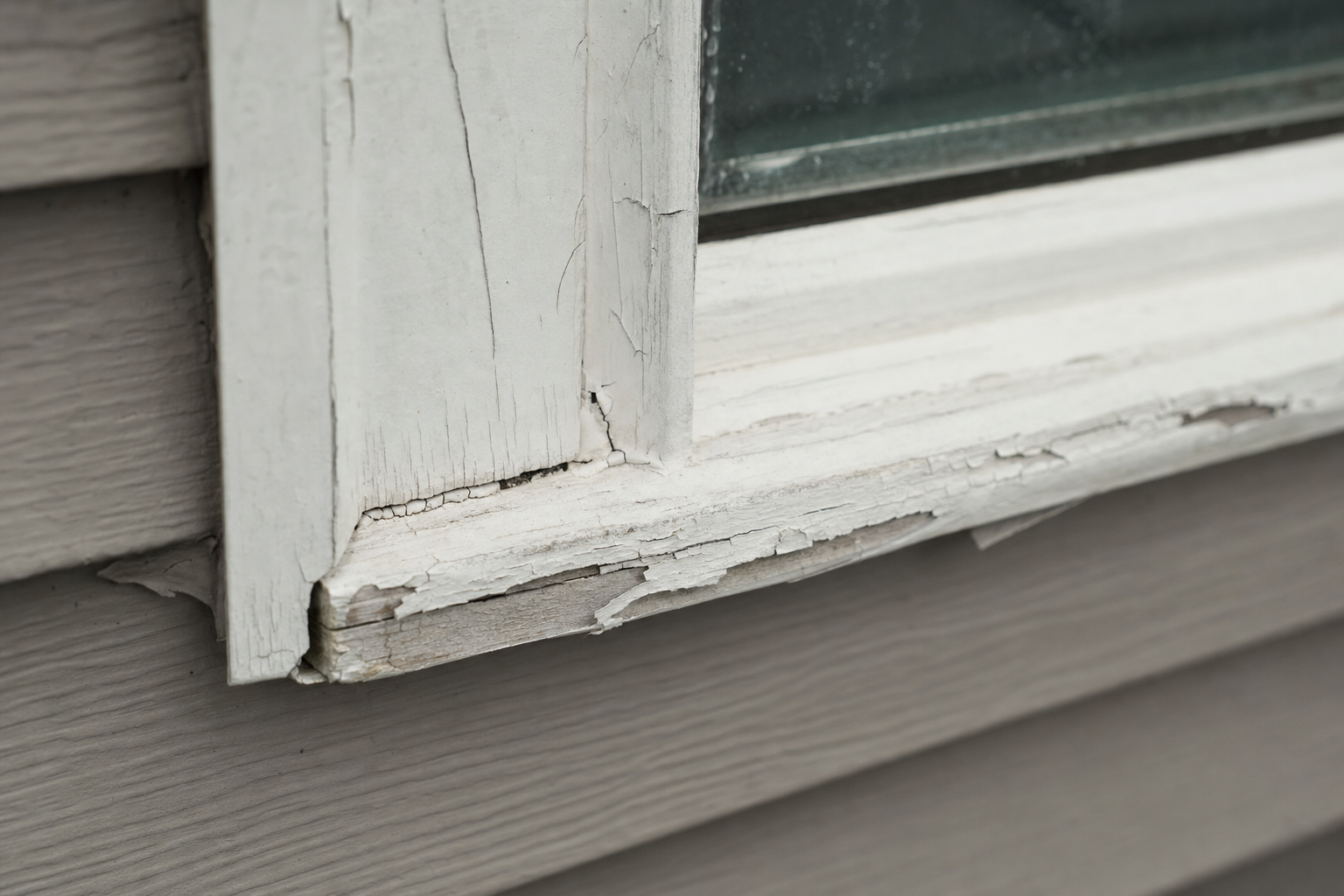
Damaged siding or trim appeared in 63% of inspected homes, making it the most common overall finding. That broad category can include rot, cracked trim, gaps, missing caulk, water staining, loose boards, or material damage around windows and doors.
For a buyer, exterior damage is easy to understand because it is visible. For negotiation, the question is whether the finding is cosmetic, maintenance-related, or evidence of moisture risk. A loose trim board may be a simple repair. Soft or rotted material near a wall opening can justify a stronger request because it may allow water entry and hidden damage.
Gutters and downspouts appeared in 48% of homes. These findings often look minor, but they connect directly to foundation, crawlspace, basement, siding, and roof-edge performance. Missing extensions, clogged runs, negative discharge, and loose sections can move water exactly where the home does not want it. Agents should avoid treating drainage findings as throwaway items simply because they are common.
Concrete and walkway cracks, found in 45% of homes, sit in a similar middle ground. Hairline shrinkage cracks are usually less important than displacement, trip hazards, settlement, or drainage slope toward the structure. When writing a repair request, the strongest language focuses on safety, drainage, or further evaluation, not the mere existence of a crack.
Interior Findings Often Become Client Anxiety Points
Window operation or seal defects appeared in 61% of homes. Door operation or latching defects appeared in 60%. Wall or ceiling cracks or damage appeared in 50%.
These are the kinds of findings that clients notice immediately when they walk through the property again after receiving the report. Fogged window seals suggest failed insulated glass. Sticking doors can point to hardware, humidity, settlement, framing movement, or simple adjustment needs. Wall and ceiling cracks can be cosmetic, but they can also prompt concern about movement, past leaks, or deferred repairs.
Agents should help clients separate "visible and annoying" from "material to the transaction." A fogged window seal may matter for comfort, appearance, and energy performance, but it is usually not the same type of negotiation item as an unsafe electrical condition. A door that does not latch may be a security or safety concern if it is an exterior door. A small drywall crack may be monitored, while recurring cracks with staining or displacement may deserve further evaluation.
This is where plain-language explanation matters. Clients do not need a lecture on building science. They need to know whether the item should be requested, budgeted for, monitored, or treated as context for the home's age and condition.
HVAC Shows Up Twice Because Service and Life Expectancy Are Different Issues
HVAC needs service or cleaning appeared in 50% of homes. HVAC past or nearing life expectancy appeared in 46%.
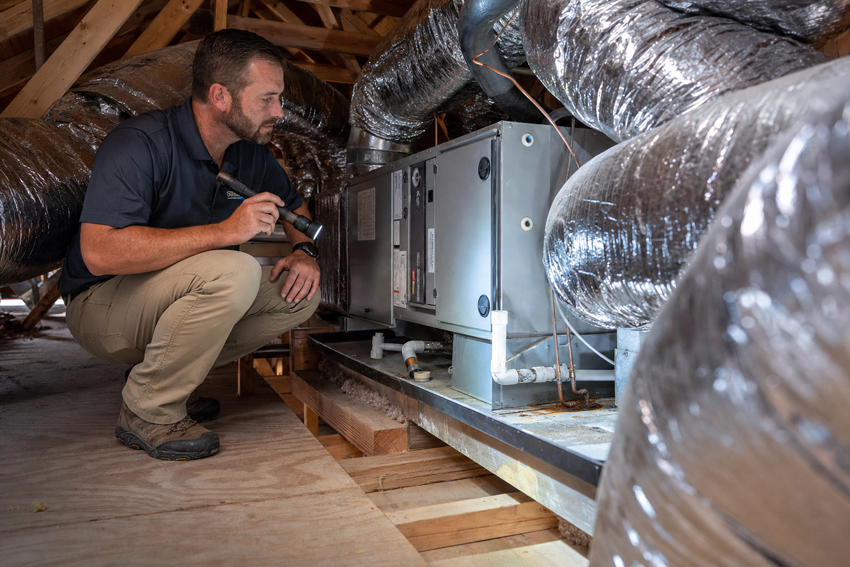
Those two findings should not be blended together. A service or cleaning recommendation usually asks for maintenance: clean the system, evaluate performance, replace filters, clear condensate lines, or have a licensed HVAC contractor service the unit. A life expectancy finding is different. It tells the buyer that the system may be operating now, but age creates future replacement risk.
That distinction is important in negotiation. Sellers may reasonably agree to service an HVAC system before closing. They may push back harder on replacing equipment that is old but currently functioning. Agents can help clients frame the request based on evidence: current defects, lack of service records, abnormal operation, corrosion, damaged components, or inspector language recommending further evaluation.
For buyers, HVAC age is also a budgeting conversation. Even when it does not become a seller repair item, it may affect reserves after closing. That is valuable guidance, especially for first-time buyers who may not know that a system can be both functional and financially important.
Safety Findings Deserve a Separate Conversation
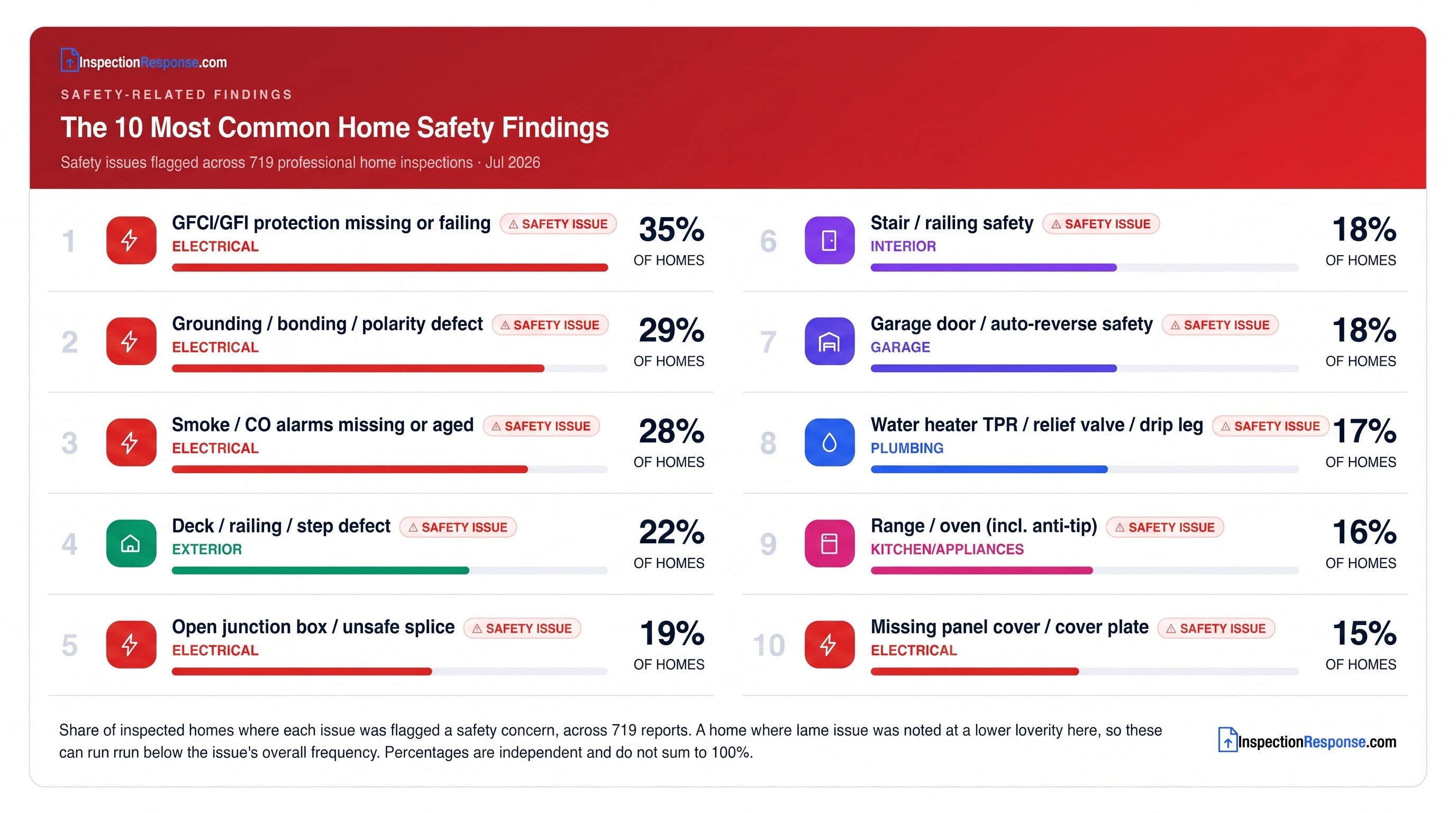
The safety-focused dataset tells a sharper story. The ten most common safety-related findings were:
- GFCI or GFI protection missing or failing, found as a safety issue in 35% of homes
- Grounding, bonding, or polarity defects, found in 29%
- Smoke or carbon monoxide alarms missing or aged, found in 28%
- Deck, railing, or step defects, found in 22%
- Open junction boxes or unsafe splices, found in 19%
- Stair or railing safety concerns, found in 18%
- Garage door auto-reverse safety defects, found in 18%
- Water heater TPR, relief valve, or drip leg issues, found in 17%
- Range or oven safety concerns, including anti-tip bracket issues, found in 16%
- Missing electrical panel covers or cover plates, found in 15%
This list is useful because it separates everyday defects from items that inspectors flagged specifically as safety concerns. Some categories overlap with the overall list, but the severity changes the conversation.
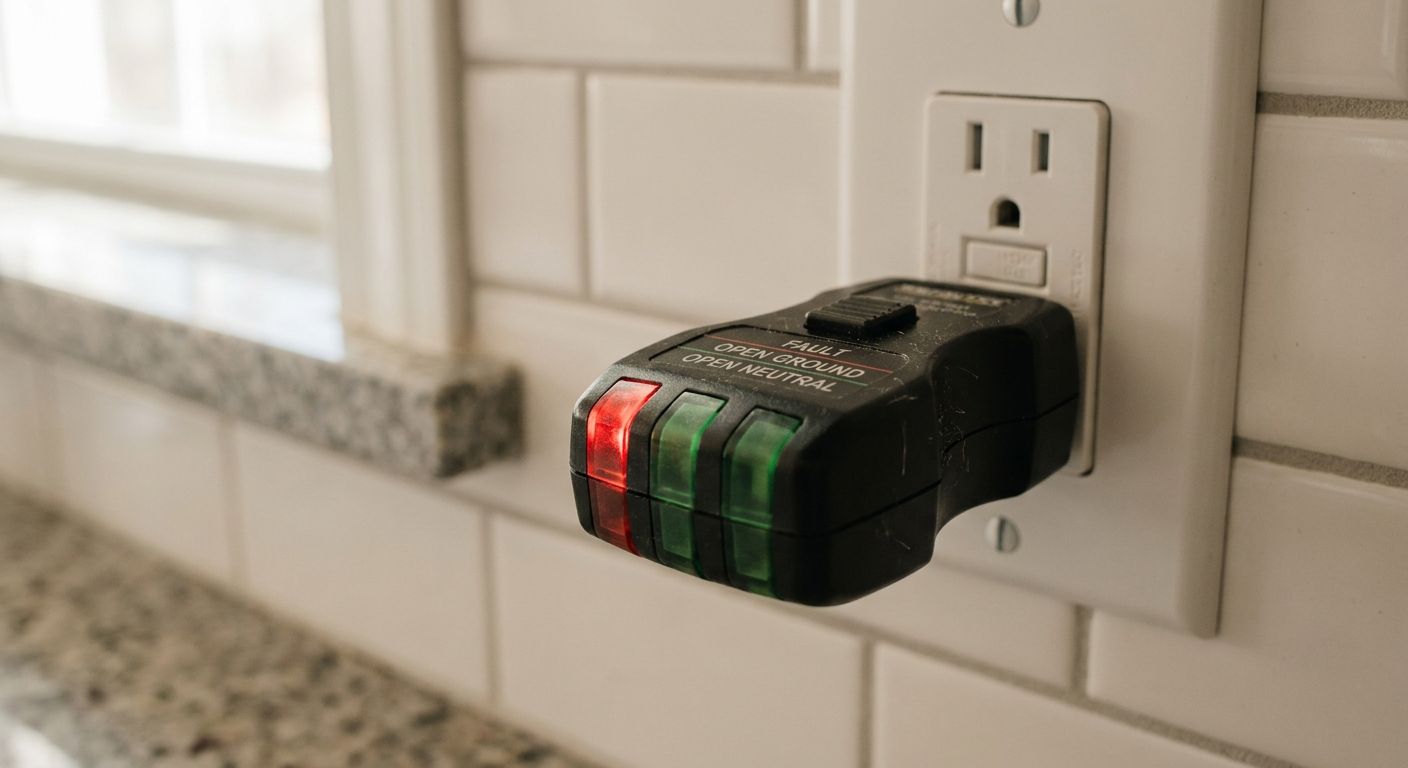
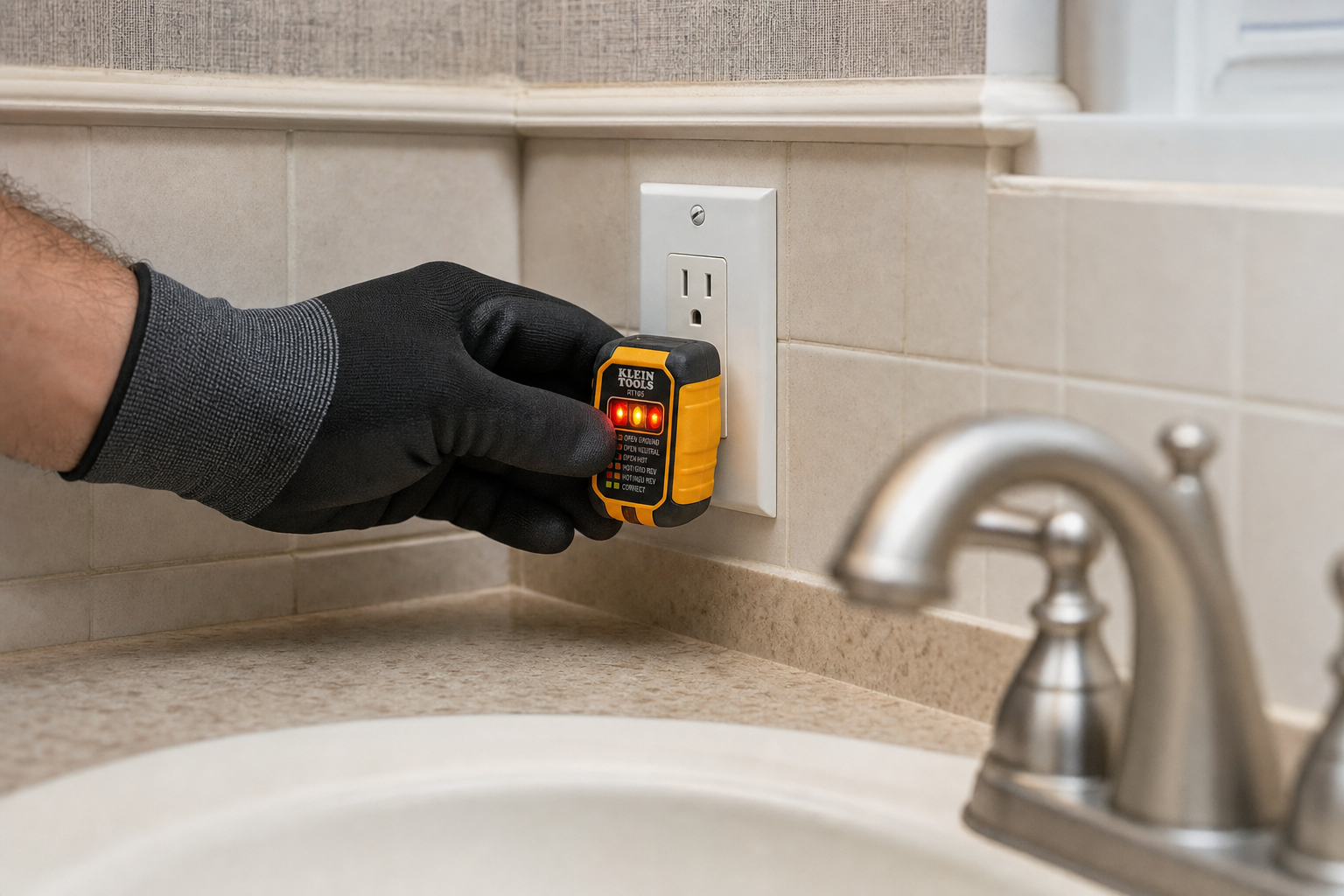
GFCI or GFI protection is the clearest example. It appeared in 43% of homes overall and was flagged as a safety issue in 35%. That makes it both common and meaningful. Missing or failed protection near kitchens, bathrooms, garages, laundry areas, exterior receptacles, and other wet locations is easy for the other side to understand. It is also a cleaner repair request than many subjective items because the purpose is occupant protection.
Electrical issues appear throughout the safety list: grounding, bonding, polarity, open junction boxes, unsafe splices, missing panel covers, and missing cover plates. Agents should not try to diagnose these. The strongest request language asks for evaluation and correction by a qualified electrician, with permits where required, and references the inspector's safety concern.
What Listing Agents Will Push Back On
Listing-side pushback usually falls into three buckets.
First, the seller may argue that common findings are expected for the home's age. That can be true, but common does not mean irrelevant. The agent should focus on materiality, safety, function, and evidence.
Second, the seller may distinguish maintenance from repair. HVAC cleaning, gutter cleaning, caulking, and minor adjustment items often land here. A buyer may still ask, but the strongest negotiation posture is to prioritize the items that create safety risk, water risk, system performance concerns, or near-term cost exposure.
Third, the seller may resist broad wording. "Repair all exterior damage" is easy to reject. "Have damaged wood trim at the rear window repaired or replaced by a qualified contractor to prevent further moisture entry" is more concrete and harder to wave away.
How Agents Can Turn the Data Into Better Repair Requests
The data points to a practical framework:
- Lead with safety items, especially electrical, alarms, stairs, railings, decks, garage doors, water heaters, and anti-tip concerns.
- Separate maintenance from active defects.
- Treat age-related systems as budget and negotiation context unless there is evidence of current failure.
- Tie exterior and drainage findings to moisture management when the report supports it.
- Avoid requesting every cosmetic or routine item unless the deal strategy supports a larger ask.
- Use contractor-specific language when a specialist is needed.
The best repair requests are not the longest. They are the clearest. They show the seller's side that the buyer is being reasonable, informed, and specific.
What This Means for Buyer Counseling
Before the inspection, agents can set expectations: most reports will contain several common findings, and the goal is not to make the house perfect. After the inspection, agents can use the same framework to calm the client and focus the conversation.
A helpful client explanation might sound like this: "Several of these items are common in inspected homes, but we are going to separate routine maintenance from safety, water, and system concerns. That gives us a stronger repair request and a cleaner negotiation."
That positioning helps clients feel protected without turning every line item into a crisis.
Bringing Structure to the Report
When an agent uploads the inspection PDF to InspectionResponse, the platform extracts the relevant findings, turns them into prioritized, professionally worded repair requests, and lets the agent review the strategy before sending it to the listing side. That workflow fits the lesson from this 719-report analysis: the value is not just seeing what the inspector found, but knowing what to do with it.
Slides
Additional Resources
Briefing Document & Key Takeaways
Title: What 719 Inspection Reports Reveal About Common Findings
Audience: Buyer agents, listing agents, transaction coordinators, and broker trainers who handle inspection negotiations.
Purpose: Help agents interpret the most common inspection findings, separate routine defects from safety-sensitive items, and draft stronger repair requests.
Key takeaways:
- Common findings are usually practical defects: siding, windows, doors, HVAC, gutters, decks, walkways, and GFCI protection.
- Frequency does not erase importance. A common finding can still affect safety, water control, system performance, or buyer confidence.
- Safety findings need their own priority lane, especially electrical protection, alarms, railings, stairs, garage doors, and water heater relief components.
- HVAC service and HVAC life expectancy should be handled differently in client conversations and repair language.
- The strongest repair requests are specific, evidence-based, and tied to function, safety, moisture risk, or qualified contractor evaluation.
Recommended use: Review this with clients after the inspection report arrives, use it to train newer agents on prioritization, and keep it nearby when drafting repair-request language from common report findings.
Study Guide
Theme 1: Reading the Data
- Why do the percentages in the 719-report analysis not add up to 100%?
- What was the most common overall finding in the dataset?
- Why should agents avoid treating common findings as automatically unimportant?
Theme 2: Prioritizing Repair Requests
- Why should safety findings be discussed separately from routine maintenance findings?
- How should an agent think about HVAC service needs compared with HVAC life expectancy?
- Why is specific repair-request language stronger than broad language?
Theme 3: Client Communication
- How can an agent reduce buyer anxiety after a report includes many findings?
- What is the difference between a visible annoyance and a material transaction concern?
- Why is it useful to explain that many inspection findings are common?
Theme 4: Listing-Side Negotiation
- What are three common sources of listing-side pushback after inspection?
- Why might a seller resist replacing an older but functioning HVAC system?
- How can an agent make a drainage or exterior defect more negotiation-relevant?
Application Exercise
Review a recent inspection report and select five findings for a buyer repair request. For each item, label it as safety, moisture risk, system performance, maintenance, or budget planning. Then write one concise sentence explaining why the item should be requested, monitored, or handled after closing.
Answer Key
Theme 1: Reading the Data
- The percentages are independent because one inspected home can have multiple findings at the same time.
- Damaged siding or trim was the most common overall finding, appearing in 63% of inspected homes.
- Common findings can still affect safety, water control, system performance, cost exposure, or buyer confidence.
Theme 2: Prioritizing Repair Requests
- Safety findings carry occupant-protection concerns and usually deserve higher priority than routine maintenance.
- HVAC service is usually a maintenance or evaluation request, while life expectancy is often a budget and negotiation-context issue unless current failure is documented.
- Specific language identifies the defect, location, desired action, and appropriate contractor, which makes the request easier to evaluate and harder to dismiss.
Theme 3: Client Communication
- The agent can separate routine maintenance from safety, water, system, and cost concerns, then explain which items matter most.
- A visible annoyance may affect comfort or appearance, while a material transaction concern affects safety, function, water control, or near-term financial exposure.
- It reassures clients that the report is not unusual while still preserving the importance of significant findings.
Theme 4: Listing-Side Negotiation
- Sellers may argue that findings are common for the home's age, classify items as maintenance, or reject broad repair language.
- The system may be operating at the time of inspection, so the seller may view replacement as a future buyer expense rather than an active defect.
- The agent can tie it to moisture intrusion, foundation impact, trip hazards, rot risk, or further evaluation when the report supports that connection.
Application Exercise
A strong answer selects items based on evidence and priority, such as failed GFCI protection as safety, loose deck railing as safety, negative gutter discharge as moisture risk, HVAC cleaning as maintenance, and aging HVAC equipment as budget planning. Each sentence should explain the action requested and why it matters to the buyer.
Glossary of Key Terms
- Anti-tip bracket: A safety device that helps prevent a freestanding range from tipping forward.
- Bonding: The intentional connection of metal components to reduce shock risk.
- Carbon monoxide alarm: A device that detects carbon monoxide, an odorless gas that can be dangerous or fatal.
- Contractor evaluation: A recommendation that a qualified trade professional inspect and advise on repair scope.
- Defect: A condition reported by the inspector as damaged, unsafe, not functioning properly, or needing correction.
- Downspout extension: A component that carries roof drainage away from the foundation.
- GFCI: Ground-fault circuit interrupter protection designed to reduce shock risk in wet or higher-risk locations.
- Grounding: An electrical safety path that helps direct fault current away from people and equipment.
- HVAC: Heating, ventilation, and air conditioning systems that provide comfort and indoor climate control.
- Life expectancy: An estimate that a component is near or beyond its typical service life.
- Material concern: A finding that may affect safety, function, cost, negotiation position, or buyer decision-making.
- Polarity defect: A wiring condition where hot and neutral conductors may be reversed.
- Repair request: A written request asking the seller to correct, credit, or otherwise address inspection findings.
- Safety finding: A report item flagged because it may affect occupant safety.
- Service recommendation: Inspector language suggesting cleaning, maintenance, or professional servicing.
- TPR valve: Temperature and pressure relief valve on a water heater, intended to relieve unsafe pressure or temperature.
- Trip hazard: A raised, uneven, or damaged walking surface that can increase fall risk.
- Unsafe splice: An electrical wire connection that is exposed, improperly enclosed, or otherwise not safely made.
Frequently Asked Questions
What are the most common home inspection findings?
In this 719-report analysis, the most common findings were damaged siding or trim, window defects, door defects, wall or ceiling damage, HVAC service needs, deck or railing defects, gutter defects, aging HVAC equipment, walkway cracks, and missing or failed GFCI protection.
Does a common inspection finding still matter in negotiation?
Yes. A finding can be common and still important. The key is whether it affects safety, water control, system performance, near-term cost, or the buyer's ability to use the home as expected.
What was the most common safety finding?
Missing or failing GFCI or GFI protection was the most common safety finding, appearing as a safety issue in 35% of inspected homes. It is often a strong repair-request item because it relates directly to shock protection.
Should buyers request every item in an inspection report?
Usually no. A stronger strategy is to prioritize safety, active defects, moisture risk, system performance, and meaningful cost exposure. Cosmetic and routine maintenance items may be better handled as buyer education or post-closing planning.
Why do HVAC findings show up so often?
HVAC systems require regular service and have finite service lives. A system can need cleaning or maintenance even if it is still operating, and an older system can become a budget concern even before it fails.
How should agents talk about window and door defects?
Agents should explain whether the defect affects operation, security, energy performance, water entry, or appearance. A sticking interior door may be minor, while an exterior door that does not latch can become a security and safety concern.
Are gutter defects worth including in a repair request?
They can be, especially when the report connects them to poor drainage, foundation risk, siding damage, or water entry. The request should be specific about repair, cleaning, adjustment, or extension of discharge away from the structure.
What do listing agents usually push back on?
Listing agents often push back on broad requests, routine maintenance items, and age-related issues where the component is still functioning. Clear language tied to safety, function, or evidence from the report is easier to defend.
How should an agent handle electrical safety findings?
The agent should avoid diagnosing the issue and request evaluation and correction by a qualified electrician. Electrical items such as GFCI defects, polarity problems, open junction boxes, and missing covers are better framed around safety and proper correction.
What is the best way to explain a long inspection report to a buyer?
Start by separating findings into priority groups: safety, water risk, system performance, maintenance, cosmetic, and budget planning. This helps the buyer stay calm and makes the repair request more focused.