The Importance of a Sewer Scope Inspection When Buying a Home
Podcast Overview
Buying a home is often the largest financial investment a person will make in their lifetime. Understandably, buyers want to know exactly what they are walking into, which is why a standard home inspection is practically a given. However, there is a hidden, underground system that standard inspections simply cannot reach: the sewer line.
For real estate agents, advising clients on the importance of a sewer scope inspection can be the difference between a smooth closing and a post-move-in financial disaster. A failing sewer line is one of the most expensive and disruptive repairs a homeowner can face.
In this comprehensive guide, we will explore what a sewer scope entails, why it’s a critical step in the home-buying process, the common issues it uncovers, and how real estate professionals can expertly navigate these findings to protect their clients' investments.
What is a Sewer Scope Inspection?
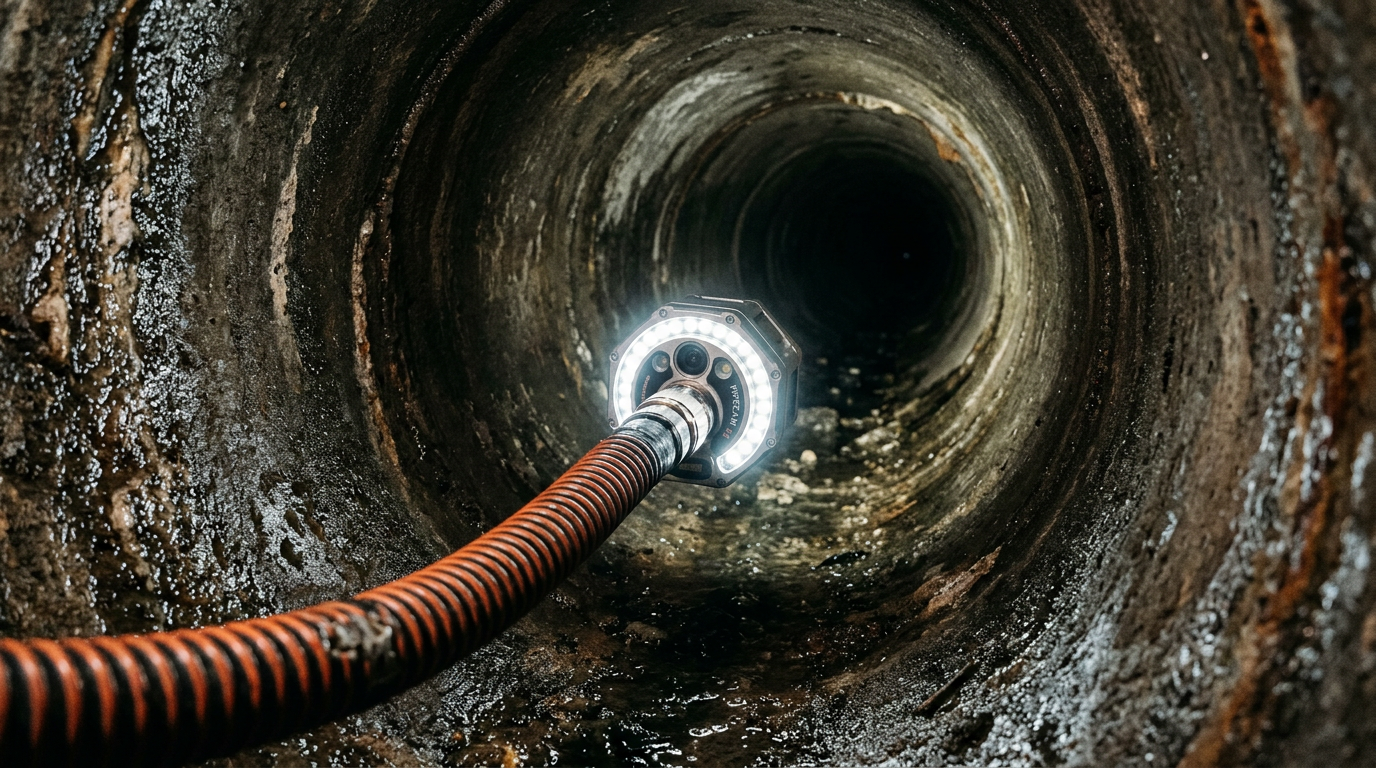
A sewer scope inspection is an add-on or specialized inspection where a licensed plumber or certified inspector runs a flexible, specially designed, high-resolution video camera down the home’s drainpipe.
The camera travels through the lateral sewer line, the pipe that connects the home’s plumbing to the city’s main sewer line or a private septic tank. The technician watches a live feed on a monitor, looking for blockages, damage, and the overall condition of the pipe. After the inspection, the buyer and their agent receive a detailed report and, typically, a recording of the video.
Why Home Buyers Can't Afford to Skip This Step
It is easy for buyers to experience "inspection fatigue" and want to avoid paying for additional services. However, skipping a sewer scope is a massive financial gamble. Here is why it should be considered mandatory:
Standard Home Inspections Don't Cover Underground Plumbing
A general home inspector will run water in the sinks, flush the toilets, and check for visible leaks under cabinets. However, their scope of work is limited to what is readily accessible and visible. They cannot see what is happening five feet underground. A house can have beautifully updated modern bathrooms, but still be relying on a crumbling 70-year-old pipe connecting it to the street.
High Cost of Sewer Line Repairs
If a buyer purchases a home and the sewer line backs up a month later, they are entirely responsible for the repairs. Repairing or replacing a sewer lateral line is incredibly expensive. Costs typically range from $5,000 to over $25,000, depending on the length of the pipe, the depth, and whether driveways, sidewalks, or mature landscaping need to be excavated.
Immediate Peace of Mind
Knowing the condition of the sewer line allows buyers to proceed with confidence. If the line is clear, the $150 to $300 spent on the scope was well worth the peace of mind. If issues are found, the buyer’s agent has the leverage to negotiate repairs, request seller credits, or, in severe cases, advise the buyer to walk away from a money pit.
Common Hidden Issues Uncovered by a Sewer Scope
Sewer lines are subjected to constant wear and tear, shifting soil, and the relentless forces of nature. Here are the most common defects a sewer scope will reveal:
- Tree Root Intrusion: This is incredibly common, especially in older neighborhoods with mature trees. Tree roots seek out moisture and can force their way through tiny cracks or loose joints in the pipes. Once inside, they act like a net, catching debris and causing massive blockages.
- Pipe Bellies (Sagging): Over time, the soil beneath a pipe can shift or erode, causing a section of the pipe to sink. This creates a "belly" or a dip where water and solid waste collect and sit, eventually leading to recurring clogs.
- Cracks and Collapses: Older pipes, especially those made of clay or cast iron, become brittle over time. The weight of the earth, freezing ground, or heavy vehicles driving above can cause these pipes to crack or collapse entirely.
- Deteriorating Materials (Orangeburg & Cast Iron): Homes built between the 1940s and 1970s may have pipes made of "Orangeburg" (essentially tar-pressed paper), which flattens and disintegrates over time. Cast iron pipes, common in older homes, are prone to severe rust and scaling that catches debris.
- Offset Joints: In older piping systems, sections of pipe were joined together. Shifting soil can cause these sections to misalign, creating an "offset" joint that leaks wastewater into the surrounding soil and blocks solid waste from passing.
When is a Sewer Scope Absolutely Necessary?
While every buyer should strongly consider a sewer scope, there are certain scenarios where real estate agents should insist upon it:
- Homes Built Before 1980: Older homes are highly likely to have clay, cast iron, or Orangeburg pipes that are nearing or past their expected lifespan.
- Properties with Large, Mature Trees: If there are large trees in the front yard or between the house and the street, the risk of root intrusion is extremely high.
- Signs of Shifting Soil: If the general home inspection notes significant foundation settling, cracked concrete walkways, or uneven soil, the underground pipes have likely shifted as well.
- "Flipped" Homes: Investors often focus on cosmetic updates (paint, flooring, kitchens) and may ignore or be unaware of hidden underground plumbing issues.
How Real Estate Agents Can Guide Their Clients
As a real estate agent, your role as an advisor is paramount when dealing with specialized inspections.
1. Educate Early: Mention the sewer scope during the initial buyer consultation. By preparing them for this extra cost early on, they won't feel blindsided when the inspection period arrives.
2. Translate the Jargon: Sewer inspection reports can be highly technical. Help your clients understand the difference between a minor issue (like minor root intrusion that just needs routine chemical treatment) versus a major defect (like a collapsed pipe that requires full excavation).
3. Strategic Negotiation: If the scope reveals major issues, you must act swiftly. Use the video evidence and the plumber’s written estimate to negotiate. You might request that the seller replaces the line prior to closing, or, more commonly, negotiate a financial credit so the buyer can oversee the repairs themselves after closing.
How InspectionResponse.com Simplifies Complex Sewer Findings
Dealing with sewer scope findings can be incredibly stressful for both agents and clients. The terminology is confusing, the repair estimates are daunting, and drafting the repair request addendum requires absolute precision. This is exactly where InspectionResponse.com transforms the workflow for real estate professionals.
When you receive a dense plumbing report or an add-on inspection detailing sewer defects, you can upload it directly into the InspectionResponse.com platform. Our AI-powered system instantly processes the document, extracting the critical findings and translating complex plumbing jargon into clear, client-friendly language. Instead of spending hours trying to explain "offset clay joints" or "Orangeburg deterioration" to a panicked buyer, you can share interactive, easily digestible finding cards.
Furthermore, InspectionResponse.com helps agents build bulletproof repair requests. If a sewer lateral replacement is needed, the platform assists in generating professional, legally sound language for your repair addendum in seconds. You can easily compare professional repair routes versus seller credits, ensuring your client gets the best possible outcome during negotiations without you having to sacrifice hours of your day drafting documents.
Don't let complex plumbing issues derail your transactions. Learn more about how InspectionResponse.com can streamline your inspection response process, save you time, and help you negotiate like a pro at https://inspectionresponse.com/.
Additional Resources
Briefing Document & Key Takeaways
Comprehensive Analysis of Sewer Scope Inspections in Real Estate Transactions
Executive Summary
A sewer scope inspection is a critical yet often overlooked component of the home-buying process. While standard home inspections assess visible and accessible systems, they are unable to evaluate the condition of underground lateral sewer lines. These lines, which connect a home to the municipal sewer or a private septic tank, are susceptible to various forms of deterioration and damage that can lead to catastrophic financial consequences for new homeowners. With repair costs ranging from $5,000 to over $25,000, the modest investment in a professional video scope provides essential protection against post-closing disasters. Real estate professionals play a vital role in educating clients about these risks, particularly for older homes, properties with mature landscaping, or flipped houses where cosmetic updates may mask significant subterranean defects.
Understanding the Sewer Scope Inspection
A sewer scope inspection is a specialized procedure performed by a licensed plumber or certified inspector to assess the integrity of a property's underground drainage system.
- Process and Technology: The technician utilizes a flexible, high-resolution video camera designed specifically for plumbing environments. This camera is inserted into the drainpipe and travels through the lateral sewer line.
- Operational Scope: The inspection covers the entire length of the pipe from the house to its connection point at the city main or a septic tank.
- Deliverables: During the process, the technician monitors a live feed. Upon completion, the buyer and their agent receive a comprehensive report alongside a video recording of the internal condition of the pipes.
The Critical Necessity of Subterranean Inspections
Skipping a sewer scope represents a significant financial gamble for home buyers due to several factors involving the limitations of standard assessments and the high stakes of repair work.
- Limitations of Standard Inspections: General inspectors focus on what is readily accessible. They may test sinks and toilets for drainage, but they cannot observe the condition of pipes located several feet underground. A home with modern interior plumbing may still be serviced by a failing 70-year-old exterior line.
- Financial Liability: Once a purchase is finalized, the new owner assumes full responsibility for the sewer line. If a failure occurs shortly after moving in, the cost of excavation and repair falls entirely on the buyer.
- Cost-Benefit Analysis: A typical sewer scope costs between $150 and $300. In contrast, the replacement of a lateral line is disruptive and expensive, often requiring the excavation of driveways, sidewalks, or mature landscaping.
- Negotiation Leverage: Identifying issues before closing provides the buyer’s agent with the evidence needed to negotiate repairs, request financial credits, or advise a client to withdraw from a problematic purchase.
Common Defects Identified by Video Inspections
Sewer lines are under constant pressure from soil movement and biological factors. A scope typically identifies several specific types of failure.
- Tree Root Intrusion: Roots seek moisture and can penetrate tiny cracks or loose joints. Once inside, they grow into a net-like structure that catches debris and causes major blockages.
- Pipe Bellies (Sagging): When soil beneath a pipe shifts or erodes, a section of the pipe may sink. This creates a "belly" or dip where waste collects, leading to chronic clogs.
- Cracks and Collapses: Older materials such as clay or cast iron become brittle over time. The pressure of the earth, freezing ground, or heavy vehicle traffic can cause these pipes to fracture or cave in completely.
- Material Deterioration:
- Orangeburg Pipes: Used between the 1940s and 1970s, these pipes consist of tar-pressed paper that eventually flattens and disintegrates.
- Cast Iron Pipes: These are prone to internal rust and scaling, which creates a rough surface that snags debris and restricts flow.
- Offset Joints: Soil movement can cause the sections where pipes meet to become misaligned. These "offsets" allow wastewater to leak into the soil and can prevent solid waste from passing through the line.
High-Risk Scenarios Requiring Mandatory Scoping
While recommended for all buyers, certain properties carry a higher risk profile that necessitates a sewer scope inspection.
- Pre-1980 Construction: Homes built before 1980 are highly likely to utilize materials like clay or cast iron that may be approaching the end of their functional lifespan.
- Mature Landscaping: The presence of large trees between the residence and the street significantly increases the probability of root intrusion.
- Evidence of Soil Instability: If a general inspection identifies foundation settling, cracked walkways, or uneven soil, it is highly probable that the underground plumbing has also been impacted.
- Renovated ("Flipped") Properties: Investors frequently prioritize cosmetic improvements such as flooring and kitchens. These updates can give a false sense of security while ignoring crumbling underground infrastructure.
The Role of the Real Estate Professional
Agents serve as essential advisors in navigating the technical findings of a sewer scope and protecting their clients' interests.
- Proactive Education: Agents should introduce the concept of a sewer scope during initial consultations to ensure buyers are prepared for the additional cost and time required during the inspection period.
- Technical Interpretation: Agents help clients distinguish between manageable issues, such as minor root growth that requires chemical treatment, and critical failures, such as collapsed lines requiring full excavation.
- Strategic Negotiation: When defects are found, agents can use video evidence and professional repair estimates to secure concessions. This may involve the seller replacing the line before the sale or providing a financial credit so the buyer can manage the repairs post-closing.
Study Guide
Sewer Scope Inspection Comprehensive Study Guide
This study guide provides a detailed overview of sewer scope inspections, a specialized process critical for home buyers and real estate professionals. It examines the technical aspects of the inspection, the common defects identified, the financial implications of underground plumbing issues, and the strategic role of agents in navigating these findings.
Understanding the Sewer Scope Process
A sewer scope inspection is a specialized assessment where a professional, typically a licensed plumber or certified inspector, uses a high resolution video camera to examine a home's internal drainage system. The camera is attached to a flexible cable and is fed through the lateral sewer line, which is the specific pipe connecting the residence to either the municipal sewer main or a private septic tank.
During the process, the technician monitors a live feed to identify blockages, structural damage, or general wear. This inspection goes beyond the capacity of a standard home inspection, which only covers visible or readily accessible plumbing such as sinks, toilets, and under cabinet leaks. Most sewer scope inspections cost between $150 and $300 and provide the buyer with a detailed written report and a video recording of the pipe's interior.
Financial and Strategic Importance
The primary motivation for a sewer scope is risk mitigation. Repairing or replacing a lateral sewer line is one of the most expensive tasks a homeowner can face, with costs ranging from $5,000 to over $25,000. These costs are driven by the depth of the pipe and the need to excavate surface structures like driveways, sidewalks, or mature landscaping.
Real estate agents play a vital role in this process by helping clients manage inspection fatigue. By educating buyers early about the necessity of this add on service, agents ensure their clients are protected from post closing financial disasters. If issues are found, agents use the inspection evidence to negotiate repairs or financial credits from the seller.
Common Pipeline Defects
Underground pipes are susceptible to various environmental and material related issues:
- Tree Root Intrusion: Roots seek moisture and enter pipes through small cracks or loose joints. Once inside, they create blockages by trapping debris.
- Pipe Bellies: These are sags or dips in the pipe caused by soil erosion or shifting. Waste and water collect in these areas, leading to frequent clogs.
- Cracks and Collapses: Older materials like clay or cast iron become brittle. Heavy surface weight or freezing ground can cause these pipes to break.
- Material Deterioration: Pipes made of Orangeburg, a tar-pressed paper material common between 1940 and 1970, eventually flatten and disintegrate. Cast iron pipes are prone to rust and scaling.
- Offset Joints: Shifting soil can cause pipe sections to move out of alignment, creating gaps that leak wastewater and obstruct the flow of solids.
High Risk Scenarios
While recommended for all buyers, certain properties require a sewer scope inspection more urgently:
- Homes built before 1980: These properties likely utilize materials nearing the end of their functional lifespan.
- Properties with mature trees: Large trees located between the house and the street significantly increase the risk of root damage.
- Evidence of soil movement: Foundation settling or cracked exterior concrete are indicators that underground pipes may have shifted.
- Flipped properties: Investors often prioritize visible aesthetic updates and may overlook or ignore the condition of the underground plumbing.
--------------------------------------------------------------------------------
Quiz: Sewer Scope Inspection Fundamentals
Question 1: What is a sewer scope inspection and what specific part of the plumbing does it examine? Question 2: Why is a standard home inspection insufficient for evaluating a property’s sewer system? Question 3: What are the potential financial consequences for a buyer who skips a sewer scope inspection? Question 4: How do tree roots negatively affect the functionality of a sewer lateral line? Question 5: What is a pipe belly and what causes this condition to develop? Question 6: Describe the characteristics and risks associated with Orangeburg pipes. Question 7: What is an offset joint and what problems does it cause for the homeowner? Question 8: Why should real estate agents be particularly cautious when representing a buyer interested in a flipped home? Question 9: Under what environmental conditions should a sewer scope be considered mandatory? Question 10: What are the three primary ways a real estate agent can assist a client when a sewer scope reveals major defects?
--------------------------------------------------------------------------------
Answer Key
Question 1: A sewer scope is a specialized inspection where a high resolution camera is run through a home’s lateral sewer line. It examines the pipe connecting the home to the municipal sewer or a private septic tank to check for blockages and damage.
Question 2: Standard home inspections are limited to visible and readily accessible plumbing like sinks and toilets. They cannot evaluate the condition of pipes located several feet underground, which may be crumbling despite modern bathroom updates.
Question 3: If the sewer line fails after closing, the buyer is entirely responsible for the repair costs. These repairs can range from $5,000 to $25,000 depending on the depth and the need to excavate landscaping or driveways.
Question 4: Tree roots grow toward moisture and can enter pipes through tiny cracks or loose joints. Once inside, they expand and act as a net that catches debris, eventually causing massive blockages.
Question 5: A pipe belly is a sag or dip in the sewer line caused by the shifting or erosion of the soil beneath the pipe. This low point allows water and solid waste to collect rather than flow through, leading to recurring clogs.
Question 6: Orangeburg pipes were common in homes built between the 1940s and 1970s and are made of tar-pressed paper. Over time, this material is prone to flattening and disintegration, requiring total replacement.
Question 7: An offset joint occurs when shifting soil causes sections of a pipe to misalign at the point where they connect. This creates a gap that leaks wastewater into the soil and creates an obstruction that blocks solid waste.
Question 8: Flipped homes often focus on cosmetic improvements like new kitchens or flooring while ignoring hidden systems. Investors may be unaware of or intentionally overlook crumbling underground pipes that are not visible during a standard walkthrough.
Question 9: A sewer scope is essential for homes built before 1980 or properties that feature large, mature trees. It is also necessary if there are signs of shifting soil, such as foundation settling or cracked walkways.
Question 10: Agents can help by educating the client about the inspection early in the process and translating technical jargon in the report. They also use the findings to negotiate for seller repairs or financial credits before closing.
--------------------------------------------------------------------------------
Essay Questions
- Analyze the relationship between the age of a residential property and the specific types of plumbing materials likely to be found in its lateral sewer line.
- Discuss the strategic importance of the sewer scope inspection as a tool for negotiation in a real estate transaction.
- Evaluate the environmental factors, such as soil composition and vegetation, that contribute to the degradation of underground sewer systems.
- Compare and contrast the long term costs of preventative sewer inspections versus the reactive costs of emergency sewer line replacement.
- Examine the professional responsibilities of a real estate agent in managing client expectations regarding "hidden" home systems and inspection fatigue.
--------------------------------------------------------------------------------
Glossary of Key Terms
- Cast Iron Pipe: A plumbing material common in older homes that is durable but prone to internal rust and scaling over time.
- Inspection Fatigue: A state of exhaustion or reluctance experienced by home buyers who are overwhelmed by the number of specialized inspections and their associated costs.
- Lateral Sewer Line: The specific section of underground piping that carries waste from the home's internal plumbing to the city's main line or a septic tank.
- Offset Joint: A defect where two sections of pipe no longer meet squarely, usually caused by soil movement, leading to leaks and blockages.
- Orangeburg Pipe: A type of pipe made from layers of wood pulp and tar that was used mid century and is known for structural failure and disintegration.
- Pipe Belly: A physical dip in a sewer line where the pipe has sunk due to soil erosion, causing waste to pool and clog.
- Scaling: The buildup of rust and minerals inside metal pipes that creates a rough surface, often catching debris and slowing drainage.
- Seller Credit: A financial concession provided by the seller to the buyer at closing, often used to cover the costs of needed repairs discovered during inspections.
- Sewer Scope: A diagnostic procedure using a specialized camera to visually inspect the interior of underground sewer lines.
- Tree Root Intrusion: The process of vegetation roots entering a pipe system through small openings, which can lead to structural damage and clogs.
Frequently Asked Questions
1. What is a sewer scope inspection and how does the technology function?
A sewer scope is a specialized add-on service conducted by a certified inspector or a licensed plumber. The technical process involves the deployment of a high-resolution, flexible video camera into the primary drainpipe system. This device navigates the lateral sewer line, which is the critical subterranean conduit connecting the residential plumbing to either the municipal main or a private septic system. Throughout the procedure, a technician monitors a live feed to evaluate the structural integrity of the line, searching for obstructions, material degradation, or system breaches.
The strategic utility of the scope lies in its conversion from raw technical data to transactional leverage. Upon completion, the buyer is provided with a detailed report and a video recording of the surveillance. This documentation serves as objective, incontrovertible evidence of the pipe’s condition. Given that the cost of this inspection typically ranges from 150 dollars to 300 dollars, the cost-to-benefit ratio is exceptionally favorable when compared to the catastrophic expense of unidentified pipe failure. This technical clarity is the primary foundation for understanding why such data is a financial necessity.
2. Why is a standard home inspection insufficient for identifying sewer line failures?
A general home inspector operates within a limited mandate, focusing on readily accessible areas such as faucet functionality, toilet flushing, and visible leaks under cabinetry. They are fundamentally unable to assess the condition of pipes buried five feet or more underground. The financial risks associated with this oversight are immense, as sewer line repairs are among the most disruptive and expensive liabilities a homeowner can inherit. Repair or replacement costs typically range from 5,000 dollars to over 25,000 dollars, depending on the depth of the line and the necessity of excavating driveways or mature landscaping.
The "So What?" factor in this analysis is that modern interior aesthetics often mask a crumbling, 70-year-old exterior connection. A residence may feature designer bathrooms and pristine fixtures that create a false sense of security while the underground pipe is on the verge of total collapse. Recognizing this disconnect between surface appearance and subsurface reality is the necessary catalyst for identifying the specific physical triggers that make a scope mandatory.
3. When should a buyer consider a sewer scope inspection to be a mandatory requirement?
There are four critical scenarios where a sewer scope must be viewed as a non-negotiable requirement. First, any property built before 1980 is at high risk because the piping materials are likely reaching the end of their functional lifespan. Second, properties with mature trees are vulnerable because roots instinctively seek the moisture and nutrients found inside sewer lines. Third, if a general inspection indicates soil shifting or foundation settling, it is a mathematical probability that the underground pipes have also been compromised. Finally, flipped homes require aggressive scrutiny. Real estate flippers operate on tight margins and often prioritize cosmetic returns on investment over invisible infrastructure. Subsurface repairs are frequently sacrificed because they provide no visual appeal to a prospective buyer, effectively turning the plumbing into a hidden money pit.
Each of these scenarios presents a specific threat to the long-term viability of the asset. Identifying these red flags allows a professional to move from general observation to a rigorous analysis of specific structural vulnerabilities.
4. What are the most common defects and material failures uncovered during a scope?
The surveillance protocol is designed to expose several distinct issues. Tree root intrusion is common in established neighborhoods, where roots penetrate small cracks and create a net-like structure that catches debris and causes massive blockages. Pipe bellies, or sagging sections, occur when the supporting soil erodes, creating a dip where waste collects and causes recurring clogs. The inspection also identifies cracks, total collapses, and offset joints, which occur when pipe sections misalign and leak wastewater into the surrounding environment.
Material-specific degradation is a primary concern. Homes built between the 1940s and 1970s may utilize Orangeburg pipe, a material made of tar-pressed paper that flattens and eventually disintegrates over time. Conversely, older cast iron pipes are prone to severe rust and internal scaling, which creates a rough surface that catches debris and restricts flow. The long-term impact of these defects is severe: while a belly leads to constant maintenance, offset joints and disintegrating materials can lead to environmental contamination and total system failure. This discovery of defects provides the essential data needed for the final stage of the advisory process.
5. How can buyers and their agents use sewer scope findings to protect their investment?
The advisory framework consists of three strategic steps. First, the consultant must educate the client early in the transaction to ensure they are prepared for the necessity of this due diligence. Second, the strategist must translate technical jargon into actionable intelligence. This involves distinguishing between minor maintenance, such as small root intrusions that only require routine chemical treatment, and major structural failures that require total excavation.
Third, if significant defects are uncovered, the plumber’s written estimate becomes the primary weapon in the negotiation phase. Using the video evidence and professional cost projections, the buyer can demand that the seller complete repairs prior to closing or negotiate a substantial financial credit to cover the anticipated capital expenditure. In cases of severe structural compromise, the data provides the necessary justification to withdraw from the transaction entirely. This methodology reinforces the sewer scope as an essential component of professional due diligence and comprehensive risk management.