The Top 3 Home Inspection Findings in All 50 States: A Realtor's Guide
Podcast Overview
.png)
An Analytical Report on Prevalent Home Inspection Findings Across the United States: A State-by-State Assessment
Executive Summary:
This report provides an exhaustive analysis of the most common findings identified during residential home inspections across all 50 U.S. states. The investigation reveals that prevalent inspection deficiencies are not random occurrences but are predictable outcomes shaped by a confluence of regional factors, including climate, geology, age of housing stock, and historical building practices. A primary conclusion of this report is the identification of a "cascade effect" originating from improper exterior water management. Deficiencies in grading, drainage, and gutter systems are the single most dominant catalyst for a host of the most severe and costly secondary issues, including foundation damage, structural wood rot, and mold proliferation. Furthermore, the analysis highlights the significant and growing risks associated with aging infrastructure, particularly outdated and hazardous electrical systems. Such findings frequently transcend simple repair negotiations, creating critical insurability and financing hurdles that can jeopardize real estate transactions. This state-by-state assessment serves as a critical reference for homebuyers, sellers, and real estate professionals, offering a nuanced understanding of property-specific risks on a national scale.
Part I: A National Overview of Common Inspection Deficiencies
Before delving into state-specific data, it is essential to establish a national framework of the most common categories of defects. These issues recur in inspection reports from coast to coast, forming the foundational knowledge required to understand regional variations. Analysis of nationwide data indicates that the vast majority of significant findings fall into five core categories: water management, electrical systems, roofing, structural integrity, and mechanical systems.
Section 1.1: Water Management and Its Consequences: The Primary Catalyst for Defects
The single most pervasive and consequential issue identified in home inspections nationwide is the failure to properly manage water on a property's exterior. Seemingly minor and often inexpensive-to-correct deficiencies in grading and drainage are the primary catalysts for a chain reaction of damaging and costly defects that can compromise a home's structural integrity and create hazardous living conditions.
- Improper Grading and Drainage: The most frequently cited defect in home inspection reports is improper surface grading, where the ground around a home's perimeter fails to slope adequately away from the structure. Building standards generally require the ground to slope away from the foundation for at least five feet. When this slope is flat or, more critically, negative (sloping toward the house), it effectively turns the foundation into a dam, collecting rainwater and snowmelt and directing it against the home's most vulnerable component. This leads to soil saturation, which exerts immense hydrostatic pressure on foundation walls and creates a direct pathway for water intrusion into basements and crawl spaces.
- Gutter and Downspout Deficiencies: Compounding the problem of poor grading are deficiencies in the roof drainage system. Clogged, damaged, or improperly installed gutters are a common finding. Even when gutters are functional, their downspouts often terminate too close to the foundation, dumping the entire roof's water load into the small area where it can do the most damage.
The consequences of these exterior water management failures are predictable and severe. The process begins with a simple, observable defect poor grading or a misplaced downspout. This leads to the secondary effect of saturated soil against the foundation. In colder climates, this saturated soil freezes and expands, a process known as frost heave, which exerts thousands of pounds of pressure on foundation walls, causing significant cracking and bowing. In all climates, the saturated soil leads to persistent hydrostatic pressure, forcing water through pores and cracks in the concrete and resulting in wet basements and crawl spaces. This persistent moisture then triggers a host of tertiary effects. It creates the ideal environment for the proliferation of mold, which poses a significant health risk to occupants and requires costly remediation. Simultaneously, the moisture promotes wood rot in critical structural components like sill plates, band joists, and floor joists, silently compromising the home's structural integrity. Thus, a single, often-overlooked drainage issue can directly precipitate the most dangerous and expensive findings in a home inspection report: structural failure and hazardous material contamination.
Section 1.2: Electrical Systems: Safety, Obsolescence, and Insurability
Electrical system deficiencies are another of the most common and critical findings in home inspections, appearing in nearly 19% of reports. These issues are particularly prevalent in homes built before the 1980s and range from minor code violations to life-threatening fire and shock hazards.
- Outdated and Hazardous Wiring: Inspectors frequently identify obsolete wiring systems that pose a significant fire risk. Knob-and-tube wiring, common in homes built before the 1950s, lacks a ground wire and can become a hazard as its insulation becomes brittle with age. Single-strand aluminum wiring, used extensively from the mid-1960s to the mid-1970s, is known to expand and contract at a different rate than the copper or brass connections it is attached to, leading to loose connections, overheating, and arcing.
- Faulty Electrical Panels: The electrical panel, or breaker box, is a frequent source of defects. A common finding is "double-tapped" breakers, where two circuits are connected to a single breaker designed for one, creating an overload and fire hazard. More critically, inspectors often identify panels manufactured by Federal Pacific Electric (FPE) and Zinsco, which were installed from the 1950s to the 1980s. These panels are notorious for having breakers that fail to trip during an overcurrent event, a defect linked to thousands of house fires.
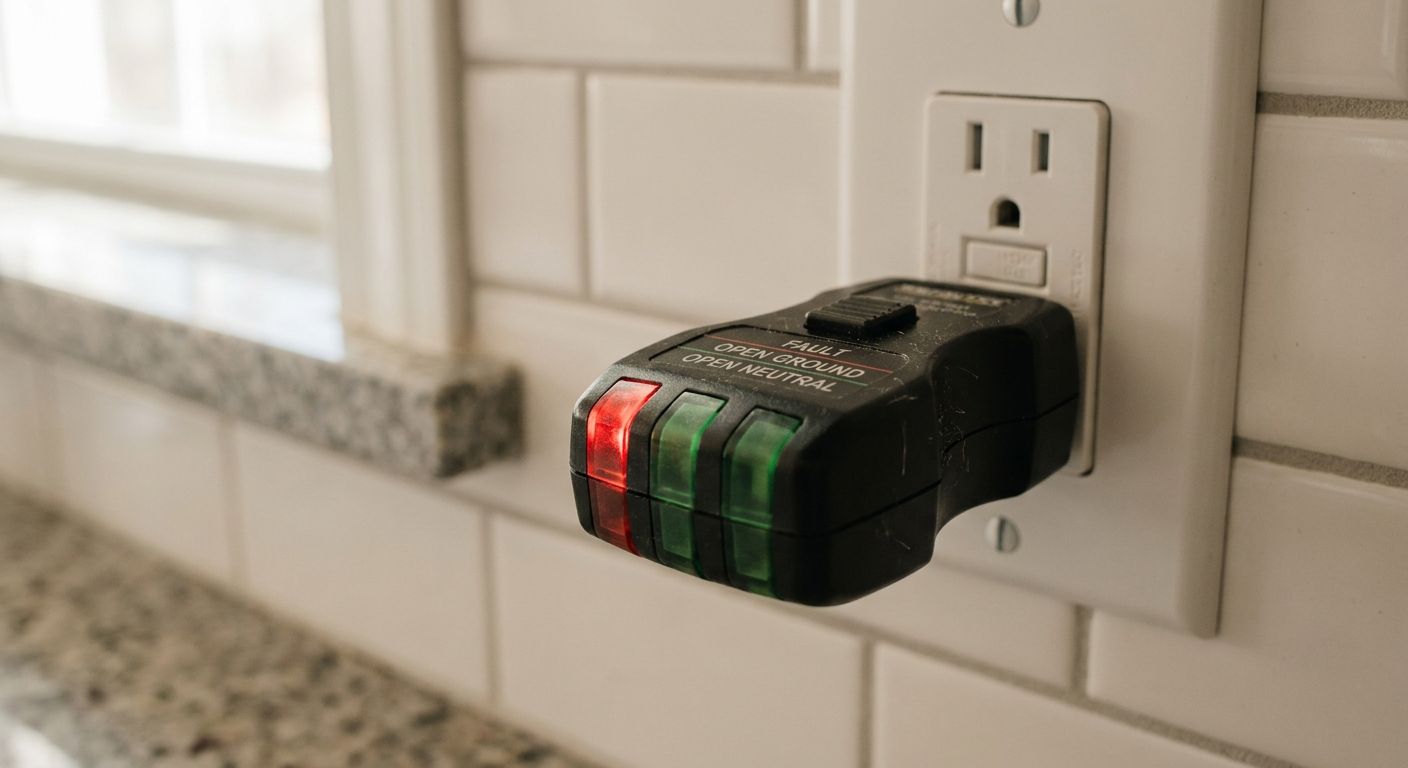
- Lack of GFCI Protection: One of the most common electrical safety findings is the absence of Ground Fault Circuit Interrupter (GFCI) protection. Modern building codes require GFCI outlets in locations where electricity is used in proximity to water, such as kitchens, bathrooms, garages, and on the home's exterior. These devices are designed to shut off power in milliseconds if they detect a ground fault, preventing severe electrical shock. A study found that about 48% of homes lacked adequate GFCI protection.
- Amateur Wiring: Do-it-yourself electrical work is frequently flagged by inspectors. This can include a wide range of dangerous practices, such as exposed wire splices, improper grounding, overloaded circuits, and mismatched wire gauges, all of which create unpredictable safety risks.
A crucial aspect of these electrical findings is their potential to create an "insurability hurdle." While a buyer and seller may negotiate the cost to repair a faulty outlet, certain systemic issues specifically the presence of an FPE or Zinsco panel, or a home wired with knob-and-tube or aluminum wiring can cause insurance companies to refuse to write a homeowner's policy. Without proof of insurance, a mortgage lender will not release funds to close the sale. This elevates the finding from a simple repair negotiation to a fundamental threat to the entire transaction, requiring immediate and professional remediation before the property can be sold.
Section 1.3: Roofing Systems: The Home's Primary Shield
The roof is a home's first line of defense against the elements, and its condition is a primary focus of any inspection. Roofing issues are found in nearly 20% of all inspections and can be among the most expensive repairs a homeowner faces.
- Material Degradation: The most common roofing defect is simply age-related wear and tear. Asphalt shingles, the most common roofing material, have a typical lifespan of 15 to 20 years. Inspectors will note shingles that are cracked, curling, missing, or have lost a significant amount of their protective granules, all of which indicate that the roof is nearing the end of its serviceable life and is vulnerable to leaks.
- Flashing Failures: Flashing is the metal material used to seal joints and prevent water intrusion where the roof meets a vertical surface, such as a chimney, skylight, or wall, or at roof valleys. Improperly installed or deteriorated flashing is a primary source of roof leaks and a frequent inspection finding.
- Ventilation Issues: Proper attic ventilation is critical to a roof's longevity. Inadequate ventilation traps super-heated, moist air in the attic. In the summer, this heat can bake shingles from the underside, accelerating their deterioration. In the winter, it can cause warm air from the living space to melt snow on the roof, which then refreezes at the eaves, forming destructive ice dams that force water up under the shingles.
Section 1.4: Structural Integrity: Assessing the Home's Skeleton
Findings related to a home's foundation and structural frame are among the most serious an inspector can report, as they can affect the safety and stability of the entire building. These issues are found in approximately 9% of inspections.
- Foundation Cracks: Inspectors are trained to differentiate between common, non-structural cracks and those that signal significant problems. Minor hairline or vertical cracks are often the result of concrete curing and are not a major concern. However, horizontal cracks, wide diagonal cracks (greater than 1/4 inch), or "stair-step" cracks in block or brick foundations are red flags that indicate excessive pressure from soil or water, or differential settlement of the foundation.
- Signs of Movement: Often, the first signs of foundation problems appear elsewhere in the house. A study of 50,000 homes found that over half had doors that needed adjusting, a strong indicator of foundation issues. Other common secondary signs include sloping floors, windows that are difficult to open or close, and visible gaps between walls and ceilings or floors.
- Wood Rot and Pest Damage: Moisture in a basement or crawl space, often resulting from the drainage issues discussed previously, creates an environment conducive to termites and other wood-destroying organisms. These pests can cause significant damage to structural components like floor joists, support beams, and sill plates, compromising the home's integrity.
Section 1.5: Plumbing and Mechanical (HVAC) Systems
A home's plumbing and HVAC (Heating, Ventilation, and Air Conditioning) systems are complex and essential for comfort and safety. Deficiencies in these systems are common, often stemming from age, deferred maintenance, or improper installation.
- Plumbing Issues: Plumbing problems are identified in over 13% of inspections. The most common findings are minor but indicative of potential larger issues, such as active leaks under sinks and around toilets, slow drains, and low water pressure. A more significant red flag is the presence of outdated pipe materials. Galvanized steel pipes, used in homes built before the 1960s, are prone to internal corrosion, which restricts water flow and can release lead into the water. Polybutylene pipes, used from the late 1970s to the mid-1990s, are known to become brittle and fail suddenly without warning, causing extensive water damage.
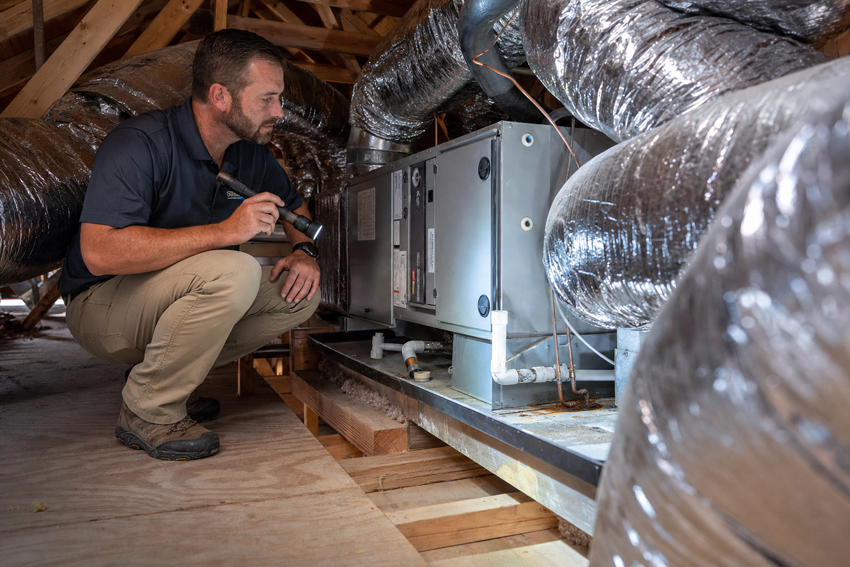
- HVAC Deficiencies: The most frequent HVAC-related finding is a lack of regular maintenance. Dirty filters and condenser coils reduce efficiency, strain the system, and can lead to costly repairs. Inspectors will also note the age of the system, as furnaces and air conditioners typically have a service life of 15 to 20 years. A unit at or beyond this age is likely to require replacement in the near future, a significant expense for a new homeowner.
Part II: Regional and State-Specific Analysis of Top Inspection Findings
While the major categories of defects are consistent nationwide, their prevalence and specific nature vary significantly by geographic region. These variations are driven by distinct patterns in climate, geology, housing age, and local building practices. This section provides a state-by-state analysis of the top three most likely inspection findings, organized by region.
Region 1: The Northeast (CT, ME, MA, NH, NJ, NY, PA, RI, VT)
The Northeast is defined by two primary characteristics that heavily influence home inspection outcomes: the nation's oldest housing stock and a harsh climate with significant precipitation and freeze-thaw cycles. Consequently, the most common findings are dominated by issues of age, such as outdated electrical and plumbing systems, and weather-related damage, including foundation issues from frost heave, water intrusion into basements, and roof damage from ice dams.
Connecticut
- Top 3 Findings:
- Electrical System Deficiencies
- Wood Rot & Water Damage
- Septic System Concerns
- Contextual Analysis: Connecticut's housing inventory includes a significant number of older homes, making electrical issues paramount. Inspectors frequently find a lack of GFCI outlets in required locations, hazardous double-tapped breakers in electrical panels, and outdated wiring systems that are insufficient for modern electrical loads. The state's climate, with ample rain and snow, leads to persistent moisture issues. This results in the second most common finding: wood rot on exterior trim, decks, and around windows where caulking has failed. This moisture also contributes to water intrusion in basements and crawl spaces. Finally, due to the state's many rural and suburban areas, a large number of homes rely on private septic systems. Inspectors often find these systems have not been properly maintained or are nearing the end of their functional lifespan, representing a significant potential expense for buyers.
Maine
- Top 3 Findings:
- Foundation Issues
- Outdated Electrical Systems
- Moisture & Water Damage
- Contextual Analysis: Maine's severe freeze-thaw cycles exert immense pressure on foundations, making structural issues a top concern. Inspectors commonly find cracks in foundation walls, signs of settling like uneven floors, and water intrusion in basements, often caused by snowmelt against the house. As one of the states with the oldest housing stock, outdated electrical systems are a near certainty in un-renovated properties. Fuses instead of circuit breakers, a lack of grounding, and exposed wiring are common and hazardous findings. The state's heavy precipitation, both rain and snow, makes moisture and water damage a pervasive issue. Roof leaks, especially from ice dams, and poor ventilation in attics and basements leading to moisture buildup are frequently reported.
Massachusetts
- Top 3 Findings:
- Improper and Undersized Electrical Wiring
- Improper Grading and Drainage
- Older or Damaged Roofs
- Contextual Analysis: With some of the oldest homes in the country, Massachusetts inspections are dominated by findings related to aging infrastructure. Outdated electrical systems, including insufficient service capacity, dangerous amateur wiring, and the absence of modern safety features like GFCI outlets, are extremely common. Improper grading and drainage is the most frequently identified problem, serving as the root cause for the state's common wet basements and foundation damage. The region's harsh winters, with heavy snow and ice, contribute to frequent roof problems, including leaks from damaged shingles and improper flashing, particularly on roofs nearing the end of their typical 15-20 year lifespan.
New Hampshire
- Top 3 Findings:
- Roof Damage
- Moisture Intrusion in Basements
- Aging Electrical Systems
- Contextual Analysis: Heavy snow loads are a major factor in New Hampshire, leading to significant stress on roofing structures and contributing to damage from ice dams. In coastal areas, salt air can accelerate the degradation of roofing materials. The combination of snowmelt and rainfall, coupled with high water tables in many areas, makes moisture intrusion into basements a very common and problematic finding. Similar to its New England neighbors, New Hampshire's older housing stock means that aging and overloaded electrical systems are a frequent and critical issue identified by inspectors.
New Jersey
- Top 3 Findings:
- Electrical System Deficiencies
- Foundation Issues
- Roofing Issues
- Contextual Analysis: The dense population and long history of development in New Jersey mean that a large portion of the housing stock is older, leading to a high prevalence of electrical system defects. Faulty wiring, outdated panels, and code violations are common red flags that pose potential fire hazards. Foundation issues, including cracks and settling, are also frequently noted, driven by variable soil conditions and the age of the structures. Aging and damaged roofs, with problems like missing shingles and leaks, round out the top three findings, as many homes have roofs that are at or beyond their expected service life.
New York
- Top 3 Findings:
- Structural & Foundation Issues
- Plumbing System Deficiencies
- Electrical System Deficiencies
- Contextual Analysis: New York's vast inventory of historic and older buildings, particularly in New York City and other established urban areas, drives the most common inspection findings. Structural integrity is a primary concern, with inspectors frequently noting cracks, settling, and water damage that could indicate weaknesses in the foundation, walls, or framework. Age-related deterioration of plumbing systems is another top issue, including corroded or outdated pipes, low water pressure, and leaks. Finally, outdated electrical systems that cannot handle modern loads and may pose fire hazards are a consistent finding in older properties across the state.
Pennsylvania
- Top 3 Findings:
- Roof Wear & Tear
- Outdated Electrical Systems
- Foundation Cracks
- Contextual Analysis: With a large number of homes built before the 1950s, particularly in cities like Pittsburgh, Pennsylvania inspections frequently uncover age-related issues. Worn-out roofs with missing or curling shingles, signs of leaks, and water intrusion in the attic are a top concern. Outdated electrical systems are another major red flag, with knob-and-tube wiring, old fuse boxes, and overloaded panels commonly cited. The state's freeze-thaw climate contributes to foundation problems, and inspectors often report settling cracks, bowing basement walls, and other signs of structural movement that are of significant concern to buyers.
Rhode Island
- Top 3 Findings:
- Outdated Electrical & Plumbing
- Foundation & Structural Issues
- Termite & Pest Damage
- Contextual Analysis: As the state with the oldest median home age in the U.S., it is unsurprising that Rhode Island's top inspection findings relate to aging systems. Inspectors consistently identify outdated plumbing and electrical infrastructure that may be unsafe or at the end of its life. The age of the architecture also contributes to a high incidence of foundation and structural problems. The coastal environment, with its associated humidity and moisture, creates conditions conducive to termites and other wood-destroying pests, making pest-related damage another key issue for inspectors in the state.
Vermont
- Top 3 Findings:
- Electrical System Deficiencies
- Negative Grading & Drainage
- Safety Deficiencies (Railings)
- Contextual Analysis: Vermont's rural character and older housing stock are reflected in its common inspection findings. Electrical issues are paramount, with a frequent lack of GFCI outlets, ungrounded receptacles, and hazardous double-tapped breakers being common repair items. Negative grading around the house, which allows snowmelt and rain to pool against the foundation, is a critical and common issue leading to potential water damage. Finally, inspectors often note safety deficiencies that may not have been updated to modern codes, such as missing or improperly installed handrails on stairs and decks.
Region 2: The Southeast (AL, AR, FL, GA, KY, LA, MS, NC, SC, TN, VA, WV)
The Southeast region is characterized by a hot, humid climate with significant annual rainfall and, in coastal areas, the risk of hurricanes. This environment is the primary driver of the most common inspection findings. High humidity and moisture intrusion are catalysts for mold growth and wood rot. The warm climate creates a year-round threat from termites and other wood-destroying insects. Furthermore, the region's prevalent expansive clay soils, which swell and shrink with moisture changes, lead to a high incidence of foundation and structural problems.
Alabama
- Top 3 Findings:
- Foundation & Structural Issues
- Water Damage & Moisture Intrusion
- Roofing Deficiencies
- Contextual Analysis: Alabama's geology, particularly the prevalence of expansive clay soils that shift with moisture content, makes foundation and structural issues a leading concern for home inspectors. This is often manifested as cracks in foundation walls, uneven floors, and sticking doors. The state's hot, humid climate contributes significantly to the second major finding: water damage and moisture intrusion. High humidity can lead to mold growth in crawl spaces and attics, and any leaks are quickly exacerbated. Finally, roofing deficiencies, including worn shingles and damaged flashing from storm activity and general aging, are frequently reported as they are the primary entry point for water.
Arkansas
- Top 3 Findings:
- Foundation Cracks
- Mold & Moisture Issues
- Poor Lot Drainage
- Contextual Analysis: Similar to its neighbors, Arkansas's shifting soils make foundation cracks a common, though not always severe, inspection finding. It is critical for a professional to determine whether cracks are cosmetic or indicative of serious movement. The state's high humidity makes some level of mold or mildew almost unavoidable and a top inspection issue. While minor mildew in a bathroom may be a maintenance item, widespread mold suggests larger problems with ventilation or water intrusion. These moisture issues are often caused by the third top finding: poor lot drainage. When a property does not slope away from the house, it channels Arkansas's significant rainfall directly against the foundation, leading to both moisture intrusion and foundation stress.
Florida
- Top 3 Findings:
- Roof Damage
- Moisture Intrusion & Mold
- HVAC System Deficiencies
- Contextual Analysis: Florida's climate is the dominant factor in its inspection findings. Intense, year-round sun exposure degrades roofing materials, while the constant threat of hurricanes and heavy rain makes roof integrity paramount. Damaged or missing shingles and leaks are a top concern. The state's extreme humidity means that any water intrusion, whether from a roof leak or a plumbing issue, can quickly lead to widespread mold growth, a major health and financial liability. Lastly, HVAC systems in Florida are run almost continuously, leading to accelerated wear. Inspectors very commonly find dirty evaporator coils and clogged filters, signs of deferred maintenance that reduce efficiency and shorten the system's lifespan.
Georgia
- Top 3 Findings:
- Foundation & Structural Issues
- Termite & Pest Damage
- Water Intrusion & Drainage
- Contextual Analysis: Georgia's prevalent red clay soil, which expands and contracts dramatically with moisture changes, is a primary cause of foundation and structural problems, the state's top inspection finding. The warm, humid climate creates an ideal environment for termites and other wood-destroying pests, making active infestations or past damage a very common and serious issue that can compromise a home's structure. These two major issues are often linked to the third: water intrusion and poor drainage. Georgia's heavy rains, when not properly diverted away from the house, saturate the clay soil, leading to foundation pressure, and create the moist conditions that attract termites.
Kentucky
- Top 3 Findings:
- Roof Damage
- Plumbing System Deficiencies
- Electrical System Deficiencies
- Contextual Analysis: Roof damage is one of the most common issues identified in Kentucky home inspections, resulting from a combination of age, weather events like hail and windstorms, and a lack of proper maintenance. Plumbing problems are also frequently cited, ranging from minor leaks and clogged drains to more significant issues like outdated pipe materials that can corrode and fail. Finally, as in many states with a mix of older and newer housing, electrical system deficiencies are a major concern. Inspectors often find outdated wiring (such as knob-and-tube or aluminum), overloaded circuits, and improperly modified panels that pose serious fire hazards.
Louisiana
- Top 3 Findings:
- Foundation Issues
- Plumbing Problems (Leaks & Mold)
- Drainage Issues
- Contextual Analysis: Louisiana's unique geology and climate are directly responsible for its most common inspection defects. The state's alluvial, clay-rich soil is highly prone to shifting and expanding with moisture, leading to a high incidence of foundation problems like cracks and sagging floors. The extreme humidity exacerbates plumbing issues; leaks from corroded or old pipes quickly encourage mold growth, a significant health hazard. The root of both of these problems is often the third major finding: drainage issues. With an average annual rainfall of over 57 inches, homes with improper grading or inadequate gutter systems are subject to constant water pressure against their foundations, destabilizing the soil and creating the damp conditions for rot and mold.
Mississippi
- Top 3 Findings:
- Foundation & Structural Issues
- Plumbing Leaks
- Electrical System Deficiencies
- Contextual Analysis: Mississippi's varied soil conditions, including sandy soils on the Gulf Coast and expansive clays inland, contribute to a high rate of foundation and structural problems, which are among the most frequent findings. These issues are often discovered through secondary signs like uneven floors or wall cracks. Minor plumbing leaks are another very common issue, and while seemingly small, they are red flags for potential water damage and mold growth, especially in the state's humid climate. Finally, electrical quirks and deficiencies, particularly in older homes, are frequently noted, ranging from improper wiring to a lack of modern safety features.
North Carolina
- Top 3 Findings:
- Roofing Issues
- Faulty Electrical Wiring
- Poor Grading & Drainage
- Contextual Analysis: Due to the age of much of the state's housing stock and exposure to weather events, roofing problems are a very common finding in North Carolina. Inspectors frequently report shingles that are at or near the end of their 15-40 year lifespan. Faulty or inadequate electrical wiring is another top issue, particularly in older homes built before modern codes were established, which may require significant and costly upgrades. Poor grading and drainage around the home is a major cause for concern and a frequent finding. Inadequate drainage can lead to water intrusion in basements or crawl spaces and can compromise the foundation's integrity over time.
South Carolina
- Top 3 Findings:
- Poor Drainage & Grading
- Damaged Plumbing Boots (Roof)
- Weathered Decks & Wood Rot
- Contextual Analysis: South Carolina's significant rainfall makes proper drainage a critical and commonly flagged issue. Inspectors frequently find improper grading and a lack of splash blocks or downspout extensions, which directs water against the foundation. A very specific but common finding is deteriorated rubber plumbing boots on the roof. These seals around vent pipes crumble under sun exposure and are a frequent source of leaks. The popularity of wooden decks, combined with the state's humidity and sun, leads to the third common finding: weathered, unmaintained decks. This can include wood rot and the presence of wood debris underneath, which attracts termites.
Tennessee
- Top 3 Findings:
- Mold & Moisture Issues
- Roof Flashing & Leak Issues
- Termite Damage
- Contextual Analysis: The high humidity levels across Tennessee, particularly in the eastern part of the state, create a perfect environment for mold growth, making it one of the most frequent issues encountered in basements and crawl spaces. This moisture is often introduced through the second top finding: roof leaks, commonly caused by flashing problems around chimneys and vents. The state's warm, damp climate is also highly conducive to termites, which can cause significant damage to wooden structures like decks, porches, and the home's framing, making termite inspections and related damage a critical and common finding.
Virginia
- Top 3 Findings:
- Roofing Issues
- Faulty Electrical Wiring
- Poor Grading & Drainage
- Contextual Analysis: Northern Virginia's climate, which includes harsh weather from snow and ice to heavy rain, takes a significant toll on roofs, making missing shingles and structural damage a very common finding. The region's large stock of older homes means that faulty or inadequate electrical wiring is another top issue reported by inspectors, often presenting safety hazards that require costly repairs. Finally, the area's topography contributes to frequent problems with poor grading and drainage. Water runoff that is not properly diverted away from the house can lead to foundation decay, mold, and stability issues.
West Virginia
- Top 3 Findings:
- Electrical System Deficiencies
- Exterior Trim Rot
- Outdated Smoke Detectors
- Contextual Analysis: West Virginia's housing stock, which includes many older homes, frequently presents electrical system deficiencies. One of the most common hazardous findings is "double tapping" in electrical panels, where two circuits are connected to a single breaker. The state's significant precipitation leads to the second common issue: exterior trim rot. Water damage causes wood trim around windows, doors, and rooflines to decay, which can allow further water intrusion if not addressed. A common safety-related finding is the presence of smoke detectors that are over 10 years old. Safety standards recommend replacement after a decade, as their sensors can lose sensitivity, a critical but often overlooked maintenance item.
Region 3: The Midwest (IL, IN, IA, KS, MI, MN, MO, NE, ND, OH, SD, WI)
The Midwest is a region of climatic extremes, with hot, humid summers and bitterly cold, snowy winters. This dramatic seasonal swing, particularly the intense freeze-thaw cycles, is a primary driver of common home inspection defects. The region also has a substantial inventory of older homes, leading to a high prevalence of issues related to aging infrastructure. Key regional themes include foundation damage from soil movement and frost, basement water intrusion from snowmelt and heavy rains, roof damage from ice dams, and outdated electrical and plumbing systems.
Illinois
- Top 3 Findings:
- Foundation Cracks & Basement Water
- Roofing Issues
- Outdated Electrical Systems
- Contextual Analysis: The geology and climate of Illinois are directly responsible for its most common inspection finding. The region's clay-heavy soil expands and contracts significantly during the severe freeze-thaw cycles, exerting immense pressure on foundations and leading to cracks and basement water seepage. The state's harsh weather, including heavy snow, ice, and wind, takes a toll on roofs, making missing or damaged shingles, poor flashing, and leaks from ice damming very common. Finally, the large inventory of older homes, particularly in the Chicago area, means that inspectors frequently encounter outdated and hazardous electrical systems, such as knob-and-tube wiring and undersized panels unable to handle modern loads.
Indiana
- Top 3 Findings:
- Foundation Issues
- Water Damage & Mold
- Roofing Problems
- Contextual Analysis: Indiana's fluctuating weather, with its characteristic freeze-thaw cycles, contributes to soil movement and stress on foundations, making cracks and signs of settling a top inspection concern. The region's precipitation and the age of the housing stock lead to the second major issue: water damage and mold. Leaks from roofs, plumbing, or basements are common, and the resulting moisture can lead to mold growth, which is a health risk and expensive to remediate. An old, damaged, or improperly installed roof is another frequent finding, as roofs are constantly exposed to the elements and can be costly to replace.
Iowa
- Top 3 Findings:
- Faulty Electrical Wiring
- Plumbing System Deficiencies
- Roof Damage
- Contextual Analysis: Iowa has a significant number of older homes, which drives its most common inspection findings. Faulty wiring is a primary concern, with inspectors often discovering outdated systems like knob-and-tube wiring that can be a fire hazard and may not be insurable. Similarly, aging plumbing systems with corroded pipes, leaks, and low pressure are frequently reported. Roof damage, from worn-out shingles to active leaks, is another top issue, reflecting the age of the homes and the wear from years of exposure to Midwest weather.
Kansas
- Top 3 Findings:
- Roofing Deficiencies
- Electrical System Deficiencies
- Foundation Issues/Cracks
- Contextual Analysis: Kansas's position in "Tornado Alley" and its susceptibility to severe weather, including hail and high winds, make roofing issues the most common inspection finding, with over 19% of inspections uncovering problems. Electrical deficiencies are a close second, found in nearly 19% of inspections. These often relate to older homes with outdated wiring, frayed insulation, or improper DIY work that poses a fire risk. Foundation issues and cracks are also a significant concern, found in about 9% of inspections, often related to the state's expansive soils that shift with moisture changes.
Michigan
- Top 3 Findings:
- Water Damage (Basements/Roofs)
- Inadequate Insulation & Ventilation
- Foundation Issues
- Contextual Analysis: Michigan's climate, characterized by heavy snow and rain, makes water damage a primary concern for home inspectors. They frequently find evidence of water intrusion in basements and signs of roof leaks, often related to ice dams or poor drainage. This ties into the second major finding: inadequate insulation and ventilation. Proper insulation is crucial for the state's cold winters, and poor ventilation can lead to moisture buildup and the formation of destructive ice dams. Given the age of many homes and the stress from weather, foundation issues are also a common and critical finding.
Minnesota
- Top 3 Findings:
- Roof & Gutter Issues
- Wood Rot
- Fire Safety Deficiencies
- Contextual Analysis: Given Minnesota's heavy snowfall, issues with roofs and gutters are a top inspection finding. Damaged or old shingles, along with ice dam formation, can lead to significant water damage. The moisture from snowmelt and rain contributes to the second common problem: wood rot. This is often found on windows, exterior doors, and the eaves of the home where wood is exposed to the elements without proper maintenance. Finally, inspectors often find fire safety deficiencies, such as missing or non-functional smoke detectors and windows or doors that do not operate correctly, which can be a major hazard in an emergency.
Missouri
- Top 3 Findings:
- Faulty Electrical Wiring
- Roof Damage
- Foundation Cracks & Shifts
- Contextual Analysis: Missouri's housing stock includes many homes with outdated or unsafe electrical work, making faulty wiring a top inspection concern. Issues like improper grounding, overloaded circuits, and DIY modifications are common fire hazards. Roof damage that may not be visible from the ground, such as cracked shingles or hidden leaks, is another frequent finding that can lead to water damage and mold. Foundation cracks and structural shifts are also a major issue. While minor cracks can be cosmetic, inspectors look for signs of significant movement, such as sloping floors or sticking doors, which can indicate costly structural problems.
Nebraska
- Top 3 Findings:
- Poor Drainage & Grading
- Faulty Electrical Wiring
- Leaking Roofs
- Contextual Analysis: In Nebraska, the most common defect found is poor drainage, where foundation grading has settled over time, causing water to drain toward the house and seep into the basement. Faulty wiring, especially in older homes, is another top issue. Inspectors frequently find exposed wiring, improperly wired outlets, and double-tapped breakers, often from homeowner additions. Leaking roofs, typically caused by improper flashing or damage from ice damming during winter months, are also a prevalent and costly problem.
North Dakota
- Top 3 Findings:
- Foundation & Structural Issues
- High Radon Levels
- Sewer Line Problems
- Contextual Analysis: North Dakota's extreme climate and geology drive its most common inspection findings. The region's expansive clay soils, combined with severe freeze-thaw cycles, cause significant ground shifting, leading to a high incidence of foundation problems like cracks, bowing, and settling. Due to the unique geology of the upper Midwest, the state has some of the highest radon levels in the country, making radon testing a critical part of the inspection process. Finally, particularly in older homes, sewer line issues such as blockages, root intrusions, or breaks are a common and expensive problem to remediate, making a sewer scope inspection highly advisable.
Ohio
- Top 3 Findings:
- Foundation Cracks & Settling
- Basement Water Intrusion
- Roof Damage
- Contextual Analysis: Ohio's variable weather, with frequent rain and snowmelt, makes foundation and water-related issues the top inspection findings. Small cracks in the foundation are common, but inspectors look for larger or widening cracks that indicate more severe settling or shifting, which can be costly to repair. The prevalence of basements in Ohio homes, combined with the climate, makes water intrusion a very common problem, often leading to dampness or mold growth. The state's weather is also tough on roofs, and it is common to find missing, cracked, or curling shingles, particularly on older roofs that have been exposed to years of hail and ice dams.
South Dakota
- Top 3 Findings:
- Poor Drainage & Grading
- Foundation Problems
- Plumbing System Deficiencies
- Contextual Analysis: The most common issue leading to significant damage in South Dakota is poor drainage, where the ground slopes toward the house. This is often due to the state's expansive clay soils, which can shift and cause the original grade to settle improperly. This directly contributes to the second major finding: foundation problems. Water pooling around the foundation can lead to cracks, leaks, and structural movement. Plumbing issues are also common, especially in older homes, and can range from simple leaks to more complex problems with outdated pipes and cross-connections.
Wisconsin
- Top 3 Findings:
- Poorly Maintained Roofs
- Gutter & Drainage Issues
- Poor Insulation & Ventilation
- Contextual Analysis: Wisconsin's cold, snowy winters are a major factor in its top inspection findings. Poorly maintained roofs are a primary concern, as they are susceptible to leaks and water damage from snow and ice. This is directly linked to the second finding: gutter and drainage issues. The state's freeze-thaw cycles can cause water that pools near the foundation to freeze, expand, and crack the concrete. Poor insulation and ventilation, common in older Wisconsin homes, is the third key issue. In attics, this combination leads to the formation of ice dams, which can cause serious roof damage and leaks.
Region 4: The Mountain West (AZ, CO, ID, MT, NV, NM, UT, WY)
The Mountain West is a region of dramatic landscapes and climates, largely characterized by arid or semi-arid conditions, intense solar radiation at high altitudes, and significant daily temperature swings. These environmental factors are the primary drivers of inspection findings. The relentless sun causes rapid deterioration of exterior materials, particularly roofing and paint. Expansive soils are common throughout the region, leading to a high incidence of foundation issues. Additionally, the geology of the region makes radon gas a significant and widespread concern.
Arizona
- Top 3 Findings:
- Roof Damage
- HVAC System Deficiencies
- Electrical System Deficiencies
- Contextual Analysis: Arizona's intense, year-round sun is brutal on roofing materials, making roof damage the top inspection finding. Inspectors in areas like Tucson frequently report cracked or damaged tiles, as well as blistering and cracking on flat roof coatings. The extreme summer heat places an enormous strain on HVAC systems, causing them to run almost constantly. This leads to accelerated wear and tear, making improperly operating or poorly maintained AC units a very common and critical finding. Electrical deficiencies, such as unsafe wiring in panels and a lack of GFCI circuits, are also frequently reported, particularly in older homes that may not have been updated to handle modern electrical loads.
Colorado
- Top 3 Findings:
- Roofing Issues
- Poor Surface Grading & Drainage
- Outdated Electrical Wiring
- Contextual Analysis: Colorado's unique climate characterized by high altitude, intense sun, high winds, and frequent hail is extremely damaging to roofing materials. Consequently, issues with shingles and flat roofs are a top inspection finding. Despite being an arid climate, the state experiences heavy rainfall and significant snowmelt. When combined with improper surface grading, this water can pool around the foundation, leading to leaks and potential structural damage, making it a critical and common issue. As with many states with a significant inventory of older homes, outdated and undersized electrical wiring that can create a fire hazard is another of the most frequent problems identified by inspectors.
Idaho
- Top 3 Findings:
- Foundation Issues
- Water Damage
- Electrical System Concerns
- Contextual Analysis: Idaho's varied soil conditions and climate, which includes significant snowmelt, contribute to a high incidence of foundation issues, a top concern for inspectors. These foundation problems, along with potential roof or plumbing leaks, often lead to the second major finding: water damage, which can compromise structural components and lead to mold. Electrical concerns are also frequently cited, reflecting a mix of older housing stock with outdated systems and newer homes with potential construction defects.
Montana
- Top 3 Findings:
- Faulty Gutters & Drainage
- Faulty Electrical Wiring
- Roof Problems
- Contextual Analysis: In Montana, the most common home defects are often related to water management, a critical issue given the state's heavy snowfall and subsequent spring melt. Faulty or missing rain gutters and poor grading that fails to channel water away from the house are the most prevalent findings. Faulty wiring is another top issue, with inspectors frequently finding unsafe conditions like open junction boxes and double-tapped breakers, often the result of homeowner upgrades. Roof problems, such as brittle or curled shingles and broken flashings, are also common, as roofs are battered by the harsh climate.
Nevada
- Top 3 Findings:
- Roofing Issues
- Electrical System Deficiencies
- HVAC System Deficiencies
- Contextual Analysis: Nevada's arid, high-desert climate, particularly the intense sun and heat of the Las Vegas area, is the primary cause of its most common inspection findings. Roofs are constantly exposed to extreme UV radiation and heat, which accelerates the aging of materials like shingles and underlayment, making roofing issues a top concern. Many homes, especially in established areas, have older electrical systems. Inspectors frequently flag outdated and potentially hazardous electrical panels (like Federal Pacific) and wiring that is not up to modern safety codes. The extreme summer temperatures mean HVAC systems are under constant, heavy load, leading to premature wear and failure. Inefficient or failing units are a major and costly finding.
New Mexico
- Top 3 Findings:
- Roofing Issues
- Electrical System Deficiencies
- Plumbing System Deficiencies
- Contextual Analysis: Based on regional trends and the state's climate, New Mexico's most common inspection findings are driven by intense sun exposure and the age of its housing stock. The sun's UV rays cause rapid deterioration of roofing materials, making leaks, soft spots, and the need for full replacement a frequent issue. Electrical problems, including wiring that is not up to code and improperly wired panels, are common in older homes. Similarly, aging plumbing systems with leaky pipes and failing water heaters are often identified, representing potentially expensive repairs.
Utah
- Top 3 Findings:
- Missing/Broken GFCI Outlets
- Plumbing Leaks
- Wood Rot
- Contextual Analysis: A study of Utah homes revealed that an estimated 74% are missing or have defective GFCI outlets, making this a remarkably common electrical safety finding. The same study found that approximately 52% of homes have a plumbing leak, often under sinks or around water heaters, indicating a widespread issue with deferred maintenance. Wood rot is another top defect, typically found on decks, eaves, and trim that are exposed to moisture from snowmelt and rain. This suggests that exterior wood components are often not properly maintained to withstand the local climate.
Wyoming
- Top 3 Findings:
- Improper Grading & Drainage
- Worn Roofing
- Foundation Cracks
- Contextual Analysis: Wyoming's climate, with significant snowfall and freeze-thaw cycles, makes water management a critical issue. Improper grading and drainage is one of the most common issues identified in inspection reports, as it allows snowmelt to pool against the foundation, leading to water intrusion and structural stress. The harsh weather also leads to worn roofing, with inspectors frequently finding warped shingles and worn flashings that can compromise the roof's integrity. These water-related issues contribute to the third major finding: foundation cracks, which can be a sign of movement caused by expansive soils and frost pressure.
Region 5: The Pacific (CA, OR, WA)
The Pacific region presents a diverse range of climates and geological risks that directly influence home inspection findings. In the Pacific Northwest (Washington and Oregon), persistent rain and high humidity make moisture intrusion, wood rot, and mold the most significant concerns. In California, a combination of arid conditions, expansive soils, and high seismic risk places a premium on foundation integrity, drainage, and the condition of sun-beaten roofs. Across the entire region, the prevalence of wood-destroying organisms, such as termites and carpenter ants, is a consistent and critical issue.
California
- Top 3 Findings:
- Foundation & Structural Issues
- Roof Damage
- Poor Drainage & Grading
- Contextual Analysis: California's diverse and often challenging geology is the primary driver of its top inspection finding: foundation and structural issues. Expansive soils, which shrink and swell dramatically between wet and dry seasons, combined with seismic risks, lead to a high incidence of foundation cracks, settling, and related structural stress. Intense, year-round sun exposure causes premature aging of roofing materials, making damaged shingles and leaks a very common and costly problem. Poor drainage and grading is a critical finding because it directs California's often-infrequent but intense rainfall directly against the foundation, exacerbating soil movement and causing moisture intrusion that can attract termites.
Oregon
- Top 3 Findings:
- Foundation & Crawl Space Moisture
- Roof System Deficiencies
- Electrical System Corrosion
- Contextual Analysis: The Oregon coast's notoriously wet climate makes moisture-related issues the top concern. Inspectors frequently find standing water, excessive moisture, and poor ventilation in basements and crawl spaces, which can lead to wood rot and mold. The coastal winds and heavy rainfall are also harsh on roof systems, lifting shingles and driving rain into small gaps, making roof deficiencies a common finding. A unique regional issue, particularly on the coast, is corrosion caused by salt air. This accelerates the deterioration of metal components, and inspectors often find corrosion on electrical panels, outlets, and fixtures, which can create significant safety hazards.
Washington
- Top 3 Findings:
- Foundation Problems (Shifting)
- Roofing Problems (Leaks)
- Plumbing Issues (Leaks/Old Pipes)
- Contextual Analysis: Washington's frequent and consistent rain, combined with areas of clay-heavy soil, makes foundation problems a leading red flag. Shifting ground can cause cracks, uneven floors, and sticking doors, signaling potentially expensive structural repairs. The relentless rain also makes the roof one of the most critical and commonly flagged components. Missing or damaged shingles, leaks, and water stains in the attic are frequent findings. Plumbing issues, including visible leaks, low water pressure, and outdated pipe materials like galvanized steel that are prone to corrosion, are also a top concern, as they can lead to serious water damage and mold growth.
Region 6: Non-Contiguous (AK, HI)
The non-contiguous states of Alaska and Hawaii present the most unique and extreme environmental challenges for residential construction in the United States, leading to highly specialized inspection findings. Alaska's primary challenges stem from extreme cold, permafrost, and massive snow loads. Hawaii's issues are driven by a tropical environment of high humidity, intense solar radiation, corrosive salt air, and a high prevalence of destructive pests. Due to limited specific data for these states, the following analysis is based on established building science principles for these climates and extrapolation from regional data.
Alaska
- Top 3 Findings:
- Foundation & Structural Issues
- Inadequate Insulation & Ventilation
- Roof System Damage
- Contextual Analysis: The single greatest challenge for homes in Alaska is the ground itself. In much of the state, homes are built on permafrost, which can thaw and refreeze, causing extreme and unpredictable foundation movement. Therefore, foundation and structural issues are the paramount concern for any inspector. Inadequate insulation and ventilation is another critical finding. In such an extreme cold climate, proper insulation is vital for habitability and energy costs, while proper ventilation is necessary to prevent catastrophic moisture buildup and condensation inside the walls and attic. Finally, roof systems must be designed to handle massive snow loads, and any sign of sagging or structural damage is a major red flag. Ice dams are also a severe and common problem.
Hawaii
- Top 3 Findings:
- Pest Infestations (Termites)
- Corrosion of Materials
- Roofing Issues
- Contextual Analysis: Hawaii's warm, damp, tropical climate creates an ideal year-round breeding ground for termites and other wood-destroying organisms, making pest infestations and the associated structural damage the number one inspection finding. The constant exposure to salt-laden air is highly corrosive to any metal components. Inspectors will frequently find significant corrosion on electrical panels, plumbing fixtures, and HVAC units, which can lead to premature failure and safety hazards. The combination of intense UV radiation from the sun and frequent heavy rainfall causes rapid degradation of roofing materials, making leaks and the need for premature roof replacement another top issue.
Part III: Strategic Recommendations and Conclusion
The preceding analysis demonstrates that home inspection findings are not merely a list of isolated defects but a narrative of a property's interaction with its environment over time. This understanding allows for the development of strategic recommendations for both buyers and sellers to navigate the inspection process effectively.
Section 3.1: Guidance for Homebuyers
For prospective homebuyers, this report's findings should serve as a guide for proactive due diligence. The key is to look beyond the surface-level defect to understand its root cause and potential future consequences.
A buyer should view the inspection report as a risk assessment tool. When an inspector notes water stains on a basement wall, the immediate issue is the stain, but the critical question is its origin. Is it the result of a single past event, or is it a symptom of chronic water intrusion caused by improper exterior grading? The former may be a minor issue, while the latter could indicate ongoing risks of mold, wood rot, and foundation damage.
Similarly, when confronted with findings of foundation cracks or outdated electrical panels, buyers should immediately recognize the need for specialized evaluation. A standard home inspector is a generalist trained to identify potential problems; they are not a structural engineer or a licensed electrician. A finding of a horizontal foundation crack should trigger the engagement of an engineer to determine the cause and prescribe a remedy. A finding of a Federal Pacific electrical panel should prompt a consultation with an electrician to confirm the risk and provide a quote for replacement, which can then be used in negotiations or to satisfy insurance requirements. Understanding the difference between a simple repair and a systemic failure that impacts financing and insurability is paramount.
Section 3.2: Considerations for Home Sellers
For sellers, the most effective strategy is proactive preparation. Addressing the most common and consequential issues before listing a property can prevent delays, contentious negotiations, and even failed transactions. The most impactful proactive measure a seller can take is to address the "Water Cascade Effect" at its source. This involves ensuring the ground around the foundation has a positive slope and that all gutters and downspouts are clean, functional, and discharging water well away from the home. These are often low-cost repairs that prevent inspectors from flagging the high-cost consequences of water intrusion.
Sellers of older homes, particularly those built before 1980, should strongly consider a pre-listing inspection. This allows them to identify and remediate major "Insurability Hurdles" on their own timeline. Discovering and replacing a hazardous electrical panel or a failing polybutylene plumbing system before a buyer is involved can streamline the sales process and preserve the home's value. Presenting a clean inspection report, or receipts for major systems that have been professionally upgraded, provides buyers with confidence and can lead to a smoother, more profitable transaction.
Section 3.3: Concluding Summary
A home inspection is not a pass/fail examination but a comprehensive and vital assessment of a property's condition and underlying risks. This national analysis reveals that the most common findings are deeply interconnected and are largely predictable outcomes of the interplay between a home's age, its construction quality, and, most importantly, its geographic and environmental context. From the freeze-thaw cycles cracking foundations in the Northeast to the intense sun degrading roofs in the Southwest, the environment is a relentless force acting upon every structure.
The failure to manage exterior water remains the most significant and widespread catalyst for property defects, initiating a cascade of damage that can affect a home from its foundation to its roof. Simultaneously, the aging of the nation's housing stock presents growing challenges, with obsolete electrical and plumbing systems posing significant safety, financial, and transactional risks. By understanding these national trends and their specific manifestations at the state level, all parties in a real estate transaction can move beyond a simple checklist of defects and toward a more nuanced, informed, and prudent evaluation of one of the most significant investments of a lifetime.
How InspectionResponse.com can help:
As this comprehensive state-by-state analysis demonstrates, a home inspection report is not a simple checklist; it's a complex narrative dense with regional nuances and technical jargon. For a real estate agent, translating the findings—whether it's foundation cracks caused by Ohio's freeze-thaw cycles or roof damage from Florida's intense sun into a clear, effective repair request is a time-consuming and high-stakes task. This is precisely the challenge InspectionResponse.com was built to solve. By leveraging its advanced AI, the platform can instantly analyze a detailed report from any of the 50 states, understanding the critical difference between a minor cosmetic issue and a major "insurability hurdle." It empowers agents to bypass hours of manual review and uncertainty, transforming a mountain of data into a professional, actionable negotiation tool in minutes. For the modern realtor navigating the diverse and challenging landscape of home inspections, InspectionResponse.com provides the ultimate advantage: clarity, speed, and confidence in every transaction.
Additional Resources
Briefing Document & Key Takeaways
Home Inspection Findings: A National Briefing
Purpose: This briefing document provides a detailed review of prevalent home inspection findings across the United States, drawing key themes, critical facts, and strategic recommendations from the provided source.
Executive Summary
Home inspection deficiencies are predictable outcomes shaped by regional factors, including climate, geology, age of housing stock, and historical building practices. The most critical overarching theme is the "cascade effect" originating from improper exterior water management. Deficiencies in grading, drainage, and gutter systems are the "single most dominant catalyst" for severe and costly secondary issues such as foundation damage, structural wood rot, and mold.
Another significant concern is the growing risk associated with aging infrastructure, particularly outdated and hazardous electrical systems. Such issues frequently present "critical insurability and financing hurdles that can jeopardize real estate transactions." Understanding these interconnected issues on a national and regional scale is crucial for all parties involved in real estate.
I. National Overview of Common Inspection Deficiencies
The vast majority of significant findings nationwide fall into five core categories: water management, electrical systems, roofing, structural integrity, and mechanical systems.
1. Water Management: The Primary Catalyst for Defects
"The single most pervasive and consequential issue identified in home inspections nationwide is the failure to properly manage water on a property's exterior." This initiates a "chain reaction of damaging and costly defects."
- Improper Grading and Drainage: The most frequently cited defect, where ground around the home fails to slope adequately away from the foundation (generally required for at least five feet). A flat or negative slope directs rainwater and snowmelt "against the home's most vulnerable component," leading to soil saturation and "immense hydrostatic pressure on foundation walls."
- Gutter and Downspout Deficiencies: Clogged, damaged, or improperly installed gutters, or downspouts terminating too close to the foundation, exacerbate water issues by dumping large volumes of water where it causes the most damage.
- Consequences (The "Cascade Effect"):Saturated Soil: Leads to hydrostatic pressure against foundations.
- Frost Heave: In colder climates, saturated soil freezes and expands, exerting "thousands of pounds of pressure on foundation walls, causing significant cracking and bowing."
- Water Intrusion: Persistent moisture forces water through foundation pores and cracks, resulting in wet basements and crawl spaces.
- Mold Proliferation: Persistent moisture creates an "ideal environment for the proliferation of mold," posing health risks and requiring costly remediation.
- Wood Rot: Moisture promotes wood rot in critical structural components like sill plates, band joists, and floor joists, "silently compromising the home's structural integrity."
- Overall: "A single, often-overlooked drainage issue can directly precipitate the most dangerous and expensive findings in a home inspection report: structural failure and hazardous material contamination."
2. Electrical Systems: Safety, Obsolescence, and Insurability
Electrical deficiencies appear in nearly 19% of reports and are particularly prevalent in homes built before the 1980s. These issues range from minor code violations to "life-threatening fire and shock hazards."
- Outdated and Hazardous Wiring:Knob-and-tube wiring (pre-1950s): Lacks a ground wire; insulation becomes brittle with age.
- Single-strand aluminum wiring (mid-1960s to mid-1970s): Expands and contracts differently than copper, leading to loose connections, overheating, and arcing.
- Faulty Electrical Panels:"Double-tapped" breakers: Two circuits on a single breaker, creating overload and fire hazards.
- Federal Pacific Electric (FPE) and Zinsco panels (1950s-1980s): "Notorious for having breakers that fail to trip during an overcurrent event, a defect linked to thousands of house fires."
- Lack of GFCI Protection: Modern codes require GFCI outlets near water (kitchens, bathrooms, garages, exterior). A study found "about 48% of homes lacked adequate GFCI protection."
- Amateur Wiring: Do-it-yourself electrical work often includes dangerous practices like exposed splices, improper grounding, and overloaded circuits.
- Insurability Hurdle: Certain systemic issues (FPE/Zinsco panels, knob-and-tube, or aluminum wiring) can lead insurance companies to "refuse to write a homeowner's policy." Without insurance, mortgage lenders will not close the sale, making these issues "a fundamental threat to the entire transaction."
3. Roofing Systems: The Home's Primary Shield
Roofing issues are found in nearly 20% of inspections and can be among the most expensive repairs.
- Material Degradation: Age-related wear and tear is common. Asphalt shingles typically last 15-20 years. Cracks, curling, missing shingles, or granule loss indicate end of life and leak vulnerability.
- Flashing Failures: Improperly installed or deteriorated metal flashing at roof junctions (chimneys, skylights, valleys) is a primary source of leaks.
- Ventilation Issues: Inadequate attic ventilation traps hot, moist air, accelerating shingle deterioration in summer and causing "destructive ice dams" in winter.
4. Structural Integrity: Assessing the Home's Skeleton
Structural findings are among the most serious, affecting safety and stability, and are found in approximately 9% of inspections.
- Foundation Cracks: Inspectors differentiate between minor (curing-related) and significant cracks. "Horizontal cracks, wide diagonal cracks (greater than 1/4 inch), or 'stair-step' cracks in block or brick foundations are red flags" indicating excessive pressure or differential settlement.
- Signs of Movement: Often manifest as secondary issues: "over half [of homes surveyed] had doors that needed adjusting, a strong indicator of foundation issues." Other signs include sloping floors, difficult-to-open windows, and gaps between walls/ceilings/floors.
- Wood Rot and Pest Damage: Moisture (often from drainage issues) creates environments for termites and other wood-destroying organisms, damaging structural components like floor joists and sill plates.
5. Plumbing and Mechanical (HVAC) Systems
Deficiencies are common, often due to age, deferred maintenance, or improper installation.
- Plumbing Issues: Identified in over 13% of inspections. Common findings include active leaks, slow drains, and low water pressure. More serious are outdated pipe materials:
- Galvanized steel pipes (pre-1960s): Prone to internal corrosion, restricting flow and potentially releasing lead.
- Polybutylene pipes (late 1970s-mid-1990s): Known to become brittle and fail suddenly, causing extensive water damage.
- HVAC Deficiencies: Most frequent finding is lack of regular maintenance (dirty filters/coils). Age of system is key; units near or beyond their 15-20 year service life will likely require replacement.
II. Regional and State-Specific Analysis (Top Themes & Key Facts)
Regional variations are driven by climate, geology, housing age, and local building practices.
Region 1: The Northeast (CT, ME, MA, NH, NJ, NY, PA, RI, VT)
- Characteristics: Oldest housing stock, harsh climate with significant precipitation and freeze-thaw cycles.
- Key Themes: Age-related issues (outdated electrical/plumbing), weather-related damage (frost heave foundation issues, basement water intrusion, ice dams).
- Notable State Findings:Massachusetts: "Improper grading and drainage is the most frequently identified problem, serving as the root cause for the state's common wet basements and foundation damage."
- Rhode Island: "As the state with the oldest median home age in the U.S., it is unsurprising that Rhode Island's top inspection findings relate to aging systems." Also prone to "Termite & Pest Damage" due to coastal humidity.
- Maine: "Severe freeze-thaw cycles exert immense pressure on foundations, making structural issues a top concern."
Region 2: The Southeast (AL, AR, FL, GA, KY, LA, MS, NC, SC, TN, VA, WV)
- Characteristics: Hot, humid climate, significant rainfall, hurricane risk in coastal areas. Prevalent expansive clay soils.
- Key Themes: Moisture intrusion (mold, wood rot), year-round termite threat, foundation issues from expansive soils.
- Notable State Findings:Florida: "Intense, year-round sun exposure degrades roofing materials, while the constant threat of hurricanes and heavy rain makes roof integrity paramount." HVAC systems experience "accelerated wear."
- Georgia: "Prevalent red clay soil, which expands and contracts dramatically with moisture changes, is a primary cause of foundation and structural problems." Also "ideal environment for termites."
- Louisiana: "Alluvial, clay-rich soil is highly prone to shifting and expanding with moisture, leading to a high incidence of foundation problems." "Extreme humidity exacerbates plumbing issues."
Region 3: The Midwest (IL, IN, IA, KS, MI, MN, MO, NE, ND, OH, SD, WI)
- Characteristics: Climatic extremes (hot, humid summers; cold, snowy winters), intense freeze-thaw cycles. Substantial inventory of older homes.
- Key Themes: Foundation damage (soil movement, frost), basement water intrusion (snowmelt, heavy rains), roof damage (ice dams), outdated electrical/plumbing.
- Notable State Findings:Illinois: "Clay-heavy soil expands and contracts significantly during the severe freeze-thaw cycles, exerting immense pressure on foundations and leading to cracks and basement water seepage."
- Kansas: "Position in 'Tornado Alley' and its susceptibility to severe weather, including hail and high winds, make roofing issues the most common inspection finding."
- North Dakota: "Expansive clay soils, combined with severe freeze-thaw cycles, cause significant ground shifting, leading to a high incidence of foundation problems." Also "some of the highest radon levels in the country."
Region 4: The Mountain West (AZ, CO, ID, MT, NV, NM, UT, WY)
- Characteristics: Arid/semi-arid conditions, intense solar radiation, significant daily temperature swings. Expansive soils.
- Key Themes: Rapid deterioration of exterior materials (roofing, paint) from sun, foundation issues from expansive soils, widespread radon gas concern.
- Notable State Findings: Arizona: "Intense, year-round sun is brutal on roofing materials, making roof damage the top inspection finding." Extreme heat strains HVAC systems.
- Colorado: "Unique climate characterized by high altitude, intense sun, high winds, and frequent hail is extremely damaging to roofing materials."
- Utah: A study revealed "an estimated 74% [of homes] are missing or have defective GFCI outlets" and "approximately 52% of homes have a plumbing leak."
Region 5: The Pacific (CA, OR, WA)
- Characteristics: Diverse climates, from persistent rain/humidity in the Northwest to arid conditions and seismic risk in California.
- Key Themes: Moisture intrusion, wood rot, mold (PNW), foundation integrity (expansive soils, seismic risk), sun-beaten roofs (CA), wood-destroying organisms.
- Notable State Findings:California: "Diverse and often challenging geology is the primary driver of its top inspection finding: foundation and structural issues." Also "Intense, year-round sun exposure causes premature aging of roofing materials."
- Oregon: "Notoriously wet climate makes moisture-related issues the top concern." "Corrosion caused by salt air" is a unique regional electrical issue.
- Washington: "Frequent and consistent rain, combined with areas of clay-heavy soil, makes foundation problems a leading red flag."
Region 6: Non-Contiguous (AK, HI)
- Characteristics: Alaska: extreme cold, permafrost, massive snow loads. Hawaii: tropical environment, high humidity, intense solar radiation, corrosive salt air, destructive pests.
- Key Themes: Alaska: extreme foundation movement (permafrost), critical insulation/ventilation, snow load on roofs. Hawaii: severe pest infestations, material corrosion, rapid roof degradation.
- Notable State Findings:Alaska: "The single greatest challenge for homes in Alaska is the ground itself permafrost, which can thaw and refreeze, causing extreme and unpredictable foundation movement."
- Hawaii: "Warm, damp, tropical climate creates an ideal year-round breeding ground for termites making pest infestations and the associated structural damage the number one inspection finding."
III. Strategic Recommendations and Conclusion
A home inspection is a "comprehensive and vital assessment of a property's condition and underlying risks," not a pass/fail examination. The most common findings are "deeply interconnected" and "predictable outcomes of the interplay between a home's age, its construction quality, and its geographic and environmental context."
1. Guidance for Homebuyers
- View inspection as a risk assessment: Look beyond surface defects to understand root causes and potential consequences (e.g., water stain vs. chronic improper grading).
- Recognize need for specialized evaluation: For critical findings like horizontal foundation cracks or hazardous electrical panels, engage specialists (structural engineer, licensed electrician) to determine cause, prescribe remedies, and quote costs.
- Understand "Insurability Hurdles": Differentiate between simple repairs and systemic failures that impact financing and insurability.
2. Considerations for Home Sellers
- Proactive Preparation: Address common and consequential issues before listing to prevent delays and failed transactions.
- Address "Water Cascade Effect": Ensure positive grading and functional gutters/downspouts that discharge water away from the home. These are "often low-cost repairs that prevent inspectors from flagging the high-cost consequences."
- Consider Pre-Listing Inspection for Older Homes: Especially for homes built before 1980, address major "Insurability Hurdles" (e.g., hazardous electrical panels, failing polybutylene pipes) on your own timeline. "Presenting a clean inspection report, or receipts for major systems that have been professionally upgraded, provides buyers with confidence and can lead to a smoother, more profitable transaction."
Concluding Summary
"The failure to manage exterior water remains the most significant and widespread catalyst for property defects, initiating a cascade of damage that can affect a home from its foundation to its roof." Concurrently, the aging housing stock presents growing challenges with obsolete electrical and plumbing systems. By understanding these national trends and regional nuances, all parties can make "more nuanced, informed, and prudent evaluation of one of the most significant investments of a lifetime."
Study Guide
Decoding Home Defects: A Comprehensive Study Guide
I. Quiz
Instructions: Answer the following questions in 2-3 sentences each, drawing directly from the provided source material.
- What is the "cascade effect" identified in the report, and what is its primary catalyst?
- Explain why improper grading and drainage are considered the most frequently cited defect and how they impact a home's foundation.
- Describe two specific types of outdated or hazardous wiring mentioned in the report and the risks they pose.
- Why are Federal Pacific Electric (FPE) and Zinsco electrical panels considered a significant "insurability hurdle"?
- What role does inadequate attic ventilation play in roof longevity, especially in colder climates?
- Besides direct foundation cracks, what are some secondary signs that might indicate underlying foundation problems?
- Identify two types of outdated plumbing pipe materials and explain why they are considered problematic.
- How does Florida's climate specifically contribute to its top three common inspection findings?
- What are the unique challenges for home inspections in Alaska, primarily stemming from its environment?
- For homebuyers, what is the crucial distinction to make when an inspector notes a defect, according to the report's guidance?
II. Answer Key (for Quiz)
- The "cascade effect" is a chain reaction of damaging and costly defects initiated by improper exterior water management. Deficiencies in grading, drainage, and gutter systems are identified as the single most dominant catalyst for severe secondary issues like foundation damage, wood rot, and mold.
- Improper grading and drainage are frequently cited because they cause the ground around a home to slope towards the foundation, turning it into a dam. This collects water, leading to soil saturation, hydrostatic pressure on foundation walls, and water intrusion into basements and crawl spaces.
- Knob-and-tube wiring, common before the 1950s, lacks a ground wire and its insulation becomes brittle, posing a fire risk. Single-strand aluminum wiring, used from the 1960s to 1970s, expands and contracts differently than connections, leading to loose connections, overheating, and arcing.
- FPE and Zinsco electrical panels are notorious for having breakers that fail to trip during an overcurrent event, a defect linked to thousands of house fires. Their presence can cause insurance companies to refuse to write a homeowner's policy, making it impossible to secure a mortgage and close a sale.
- Inadequate attic ventilation traps super-heated, moist air, which in summer bakes shingles from underneath, accelerating deterioration. In winter, it causes warm air to melt snow on the roof, leading to ice dam formation at the eaves, forcing water under shingles and causing leaks.
- Secondary signs of foundation problems often appear elsewhere in the house. These can include doors that need adjusting, sloping floors, windows that are difficult to open or close, and visible gaps between walls and ceilings or floors.
- Galvanized steel pipes (pre-1960s) are prone to internal corrosion, which restricts water flow and can release lead. Polybutylene pipes (1970s-1990s) are known to become brittle and fail suddenly without warning, causing extensive water damage.
- Florida's climate, characterized by intense, year-round sun, high humidity, and hurricane threats, directly drives its top findings. The sun degrades roofs, humidity leads to rapid mold growth from any water intrusion, and the continuous need for cooling accelerates wear on HVAC systems.
- Alaska's unique challenges stem from its extreme cold, permafrost, and massive snow loads. Foundation and structural issues are paramount due to permafrost thaw/refreeze, and inadequate insulation/ventilation is critical to prevent moisture buildup. Roof systems must also withstand massive snow loads, making damage from ice dams common.
- For homebuyers, the crucial distinction is to look beyond the surface-level defect to understand its root cause and potential future consequences. They must determine if a finding is a minor, isolated issue or a symptom of a chronic problem that could lead to more severe, costly, and systemic failures.
III. Essay Format Questions
- Analyze the concept of the "cascade effect" in home defects. Discuss its primary catalyst, the progression of damage, and why addressing the initial cause is paramount for both homebuyers and sellers.
- Compare and contrast the impact of climate and housing age on common home inspection findings in the Northeast versus the Southeast regions of the United States, providing specific examples from each region.
- Discuss the critical nature of electrical system deficiencies as identified in the report. Explain why certain electrical issues are more than just repair items and can become significant "insurability hurdles" that jeopardize real estate transactions.
- Evaluate the importance of exterior water management (grading, drainage, gutters) as a preventative measure. Explain how failures in this area lead to a multitude of severe and costly secondary and tertiary issues, drawing on examples from the report.
- Based on the provided state-by-state analysis, select three states from different geographical regions (e.g., Midwest, Mountain West, Pacific) and discuss how their unique environmental factors (climate, geology, etc.) directly influence their top reported inspection findings.
IV. Glossary of Key Terms
- Cascade Effect: A chain reaction of damaging and costly defects initiated by a single, often seemingly minor, issue. In this context, improper exterior water management is the primary catalyst.
- Expansive Clay Soils: Soils that dramatically increase in volume when wet and shrink when dry, exerting immense pressure on foundations and leading to structural problems. Common in the Southeast, Midwest, and Mountain West.
- Federal Pacific Electric (FPE) Panels: Electrical breaker panels manufactured from the 1950s to 1980s, notorious for breakers that fail to trip during overcurrents, posing significant fire hazards.
- Flashing: Metal material used to seal joints on a roof where it meets a vertical surface (e.g., chimney, wall) or at roof valleys, preventing water intrusion.
- Freeze-Thaw Cycles: The process where water in soil or materials freezes and expands, then thaws and contracts. This exerts pressure on foundations and materials, common in colder climates.
- Frost Heave: The process where saturated soil freezes and expands, exerting thousands of pounds of pressure on foundation walls, causing cracking and bowing.
- Galvanized Steel Pipes: Plumbing pipes used before the 1960s, prone to internal corrosion which restricts water flow and can release lead.
- Ground Fault Circuit Interrupter (GFCI) Protection: Electrical safety devices designed to shut off power in milliseconds if they detect a ground fault, preventing severe electrical shock, especially near water.
- Hydrostatic Pressure: The pressure exerted by a fluid (like saturated soil) at rest. When water saturates soil against a foundation, this pressure can force water through cracks and pores into basements.
- Ice Dams: Formations of ice at the eaves of a roof, often caused by poor attic ventilation, that prevent melting snow from draining, forcing water under shingles and into the home.
- Insurability Hurdle: A significant property defect or condition (e.g., hazardous electrical panel, specific wiring types) that causes insurance companies to refuse homeowner's coverage, thereby jeopardizing a real estate transaction.
- Knob-and-Tube Wiring: An obsolete electrical wiring system common in homes built before the 1950s, characterized by individual conductors supported by ceramic knobs and tubes, lacking a ground wire, and prone to insulation degradation.
- Negative Grading: When the ground around a home's perimeter slopes towards the foundation rather than away from it, directing rainwater and snowmelt against the structure.
- Permafrost: Permanently frozen ground, found in regions like Alaska. Thawing and refreezing of permafrost can cause extreme and unpredictable foundation movement.
- Polybutylene Pipes: Plastic plumbing pipes used from the late 1970s to the mid-1990s, known to become brittle and fail suddenly without warning, causing extensive water damage.
- Single-Strand Aluminum Wiring: Electrical wiring used from the mid-1960s to mid-1970s, prone to expanding and contracting at a different rate than copper/brass connections, leading to loose connections, overheating, and arcing.
- Sill Plates: The horizontal wood members that sit directly on top of the foundation wall, providing a base for the rest of the wood framing. Vulnerable to wood rot from moisture.
- Stair-Step Cracks: Cracks in block or brick foundations that follow the mortar joints in a diagonal, step-like pattern, often indicating excessive pressure or differential settlement.
- Wood-Destroying Organisms (WDO): Pests such as termites and carpenter ants that cause significant damage to structural wood components, often thriving in moist conditions.
- Zinsco Panels: Electrical breaker panels manufactured from the 1950s to 1980s, similar to FPE panels, notorious for breakers that fail to trip during overcurrents, posing significant fire hazards.
Frequently Asked Questions
What are the most common categories of defects found in U.S. home inspections?
Nationwide, the vast majority of significant home inspection findings fall into five core categories: water management, electrical systems, roofing, structural integrity, and mechanical systems (including plumbing and HVAC). These categories are consistently identified across the country, though their specific manifestations and prevalence vary by region.
How does exterior water management act as a "primary catalyst" for other home defects?
Improper exterior water management is identified as the single most pervasive and consequential issue, initiating a "cascade effect" of damaging and costly defects. Deficiencies like improper grading (ground sloping towards the house) and faulty gutters/downspouts direct water against the foundation. This leads to saturated soil, which can cause hydrostatic pressure on foundation walls, water intrusion into basements/crawl spaces, frost heave in cold climates, and the proliferation of mold and wood rot in structural components. Essentially, seemingly minor and inexpensive-to-correct water management issues can directly lead to the most severe and expensive problems, including structural failure and hazardous material contamination.
What are the key safety and financial risks associated with electrical system deficiencies?
Electrical system deficiencies, particularly common in homes built before the 1980s, pose significant safety hazards and can create "insurability hurdles" that jeopardize real estate transactions. Common issues include outdated wiring (e.g., knob-and-tube, single-strand aluminum), faulty electrical panels (e.g., Federal Pacific, Zinsco panels that fail to trip), lack of Ground Fault Circuit Interrupter (GFCI) protection in wet areas, and dangerous amateur wiring. Beyond the immediate fire and shock risks, certain systemic electrical problems can cause insurance companies to refuse to issue homeowner's policies, which in turn prevents mortgage lenders from releasing funds to close a sale, effectively killing the deal.
How do regional factors like climate and housing age influence the types of defects found?
Regional factors significantly shape the prevalence and nature of home inspection findings. For example:
- Northeast: Characterized by old housing stock and harsh freeze-thaw cycles, leading to outdated electrical/plumbing, foundation issues from frost heave, and roof damage from ice dams.
- Southeast: Hot, humid climate with heavy rainfall and expansive clay soils, resulting in widespread mold, wood rot, termite infestations, and foundation problems.
- Midwest: Extreme hot/cold seasons with severe freeze-thaw cycles cause foundation damage, basement water intrusion, and ice dam-related roof issues.
- Mountain West: Arid conditions, intense sun, and expansive soils contribute to rapid roof degradation, HVAC strain, and foundation issues. Radon gas is also a significant concern.
- Pacific: Persistent rain and humidity (PNW) lead to moisture intrusion, wood rot, and mold, while seismic risks and expansive soils (California) necessitate focus on structural integrity and drainage.
- Alaska & Hawaii: Extreme cold and permafrost in Alaska lead to severe foundation/structural issues and insulation needs; Hawaii's tropical climate brings pest infestations (termites), corrosion, and rapid roof degradation.
What common issues are typically found with roofing systems and why are they important?
Roofing issues are found in nearly 20% of inspections and can be among the most expensive repairs. Common defects include age-related material degradation (cracked, curling, or missing shingles), flashing failures (improperly sealed joints around chimneys, skylights, or walls that lead to leaks), and inadequate attic ventilation. Poor ventilation can accelerate shingle deterioration in summer heat and cause destructive ice dams in winter, forcing water under shingles and into the home. A roof is the home's primary shield, so its condition directly impacts overall structural integrity and protection from the elements.
Why is structural integrity, particularly foundation issues, a critical concern?
Structural findings, impacting a home's foundation and frame, are among the most serious due to their effect on the safety and stability of the entire building. Inspectors look for significant indicators like horizontal or wide diagonal/stair-step cracks in foundations, sloping floors, sticking doors/windows, and gaps between walls/ceilings, all of which suggest excessive pressure, differential settlement, or movement. Moisture, often from poor drainage, can also lead to wood rot and pest damage (e.g., termites) in critical structural components, silently compromising the home's integrity. Such issues often require specialized evaluation by a structural engineer.
What are "insurability hurdles" in the context of home inspections and which defects commonly cause them?
"Insurability hurdles" refer to specific home defects that can lead insurance companies to refuse to provide homeowner's insurance. Without proof of insurance, mortgage lenders will not finalize a loan, thereby preventing the sale of the property. Key defects that commonly create these hurdles include the presence of known hazardous electrical panels (e.g., Federal Pacific Electric or Zinsco panels) and homes wired with obsolete and dangerous systems like knob-and-tube or single-strand aluminum wiring. These issues transcend simple repair negotiations and become fundamental threats to a real estate transaction.
What proactive steps can homebuyers and sellers take based on these common findings?
For Homebuyers: View the inspection report as a risk assessment. Understand the root causes and potential long-term consequences of defects, rather than just the surface-level problem. For serious issues like significant foundation cracks or hazardous electrical panels, engage specialists (e.g., structural engineers, licensed electricians) for further evaluation and repair estimates. This understanding is crucial for informed negotiations and recognizing issues that might impact financing and insurability.
For Home Sellers: Proactive preparation is key. Address the "Water Cascade Effect" by ensuring positive grading and functional gutters/downspouts. For older homes (pre-1980s), consider a pre-listing inspection to identify and remediate major "Insurability Hurdles" like hazardous electrical panels or failing plumbing systems before listing. Addressing these issues beforehand can prevent delays, contentious negotiations, and ensure a smoother, potentially more profitable sale.